
The question “How Far Is Cuba From Florida?” often sparks curiosity, hinting at a proximity that has profoundly shaped the history, culture, and travel relations between these two distinct yet connected lands. Separated by a mere stretch of the Caribbean Sea, their relationship is one of fascinating contrasts and enduring allure. For the avid traveler, this geographical closeness presents a unique tapestry of experiences, from the vibrant streets of Miami to the historic charm of Havana. This article delves into the precise distance, explores the implications for travel and tourism, and offers a guide to discovering the rich destinations on both sides of the Strait of Florida.
The Proximity Defined: A Stone’s Throw Across the Strait
The perceived closeness between Cuba and Florida isn’t just a figure of speech; it’s a geographical reality that has played a pivotal role in geopolitics, migration, and the dreams of countless individuals.
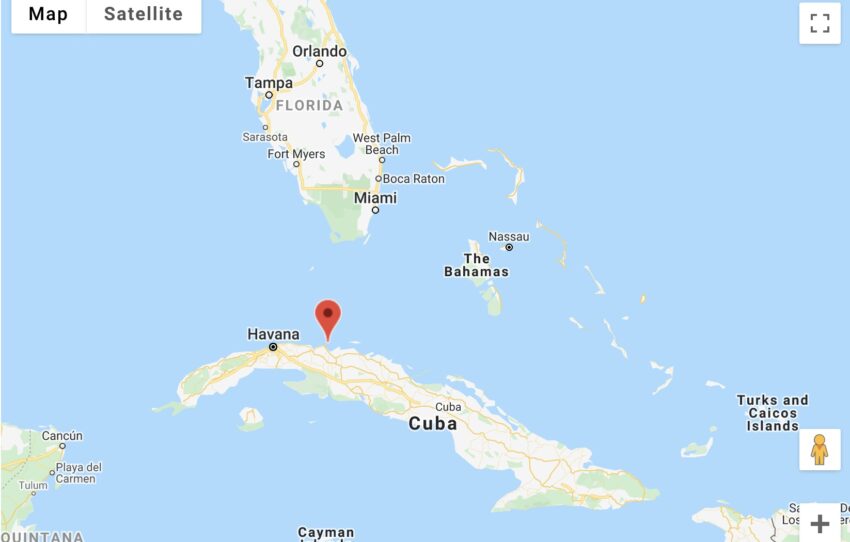
The Exact Distance: From Key West to Havana
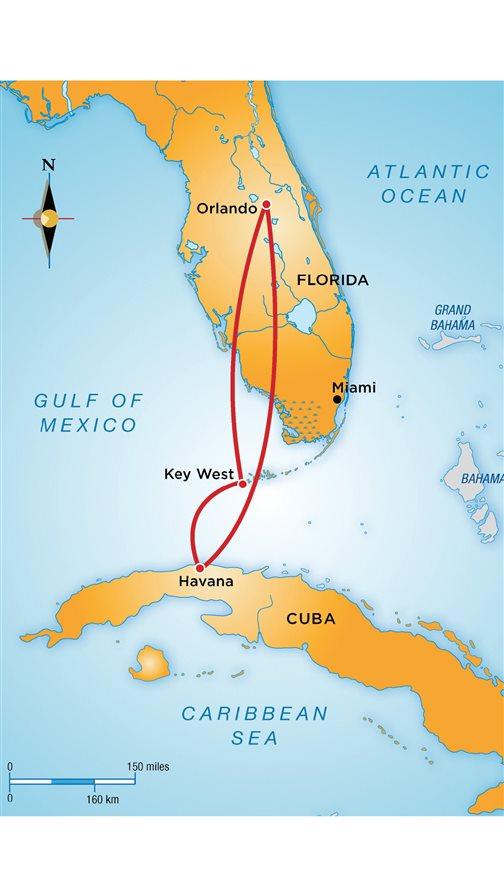
At its narrowest point, the distance separating the United States from Cuba is approximately 90 miles (145 kilometers). This measurement is typically taken from Key West, Florida, the southernmost point of the continental United States, to the northern coast of Cuba, particularly the region near Havana. This slender channel is officially known as the Strait of Florida, connecting the Gulf of Mexico to the Atlantic Ocean.
To put this into perspective, 90 miles is roughly the distance from London to Dover in the United Kingdom, or from New York City to Philadelphia. On a clear day, standing at the iconic Southernmost Point Buoy in Key West, one can almost feel the presence of the island nation across the shimmering waters. This short distance has historical echoes, most notably during the Cuban Missile Crisis when the entire world held its breath as two global superpowers faced off just a few dozen miles apart. It’s also been the path for numerous rafters and boats, seeking refuge or simply exploring the azure expanse.
Geographical Impact on Travel and Culture
The geographical closeness extends beyond mere miles, influencing the natural environment and human interaction. Both Florida and Cuba share similar subtropical climates, making them prone to hurricane seasons and boasting rich, biodiverse marine ecosystems. The warm waters of the Strait of Florida are home to vibrant coral reefs, diverse fish species, and even migratory whales, offering incredible opportunities for snorkeling, diving, and fishing activities for those with the appropriate permits.
Culturally, the proximity has led to a profound exchange, particularly evident in Florida. Miami, often dubbed the “Capital of Latin America,” has a large and influential Cuban diaspora, shaping the city’s food, music, art, and overall lifestyle. Neighborhoods like Little Havana are living testaments to this connection, offering an authentic Cuban experience just a short drive from Miami’s bustling downtown. The ease of access, despite political complexities, continually fosters a shared heritage that transcends borders.
Bridging the Gap: Travel Between Florida and Cuba
For travelers keen on exploring this intriguing geographical link, understanding the modes of transportation and current regulations is crucial. The journey across the Strait of Florida is more than just a physical crossing; it’s a step into a different world, regulated by specific international guidelines.
Modes of Transportation
While the distance might suggest a quick hop, the journey between Florida and Cuba is primarily by air, with limited sea options.
- Flights: This is by far the most common and efficient way to travel between the two locations. Direct flights from major Florida cities, particularly Miami and Fort Lauderdale, to Havana’s José Martí International Airport are available, though their frequency can fluctuate based on political relations. The flight duration is remarkably short, typically ranging from 45 minutes to just over an hour, depending on the departure and arrival points. Other Cuban cities like Varadero and Santiago de Cuba also have international airports that receive flights from other countries, but direct US flights are primarily concentrated on Havana. When booking flights, it’s essential to use airlines experienced in navigating US-Cuban travel regulations.
- Boats/Ferries: Historically, ferries operated between Florida and Cuba, carrying both passengers and cargo. While there have been sporadic attempts to revive ferry services, especially for passengers, these have often been subject to complex regulatory hurdles and geopolitical shifts. Private boat owners with proper documentation and adherence to maritime laws can undertake the journey, but it requires extensive planning and permission from both US and Cuban authorities. This is generally not a viable option for the average tourist due to the logistical challenges and strict rules.
- Cruises: Prior to recent policy changes, cruises from Florida ports like Miami and Fort Lauderdale to Cuba became a popular option, offering a convenient way to experience the island. These cruises typically included stops in Havana and other Cuban cities. However, most US-based cruise lines have ceased operations to Cuba due to updated US government regulations. Travelers interested in cruise experiences should always check the most current regulations and cruise line offerings.
Navigating Travel Regulations
For US citizens and residents, travel to Cuba is not for general tourism but must fall under one of 12 authorized categories established by the US Department of Treasury’s Office of Foreign Assets Control (OFAC). These categories include:
- Family visits
- Support for the Cuban people
- Professional research and professional meetings
- Educational activities (including “people-to-people” exchanges, though this category has seen stricter interpretations)
- Religious activities
- Public performances, clinics, workshops, athletic and other competitions, and exhibitions
- Journalistic activities
- Humanitarian projects
- Activities of private foundations or research or educational institutes
- Exportation, importation, or transmission of information or informational materials
- Certain authorized export transactions
Travelers must maintain records of their activities in Cuba for five years, demonstrating their adherence to the chosen category. Additionally, a Cuban visa (often called a Tourist Card) is required for entry, which can typically be obtained through airlines, tour operators, or the Cuban embassy. Non-US citizens generally face fewer restrictions from their home countries but still need to adhere to Cuban visa requirements. Always consult the latest government advisories and embassy websites before planning your trip.
Exploring the Destinations: Florida and Cuba
The short distance between Florida and Cuba makes it feasible, and highly rewarding, to explore the distinct charms of both destinations.
Florida’s Cuban Heart: Miami and Key West
Before or after a trip to the island, immersing oneself in Florida’s Cuban connections offers a fascinating perspective.
- Miami: As mentioned, Miami is a vibrant hub of Cuban culture. A visit to Little Havana is essential. Stroll along Calle Ocho, listen to live salsa music, watch cigar rollers at work, and savor authentic Cuban food like ropa vieja and medianoche sandwiches. Don’t forget to grab a strong cafecito! Miami offers a range of accommodation options, from luxury hotels and resorts in South Beach to stylish boutique hotels in neighborhoods like Brickell or Wynwood. Many hotels provide excellent amenities for both family trips and business stays.
- Key West: This charming island city boasts a laid-back atmosphere and a rich literary and maritime history. Besides the Southernmost Point Buoy, explore the Ernest Hemingway Home and Museum, wander down Duval Street, and enjoy the spectacular sunset celebration at Mallory Square. Key West’s architecture and vibe often remind visitors of parts of the Caribbean, enhancing its connection to Cuba. Accommodation here ranges from quaint guesthouses and charming bed and breakfasts to larger resorts with pools and beachfront access.
The Charms of Cuba: Beyond the Horizon
Once across the strait, Cuba unveils a world of faded grandeur, resilient spirit, and captivating culture.
- Havana: The capital city is an absolute must-see. Its heart, Old Havana, is a UNESCO World Heritage Site filled with stunning colonial architecture, cobblestone streets, and lively plazas. Ride in a classic American car, walk along the iconic Malecón promenade, explore Plaza Vieja and Plaza de la Revolución, and marvel at the grandeur of El Capitolio. Havana’s nightlife, with its salsa clubs and jazz venues, is legendary.
- Varadero: For those seeking pristine beaches and all-inclusive resorts, Varadero is Cuba’s premier beach destination. Its 20 kilometers of white sand and clear turquoise waters are ideal for relaxation and water sports. Many international hotel chains operate here, offering a more traditional resort experience with various amenities. Examples include the Meliá Varadero and the Iberostar Selection Varadero, providing suites and villas for discerning travelers.
- Viñales Valley: Another UNESCO World Heritage Site, this picturesque valley in western Cuba is famous for its unique mogotes (limestone karsts), tobacco farms, and lush nature. It offers a glimpse into rural Cuban life, with opportunities for hiking, horseback riding, and visiting tobacco plantations where the famous Cuban cigars are grown.
- Trinidad and Cienfuegos: These central Cuban cities also boast stunning colonial architecture and vibrant histories, providing a quieter, yet equally enriching, cultural immersion.
Accommodation in Cuba varies greatly. While there are state-run hotels and international resorts, many travelers opt for casas particulares, private homes that offer rooms for rent. This option provides an authentic local experience, often including homemade food and direct interaction with Cuban families, aligning perfectly with the “support for the Cuban people” travel category.
Planning Your Cuban Adventure (from Florida)
Embarking on a journey to Cuba from Florida is an adventure that promises unique insights and unforgettable memories. Careful planning is key to a smooth and enriching trip.
Accommodation and Lifestyle Choices
Deciding on your preferred style of travel and accommodation is essential.
- Hotels vs. Casas Particulares: For a truly immersive local experience and to directly support the Cuban people, casas particulares are highly recommended. They are similar to bed and breakfasts and offer a cozy, personalized stay. Alternatively, state-run hotels in cities like Havana and resorts in Varadero provide more conventional amenities and services.
- Booking and Reviews: While online booking platforms for Cuba have become more prevalent, it’s wise to read recent reviews and potentially use a specialized Cuban travel agency. Internet access in Cuba can be limited, so having reservations confirmed and printed beforehand is a wise tip.
- Budget Travel vs. Luxury Travel: Cuba can cater to various budgets. Staying in casas particulares and eating at local paladares (private restaurants) can make for an affordable trip. For those seeking luxury travel, higher-end hotels and specialized tour packages offer premium experiences.
Cultural Immersion and Activities
Cuba is a feast for the senses, offering unparalleled cultural immersion.
- Food and Drink: Savor traditional Cuban food – beyond ropa vieja and mofongo, try fresh seafood, roasted pork, and plenty of rice and beans. Don’t leave without trying a classic Mojito or a Daiquiri at their birthplace.
- Music and Dance: Music is the soul of Cuba. You’ll find live bands playing Son, Salsa, and Rumba in restaurants, bars, and public squares. Take a dance lesson to truly get into the rhythm.
- Landmarks and History: Engage in historical tours of Havana’s plazas, learn about the Cuban Revolution, and visit museums dedicated to art and history. The architecture itself is a living landmark.
- Nature and Activities: From the tobacco fields of Viñales Valley to the pristine beaches of Varadero and the diverse ecosystems of Zapata Swamp, Cuba offers ample nature excursions, birdwatching, and diving opportunities.
Practical Tips for a Smooth Trip
- Currency: Cuba uses the Cuban Peso (CUP). US debit and credit cards are often not accepted, so bring enough cash (preferably Euros or Canadian Dollars) to exchange.
- Internet Access: Wi-Fi is available in many hotels and designated public Wi-Fi zones, but it can be slow and requires purchasing scratch cards. Embrace the digital detox!
- Health Insurance: It is mandatory for all visitors to have travel health insurance that covers Cuba.
- Local Guides: Hiring a local guide, especially one certified to conduct “support for the Cuban people” activities, can significantly enhance your experience and help navigate local nuances.
The distance from Cuba to Florida is short, yet the journey across the Strait of Florida represents a leap between contrasting worlds. This geographical proximity has fostered a unique bond, manifesting in shared waters, intertwined communities, and a compelling invitation for travelers. While regulations for US citizens require specific adherence, the opportunity to bridge this gap offers an incredibly rich and insightful travel experience. From the vibrant Cuban heartbeat of Miami and Key West to the timeless charm of Havana and the natural beauty of Viñales, the journey reveals two sides of a fascinating story, united by history, geography, and the enduring spirit of discovery.
LifeOutOfTheBox is a participant in the Amazon Services LLC Associates Program, an affiliate advertising program designed to provide a means for sites to earn advertising fees by advertising and linking to Amazon.com. Amazon, the Amazon logo, AmazonSupply, and the AmazonSupply logo are trademarks of Amazon.com, Inc. or its affiliates. As an Amazon Associate we earn affiliate commissions from qualifying purchases.