
Embarking on a journey across the vast and vibrant landscape of Texas offers a captivating blend of urban sophistication and laid-back charm. Two of the state’s most iconic cities, Dallas and Austin, stand as pillars of culture, commerce, and unparalleled experiences. While Dallas beckons with its cosmopolitan allure, artistic endeavors, and historical significance, Austin captivates with its “Keep Austin Weird” ethos, live music scene, and outdoor adventures. For travelers planning a visit to the Lone Star State, understanding the distance and the best ways to traverse the expanse between these two dynamic destinations is crucial. This comprehensive guide will not only detail the physical separation but also delve into the diverse travel options, scenic routes, must-see attractions, and accommodation insights to ensure your Texas adventure is as seamless and enjoyable as possible. Whether you’re a first-time visitor or a seasoned explorer, navigating the path from Dallas to Austin is an integral part of experiencing the heart and soul of this magnificent state.
The Journey Between Two Texas Titans
The stretch between Dallas and Austin represents a significant slice of Texas’s geographical and cultural tapestry. As you move from the metropolitan grandeur of North Texas to the rolling Texas Hill Country where Austin resides, the scenery and atmosphere subtly shift, promising a diverse travel experience.
Unpacking the Distance and Driving Time
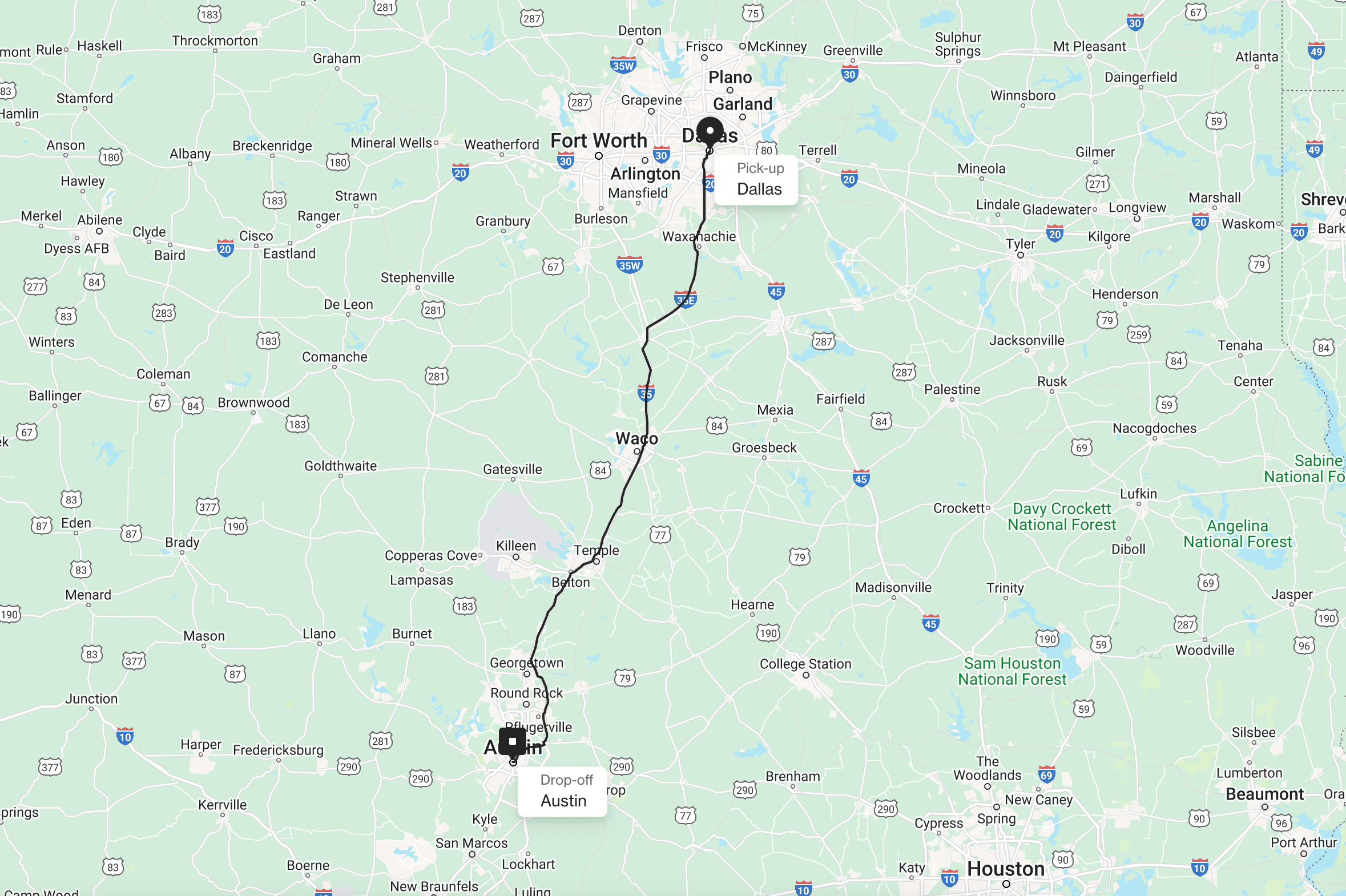
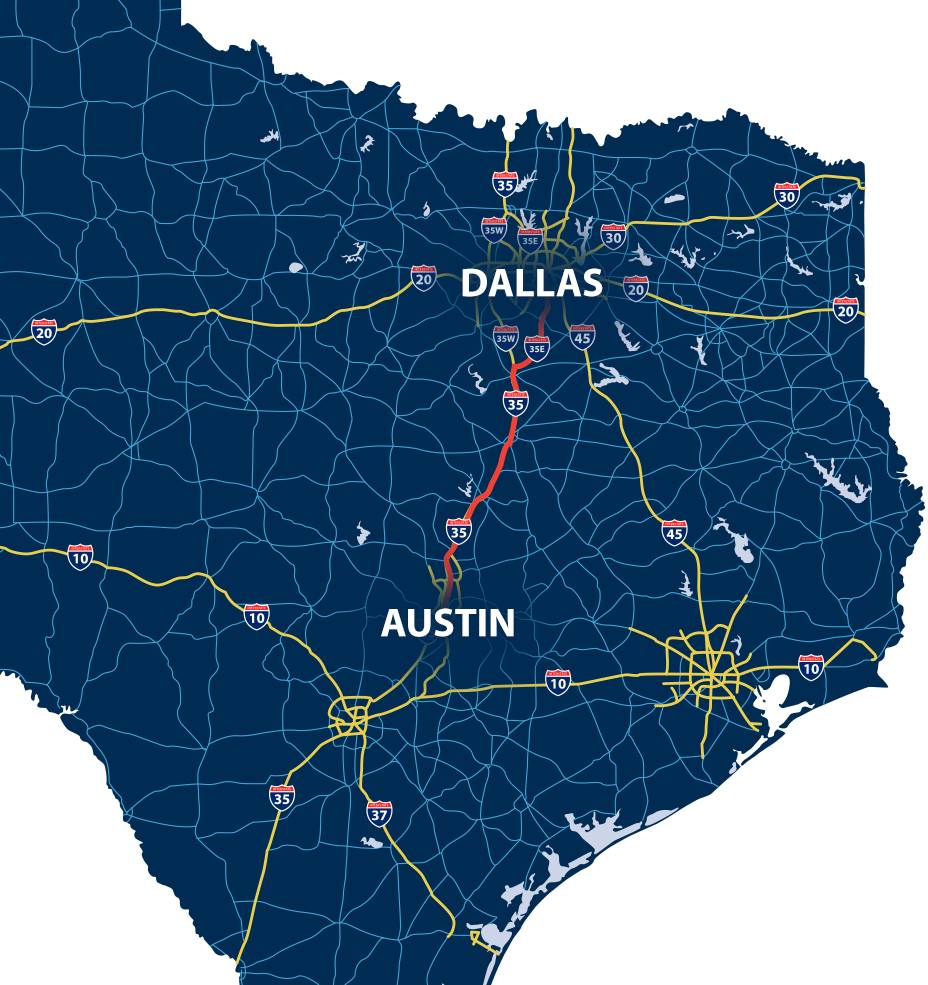
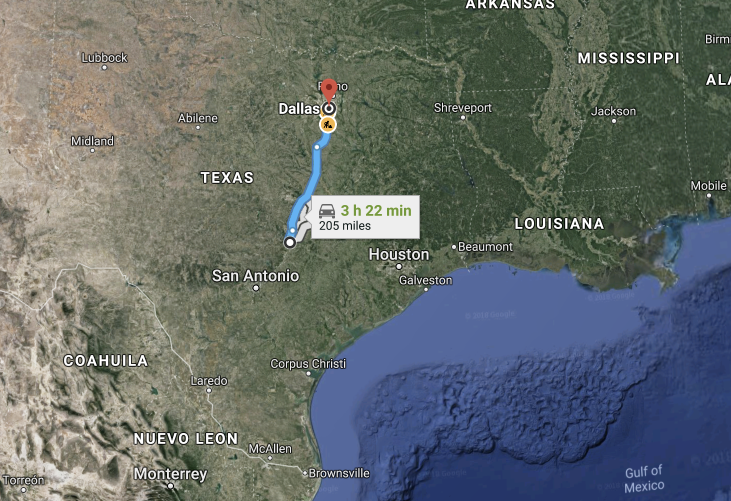
The direct distance between Dallas and Austin is approximately 195 to 200 miles (around 314 to 322 kilometers), depending on the specific starting and ending points within each city. The primary route connecting these two hubs is Interstate 35 (I-35), a major north-south artery that bisects the state.
Under ideal driving conditions, meaning minimal traffic and no significant stops, the journey typically takes around 3 to 3.5 hours by car. However, travelers should always factor in potential delays, especially during peak travel times, holidays, or adverse weather. I-35 can become particularly congested through major cities like Waco, and around the metropolitan areas of Dallas-Fort Worth and Austin itself. Planning your drive to avoid rush hour (typically 7-9 AM and 4-6 PM on weekdays) can significantly reduce travel time and stress. For those considering an extended trip, allowing for a leisurely drive with stopovers can transform a simple commute into a memorable road trip.
Choosing Your Mode of Transport
While driving is arguably the most flexible and popular option for traversing Texas, several other modes of transport cater to different preferences, budgets, and travel styles.
-
By Car (Driving): This offers the ultimate freedom to explore. Renting a car in Dallas and dropping it off in Austin (or vice versa) is a common choice for tourists. It allows for spontaneous detours to charming towns, scenic overlooks, or attractions not directly on the interstate. Car rental services are widely available at both city airports (Dallas/Fort Worth International Airport (DFW), Dallas Love Field Airport, and Austin-Bergstrom International Airport (AUS)) and various downtown locations. For family trips or those with specific interests like budget travel or luxury travel, a car allows for tailored experiences.
-
By Bus: Bus services, primarily operated by Greyhound, provide an economical alternative. The journey duration by bus is typically longer than driving, ranging from 3.5 to 5 hours, due to scheduled stops and traffic. While less flexible, it’s a great option for solo travelers, students, or those looking to minimize travel costs without the hassle of driving or parking. The bus stations in both Dallas and Austin are centrally located, offering convenient access to local transportation.
-
By Train: Amtrak offers limited train service between Dallas and Austin on its Texas Eagle route. While it offers a more relaxed and scenic journey, the travel time is considerably longer, often 6 hours or more, due to the nature of train schedules and railway infrastructure. Train travel presents a unique experience for those who appreciate slower travel and wish to enjoy the passing landscapes without the stress of driving, making it a distinct lifestyle choice for travelers.
-
By Air (Flying): Although there are flights between Dallas (DFW or Dallas Love Field Airport) and Austin (Austin-Bergstrom International Airport), they are generally not recommended for direct city-to-city travel unless connecting from another flight. The actual flight time is short (around 1 hour), but when you factor in travel to and from airports, security checks, and boarding, the total door-to-door time often exceeds driving, and the cost is significantly higher. This mode is typically reserved for business stays or travelers with complex itineraries.
Exploring the Route: What to See Along the Way
The journey from Dallas to Austin isn’t just about the destination; it’s also about the experience of traversing the heart of Texas. Along I-35, or slightly off the beaten path, there are several noteworthy stops that can enrich your travel experience.
Scenic Detours and Hidden Gems
While I-35 is the most direct route, travelers with an adventurous spirit or those on a family trip might enjoy venturing slightly off-course.
- Dinosaur Valley State Park (Glen Rose): A short drive west of I-35 near Fort Worth offers a prehistoric adventure where visitors can walk in real dinosaur footprints in the Paluxy Riverbed. This makes for a fantastic family attraction and a unique landmark stop.
- Meridian State Park: Located southwest of Clifton, this tranquil park offers hiking, fishing, and kayaking, providing a peaceful escape for nature lovers and a refreshing break from driving.
- Small Town Charms: Explore quaint towns like Salado, known for its artisan shops and historic Stagecoach Inn, or Temple and Belton, which offer glimpses into authentic small-town Texas life. These places often provide unique local culture and food experiences.
Popular Stopover Cities
Several larger cities along I-35 make for excellent stopover points, offering dining, lodging, and attractions.
- Waco: Approximately halfway between Dallas and Austin, Waco has become a popular tourist destination. The city is famously home to Magnolia Market at the Silos, a major attraction for fans of home design and lifestyle. Other notable stops include the Dr Pepper Museum and the Texas Ranger Hall of Fame and Museum. Waco offers a range of accommodation options, from budget-friendly motels to boutique hotels, ideal for an overnight stay or a long lunch break.
- Temple / Killeen: Further south, these cities offer practical stops with numerous chain restaurants and hotels, suitable for business stays or travelers prioritizing convenience.
Dallas: A Metropolis of Culture and Commerce
Dallas, a gleaming jewel in North Texas, is a city defined by its impressive skyline, world-class museums, and diverse culinary scene. It’s a hub for business, fashion, and the arts, offering a sophisticated urban experience.
Top Attractions and Experiences in Dallas
Dallas boasts an array of landmarks and attractions that cater to every interest, from history buffs to art enthusiasts and families.
- Dallas Arts District: The largest contiguous urban arts district in the nation, featuring the Dallas Museum of Art, the Nasher Sculpture Center, and the AT&T Performing Arts Center. This area is a cornerstone of local culture and tourism.
- Sixth Floor Museum at Dealey Plaza: A poignant historical landmark that chronicles the assassination of President John F. Kennedy and its aftermath. It’s a must-visit for understanding a pivotal moment in American history.
- Klyde Warren Park: An innovative urban park built over a freeway, offering green space, food trucks, and free programming. It’s a vibrant spot for lifestyle and relaxation in Downtown Dallas.
- Reunion Tower: Instantly recognizable by its geodesic dome, the Reunion Tower offers panoramic views of the city from its GeO-Deck observation deck.
- Dallas World Aquarium: A unique attraction featuring exotic animals and marine life from around the globe, ideal for family trips.
- Bishop Arts District: Known for its independent boutiques, art galleries, and diverse dining options, offering a bohemian contrast to the polished Uptown Dallas.
- Deep Ellum: The epicenter of Dallas’s live music and nightlife scene, perfect for experiencing the local culture after dark.
- Dallas Arboretum and Botanical Garden: A beautiful oasis offering stunning seasonal displays and themed gardens, perfect for a leisurely afternoon.
Where to Stay: Accommodation Options in Dallas
Dallas presents a wide spectrum of accommodation, from luxury resorts to budget-friendly apartments, catering to every traveler’s preference.
- Luxury & Boutique Hotels: For those seeking opulent surroundings and top-tier amenities, hotels like The Joule (known for its art collection and downtown location), the Omni Dallas Hotel (connected to the convention center), Hotel ZaZa Dallas (with its unique themed suites), or the new JW Marriott Dallas Arts District offer an elevated experience. The Kimpton Pittman Hotel in Deep Ellum blends historic charm with modern luxury.
- Mid-Range & Business Hotels: Numerous options abound in Downtown and Uptown areas, perfect for business stays or travelers looking for comfort and convenience without the extravagant price tag. Brands like Marriott, Hilton, and Hyatt offer reliable choices.
- Budget & Long-term Stays: For budget travel or extended visits, apartment-style hotels or reputable budget chains are available throughout the broader Dallas area. Websites for booking and comparison can help find the best deals for long-term stay accommodation.
Austin: The Live Music Capital and Beyond
Austin, the capital of Texas, stands in stark contrast to Dallas with its laid-back vibe, vibrant music scene, and abundant outdoor activities. It’s a city that effortlessly blends political importance with a quirky, independent spirit.
Must-Visit Spots and Local Flavors in Austin
Austin’s unique blend of attractions, local culture, and food experiences makes it a captivating destination.
- South Congress Avenue (SoCo): An iconic street lined with quirky boutiques, vintage shops, food trucks, murals, and live music venues. It’s the epitome of Austin’s “Keep Austin Weird” ethos.
- Barton Springs Pool and Zilker Park: This natural spring-fed pool within the expansive Zilker Park is a beloved local landmark, offering a refreshing swim year-round. The park itself is a hub for outdoor activities and home to the Austin City Limits Music Festival.
- Lady Bird Lake: Perfect for kayaking, paddleboarding, or strolling/biking along the Ann and Roy Butler Hike-and-Bike Trail. It offers stunning views of the city skyline.
- Texas State Capitol: An impressive architectural landmark, taller than the U.S. Capitol, offering free tours and a glimpse into Texas’s political history.
- Live Music Venues: Explore legendary streets like Sixth Street or Rainey Street for an authentic taste of Austin’s “Live Music Capital of the World” reputation.
- Food Trucks & Barbecue: No trip to Austin is complete without indulging in its famed food truck scene and legendary Texas barbecue. Iconic spots like Franklin Barbecue (be prepared for a wait!) offer unparalleled culinary experiences.
Finding Your Perfect Stay in Austin
Austin’s accommodation scene reflects its eclectic personality, offering everything from historic hotels to trendy boutique stays and comfortable apartments.
- Boutique & Luxury Hotels: For an authentic Austin experience, consider The Driskill Hotel, a historic landmark dating back to 1886. Other high-end options include the Hotel San José and the South Congress Hotel (both on SoCo), or the modern W Austin for luxury travel.
- Mid-Range & Family-Friendly: Many reputable hotel chains are located in Downtown, near the University of Texas at Austin, or along the major arteries, providing comfortable stays for family trips or business travelers.
- Unique & Budget Options: Austin also offers charming guesthouses, vacation rentals (apartments/villas), and more budget-conscious hotels, particularly outside the immediate downtown core. Booking in advance, especially during major festivals like SXSW or Austin City Limits, is highly recommended, as prices and availability can fluctuate wildly.
Planning Your Texas Trip: Tips for a Seamless Experience
Successfully navigating the distance between Dallas and Austin requires thoughtful planning, integrating aspects of travel, tourism, and lifestyle choices to optimize your journey.
Best Time to Travel and Local Events
The timing of your trip can significantly impact your experience.
- Spring (March-May) and Fall (September-November): These seasons offer the most pleasant weather for exploring Texas, with mild temperatures ideal for outdoor activities and sightseeing. Fall brings vibrant foliage to the Texas Hill Country, while spring is famous for wildflowers, especially bluebonnets. However, these are also peak tourism seasons, which means higher prices for hotels and flights, and larger crowds at popular attractions.
- Summer (June-August): Texas summers are notoriously hot and humid. While prices might be lower for some accommodations, outdoor activities can be challenging during midday. Many travelers still visit during this time for water activities around Lake Travis or indoor attractions.
- Winter (December-February): Winters are generally mild, especially in Southern Texas, but colder temperatures are possible. It’s a quieter time for tourism, often yielding better deals on hotels and fewer crowds.
- Major Events: Both cities host numerous festivals and events throughout the year. Austin is famous for SXSW (South by Southwest) in March and the Austin City Limits Music Festival in October, which cause massive surges in hotel demand and prices. Dallas hosts the State Fair of Texas in the fall. Check event calendars before booking to align your visit with desired experiences or to avoid peak crowds and costs.
Budgeting and Lifestyle Choices for Your Journey
Consider your travel style and budget when planning your trip between Dallas and Austin.
- Budget Travel: Opt for bus travel, stay in hostels or budget hotels, and focus on free attractions like parks and public art. Utilize comparison websites for accommodation booking and reviews. Eating at food trucks in Austin or casual diners in Dallas can also keep food costs down.
- Luxury Travel: Indulge in premium car rentals, chauffeur services, and stays at luxury hotels or resorts. Fine dining experiences, private tours, and VIP access to events enhance the luxury lifestyle.
- Family Trips: Driving offers the most flexibility for families with children, allowing for frequent stops and custom itineraries. Look for hotels with amenities like pools and family suites. Many attractions in both cities, such as the Dallas World Aquarium or Zilker Park, are geared towards all ages.
- Business Stays: Prioritize hotels with business centers, Wi-Fi, and convenient access to corporate districts. Flights between airports might be considered for time-sensitive travel, though driving remains practical.
In conclusion, the distance between Dallas and Austin is easily conquerable, offering travelers an opportunity to experience two distinct facets of Texas culture. Whether you prefer the open road with scenic stops, the convenience of a bus, or the laid-back pace of train travel, a well-planned journey between these two great cities promises an unforgettable adventure filled with discovery, excitement, and true Texas hospitality.
LifeOutOfTheBox is a participant in the Amazon Services LLC Associates Program, an affiliate advertising program designed to provide a means for sites to earn advertising fees by advertising and linking to Amazon.com. Amazon, the Amazon logo, AmazonSupply, and the AmazonSupply logo are trademarks of Amazon.com, Inc. or its affiliates. As an Amazon Associate we earn affiliate commissions from qualifying purchases.