
Embarking on a journey across the vast expanse of Texas offers a captivating blend of diverse landscapes, rich history, and modern marvels. For many travelers eyeing the Lone Star State, a common question arises when planning an itinerary: “How far is Dallas, Texas, from San Antonio?” This query is more than just about mileage; it’s about connecting two of the state’s most iconic cities, each offering a distinct flavor of Texan culture, world-class attractions, and unforgettable experiences. Whether you’re a history buff, an art enthusiast, a foodie, or simply seeking a vibrant urban adventure, the route between Dallas and San Antonio promises an exciting exploration.
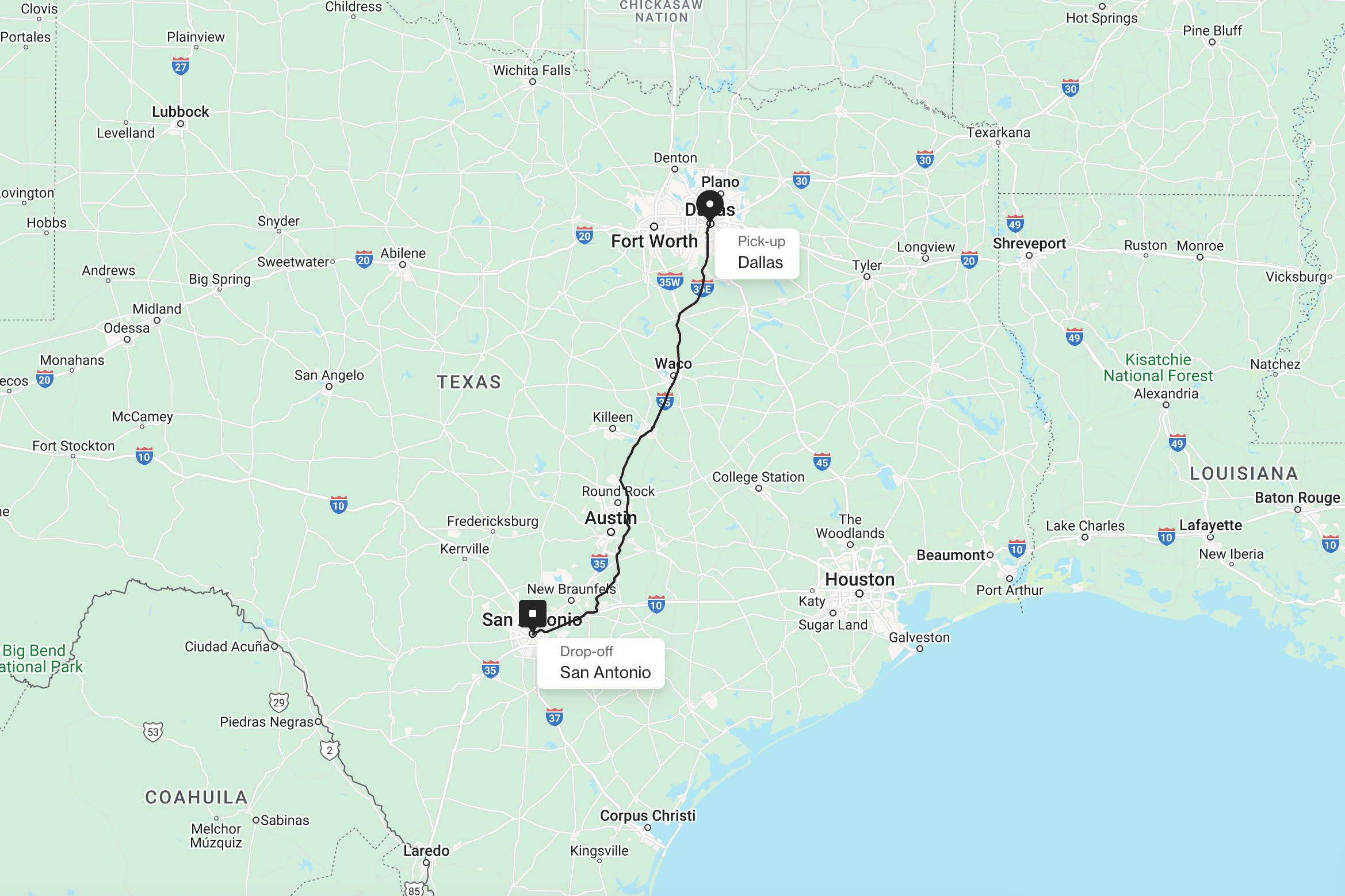
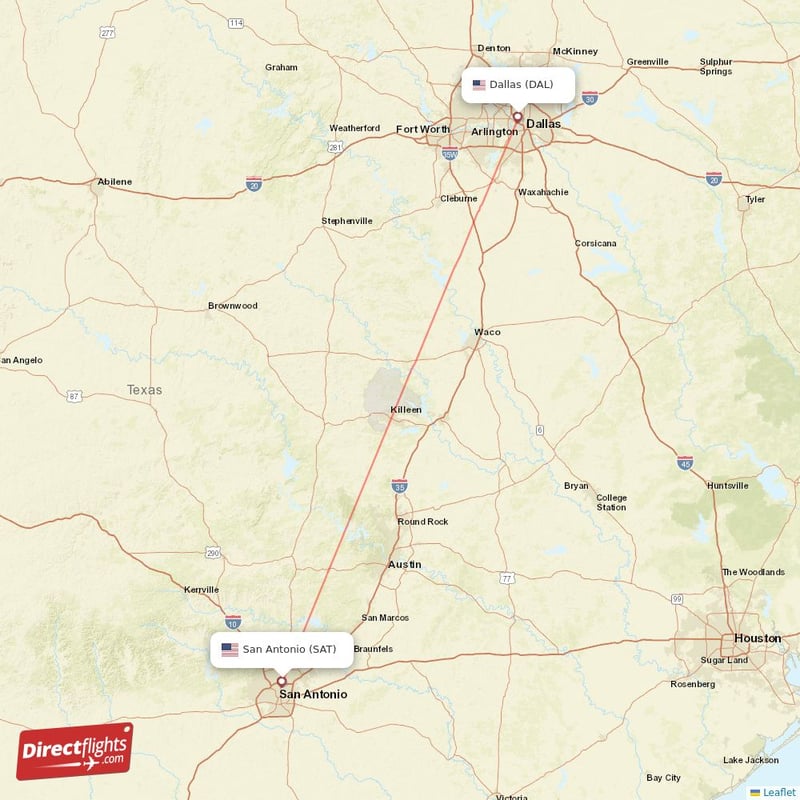
At the heart of it, the straight-line distance, or as the crow flies, between Dallas and San Antonio is approximately 247 miles (398 kilometers). However, for practical travel purposes, the driving distance is what truly matters, and it typically ranges from 270 to 280 miles (435 to 450 kilometers), depending on the specific starting and ending points within each metropolitan area and the chosen route. This translates into a travel time of roughly 4 to 5 hours by car under ideal conditions, without significant traffic delays or extended stops.
This article delves beyond the simple distance, guiding you through the various travel options, detailing the unique charm and must-see attractions of both San Antonio and Dallas, and offering insights into accommodation choices and lifestyle considerations to help you craft the perfect Texas adventure. From planning a spontaneous road trip to orchestrating a meticulous multi-city itinerary, understanding the journey between these two dynamic destinations is the first step towards an extraordinary travel experience.
The Journey Between Two Texas Gems
The path connecting Dallas and San Antonio is a well-trodden one, vital for both leisure and business travelers. The dominant mode of transport is driving, offering flexibility and the chance to explore the expansive Texas landscape. However, for those preferring not to drive, several convenient alternatives exist, making the journey accessible to all types of adventurers.
Driving the Lone Star State Highways
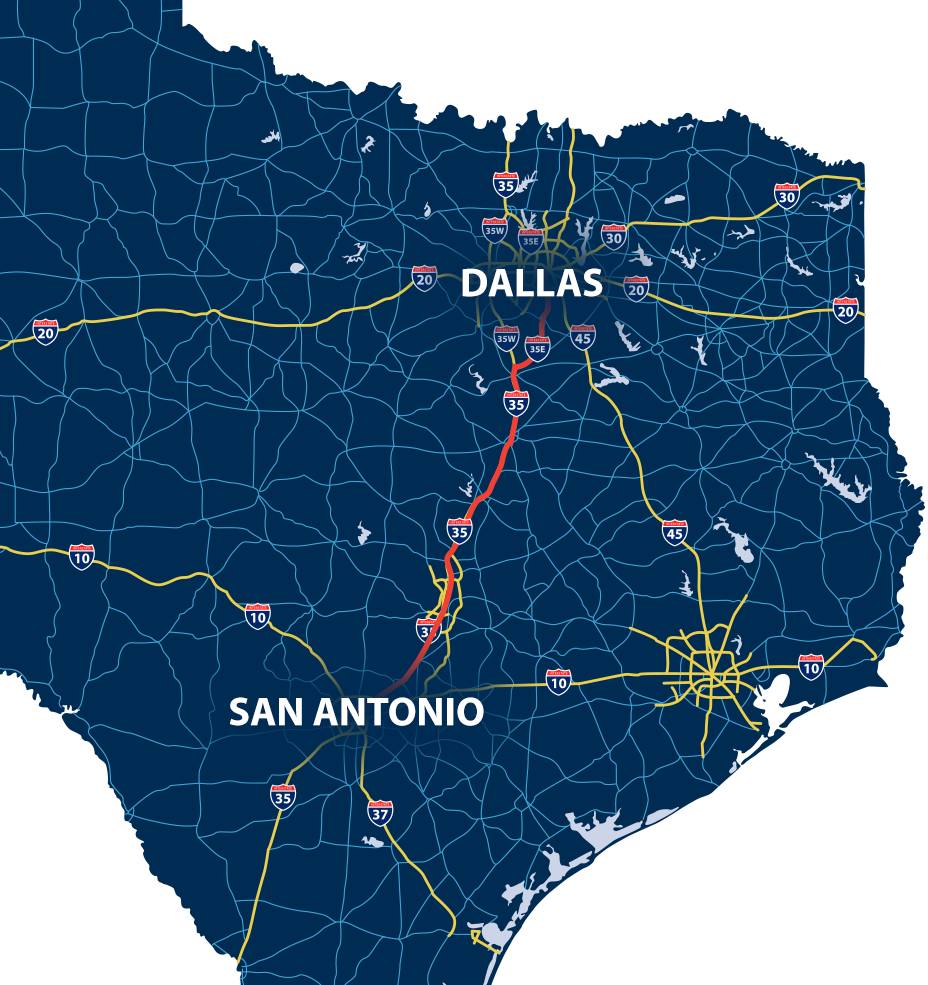
For most travelers, a road trip is the quintessential Texas experience, and the drive between Dallas and San Antonio perfectly encapsulates this. The primary route is Interstate 35 (I-35), a major north-south artery that cuts through the heart of the state. Starting from Dallas, you’ll head south on I-35E which merges with I-35W near Fort Worth to become I-35 South, leading directly to San Antonio.
The journey offers glimpses of sprawling ranches, charming small towns, and diverse topography. While the drive is relatively straightforward, traffic can be a significant factor, especially during peak hours around metropolitan areas like Austin or on holiday weekends. It’s always wise to check real-time traffic updates before setting out. Rest stops and fuel stations are plentiful along I-35, ensuring a comfortable journey. For those interested in a slightly more scenic, albeit potentially longer, route, bypassing some of the busiest sections of I-35 via state highways can offer a different perspective of Central Texas. Road trip essentials, such as a good playlist, snacks, and a reliable GPS, are highly recommended to enhance the experience.
Alternative Transportation Options
While driving offers unparalleled freedom, other modes of transport provide convenience and an opportunity to relax while traveling.
Flying: For those prioritizing speed, flying is an option, though it’s often more practical for longer distances. Both Dallas and San Antonio are served by major airports. Dallas/Fort Worth International Airport (DFW) is one of the busiest in the world, while Dallas Love Field (DAL) is a hub for Southwest Airlines. San Antonio International Airport (SAT) serves the Alamo City. Direct flights between DFW or DAL and SAT are available, with flight times typically around 1 hour. However, when factoring in travel to and from airports, security checks, and boarding, the total door-to-door travel time might approach or even exceed the driving time, especially for individuals or small groups.
Bus Services: Intercity bus services offer a budget-friendly way to travel between Dallas and San Antonio. Companies like Greyhound and Megabus operate multiple daily routes, providing comfortable seating, Wi-Fi, and convenient schedules. The travel time by bus is usually longer than driving, ranging from 5 to 7 hours, but it eliminates the stress of driving and parking. Bus terminals are typically centrally located, offering easy access to public transport or ride-sharing services in both cities.
Train Services: Amtrak provides limited train services between the two cities as part of its longer routes. The Texas Eagle route connects Dallas and San Antonio, offering a unique and scenic travel experience. While slower than driving or flying, taking the train can be a relaxing way to see the countryside, often with amenities like dining cars and observation lounges. However, schedules can be infrequent, so advanced planning is essential for this option.
Exploring San Antonio: History, Culture, and Charm
San Antonio is a city steeped in history, rich in culture, and brimming with a distinctive Tex-Mex charm. As one of the most visited cities in Texas, it offers a captivating blend of iconic landmarks, vibrant cultural experiences, and delicious culinary adventures, making it an essential stop on any Texas itinerary.
Iconic Landmarks and Attractions
The heart of San Antonio’s allure lies in its historic sites and lively public spaces.
The undisputed crown jewel is The Alamo, a former mission and the site of a pivotal battle during the Texas Revolution. Visiting The Alamo provides a powerful connection to the state’s fight for independence and is a profound experience for all visitors.
Just steps away from The Alamo is the renowned San Antonio River Walk (Paseo del Río). This network of walkways along the banks of the San Antonio River is dotted with charming restaurants, quaint shops, and lively bars. Taking a barge cruise along the River Walk is a fantastic way to soak in the atmosphere and learn about the city’s history. Beyond the bustling downtown, the San Antonio Missions National Historical Park, a UNESCO World Heritage Site, preserves four other Spanish colonial missions: Mission Concepción, Mission San José, Mission San Juan Capistrano, and Mission Espada. These missions offer a deeper dive into the region’s colonial past and architectural grandeur.
For a taste of modern San Antonio, the historic Pearl District is a must-visit. Once a brewery, it has been transformed into a vibrant mixed-use space featuring trendy boutiques, acclaimed restaurants, a farmers market, and the luxurious Hotel Emma. Families traveling with children will find plenty to enjoy at attractions like Six Flags Fiesta Texas or SeaWorld San Antonio, offering thrilling rides and marine life encounters.
Accommodation in the Alamo City
San Antonio offers a diverse range of accommodation options to suit every taste and budget.
For those seeking luxury and an immersive experience, properties like Hotel Emma within the Pearl District or the Mokara Hotel & Spa on the River Walk provide opulent surroundings, exceptional service, and prime locations. These resorts often boast world-class spas, fine dining, and breathtaking views, ideal for a romantic getaway or a lavish escape.
Mid-range options are abundant, especially along the River Walk and downtown areas. Hotels such as the Drury Plaza Hotel Riverwalk or the Omni La Mansión del Rio offer comfortable rooms, excellent amenities, and convenient access to major attractions without breaking the bank. For budget-conscious travelers, numerous chain hotels like Holiday Inn Express and La Quinta Inn & Suites are available slightly outside the immediate downtown core, providing clean, comfortable stays with essential amenities.
For longer stays or family trips, consider booking an apartment-style accommodation or a suite with kitchenettes, which can offer more space and cost savings on dining. When booking, always compare prices across different platforms, read recent reviews, and check for any loyalty programs or special offers. Proximity to your preferred attractions or mode of transport should also factor into your decision, balancing convenience with cost.
Discovering Dallas: Modernity, Arts, and Urban Sophistication
Moving north to Dallas, you encounter a city that radiates modern sophistication, a thriving arts scene, and a powerful sense of urban dynamism. As the third-largest city in Texas and a major economic hub, Dallas offers a cosmopolitan experience distinct from San Antonio’s historic charm, making the contrast between the two cities all the more engaging for travelers.
Must-See Sights and Experiences
Dallas’s skyline is immediately recognizable, dominated by modern architecture and iconic structures. The Reunion Tower is perhaps the most famous, offering panoramic views of the city from its observation deck, “GeO-Deck,” which rotates slowly to provide a 360-degree vista. It’s an excellent starting point for orienting yourself within the sprawling metropolis.
The Dallas Arts District is the largest contiguous urban arts district in the United States, home to world-class institutions like the Dallas Museum of Art, the Nasher Sculpture Center, and the Winspear Opera House. Art lovers can spend days exploring these cultural treasures, many of which offer free admission. Adjacent to the Arts District is Klyde Warren Park, an innovative urban park built over a freeway, providing a green oasis with food trucks, fitness classes, and family-friendly activities.
For a poignant historical experience, the Sixth Floor Museum at Dealey Plaza explores the life, death, and legacy of President John F. Kennedy. It’s a somber but essential visit that provides deep insight into a pivotal moment in American history. Other popular attractions include the Dallas World Aquarium, a unique blend of aquarium and zoo exhibits, and the vibrant Bishop Arts District, known for its independent boutiques, art galleries, and diverse culinary scene. Sports enthusiasts might also catch a game involving the Dallas Cowboys (football) or the Dallas Mavericks (basketball).
Where to Stay in the Big D
Dallas’s extensive urban landscape offers a wide array of accommodation options, from ultra-luxury hotels to trendy boutique stays and practical business lodging.
For the pinnacle of luxury, consider the Ritz-Carlton, Dallas in the vibrant Uptown neighborhood, offering impeccable service and sophisticated amenities. The Hotel Crescent Court, also in Uptown, is another prime choice for discerning travelers, boasting a lavish spa and elegant rooms. These establishments cater to those seeking a high-end experience, complete with gourmet dining and exclusive services.
Boutique hotels, such as the Canvas Hotel Dallas in the Cedars neighborhood, offer unique design, artistic flair, and a more personalized experience, often with rooftop pools and vibrant social spaces. For business travelers or those attending conventions, the Omni Dallas Hotel is directly connected to the Kay Bailey Hutchison Convention Center and provides all the necessary amenities. Downtown Dallas and the Uptown area are popular choices for their proximity to attractions, dining, and nightlife.
For budget-conscious travelers, areas slightly outside the immediate city center, like those near Dallas Love Field, provide more affordable options without sacrificing convenience, especially if you plan to utilize public transport or ride-sharing. Family trips might benefit from hotels with pools and suites offering extra space, while long-term stays can be facilitated by extended-stay hotels or serviced apartments available across various districts. When selecting accommodation, consider your itinerary, preferred travel style, and whether you’ll primarily be exploring by foot, public transport, or car.
Tailoring Your Texas Trip: Lifestyle and Practical Tips
The journey from Dallas to San Antonio and the exploration of each city can be customized to fit virtually any travel style or budget. Understanding how to integrate your preferences for luxury, adventure, family fun, or business efficiency will ensure a fulfilling Texas experience.
Crafting Your Ideal Itinerary
The essence of a memorable trip lies in a well-crafted itinerary that aligns with your personal lifestyle and interests.
If luxury travel is your pursuit, consider staying at five-star resorts in both cities, indulging in fine dining at acclaimed restaurants like The French Room in Dallas or Supper at Hotel Emma in San Antonio, and perhaps enjoying exclusive tours or private transport. Upscale shopping districts, such as Highland Park Village in Dallas, cater to those with a penchant for high-end brands.
For budget travel, focus on free attractions like Klyde Warren Park and many museums in Dallas, or the San Antonio Missions National Historical Park and the River Walk in San Antonio. Opt for public transportation, enjoy local food trucks or casual eateries, and choose budget-friendly accommodations slightly outside the most tourist-heavy areas. Exploring on foot or utilizing bike-share programs can also add an adventurous, cost-effective dimension.
Family trips to Texas are made easy with a multitude of kid-friendly attractions. In San Antonio, Six Flags Fiesta Texas, SeaWorld, and the Witte Museum offer entertainment and education. Dallas boasts the Dallas World Aquarium, the Dallas Zoo, and interactive exhibits at the Perot Museum of Nature and Science. Planning activities that cater to various age groups and incorporating breaks will ensure a smooth and enjoyable family vacation.
For business stays, focus on hotels with excellent connectivity, conference facilities, and convenient access to the central business districts or convention centers. Both Dallas and San Antonio have robust infrastructure for business travelers, including executive lounges, high-speed internet, and easy access to transportation hubs. Consider locations that also offer nearby dining and entertainment options for unwinding after work.
Essential Travel Tips for Texas
Regardless of your travel style, a few general tips can enhance your journey across Texas.
The best time to visit Texas is typically in the spring (March to May) or fall (September to November), when the weather is mild and pleasant, perfect for exploring outdoor attractions. Summers can be intensely hot, particularly in July and August, requiring careful planning to avoid the midday sun. Winters are generally mild, though cold fronts can bring freezing temperatures.
Packing light layers is always a good idea, as temperatures can fluctuate, even within a single day. Don’t forget comfortable walking shoes, sunscreen, and a hat, especially if you plan on extended outdoor activities. Hydration is key in the Texan climate, so always carry water.
When it comes to local culture, Texans are known for their hospitality and friendly demeanor. Tipping is customary in restaurants, bars, and for services. While English is universally spoken, you’ll hear a significant amount of Spanish, especially in San Antonio, reflecting the state’s rich Hispanic heritage. Embracing the local cuisine, from authentic Tex-Mex to succulent BBQ, is an integral part of the Texas experience.
In conclusion, the distance between Dallas, Texas, and San Antonio is a manageable one, easily traversed by car, air, or public transport. What truly defines this journey is not just the miles but the incredible diversity of experiences waiting at each end. From the historic reverence of San Antonio’s missions and the romantic River Walk to Dallas’s modern skyscrapers, world-class arts, and bustling urban energy, this route offers a comprehensive glimpse into the soul of Texas. By considering your travel preferences, budgeting, and desired activities, you can seamlessly connect these two vibrant cities and create a Texas adventure that truly resonates with your lifestyle. So, pack your bags, choose your route, and prepare to explore the best of what the Lone Star State has to offer.
LifeOutOfTheBox is a participant in the Amazon Services LLC Associates Program, an affiliate advertising program designed to provide a means for sites to earn advertising fees by advertising and linking to Amazon.com. Amazon, the Amazon logo, AmazonSupply, and the AmazonSupply logo are trademarks of Amazon.com, Inc. or its affiliates. As an Amazon Associate we earn affiliate commissions from qualifying purchases.