
The vast expanse of Texas holds many treasures, and two of its most vibrant cities, Dallas and Austin, are separated by a distance that invites exploration and adventure. Whether you’re planning a quick weekend getaway, a scenic road trip, or a business trip, understanding the mileage between these two cultural hubs is the first step in crafting an unforgettable journey. This article delves into the specifics of the Dallas to Austin distance, exploring various modes of travel, the experiences that await you in each city, and practical tips to make your trip seamless.
The Direct Route: Distance and Driving Time
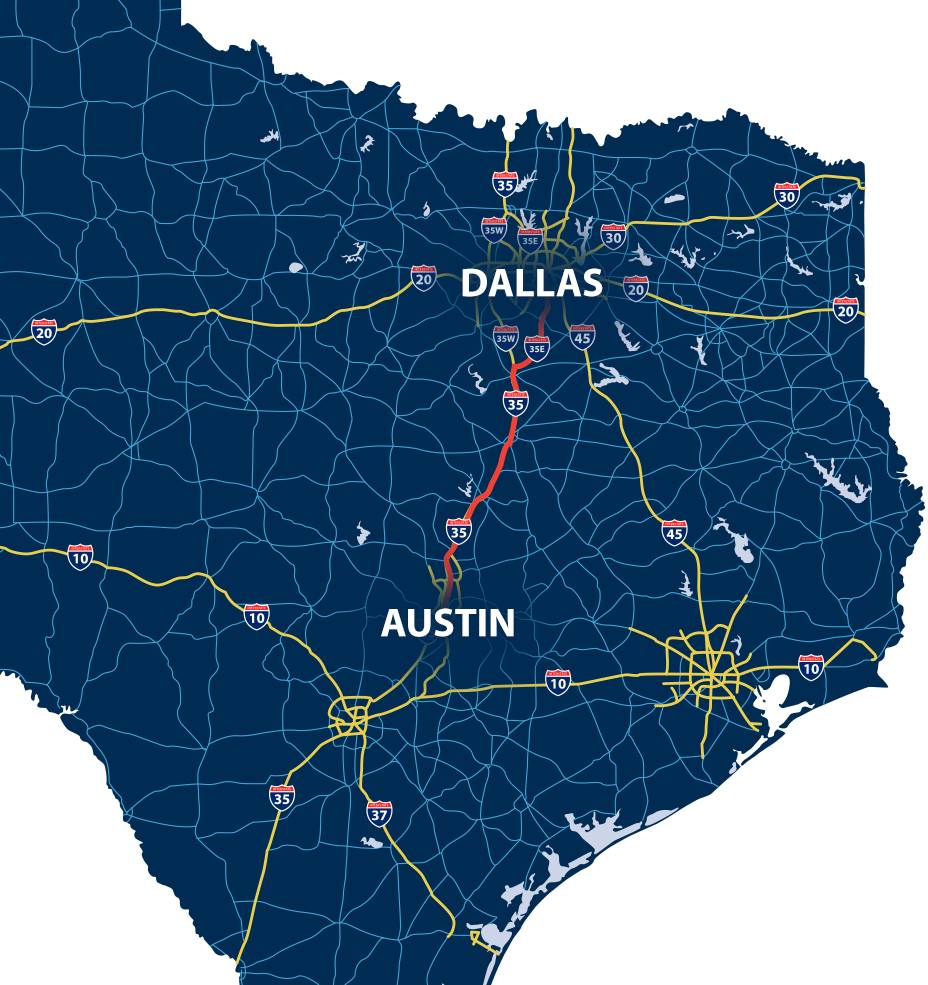
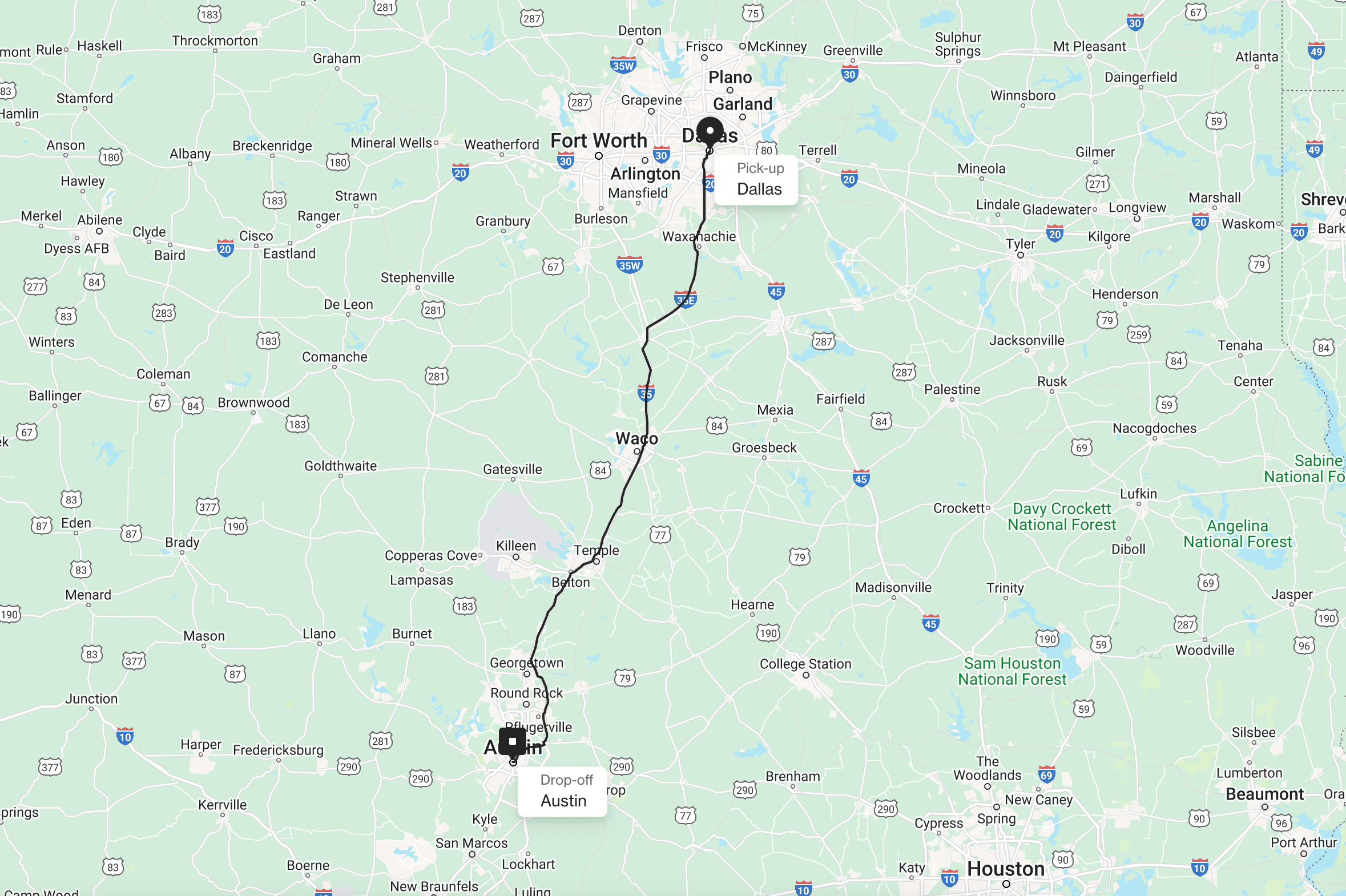
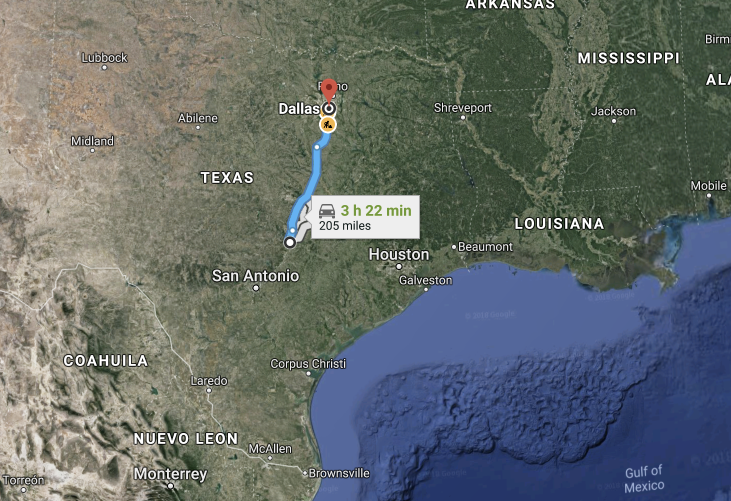
The most common and often the most flexible way to travel between Dallas and Austin is by car. The direct driving distance between Dallas and Austin is approximately 200 miles (about 322 kilometers). This figure can vary slightly depending on the exact starting and ending points within each city and the specific route taken.
The most popular and direct route is via Interstate 35E (I-35E) south from Dallas to Interstate 35 (I-35), which then continues southwest directly into Austin. This highway is well-maintained and generally offers a straightforward drive.
Estimated Driving Time
Under ideal conditions, the driving time from Dallas to Austin is typically around 3 to 3.5 hours. However, this is a crucial point for any traveler to consider: Texas traffic, especially around major metropolitan areas like Dallas and Austin, can significantly impact your travel time.
- Peak Hours: Driving during rush hour in either city can add considerable time. For Dallas, this often means the morning (7 AM-9 AM) and afternoon (4 PM-6 PM) commute on weekdays. Similarly, Austin experiences heavy traffic during these times.
- Construction and Roadwork: Texas is a state that is constantly evolving, and with that comes road construction. Unexpected delays due to roadwork can occur.
- Weather Conditions: While Texas generally enjoys pleasant weather, severe thunderstorms or occasional icy conditions in the winter can slow down traffic.
To mitigate potential delays, it’s advisable to check real-time traffic updates on navigation apps like Google Maps or Waze before you depart and periodically during your journey. Departing early in the morning or later in the evening can also help you bypass the worst of the traffic congestion.
Exploring Your Travel Options
While driving is the most popular choice, Dallas and Austin offer other convenient travel methods to suit different preferences and budgets.
Flying: The Fastest (but Less Direct) Route
For those prioritizing speed, flying is an option, though it involves more steps. Both Dallas and Austin are served by major airports. Dallas has Dallas/Fort Worth International Airport (DFW) and Dallas Love Field (DAL), while Austin is served by Austin-Bergstrom International Airport (AUS).
- Flight Time: Direct flights between Dallas airports and Austin-Bergstrom International Airport are generally short, often less than an hour.
- Total Travel Time: When factoring in travel to and from the airports, security checks, boarding, and potential flight delays, the total travel time can easily rival or even exceed the driving time, especially considering the distance between Dallas and Austin is relatively short.
- Cost: Flight prices can vary significantly based on the airline, time of booking, and season. For a journey of this distance, driving is often more economical, especially for groups or families traveling together.
Bus and Train: Budget-Friendly Alternatives
Several bus companies, such as Greyhound, operate regular routes between Dallas and Austin. These services offer a more budget-friendly way to travel and allow passengers to relax without the stress of driving. Bus journeys typically take between 3.5 to 4.5 hours, again, subject to traffic and stops.
Amtrak also offers train service connecting Dallas and Austin. The train journey is generally longer than driving or taking a bus, often taking around 5 to 6 hours. While slower, train travel can be a more comfortable and scenic experience, allowing you to enjoy the Texas landscape at a more leisurely pace. Train stations in both cities are usually located in accessible downtown areas, simplifying onward travel.
Making the Most of Your Journey and Destinations
The distance between Dallas and Austin is more than just mileage; it’s an opportunity to experience the diverse offerings of Texas. Both cities boast unique cultures, attractions, and culinary scenes that are worth exploring.
Dallas: A Metropolis of Culture and Commerce
Dallas is a sprawling metropolis renowned for its dynamic business environment, world-class arts and culture scene, and a rich history rooted in the oil and cattle industries.
- Landmarks and Attractions: Visitors can immerse themselves in history at the Sixth Floor Museum at Dealey Plaza, which chronicles the assassination of President John F. Kennedy. Art enthusiasts will find paradise at the Dallas Museum of Art and the Nasher Sculpture Center. For a taste of Texas spirit, a visit to the Dallas Arts District or the Perot Museum of Nature and Science offers engaging experiences. The iconic Reunion Tower provides panoramic views of the cityscape.
- Culinary Scene: Dallas is a foodie’s dream, offering everything from authentic Tex-Mex to upscale dining. It’s particularly famous for its barbecue and steakhouse offerings.
- Accommodation: Dallas offers a wide array of accommodation options, from luxurious resorts like the Ritz-Carlton, Dallas, to boutique hotels and budget-friendly motels. Whether you’re looking for a downtown suite or a family-friendly apartment, you’ll find it here.
Austin: The Live Music Capital of the World
Austin, in contrast to Dallas, pulsates with a unique, bohemian vibe. Known as the “Live Music Capital of the World,” it’s a city that embraces its quirky character, progressive politics, and, of course, its vibrant music scene.
- Landmarks and Attractions: The most iconic landmark is the Texas State Capitol building, a stunning piece of architecture offering free tours. Barton Creek Greenbelt and Zilker Park provide oases of nature within the city, perfect for outdoor activities. South Congress Avenue (SoCo) is a must-visit for its eclectic shops, vintage boutiques, and street performers. At dusk, witness the spectacle of the Congress Avenue Bridge bats, a natural phenomenon that draws crowds.
- Culinary Scene: Austin is a haven for food trucks and casual eateries, famous for its breakfast tacos, barbecue, and innovative culinary creations. The city’s food scene is as diverse and lively as its music scene.
- Accommodation: Austin offers a diverse range of accommodations. You can find luxury hotels such as the Four Seasons Hotel Austin, trendy boutique hotels in the downtown area, or charming bed and breakfasts. For longer stays, apartments and villas are also readily available.
Planning Your Texas Road Trip
When planning your journey between Dallas and Austin, consider how the distance and travel time fit into your overall Texas travel plans.
Integrating Stops Along the Way
The 200-mile stretch between Dallas and Austin offers opportunities for interesting stops.
- Waco: Located roughly halfway between the two cities, Waco has gained significant popularity thanks to the “Fixer Upper” show. Visitors can explore the Magnolia Market at the Silos, a charming shopping and dining destination. Waco also boasts the Dr Pepper Museum and the Texas Ranger Hall of Fame and Museum, offering a blend of history and pop culture.
- Smaller Towns: Dotted along I-35 are numerous smaller towns that offer a glimpse into rural Texas life. These can be great for a quick lunch break or to discover local antique shops.
Choosing Your Accommodation and Activities
Your choice of accommodation in Dallas or Austin will greatly influence your experience.
- Luxury Travel: In Dallas, consider staying at a five-star hotel in the Uptown district for access to high-end shopping and dining. In Austin, the Hotel San José on South Congress offers a chic, boutique experience.
- Budget Travel: Hostels and budget-friendly hotels are available in both cities. Consider areas slightly outside the immediate downtown core for more affordable options.
- Family Trips: Resorts with pools and family-friendly activities are abundant in Dallas. In Austin, consider vacation rentals in quieter neighborhoods for a more relaxed family stay.
- Business Stays: Both cities have excellent business hotels and serviced apartments, offering amenities like meeting rooms and high-speed internet.
Whether you choose to drive, fly, or take a bus, the journey from Dallas to Austin is a gateway to experiencing the diverse and captivating spirit of Texas. Understanding the distance is just the beginning of an exciting adventure that awaits.
LifeOutOfTheBox is a participant in the Amazon Services LLC Associates Program, an affiliate advertising program designed to provide a means for sites to earn advertising fees by advertising and linking to Amazon.com. Amazon, the Amazon logo, AmazonSupply, and the AmazonSupply logo are trademarks of Amazon.com, Inc. or its affiliates. As an Amazon Associate we earn affiliate commissions from qualifying purchases.