
The allure of the Rocky Mountains beckons, and for many travelers, the twin stars of exploration in this magnificent region are Denver and Boulder, Colorado. These two vibrant cities, while distinct in their character and offerings, are geographically close, making it incredibly easy for visitors to experience the best of both worlds. Understanding the distance between them is crucial for planning an efficient and enjoyable itinerary, whether you’re seeking urban sophistication, outdoor adventure, or a taste of authentic Colorado lifestyle.
This guide aims to demystify the journey between these two beloved destinations. We’ll delve into the precise mileage, explore the most common and scenic travel routes, and discuss the various transportation options available to get you from the Mile High City to the Gateway to the Rockies. Furthermore, we’ll touch upon the unique attractions that define each city, highlighting why combining a visit to both is a highly recommended travel strategy for anyone looking to immerse themselves in the diverse tapestry of Colorado. From the bustling heart of a major metropolitan hub to the laid-back, nature-infused spirit of a university town, the short distance between Denver and Boulder unlocks a wealth of experiences.
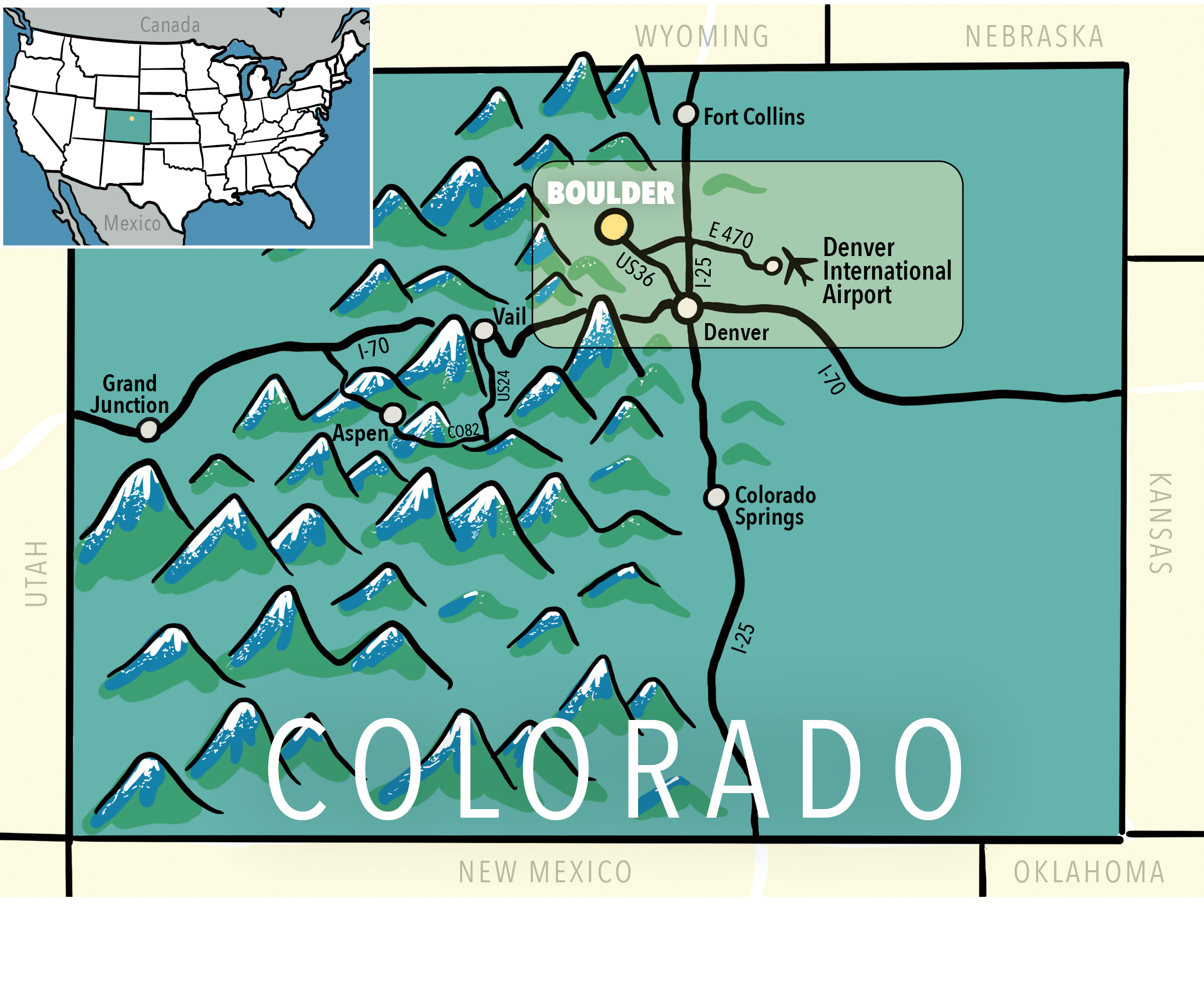
The Direct Distance and Travel Time
The most direct and commonly cited distance between Denver and Boulder is approximately 25 to 30 miles, depending on your exact starting and ending points within each city. This relatively short span translates to a manageable travel time, typically ranging from 30 to 45 minutes by car under normal traffic conditions.
It’s important to note that “normal traffic conditions” can be a significant variable in the greater Denver metropolitan area. During peak commuting hours, especially on weekdays, traffic on major arteries like US Highway 36 can slow down considerably. This can extend the travel time by an additional 10 to 20 minutes or more. Therefore, if you’re aiming for a precise arrival time, it’s always wise to factor in potential delays, particularly if your journey coincides with morning or evening rush hours.
Understanding the Route: US Highway 36
The primary artery connecting Denver and Boulder is US Highway 36, also known as the Boulder Turnpike. This modern, well-maintained highway is designed for efficient travel between the two cities. It offers multiple lanes in each direction and is largely free of traffic lights, facilitating a smooth flow of vehicles.
The journey along US Highway 36 offers glimpses of the changing landscape. As you leave the urban sprawl of Denver, you’ll transition through suburban areas before the more open plains begin to dominate the scenery. As you approach Boulder, the majestic Flatirons will begin to loom larger, signaling your arrival at the foothills of the Rocky Mountains. This visual transition is part of the charm of the drive, offering a subtle yet profound introduction to Boulder‘s unique natural setting.
While US Highway 36 is the most direct route, alternative paths exist, though they are generally longer and more scenic. These might involve county roads that wind through smaller communities or offer slightly different perspectives of the landscape. However, for the vast majority of travelers, sticking to US Highway 36 is the most practical and time-efficient choice.
Transportation Options for Your Journey
Choosing the right mode of transportation between Denver and Boulder depends on your priorities, budget, and desired level of flexibility. Fortunately, there are several convenient and well-established options available to suit diverse travel styles.
Driving Yourself: Flexibility and Convenience
Renting a car or using your own vehicle offers the ultimate in flexibility and convenience. This is particularly advantageous if you plan to explore extensively in both Denver and Boulder, including day trips to nearby attractions like Rocky Mountain National Park or the charming mountain towns of Estes Park or Golden.
Driving allows you to set your own schedule, stop for spontaneous photos, and easily access trailheads or off-the-beaten-path dining spots. Parking can be a consideration in both cities, especially in downtown Boulder, where paid parking garages and street meters are common. However, many hotels in both locations offer parking, and Boulder has invested in extensive bicycle infrastructure, making it easy to navigate the city once you’ve arrived.
Public Transportation: Eco-Friendly and Economical
For those looking for a more sustainable and budget-friendly option, the public transportation system connecting Denver and Boulder is remarkably robust. The Regional Transportation District (RTD) operates several bus routes that serve this corridor, the most prominent being the AB and B routes.

These RTD buses are modern, comfortable, and offer Wi-Fi, allowing you to catch up on work or simply relax during the commute. The AB route runs from Denver International Airport directly to Boulder, making it an excellent option for international or domestic arrivals who wish to bypass Denver proper. The B route connects various points within Denver to Boulder.
Riding the bus eliminates the stress of driving in traffic and searching for parking. It’s also a great way to experience the local commute and get a feel for the region. The frequency of these routes is generally high, ensuring you won’t have to wait long for your next departure.
Ride-Sharing Services: Door-to-Door Convenience
Ride-sharing services like Uber and Lyft are readily available in both Denver and Boulder. These services offer a convenient door-to-door experience, similar to a taxi but often at a more competitive price.
Using a ride-sharing app allows you to book a car from your exact location to your desired destination without the need to navigate public transport schedules or find parking. This option can be particularly appealing if you are traveling with luggage, have a late-night arrival, or prefer the privacy of a dedicated vehicle. While generally more expensive than public transport, it offers a good balance between cost and convenience, especially for groups or those with specific time constraints.
Experiencing the Distinct Charms of Denver and Boulder
The short distance between Denver and Boulder is a gateway to experiencing two vastly different, yet complementary, facets of Colorado. Each city boasts its own unique identity, attractions, and lifestyle, making a combined visit incredibly rewarding.
Denver: The Mile High City’s Urban Sophistication
Denver, as the state capital and largest city in Colorado, offers a dynamic urban experience. Known as the “Mile High City” for its elevation, it’s a hub for arts, culture, dining, and professional sports.
Key attractions in Denver include:
- The Denver Art Museum: Home to an extensive collection spanning global art, with a notable focus on Native American art.
- Confluence Park: Where the Cherry Creek and South Platte Rivers meet, offering urban green space, recreational activities, and stunning city views.
- 16th Street Mall: A pedestrian promenade lined with shops, restaurants, and free shuttle buses.
- Denver Museum of Nature & Science: An engaging institution for all ages, featuring exhibits on space, geology, wildlife, and more.
- LoDo (Lower Downtown): A historic district brimming with Victorian architecture, trendy boutiques, and a vibrant nightlife scene, home to landmarks like Union Station.
- Red Rocks Park and Amphitheatre: A world-renowned natural amphitheater set amidst stunning geological formations, offering breathtaking views and a unique concert venue.
Denver also offers a sophisticated culinary scene, from fine dining establishments to diverse ethnic eateries. Its numerous hotels, from luxury resorts to boutique inns, cater to every preference and budget, making it an ideal base for exploring the wider region.
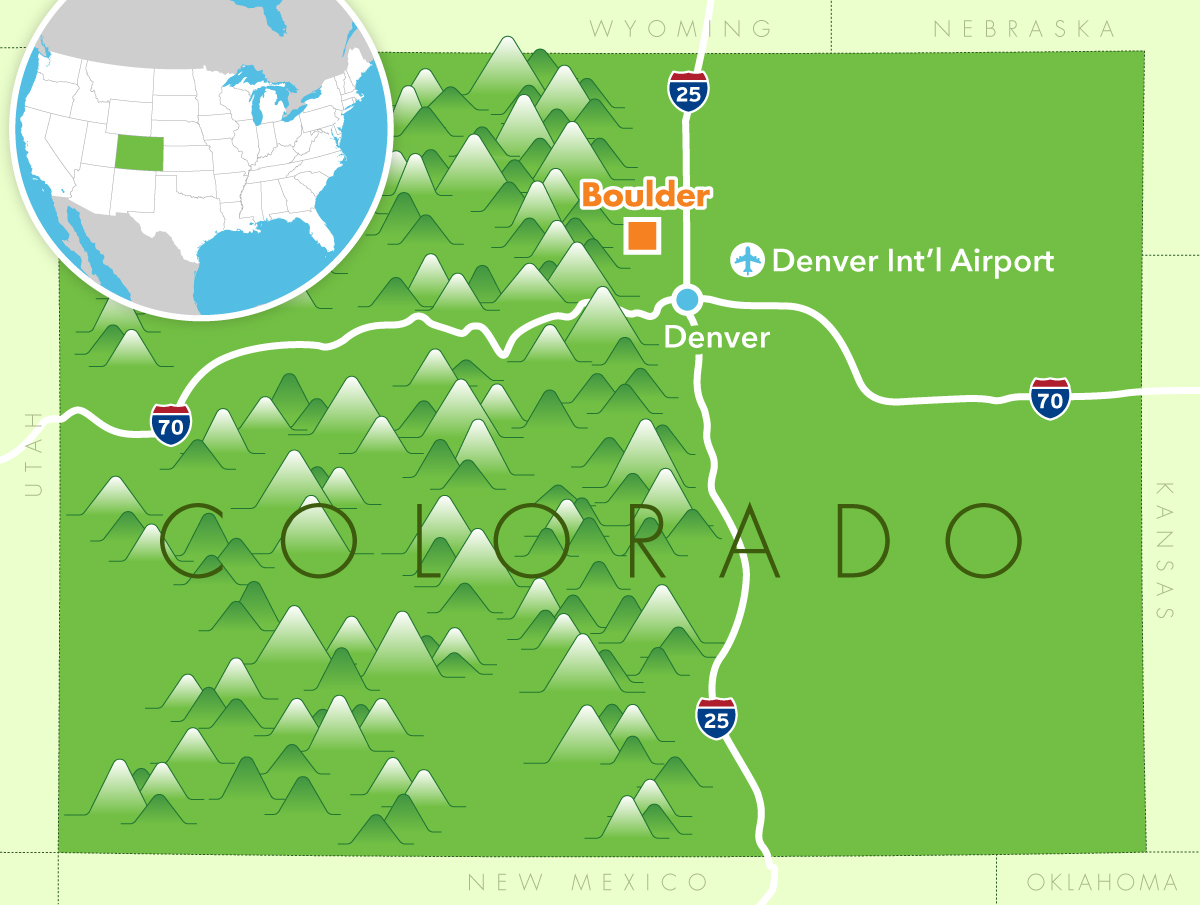
Boulder: The Gateway to Outdoor Adventure and Bohemian Charm
Boulder, nestled at the base of the Rocky Mountains, is a vibrant university town renowned for its laid-back atmosphere, commitment to healthy living, and unparalleled access to outdoor recreation. It exudes a bohemian charm and a deep connection to nature.
Key attractions and experiences in Boulder include:
- Pearl Street Mall: A lively pedestrian mall in downtown Boulder, famous for its street performers, unique shops, and diverse restaurants.
- The Flatirons: These iconic rock formations are a symbol of Boulder and offer a multitude of hiking and climbing opportunities. Trails like the Chautauqua Trail provide stunning panoramic views.
- University of Colorado Boulder: The picturesque campus is worth exploring, with its beautiful architecture and stunning mountain backdrops.
- Eldorado Canyon State Park: A premier destination for rock climbing, but also offers scenic hiking trails with dramatic canyon vistas.
- Boulder Reservoir: A popular spot for water sports, fishing, and picnicking, offering a refreshing escape from the city.
- Celestial Seasonings Tea Factory: Take a tour and learn about the unique process of creating their famous teas, with complimentary tastings.
Boulder is a haven for outdoor enthusiasts, offering endless opportunities for hiking, biking, climbing, and exploring the natural beauty of the surrounding area. The city’s commitment to sustainability and well-being is evident in its abundant farmers’ markets, organic eateries, and active lifestyle. Accommodation in Boulder ranges from charming inns to modern hotels, many of which are strategically located to facilitate easy access to both the downtown area and the natural landscapes.
In conclusion, the question “How Far Is Denver, Colorado From Boulder, Colorado?” is answered with a short and accessible distance. This proximity allows travelers to seamlessly weave together the urban excitement of Denver with the natural splendor and laid-back vibe of Boulder, creating a rich and unforgettable Colorado adventure. Whether you prefer the convenience of a rental car, the eco-friendliness of public transport, or the ease of ride-sharing, reaching Boulder from Denver is a straightforward journey that opens up a world of diverse experiences.
LifeOutOfTheBox is a participant in the Amazon Services LLC Associates Program, an affiliate advertising program designed to provide a means for sites to earn advertising fees by advertising and linking to Amazon.com. Amazon, the Amazon logo, AmazonSupply, and the AmazonSupply logo are trademarks of Amazon.com, Inc. or its affiliates. As an Amazon Associate we earn affiliate commissions from qualifying purchases.