
The question of “how far is Detroit from Chicago?” might seem straightforward, but it opens the door to a fascinating exploration of travel, culture, and the vibrant tapestry of the American Midwest. These two iconic cities, anchors of Michigan and Illinois respectively, offer distinct yet equally compelling experiences for every type of traveler. Whether you’re planning a business trip, a family vacation, a romantic getaway, or a solo adventure, understanding the journey between them—and what awaits at each destination—is key to a truly memorable experience.
At its core, the distance between Detroit and Chicago is approximately 280-285 miles (450-460 kilometers), depending on the specific route taken. This makes for a manageable road trip, a convenient train ride, or a quick flight. However, the true “distance” isn’t just measured in miles or hours; it’s also about the cultural nuances, historical narratives, and modern attractions that define each city and the landscape in between. From world-class museums and architectural marvels to innovative culinary scenes and lively entertainment districts, the journey from Detroit to Chicago, or vice-versa, is an adventure in itself.
The Journey Between Two Great Lakes Metropolises
Connecting Detroit and Chicago is a well-trodden path, utilized by millions each year for both business and leisure. The modes of transportation available cater to various preferences, budgets, and schedules, making the trip accessible to almost anyone.
Understanding the Distance and Drive Time
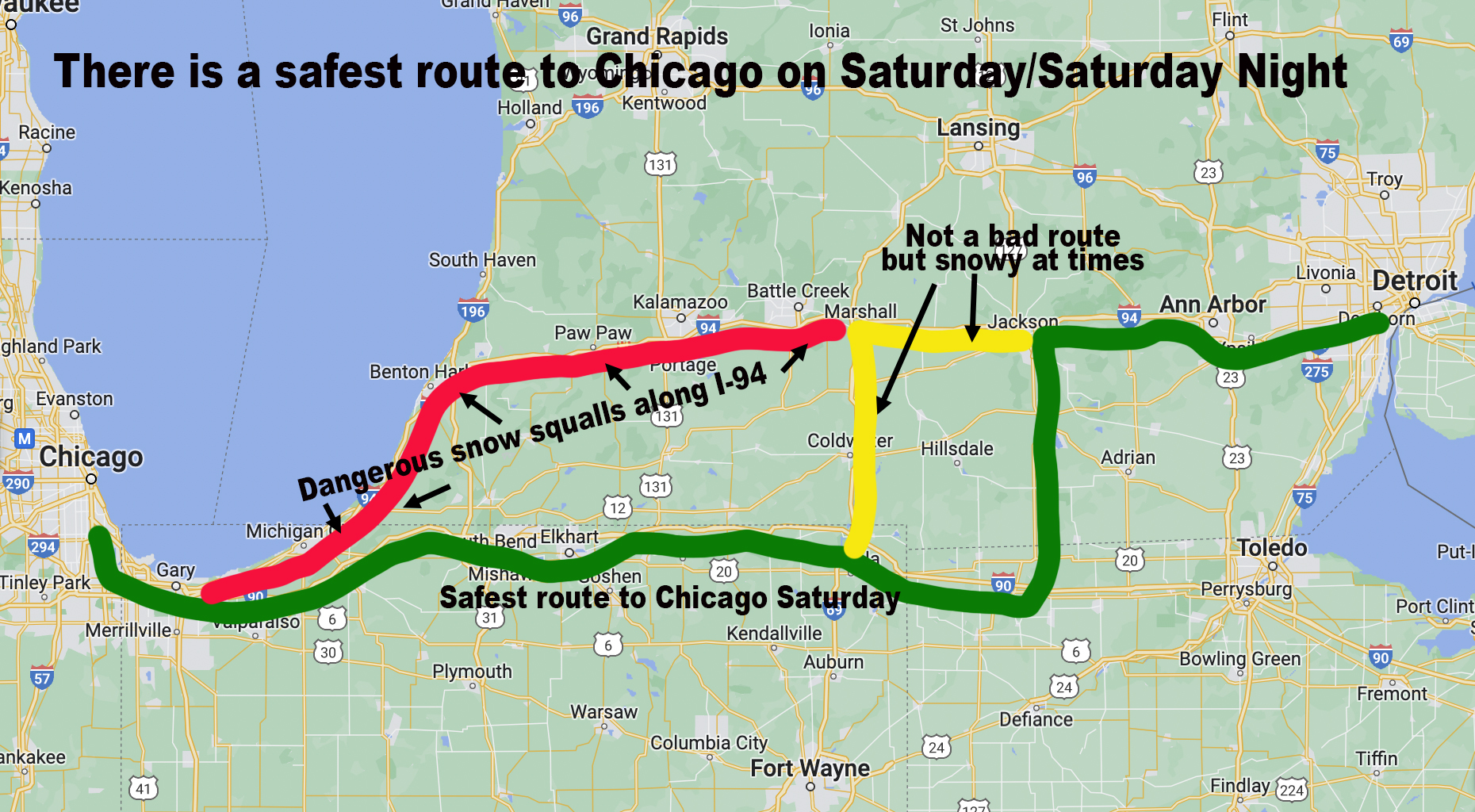
For many, the most common way to travel between Detroit and Chicago is by car. The drive typically takes between 4.5 to 5 hours under ideal conditions, without significant traffic or extended stops. The primary route involves traversing Interstate 94 (I-94), a major highway that directly links the two cities. This route passes through southern Michigan and northern Indiana, offering glimpses of the diverse landscape that characterizes the Midwest.
Factors that can influence drive time include:
- Traffic: Both cities, especially Chicago, are known for heavy rush-hour traffic. Departing early in the morning or late in the evening can help avoid significant delays.
- Road Construction: The I-94 corridor is frequently undergoing improvements, which can lead to lane closures and slower speeds.
- Weather Conditions: Winters in the Great Lakes region can bring snow and ice, significantly impacting travel times and making driving conditions hazardous. Summers can also see heavy thunderstorms.
- Stops: Planning for fuel, food, or rest stops will naturally extend the journey.
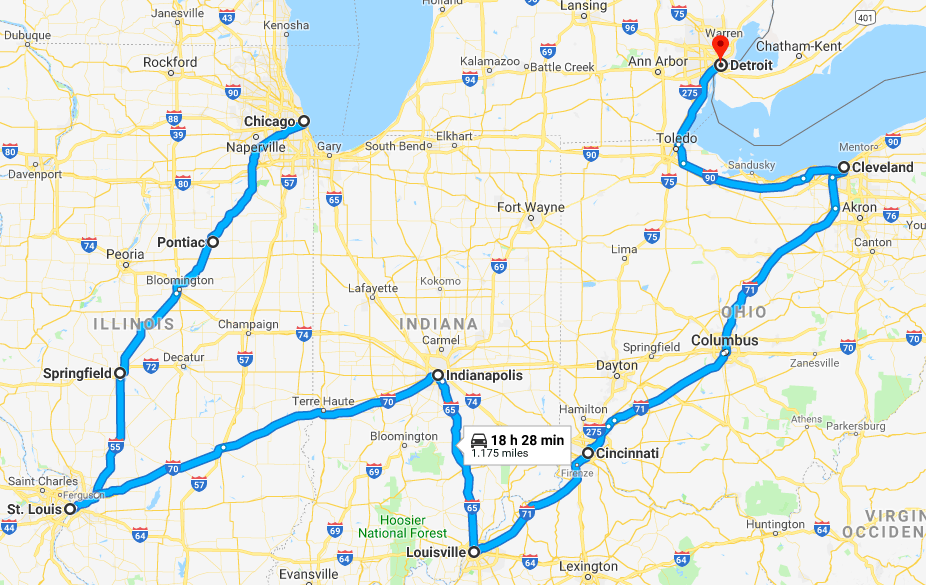
For those who enjoy the freedom of the open road, a drive allows for flexibility and the potential for spontaneous detours, transforming a simple transit into a richer travel experience.
Exploring Different Transportation Modes
Beyond driving, several other options exist for traveling between these two Midwest hubs, each with its unique advantages.
Driving: The Most Flexible Option
As mentioned, driving offers unparalleled flexibility. It’s ideal for those traveling with family, carrying significant luggage, or planning to explore destinations outside the city centers. Renting a car is a viable option for those without their own vehicle, with numerous agencies available at both Detroit Metropolitan Wayne County Airport (DTW) and Chicago’s O’Hare International Airport (ORD) or Midway International Airport (MDW), as well as downtown locations. This flexibility also extends to accommodating specific lifestyle choices, such as budget travel (splitting gas costs) or luxury travel (choosing a premium vehicle).
Train Travel: A Scenic Alternative
Amtrak provides regular train service between Detroit and Chicago on its Wolverine and Blue Water lines. The train journey typically takes between 5.5 to 7 hours, making it slightly longer than driving. However, train travel offers a comfortable and stress-free experience, allowing passengers to relax, work, or enjoy the passing scenery without the worries of traffic or navigation. Amenities often include Wi-Fi, dining cars, and spacious seating. It’s an excellent choice for those seeking a more leisurely pace or for business travelers who need to stay productive en route. The arrival and departure points are conveniently located downtown in both cities, reducing the need for additional transfers to reach central hotels or attractions.
Bus Services: Budget-Friendly and Convenient
For travelers on a budget, intercity bus services like Greyhound offer an economical way to get from Detroit to Chicago. Bus journeys typically range from 6 to 8 hours, including stops. While slower, buses are generally the most affordable option, making them popular among students, backpackers, and those looking to save on transportation costs. Modern buses often come equipped with Wi-Fi, power outlets, and comfortable seating, providing a decent travel experience for the price. Like trains, bus stations are usually centrally located, offering easy access to urban amenities.
Flying: For Speed and Long-Distance Connections
While both cities have major airports, flying between Detroit (DTW) and Chicago (ORD or MDW) is generally not the most efficient option for direct city-to-city travel unless connecting to a longer journey. The actual flight time is very short, often under an hour. However, when you factor in travel to and from airports, security checks, and boarding times, the total door-to-door travel time can easily exceed 4-5 hours, similar to driving. It becomes a viable choice for business travelers on tight schedules, or for those whose itinerary already involves flying into one of these hubs from a distant location. Airlines like Delta, American, and United offer multiple daily flights.
What to See and Do Along the Way and in Each City
The journey between Detroit and Chicago is more than just covering miles; it’s an opportunity to immerse yourself in the rich culture and history of the Midwest. Both cities are premier destinations offering a wealth of attractions, activities, and culinary delights.
Iconic Landmarks and Attractions in Chicago
Chicago, the “Windy City,” is a global metropolis renowned for its stunning architecture, vibrant arts scene, and incredible food. A visit here promises an unforgettable experience for families, luxury travelers, and budget explorers alike.
Art and Culture Hubs
Start your cultural immersion at the Art Institute of Chicago, home to an expansive collection spanning centuries and continents. For natural history enthusiasts, the Field Museum offers fascinating exhibits, while the Shedd Aquarium provides an aquatic adventure for all ages. These institutions are located near the scenic Museum Campus, offering breathtaking views of Lake Michigan.
Architectural Wonders
Chicago’s skyline is a testament to architectural innovation. Take an architectural boat tour along the Chicago River to appreciate the city’s iconic buildings. Don’t miss the chance to visit Millennium Park, where you can marvel at Cloud Gate, affectionately known as “The Bean.” For unparalleled panoramic views, ascend to the Skydeck at the Willis Tower (formerly Sears Tower), or the 360 Chicago Observation Deck at the John Hancock Center. The bustling Navy Pier offers family-friendly entertainment, including rides, restaurants, and boat cruises, while the Magnificent Mile caters to luxury shoppers and diners.
Culinary Experiences
No trip to Chicago is complete without indulging in its legendary Deep Dish Pizza. Explore diverse neighborhoods like Fulton Market for trendy eateries or Chinatown for authentic Asian cuisine. The city’s food scene ranges from Michelin-starred restaurants to vibrant street food, catering to every palate and budget.
Discovering the Resurgence of Detroit
Detroit, the “Motor City,” is a city of remarkable resilience and innovation. It’s a destination rich in history, a burgeoning arts and culture scene, and a testament to American ingenuity.
Historic Sites and Innovation
Delve into the city’s automotive legacy at The Henry Ford Museum of American Innovation and Greenfield Village in nearby Dearborn. These sprawling complexes offer immersive experiences detailing America’s industrial prowess and historical milestones. A visit to the Motown Museum, Hitsville U.S.A., is essential for music lovers, offering a nostalgic look at the birthplace of a revolutionary sound.
Vibrant Arts and Music Scene
The Detroit Institute of Arts (DIA) boasts an impressive collection, including Diego Rivera’s iconic Detroit Industry Murals. Explore vibrant neighborhoods like Corktown, Midtown, and Eastern Market, which are brimming with independent shops, art galleries, and diverse culinary offerings. The city’s live music scene, a legacy of its Motown roots, continues to thrive with venues showcasing everything from jazz to techno.
Green Spaces and Riverfront Activities
Enjoy the outdoors along the revitalized Detroit Riverwalk, offering stunning views of the Detroit River and across to Canada. Belle Isle Park, a large island park designed by Frederick Law Olmsted, provides a tranquil escape with an aquarium, conservatory, and beautiful natural areas.
Potential Stops for a Road Trip
If you choose to drive, the route along I-94 offers several interesting towns worth a brief stop to break up the journey and experience more of the Midwest.
Exploring South Bend, Indiana
Located about halfway between Detroit and Chicago, South Bend, Indiana, is most famous as the home of the University of Notre Dame. A quick detour allows you to see the stunning campus, including the iconic Golden Dome and the Basilica of the Sacred Heart. The city also offers a growing downtown area with local eateries and cultural attractions.
The Charm of Kalamazoo, Michigan
Closer to Detroit, Kalamazoo, Michigan, presents a delightful stop. Known for its craft beer scene, numerous breweries offer tours and tastings. The Gilmore Car Museum, a short drive from Kalamazoo, is a must-see for auto enthusiasts, showcasing an incredible collection of vintage vehicles. The city also boasts beautiful parks and a pedestrian-friendly downtown.
Accommodation and Lifestyle Choices for Your Trip
Both Detroit and Chicago offer a wide spectrum of accommodation options, catering to various travel styles, budgets, and preferences. Whether you’re seeking opulent luxury, family-friendly resorts, or budget-conscious stays, you’ll find plenty of choices.
Finding the Perfect Stay in Chicago
Chicago’s hospitality scene is as diverse as its population, ranging from historic grand hotels to modern boutique establishments.
Luxury Hotels and Boutique Stays
For those indulging in luxury travel, Chicago does not disappoint. Hotels like the Peninsula Chicago, Four Seasons Chicago, and the Waldorf Astoria Chicago offer impeccable service, exquisite amenities, and prime locations, often along the Magnificent Mile or overlooking Lake Michigan. Boutique options such as the Hyatt Park Chicago or the Thompson Chicago provide unique character and personalized experiences, often with trendy dining and vibrant social scenes. These establishments are perfect for business stays, romantic getaways, or travelers seeking a premium experience.
Budget-Friendly Options and Vacation Rentals
Travelers on a budget will find numerous reputable hotel chains outside the immediate downtown core, accessible via Chicago’s excellent public transportation system. Hostels like the HI Chicago Hostel offer affordable dormitory-style accommodations and a chance to meet fellow travelers. Vacation rentals through platforms like Airbnb are also popular, especially for families or long-term stays, providing more space and the flexibility of self-catering. Neighborhoods like Wicker Park, Lincoln Park, and River North offer a variety of choices.
Where to Rest Your Head in Detroit
Detroit’s accommodation landscape reflects its resurgence, blending historic grandeur with modern design and comfort.
Historic Hotels and Modern Comforts
The city boasts several beautifully restored historic hotels that speak to its rich past, such as the Detroit Marriott at the Renaissance Center, a landmark within the iconic Renaissance Center complex, offering stunning river and city views. For a more boutique and trendy experience, The Shinola Hotel in downtown Detroit provides luxury amenities and a distinct Detroit aesthetic. Other options like the Detroit Club or Trumbull and Porter in Corktown offer unique charm and local flavor.
Unique Accommodation Experiences
Beyond traditional hotels, Detroit also offers a growing number of stylish apartment-hotels and boutique guesthouses, perfect for longer stays or those seeking a more residential feel. These options often provide insights into local culture and community, aligning with a desire for authentic travel experiences. Many hotels in Detroit are also actively involved in the city’s revitalization efforts, offering guests a chance to be part of its vibrant future.
Tailoring Your Trip: From Business to Family Adventures
When planning your trip between Detroit and Chicago, consider your travel goals and lifestyle preferences.
- Business Stays: Both cities have excellent conference facilities and business-friendly hotels with amenities like meeting rooms, high-speed internet, and executive lounges. Proximity to downtown business districts is often a priority.
- Family Trips: Look for hotels with pools, kids’ clubs, or family suites. Attractions in both cities, like Chicago’s Shedd Aquarium or Detroit’s Henry Ford Museum, are highly family-friendly.
- Luxury Travel: Seek out five-star hotels, gourmet dining experiences, and personalized concierge services. Both cities offer exclusive shopping districts and high-end entertainment.
- Budget Travel: Prioritize hostels, economy hotels, and free attractions. Utilize public transport and seek out local markets for affordable food options.
- Long-term Stay: Consider serviced apartments or vacation rentals for extended visits, offering home-like conveniences.
Planning Your Midwest Itinerary: Tips and Considerations
A well-planned itinerary can significantly enhance your travel experience between Detroit and Chicago. Thinking about the best time to visit, how to manage your budget, and local transportation will ensure a smooth and enjoyable journey.
Best Time to Visit
The Midwest experiences four distinct seasons, each offering a different appeal:
- Summer (June-August): Warm weather makes it ideal for outdoor activities, festivals, and enjoying the Great Lakes shoreline. However, it’s also peak tourist season, meaning higher prices and larger crowds.
- Fall (September-November): Crisp air, beautiful foliage, and comfortable temperatures make autumn a fantastic time to visit. Tourist numbers begin to decline, offering a more relaxed experience.
- Spring (April-May): As the weather warms, cities come alive with blooming flowers and reopening outdoor attractions. It’s a pleasant time to visit before the summer rush.
- Winter (December-March): While cold and snowy, winter offers unique experiences like ice skating in Millennium Park or cozying up in warm cafes. Prices for flights and hotels can be lower during this off-peak season.
Consider weather conditions, especially if driving, and check local event calendars for festivals, concerts, or sports events that might coincide with your trip.
Budgeting and Travel Styles
Your budget will heavily influence your travel style and choices.
- Luxury Travel: Expect to spend on high-end hotels, fine dining, private tours, and premium transportation.
- Mid-Range Travel: A balance of comfortable accommodations, diverse dining, and a mix of paid and free attractions.
- Budget Travel: Focus on hostels or budget hotels, public transportation, cooking some of your meals, and enjoying free cultural experiences.
Both Detroit and Chicago cater to all these styles. Utilize resources like hotel comparison websites and attraction passes to maximize value.
Navigating Local Transportation
Once you arrive in either Detroit or Chicago, understanding local transportation is crucial.
- Chicago: Boasts an extensive public transportation system, including the “L” train (elevated and subway lines) and bus network, making it easy to get around without a car. Ventra cards provide convenient access. Walking is also popular, especially in dense downtown areas and along Lake Shore Drive.
- Detroit: While improving, Detroit’s public transit is less comprehensive than Chicago’s. The QLine streetcar serves the main corridor along Woodward Avenue downtown. Ride-sharing services (Uber/Lyft) and taxis are readily available. For exploring beyond the downtown core, a car might be more convenient.
In conclusion, the distance from Detroit to Chicago is easily conquerable, making a trip between these two Midwest powerhouses highly accessible. Whether you choose the efficiency of driving, the relaxation of a train, or the budget-friendliness of a bus, the journey itself is just the beginning of an enriching experience. Each city offers a unique blend of history, culture, innovation, and entertainment, promising a memorable visit tailored to any traveler’s preferences and lifestyle. From the automotive heritage of Detroit to the architectural grandeur of Chicago, the heart of America beats strongly across these Great Lakes metropolises.
LifeOutOfTheBox is a participant in the Amazon Services LLC Associates Program, an affiliate advertising program designed to provide a means for sites to earn advertising fees by advertising and linking to Amazon.com. Amazon, the Amazon logo, AmazonSupply, and the AmazonSupply logo are trademarks of Amazon.com, Inc. or its affiliates. As an Amazon Associate we earn affiliate commissions from qualifying purchases.