
Florida, often dubbed the Sunshine State, is a mosaic of vibrant cities, stunning beaches, and world-renowned attractions. Among its many gems, Fort Lauderdale on the Atlantic Ocean coast and Orlando in the heart of Central Florida stand out as two distinct yet equally captivating destinations. Whether you’re planning a multi-city vacation, a business trip, or simply curious about the logistics of traversing this beautiful state, understanding the journey between these two hubs is key.
This comprehensive guide delves into the distance, travel times, transportation options, and what to expect when traveling from the “Venice of America” to the “Theme Park Capital of the World.” We’ll explore everything from efficient routes and scenic detours to accommodation choices and lifestyle considerations, ensuring your journey is as smooth and enjoyable as your stay.
Understanding the Distance and Travel Time
The question “How far is Fort Lauderdale, Florida to Orlando, Florida?” is fundamental for any travel planning. While direct distance is important, practical travel time often hinges on the chosen mode of transport, traffic conditions, and specific departure and arrival points within each city.
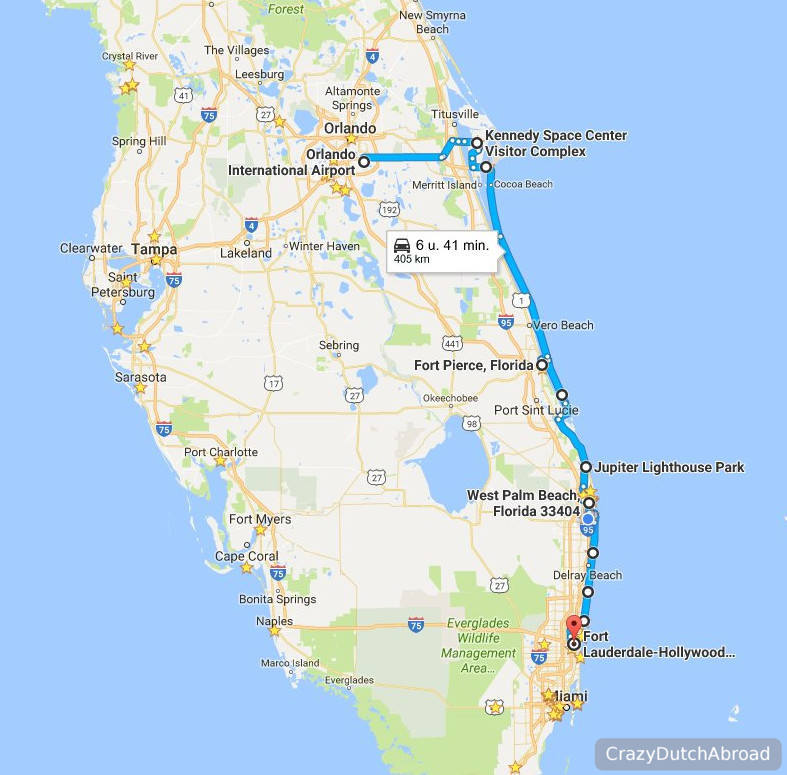
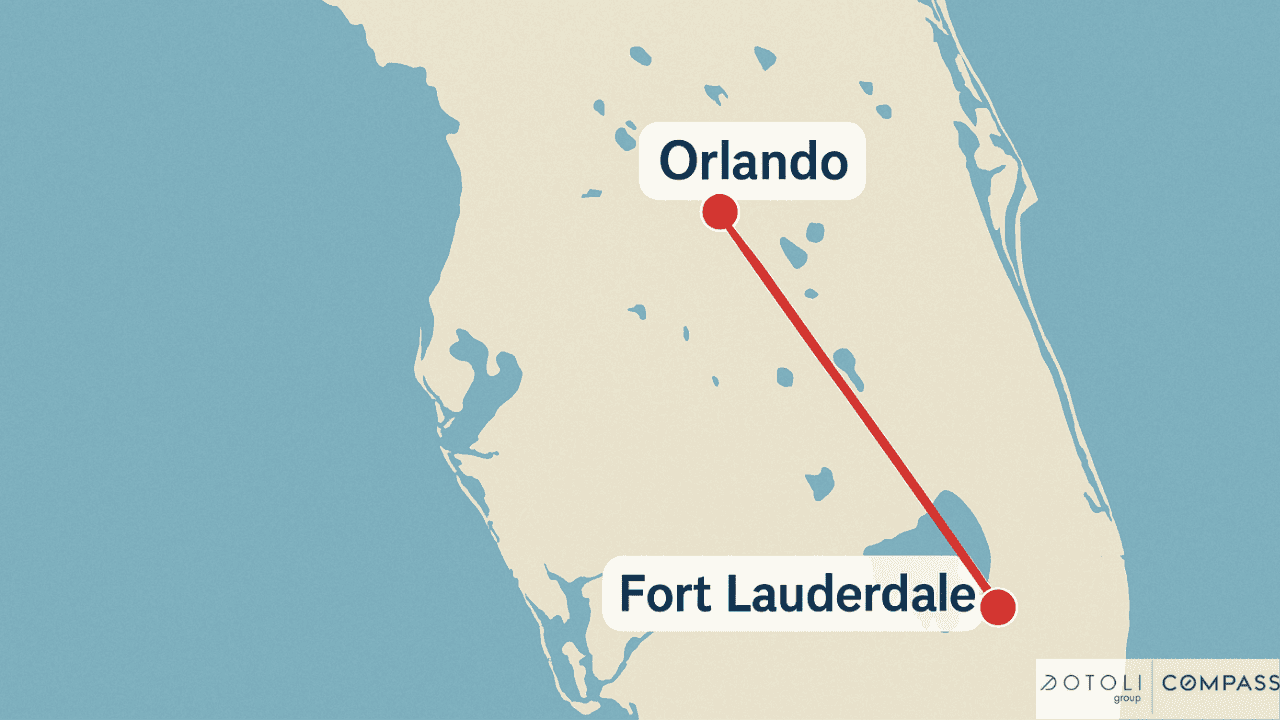
The approximate driving distance between downtown Fort Lauderdale and downtown Orlando is roughly 190 to 200 miles (305 to 320 kilometers). This distance can vary slightly depending on the exact starting and ending points and the specific route taken.
Driving: The Most Popular Route
For many travelers, driving offers the most flexibility and is often the preferred method of transport between Fort Lauderdale and Orlando. The journey typically takes between 3 to 3.5 hours under ideal traffic conditions. However, during peak travel times, holidays, or due to unexpected roadwork, this can easily extend to 4 hours or more.
There are two primary routes drivers typically take:
- Florida’s Turnpike (SR 91): This is generally the most direct and fastest route. It’s a tolled road that bypasses many smaller towns, offering a smoother, less congested drive. From Fort Lauderdale, you’ll head north on the Turnpike straight into the Orlando area. Toll costs can add up, so it’s advisable to have a SunPass or be prepared for cash/credit card payments at tolls.
- Interstate 95 (I-95) to Florida State Road 528 (Beachline Expressway): This route involves taking I-95 north from Fort Lauderdale along the coast for a significant portion of the journey, then cutting inland on SR 528 (a tolled road) towards Orlando. While potentially more scenic in parts, especially near the coast, it can be slightly longer in duration and prone to more traffic, particularly closer to coastal cities.
Driving offers the advantage of spontaneous stops, allowing you to explore charming small towns, grab a bite, or simply stretch your legs. Car rental agencies are plentiful in both cities and at their respective airports, offering a range of vehicles to suit various needs and budgets, from compact cars for solo travelers to spacious SUVs for families.
Public Transportation Options
While driving offers flexibility, public transportation provides a stress-free alternative, especially for those who prefer to sit back and enjoy the ride without the hassle of navigation or parking.
-
Rail Services:
- Brightline: This high-speed intercity rail service offers a convenient and comfortable connection between South Florida and Orlando. With stations in Fort Lauderdale and directly at Orlando International Airport (MCO), Brightline significantly reduces travel time, typically completing the journey in about 3 hours. It boasts modern amenities, including comfortable seating, Wi-Fi, and onboard food and beverage service, making it an excellent choice for both business and leisure travelers.
- Amtrak: While Amtrak also serves both cities, its routes are often less direct and can take considerably longer than driving or Brightline, sometimes up to 4-5 hours or more, depending on the specific train and connections. It offers a classic rail travel experience, but for speed and directness, Brightline is generally superior for this specific route.
-
Bus Services: Various bus companies operate routes between Fort Lauderdale and Orlando. These are often the most budget-friendly option, though they typically take longer than driving or rail, often 4 to 5 hours or more, due to multiple stops. They depart from central bus terminals in both cities.
Air Travel: A Quicker Alternative
While seemingly counterintuitive for a relatively short distance, flying is an option, though typically less practical for direct city-to-city travel unless you have specific reasons (e.g., connecting flights or time sensitivity).
- Fort Lauderdale-Hollywood International Airport (FLL) serves Fort Lauderdale, and Orlando International Airport (MCO) is the main gateway for Orlando.
- Direct flights are rare between the two as the drive is too short to make commercial air travel efficient. Instead, you might find connecting flights, but the total travel time, including getting to and from airports, security checks, and flight duration, would almost certainly exceed the time it takes to drive or take the Brightline train.
- Flying might only be considered if you are already at one of the airports for another journey and have a significant layover, or if you prefer a private charter for specialized needs.
Planning Your Journey: What to Consider
Beyond simply knowing the distance, a well-planned trip between Fort Lauderdale and Orlando involves considering various factors that can enhance your travel experience and maximize your time in Florida.
Ideal Times to Travel
The timing of your trip can significantly impact your journey.
- Traffic: As with any major travel corridor, weekdays, particularly during morning (7-9 AM) and evening (4-6 PM) rush hours, can see increased congestion, especially around the metropolitan areas of Fort Lauderdale and Orlando. Fridays and Sundays are also generally busier as weekend travelers hit the road. If driving, consider departing mid-morning or mid-afternoon on weekdays, or early Saturday morning for the smoothest ride.
- Seasons: Florida’s peak tourist season typically runs from late fall through spring (November to April) when the weather is cooler and drier. During these months, attractions are busier, and accommodation prices can be higher. Summer months are hotter and humid, with daily afternoon thunderstorms and the potential for hurricanes from June to November. While traffic might be slightly less dense during summer weekdays, attractions in Orlando can still be packed with families on vacation.
- Events: Always check for major events, festivals, or conventions happening in either city. These can cause a surge in traffic, demand for accommodation, and higher prices. For instance, a major event at the Orange County Convention Center in Orlando could impact travel times and hotel availability.
Scenic Stops and Detours
One of the joys of a road trip is the opportunity to discover hidden gems along the way. While the Florida’s Turnpike is efficient, it’s not particularly scenic. If you opt for I-95 or are willing to make a slight detour, consider these options:
- Palm Beaches: Driving north on I-95 takes you past the luxurious Palm Beaches area, including West Palm Beach. A quick stop can offer beautiful beach views, upscale shopping, or a visit to museums like the Flagler Museum.
- Space Coast: If you take the I-95 to SR 528 route, you’ll pass through Florida’s Space Coast. This is an incredible opportunity to visit the Kennedy Space Center Visitor Complex near Cape Canaveral. It’s a fascinating detour for space enthusiasts of all ages, offering a glimpse into America’s space exploration history and future. Nearby Cocoa Beach also offers classic Florida beach vibes and surfing culture.
- Lake Okeechobee: For a different kind of natural beauty, a detour inland can take you near Lake Okeechobee, Florida’s largest freshwater lake. It’s a haven for fishing, birdwatching, and offers a glimpse into rural Florida life. This option usually adds significant time but offers a unique perspective away from the coastal hustle.
Exploring Your Destinations: Fort Lauderdale and Orlando
The journey is just the beginning. Both Fort Lauderdale and Orlando offer distinct experiences, catering to a wide range of interests from relaxation and culture to high-octane adventure. Understanding what each city offers helps in planning your itinerary and overall travel experience.
Fort Lauderdale: The Venice of America
Often called the “Venice of America” due to its expansive canal system, Fort Lauderdale is a sophisticated coastal city known for its beautiful beaches, luxurious yachts, and vibrant arts and culture scene.
- Attractions & Activities:
- Fort Lauderdale Beach: Miles of pristine white sand and crystal-clear waters invite sunbathing, swimming, and water sports. The scenic promenade is perfect for a stroll or bike ride.
- Las Olas Boulevard: This iconic street is the heart of Fort Lauderdale’s dining, shopping, and entertainment scene. Lined with boutiques, art galleries, and acclaimed restaurants, it’s perfect for an evening out or a leisurely afternoon.
- Riverwalk Arts & Entertainment District: Explore museums, theaters, and parks along the scenic New River. Highlights include the Broward Center for the Performing Arts and the Museum of Discovery and Science.
- Water Taxis and Gondola Rides: Experience the city from its unique waterways. A water taxi tour is an excellent way to see mansions, yachts, and gain insights into the city’s maritime culture.
- Bonnet House Museum & Gardens and Hugh Taylor Birch State Park: These offer tranquil escapes with historic architecture, lush native plant life, and opportunities for nature walks.
- Everglades National Park (nearby): For an ecological adventure, take a short drive west to experience the unique ecosystem of the Everglades, with airboat tours and wildlife viewing, especially at spots like Sawgrass Recreation Park.
- Local Culture & Food: Fort Lauderdale boasts a diverse culinary scene, from fresh seafood restaurants to international cuisine. The local culture is laid-back yet sophisticated, with a strong emphasis on outdoor living and boating.
Orlando: The Theme Park Capital
Orlando is synonymous with world-class theme parks, drawing millions of visitors annually. It’s a destination built for entertainment, fantasy, and adventure, especially appealing to families and thrill-seekers.
- Attractions & Activities:
- Walt Disney World Resort: Home to four major theme parks (Magic Kingdom, Epcot, Hollywood Studios, Animal Kingdom), two water parks, and numerous entertainment districts, Disney World is a sprawling wonderland offering endless magic.
- Universal Orlando Resort: Features two theme parks (Universal Studios Florida and Islands of Adventure), which include the hugely popular The Wizarding World of Harry Potter lands. It also has a water park (Volcano Bay) and the Universal CityWalk entertainment complex.
- SeaWorld Orlando: Combines marine animal shows, aquariums, and thrilling rides, offering an immersive experience with ocean life.
- International Drive (“I-Drive”): Beyond the major parks, I-Drive offers a plethora of attractions, including smaller theme parks, dinner shows, museums (like Madame Tussauds and WonderWorks), shopping, and dining.
- Other Attractions: Orlando also boasts fantastic dining, vibrant nightlife, and a growing arts scene. Lake Eola Park in downtown Orlando offers a peaceful escape with swan boat rides and walking paths.
- Local Culture & Food: While often overshadowed by its theme parks, Orlando has a burgeoning food scene with diverse culinary options. The culture is very visitor-centric, designed to provide comprehensive entertainment and hospitality.
Accommodation and Lifestyle Considerations
Choosing where to stay and how you approach your trip can greatly influence your overall satisfaction. Both Fort Lauderdale and Orlando offer extensive accommodation options and cater to various travel lifestyles.
Finding the Perfect Stay: Hotels, Resorts, and More
- Fort Lauderdale: Accommodation here often leans towards beachfront resorts, boutique hotels, and charming guesthouses. You can find luxury options like The Ritz-Carlton or Lago Mar Beach Resort & Club, mid-range hotels, and vacation rentals along the canals or near the beach. Many resorts offer amenities like pools, spas, and direct beach access. For longer stays, apartments and villas are popular, especially for those seeking a more residential experience.
- Orlando: This city is a paradise for hotels and resorts, ranging from budget-friendly motels on International Drive to opulent, expansive resorts within Walt Disney World or Universal Orlando. Options include themed resorts, family-friendly suites (e.g., Embassy Suites, Homewood Suites by Hilton), and extensive villas in areas like Lake Buena Vista and Kissimmee for larger groups or longer visits. Brands like Hilton, Marriott, and Hyatt are extensively represented, often with multiple properties to choose from, offering various amenities like multiple pools, dining options, and theme park shuttle services. Booking in advance, especially during peak season, is highly recommended to secure the best rates and availability.
When researching accommodation, consider factors like proximity to attractions, transport links, and desired amenities. Reviews and comparison websites are invaluable tools for making an informed choice.
Tailoring Your Trip: Luxury, Budget, Family, or Business
The choice of destination and travel style can significantly shape your experience between Fort Lauderdale and Orlando.
- Luxury Travel: Both cities cater to luxury. In Fort Lauderdale, this might involve yacht charters, stays at five-star beachfront resorts, and fine dining on Las Olas Boulevard. In Orlando, luxury often means premium suites at Disney or Universal resorts, VIP theme park tours, and high-end spa experiences.
- Budget Travel: It’s entirely possible to enjoy Florida on a budget. For travel between cities, opt for bus services or carpooling. In Fort Lauderdale, look for off-beach hotels or consider vacation rentals further inland. In Orlando, numerous budget hotels and motels are available on International Drive or Kissimmee. Self-catering accommodation can also help reduce food costs.
- Family Trips: Both cities are incredibly family-friendly. Orlando is an obvious choice for theme park-loving families. Fort Lauderdale offers beautiful beaches, the Museum of Discovery and Science, and nature parks suitable for all ages. When traveling with family, consider renting a larger vehicle or taking the train for comfort. Look for hotels with family suites or Kid’s Clubs.
- Business Stays: For business travelers, proximity to convention centers (Fort Lauderdale Convention Center or Orange County Convention Center) and airports is crucial. Both cities offer numerous business-class hotels with amenities like meeting rooms, high-speed internet, and executive lounges. The Brightline train is an excellent option for business travel, offering productive work environments on board.
Making the Most of Your Florida Adventure
The journey from Fort Lauderdale to Orlando is more than just covering a distance; it’s an integral part of your Florida experience. Whether you choose the speed and comfort of Brightline, the flexibility of a road trip, or a budget-friendly bus, each option presents its own advantages.
Ultimately, the best way to travel between these two iconic Florida cities depends on your priorities: budget, time constraints, desire for scenic detours, and the overall style of your trip. By understanding the distance, travel times, and diverse transportation and accommodation options, you can confidently plan an unforgettable Florida adventure that perfectly suits your travel aspirations. Enjoy the sun, the surf, the magic, and everything in between!
LifeOutOfTheBox is a participant in the Amazon Services LLC Associates Program, an affiliate advertising program designed to provide a means for sites to earn advertising fees by advertising and linking to Amazon.com. Amazon, the Amazon logo, AmazonSupply, and the AmazonSupply logo are trademarks of Amazon.com, Inc. or its affiliates. As an Amazon Associate we earn affiliate commissions from qualifying purchases.