
The question of “how far is Fort Worth, Texas from Dallas, Texas?” is one of the most common inquiries for anyone planning a visit to the sprawling Dallas-Fort Worth Metroplex. While often spoken of in the same breath, these two major Texas cities offer distinct personalities and experiences, making their proximity a significant advantage for travelers eager to explore the diverse culture of North Texas. Understanding the distance, travel times, and various transportation options is crucial for crafting an efficient and enjoyable itinerary, whether you’re a business traveler, a family on vacation, or a solo adventurer.
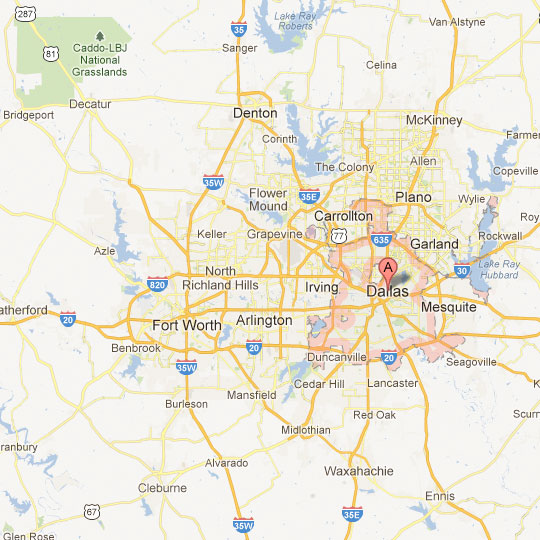
Separated by roughly 30 to 35 miles, Dallas and Fort Worth are the vibrant anchors of a metropolitan area home to nearly eight million people. This relatively short distance means that exploring both cities is not only feasible but highly recommended, offering visitors a comprehensive look at everything from glittering urban sophistication to authentic cowboy heritage. From world-class museums and burgeoning arts scenes to historic stockyards and upscale dining, the journey between these two giants opens up a world of possibilities for an unforgettable Texas adventure.
The Distance Unpacked: Navigating the DFW Metroplex
The actual mileage between Dallas and Fort Worth can vary slightly depending on your specific starting and ending points within each city, but the general consensus puts it in the range of 30 to 35 miles (approximately 48 to 56 kilometers). This distance is quite manageable, making day trips or multi-city itineraries exceptionally convenient. However, the time it takes to cover this ground is where the real planning comes into play, as traffic, chosen mode of transport, and time of day can significantly influence your journey.
By Car: The Most Common Route
Driving is undoubtedly the most popular way to travel between Dallas and Fort Worth, offering flexibility and direct access to many attractions. The primary artery connecting the two cities is Interstate 30 (I-30). Under ideal conditions, with light traffic, the drive can take anywhere from 35 to 45 minutes.
However, the Dallas-Fort Worth Metroplex is notorious for its traffic, especially during peak commuter hours (typically 6:30 AM to 9:00 AM and 4:00 PM to 6:30 PM on weekdays). During these times, a 30-mile drive can easily stretch to an hour or even 90 minutes. It’s always advisable to check real-time traffic updates before heading out, particularly if you have appointments or flights to catch from DFW International Airport or Dallas Love Field Airport. Rental cars are readily available at both airports and throughout the metroplex, providing a convenient option for those who prefer to explore at their own pace.
Public Transportation: DART and Trinity Metro
For travelers who prefer to avoid driving or wish to experience local transit, public transportation offers a viable alternative, albeit with longer travel times and potential transfers.
Dallas Area Rapid Transit (DART) is Dallas’s extensive public transit system, primarily serving Dallas and its immediate suburbs like Plano and Irving. For travel towards Fort Worth, DART connects to the regional rail service, the Trinity Railway Express (TRE).
The Trinity Railway Express (TRE) is a commuter rail line that directly links downtown Dallas with downtown Fort Worth, with several stops in between, including one near DFW International Airport. The journey on the TRE typically takes about an hour to an hour and 15 minutes, depending on your specific stations. It’s a comfortable and scenic way to travel, particularly appealing for those looking to immerse themselves in local life without the stress of navigating traffic and parking.
Once in Fort Worth, Trinity Metro takes over, offering bus services and the TEXRail commuter rail, which connects downtown Fort Worth to DFW International Airport and points north. While public transport requires a bit more planning and potentially longer overall travel times, it can be a cost-effective and relaxing way to commute between the cities, especially for those staying near downtown areas well-served by transit.
Ride-Sharing and Taxis
Services like Uber and Lyft are widely available throughout the Dallas-Fort Worth Metroplex, providing a convenient door-to-door option. The cost for a ride-share between Dallas and Fort Worth can range from $40 to $70, depending on demand, time of day, and the specific service level chosen. Taxis are also an option, though typically at a higher price point. These services offer flexibility similar to driving your own car but with the added benefit of not having to worry about navigation or parking. This can be particularly appealing for business travelers or those enjoying an evening out.
Dallas vs. Fort Worth: Two Unique Texas Experiences
While physically close, Dallas and Fort Worth possess distinct identities, making the journey between them more than just a commute — it’s a transition between two different facets of the Texas spirit. Understanding these differences is key to appreciating both cities fully.
Exploring the Vibrant Heart of Dallas

Dallas often conjures images of sleek skyscrapers, high fashion, and a bustling urban environment. It’s a city of ambition and modern sophistication, a major hub for business, finance, and the arts.
- Landmarks and Attractions: The Dallas Arts District is a cultural cornerstone, home to the Dallas Museum of Art, the Nasher Sculpture Center, and the Winspear Opera House. History buffs will find the Sixth Floor Museum at Dealey Plaza a poignant and essential visit. For family-friendly fun, the Dallas World Aquarium and Klyde Warren Park are popular choices. Don’t miss the panoramic views from Reunion Tower.
- Lifestyle and Gastronomy: Dallas boasts an impressive culinary scene, from upscale dining in Uptown Dallas to trendy eateries in the Bishop Arts District. Shopping is a serious pastime here, with luxury boutiques and sprawling malls. The nightlife is vibrant, offering everything from chic cocktail bars to lively music venues.
- Accommodation: Dallas offers a wide array of hotels, from luxury resorts like the Omni Dallas Hotel and The Joule Dallas to budget-friendly options. Downtown Dallas and Uptown Dallas are popular choices for their proximity to attractions and vibrant atmosphere.
Discovering Fort Worth’s Western Charm
In contrast, Fort Worth proudly embraces its “Cowtown” heritage, offering a blend of Western charm, historical authenticity, and a relaxed, friendly atmosphere. It feels a bit slower-paced than Dallas but is equally rich in cultural experiences.
- Landmarks and Attractions: The undisputed heart of Fort Worth is the Fort Worth Stockyards National Historic District. Here, visitors can witness the twice-daily cattle drive, explore Western-themed shops, and experience true Texas hospitality at Billy Bob’s Texas, the world’s largest honky-tonk. The Cultural District Fort Worth (sometimes referred to as the Museum District Fort Worth) is home to an impressive collection of museums, including the Kimbell Art Museum, the Amon Carter Museum of American Art, and the Modern Art Museum of Fort Worth. The Fort Worth Botanic Garden offers a serene escape.
- Lifestyle and Gastronomy: Fort Worth’s dining scene ranges from classic steakhouses to modern culinary delights, particularly around Sundance Square and West 7th Street. The city has a strong sense of community and a friendly, laid-back vibe that appeals to those seeking a more traditional Texas experience.
- Accommodation: Fort Worth offers an equally diverse range of accommodation options. For a truly immersive experience, consider the Hotel Drover, Autograph Collection in the Stockyards. Other popular choices include The Worthington Renaissance Fort Worth Hotel and the Kimpton Harper Hotel in Downtown Fort Worth.
Making the Most of Your Dallas-Fort Worth Itinerary
Given the proximity and diverse offerings of both cities, crafting an itinerary that blends the best of Dallas and Fort Worth is a popular strategy for many travelers.
Crafting a Combined Trip: Day Trips and Extended Stays
Many visitors choose one city as their base and embark on day trips to the other. For instance, staying in Dallas allows easy access to Fort Worth’s Stockyards for a taste of the Old West, or vice versa if you prefer Fort Worth’s more relaxed pace and want to venture into Dallas for its vibrant arts scene or upscale shopping.
For longer stays, consider splitting your accommodation between the two cities. For example, spend 2-3 nights in Dallas to explore its urban attractions and then move to Fort Worth for another 2-3 nights to soak in its Western heritage and museum district. This approach minimizes travel time during daily explorations and allows for a deeper dive into the unique character of each location. Families might enjoy this approach, allowing children to experience both the urban excitement of Dallas and the cowboy adventures in Fort Worth.
Beyond the main cities, the larger Dallas-Fort Worth Metroplex offers additional attractions in surrounding towns. Arlington, for example, is conveniently located between Dallas and Fort Worth and is home to AT&T Stadium (home of the Dallas Cowboys), Globe Life Field (home of the Texas Rangers), and Six Flags Over Texas. Historic Grapevine offers charming Main Street shops, wineries, and the impressive Gaylord Texan Resort & Convention Center.
Where to Stay: Accommodation Options in DFW
The Dallas-Fort Worth Metroplex caters to every type of traveler and budget when it comes to accommodation.
- Luxury Travel: Both Dallas and Fort Worth boast an impressive selection of high-end hotels and resorts. In Dallas, properties like The Ritz-Carlton, Dallas or Hotel Crescent Court offer impeccable service and amenities. Fort Worth has its own gems, such as the Omni Fort Worth Hotel or the unique Hotel Drover, Autograph Collection that provides a luxury Western experience. Many offer executive suites and conference facilities for business stays.
- Budget Travel: For those on a tighter budget, numerous reputable chain hotels and motels are available across the metroplex, particularly outside the immediate downtown areas. Consider areas like Grapevine, Irving, or Plano for potentially lower rates with good access to major highways. Apartments and vacation rentals are also prevalent, offering more space and often a kitchen, which can be ideal for family trips or long-term stays.
- Unique Stays: Beyond traditional hotels, you can find boutique hotels with distinct character, particularly in neighborhoods like the Bishop Arts District in Dallas or near Sundance Square in Fort Worth. The emphasis on local culture and unique experiences is a key aspect of tourism in the region.
Lifestyle and Travel Tips for the DFW Visitor
- Best Time to Visit: Spring (March-May) and Fall (September-November) offer the most pleasant weather for exploring, with mild temperatures and blooming landscapes. Summers can be intensely hot, while winters are generally mild but can have occasional cold snaps.
- Combining Interests: The proximity of Dallas and Fort Worth allows for an incredible blend of interests. You can attend a Dallas Cowboys game at AT&T Stadium, then head to Fort Worth for an authentic rodeo experience. Spend a morning at the Kimbell Art Museum and an afternoon exploring the shops in Uptown Dallas.
- Food Exploration: Don’t miss the diverse food scenes. From authentic Texas BBQ joints to world-class international cuisine, both cities offer incredible gastronomic adventures.
- Connectivity: Both DFW International Airport and Dallas Love Field Airport serve the metroplex, offering extensive domestic and international flights, making the region highly accessible for travelers from anywhere in the world.

Beyond the Miles: The Synergy of Two Great Cities
The question of “how far” between Fort Worth and Dallas is easily answered in terms of miles and minutes, but the true essence lies in the journey itself and the distinct destinations at each end. These two cities, while close in distance, are worlds apart in atmosphere, offering a fascinating dichotomy that defines the spirit of North Texas.
For travelers, this means an unparalleled opportunity to experience a spectrum of Texas culture within a single trip. Whether your lifestyle leans towards urban sophistication, Western heritage, artistic exploration, or family fun, the Dallas-Fort Worth Metroplex delivers. The ease of travel between them, whether by car, train, or ride-share, ensures that you don’t have to choose between a modern metropolis and a historic cowboy town — you can simply enjoy both. So, pack your bags, prepare for adventure, and discover the rich and diverse experiences that await you just a short drive apart in Dallas and Fort Worth.
LifeOutOfTheBox is a participant in the Amazon Services LLC Associates Program, an affiliate advertising program designed to provide a means for sites to earn advertising fees by advertising and linking to Amazon.com. Amazon, the Amazon logo, AmazonSupply, and the AmazonSupply logo are trademarks of Amazon.com, Inc. or its affiliates. As an Amazon Associate we earn affiliate commissions from qualifying purchases.