
The allure of the Northeast corridor, a vibrant stretch of American ingenuity and history, often sparks a fundamental question for travelers: “How far is from Boston to New York?”. This seemingly simple query opens the door to a wealth of travel planning considerations, from the practicalities of distance and time to the exciting array of experiences that lie between these two iconic cities. Whether you’re a seasoned globetrotter or embarking on your first major intercity journey, understanding the nuances of this popular route is key to crafting an unforgettable adventure.
The distance between Boston, Massachusetts, and New York City, New York, is approximately 215 miles (about 346 kilometers) when traveling by road. This figure can fluctuate slightly depending on the exact starting and ending points within each sprawling metropolis and the specific route taken. However, this core distance serves as the foundation for planning your transit and appreciating the scope of your journey. It’s a distance that, while significant, is easily conquerable by a variety of transportation methods, each offering a unique perspective on the American landscape.
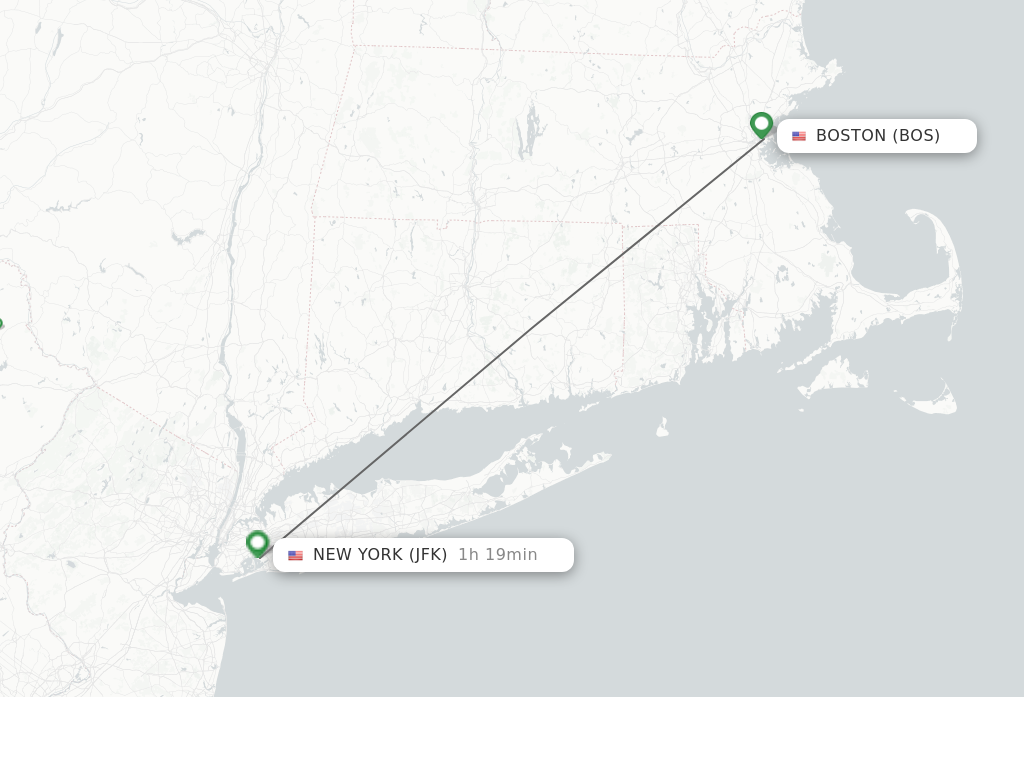
This route is more than just a measure of miles; it’s a gateway to a dynamic region rich in history, culture, and diverse attractions. From the cobblestone streets of Boston’s historic neighborhoods to the pulsating energy of Manhattan’s global hub, the journey itself is an exploration. The landscape between these two cities is a tapestry woven with charming towns, scenic countryside, and burgeoning urban centers, offering opportunities for spontaneous stops and discoveries.
Navigating the Distance: Modes of Transportation
The question of “how far” is intrinsically linked to “how to get there.” The proximity of Boston and New York, coupled with their status as major transportation hubs, means travelers have several excellent options to bridge the gap. Each mode of transport offers a distinct experience, catering to different budgets, time constraints, and preferences for scenic views or efficiency.
By Car: The Freedom of the Open Road
Embarking on a road trip from Boston to New York City offers the ultimate in flexibility and the chance to explore at your own pace. The most common driving route utilizes Interstate 90 (the Massachusetts Turnpike) and then transitions to Interstate 95 South, eventually leading you into the heart of Manhattan or other parts of New York. The drive typically takes between 3.5 to 4.5 hours, without accounting for traffic, which can be a significant factor, especially during peak commuting hours or holidays.
Renting a car provides the freedom to depart on your schedule, make impromptu stops, and explore attractions off the beaten path. Consider a detour through charming towns in Connecticut, such as Mystic, known for its maritime history and the renowned Mystic Aquarium. Or perhaps a stop in New Haven, home to Yale University and a thriving culinary scene, particularly its famous New Haven-style pizza. The flexibility of a car allows you to truly immerse yourself in the regional flavor, transforming the journey from a mere transit to an integral part of your travel experience.
Parking in both Boston and New York City can be a significant expense and a logistical challenge. If you opt for a car, factor in the cost of parking garages, which can add up quickly, especially in Manhattan. Many travelers choose to drive to a suburban transit hub and then take public transportation into the city center to avoid these issues. Despite these considerations, the independence and the potential for discovery make driving a compelling choice for many.
By Train: A Relaxing and Scenic Sojourn
For those seeking a more relaxed and often scenic journey, the Amtrak train is an exceptional choice. The Northeast Corridor route connects Boston’s South Station directly to New York Penn Station, offering a comfortable and efficient way to travel. The Acela Express, Amtrak’s high-speed service, can complete the journey in as little as 3.5 hours, rivaling driving time but without the stress of traffic or parking. The more traditional Northeast Regional trains take slightly longer, typically around 4 to 4.5 hours.
Traveling by train allows you to sit back, relax, and enjoy the passing scenery. The route winds through picturesque towns and countryside, offering glimpses of the varied landscape of Massachusetts, Connecticut, and New York. This is an ideal option for business travelers needing to work en route, or for anyone who prefers to avoid the complexities of driving in urban environments. You can disembark directly in the heart of Manhattan, a stone’s throw from countless hotels, attractions, and dining establishments.
The train experience is often enhanced by the amenities offered on board. Amtrak trains typically provide Wi-Fi, comfortable seating, and dining car services, making the journey an enjoyable part of your trip rather than just a means to an end. Booking tickets in advance, especially for the Acela Express, can often secure better fares.
By Bus: The Budget-Friendly Option

For budget-conscious travelers, intercity buses offer a highly affordable way to travel from Boston to New York. Numerous companies, including Peter Pan Bus Lines and Greyhound, operate frequent services along this popular route. The journey time by bus is generally longer than by car or train, typically ranging from 4.5 to 5.5 hours, depending on traffic and the number of stops.
While the journey may take a bit longer, the cost savings can be substantial, making it an attractive option for students, backpackers, and anyone looking to maximize their travel budget. Many bus services depart from downtown Boston and arrive at centrally located terminals in New York City, such as the Port Authority Bus Terminal. This allows for convenient access to public transportation upon arrival.
Modern intercity buses are increasingly offering amenities like Wi-Fi, power outlets, and reclining seats, making the longer journey more comfortable. It’s advisable to book your bus tickets in advance, especially during peak travel times, to secure the best prices and seating options.
By Air: The Quickest, But Not Always The Most Convenient
While Boston and New York are relatively close, flying between them is also an option, though often not the most practical or time-efficient. Both Logan International Airport in Boston and the various New York City airports (JFK, LaGuardia, and Newark Liberty International Airport) are major hubs. Flight times are very short, often under an hour.
However, when you factor in the time spent traveling to the airports, going through security, waiting for boarding, and then traveling from the arrival airport to your final destination in the city, the overall travel time can easily rival or exceed that of a train or car journey. Furthermore, air travel typically incurs additional costs for baggage and airport transfers, making it less appealing for such a short intercity distance. For most travelers prioritizing efficiency and convenience for this specific route, ground transportation methods are usually preferred.
Beyond the Miles: Experiencing the Journey and Destinations
The question “How far is from Boston to New York?” is also an invitation to consider what lies within that distance and the incredible experiences awaiting at both ends. The journey itself can be an adventure, and the destinations offer worlds of exploration.
Exploring Boston: A Historical and Cultural Prelude
Before embarking on your journey to New York, spending time in Boston is essential. This city, steeped in American history, offers a wealth of iconic landmarks and cultural experiences. Walk the Freedom Trail to retrace the steps of revolutionary patriots, visiting sites like Faneuil Hall Marketplace, the Old North Church, and the Paul Revere House. Explore the charming cobblestone streets of Beacon Hill, admire the academic prowess at Harvard University and MIT in Cambridge, or immerse yourself in art at the Museum of Fine Arts. Boston’s vibrant culinary scene, from fresh seafood to diverse international flavors, is another highlight. Consider a stay at a historic hotel like The Omni Parker House or a modern luxury option such as The Mandarin Oriental, Boston.
The Road Less Traveled: Discoveries Along the Way
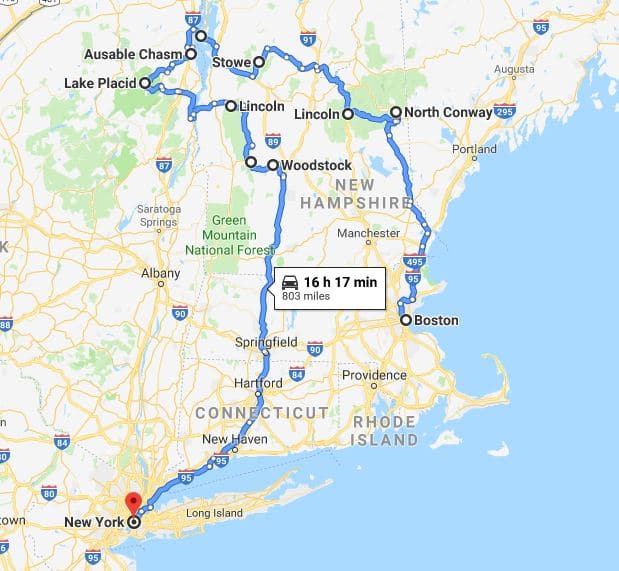
As mentioned earlier, the drive or train ride between Boston and New York is not a monotonous stretch of highway. It’s an opportunity to discover the heart of New England and the mid-Atlantic. Consider a stop in Providence, Rhode Island, to explore its Renaissance city center and renowned culinary scene. Further south, New Haven, Connecticut, beckons with its prestigious universities and the birthplace of the iconic hamburger. The charming towns along the Connecticut coast, like Greenwich, offer a glimpse into affluent suburban life and beautiful waterfront views.
Arriving in New York: A World of Possibilities
Upon arrival in New York City, a universe of experiences unfolds. Whether you arrive by train at Penn Station or by car in Manhattan, you are immediately immersed in a city that never sleeps. Explore the majestic Statue of Liberty and Ellis Island, stand in awe at the Empire State Building or the Top of the Rock for unparalleled city views, and wander through the vibrant green oasis of Central Park. Immerse yourself in world-class art at The Metropolitan Museum of Art or the Museum of Modern Art. Experience the electric atmosphere of Times Square, catch a Broadway show, and indulge in the unparalleled culinary diversity that ranges from Michelin-starred restaurants to iconic street food vendors. Your accommodation options are as vast as the city itself, from the opulent luxury of The Plaza Hotel to the boutique charm of The Carlyle, a Rosewood Hotel, or the comfortable and well-located accommodations found throughout the boroughs.
The journey from Boston to New York is more than just a question of distance; it’s an invitation to explore, discover, and experience the rich tapestry of the American Northeast. Each mile traveled, each town visited, and each landmark admired contributes to a richer, more fulfilling travel narrative. Whether you choose the speed of the Acela Express, the freedom of the open road, or the affordability of a bus, the connection between these two titans of American culture is a journey well worth taking.