
The allure of the Pacific Ocean is undeniable, a vast expanse of blue that connects continents and cultures. For many intrepid travelers, two of its most coveted jewels are Australia and Hawaii. But as you dream of surfing Bondi Beach one week and sinking your toes into the sands of Waikiki the next, a fundamental question arises: how far is Hawaii from Australia? This isn’t just a geographical query; it’s a gateway to understanding travel times, flight options, and the sheer scale of the journey between these two incredible destinations.
The answer, in its simplest form, is that Hawaii is a significant distance from Australia, lying across a substantial portion of the Pacific Ocean. This isn’t a hop across a strait; it’s a transoceanic voyage. Understanding this distance is crucial for planning your itinerary, choosing the most efficient travel routes, and even packing the right gear for a trip that bridges hemispheres.
The Vast Expanse: Measuring the Distance
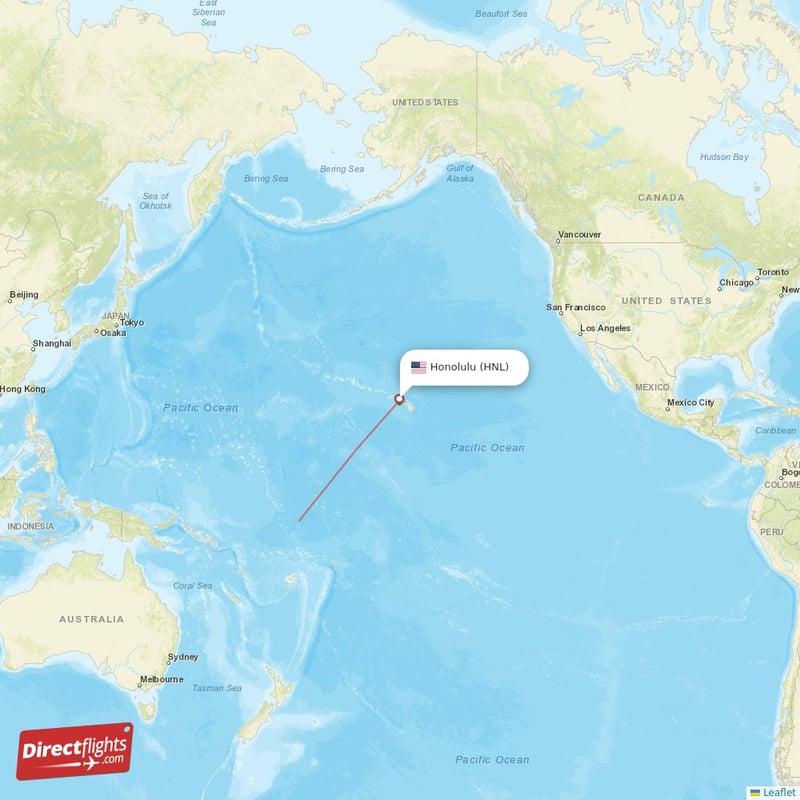
When we talk about distance between Hawaii and Australia, we’re typically referring to air travel, as this is the most practical way to bridge the gap. The distance varies depending on which specific islands in Hawaii you’re flying into and which city in Australia you’re departing from. However, a general consensus places the flying distance between Honolulu, Hawaii, and Sydney, Australia, at approximately 5,200 miles (about 8,370 kilometers).
This figure represents the great-circle distance, the shortest path between two points on the surface of a sphere. In reality, flight paths can be slightly longer due to air traffic control, prevailing winds, and the need to avoid certain airspace.
Direct Flights: The Fastest Route
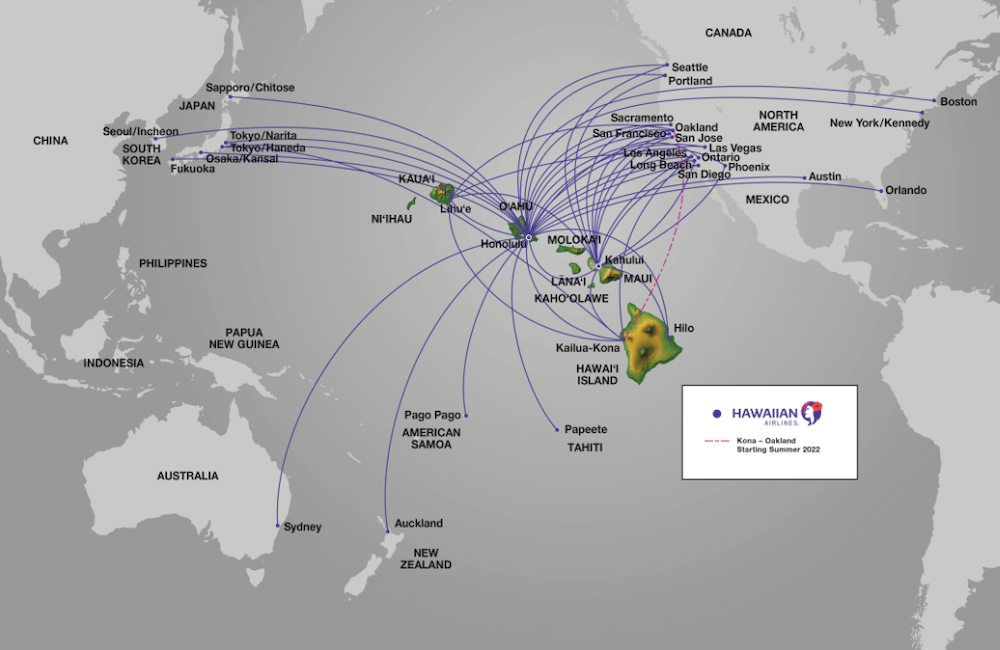
The most desirable option for many travelers is a direct flight. While not as frequent as flights between closer destinations, direct routes do exist between major hubs. For instance, airlines like Hawaiian Airlines and Qantas have historically offered direct services connecting Honolulu to cities like Sydney and sometimes Brisbane.
A direct flight from Honolulu to Sydney typically takes around 10 to 11 hours. This is a considerable chunk of time, meaning you’ll likely spend a full day in transit, accounting for airport check-in, security, boarding, and the flight itself. The experience of a direct flight, while long, offers the convenience of minimal disruption and no layovers. This can be particularly appealing for those who prefer to get to their destination as quickly as possible, especially when traveling with family or on a tighter schedule.
The Experience of a Long-Haul Flight
Traveling for 10-11 hours requires preparation. Airlines generally offer in-flight entertainment systems, meals, and drinks. However, it’s wise to bring your own entertainment, such as books, downloaded movies, or podcasts, and comfortable neck pillows and blankets for sleeping. Staying hydrated and moving around the cabin periodically can help combat the effects of long-duration travel. The time difference between Hawaii and Australia is also substantial, so be prepared for jet lag upon arrival. Hawaii observes Hawaii Standard Time (HST), which is UTC-10, while Australia has multiple time zones, with Australian Eastern Standard Time (AEST) in Sydney and Melbourne being UTC+10 during standard time and Australian Eastern Daylight Time (AEDT) being UTC+11 during daylight saving. This means a difference of 19 to 20 hours, a significant factor to consider when planning your arrival and first day.
Flights with Layovers: Exploring Options and Managing Time
When direct flights are unavailable, too expensive, or don’t fit your schedule, flights with layovers become the primary option. The most common layover points for this route are typically in New Zealand (specifically Auckland) or on the west coast of the United States (like Los Angeles or San Francisco).
A flight with a layover will naturally extend your total travel time considerably. A journey from Hawaii to Australia with one stop could easily range from 14 to 20 hours or even more, depending on the length of the layover. While this adds to the overall journey, it can sometimes offer more flexibility in terms of departure times and potentially lower fares.
Navigating Layover Airports and Strategies
Choosing a layover destination wisely can sometimes turn a long journey into a more manageable one. For example, if your layover is in Auckland, New Zealand, you might have the opportunity to extend your trip for a few days to explore this vibrant country, adding another destination to your itinerary. This transforms a transit point into a mini-vacation.
Alternatively, layovers in North America can also be strategic. If you have a long layover, you might even consider a brief excursion into the city you’re connecting through, if time and visa regulations permit. However, it’s crucial to factor in the time needed to disembark, navigate the airport, potentially go through immigration and customs, and re-board.
When booking flights with layovers, pay close attention to the total duration. Some itineraries might look appealing due to price but involve extremely long transit times or very short connection windows, which can be stressful. Aim for a layover that allows for a comfortable break, perhaps 2-3 hours, or a longer stopover if you intend to explore the connecting city.

Factors Influencing Travel Time and Cost
Beyond the sheer distance, several factors can influence how long your journey from Hawaii to Australia takes and how much it costs. Understanding these variables can help you find the best travel deals and plan a smoother trip.
Airline Choice and Route Planning
The choice of airline can significantly impact your travel experience and the total journey time. Some airlines operate more efficient routes or have better connections through their hub airports. Researching different airlines, such as United Airlines, Delta Air Lines, or Fiji Airways (which often serves as a transit point via Nadi), can reveal varied flight schedules and pricing.
Route planning is also key. Some routes might involve flying east from Hawaii to the US mainland and then west to Australia, while others might go via Asia or New Zealand. The most common and generally most efficient routes are typically through New Zealand or the US West Coast.
Seasonality and Demand
Like many popular travel destinations, Hawaii and Australia experience peak seasons influenced by holidays, school breaks, and local events. Traveling during these periods, such as the Christmas holidays, summer in Australia (December-February), or spring break in the US, will generally see higher flight prices and more crowded airports.
Conversely, traveling during the shoulder seasons (spring and autumn) or the off-peak winter months in Australia (June-August) can offer more affordable fares and a less crowded travel experience. However, consider the weather in both locations when choosing your travel dates. Hawaii enjoys a relatively consistent pleasant climate year-round, while Australia has diverse climates, with Queensland being warm in winter and Melbourne experiencing colder temperatures.
Booking in Advance and Flexibility
For significant international journeys like this, booking your flights well in advance is almost always recommended. Airlines often release their lowest fares months before departure. Waiting until the last minute can mean facing significantly higher prices, especially for direct flights.
Flexibility with your travel dates can also lead to substantial savings. If you can adjust your departure or return dates by a few days, you might find cheaper flights. Being open to flying on weekdays rather than weekends can also be advantageous, as these are often less in-demand travel days.
Beyond the Miles: Planning Your Australian and Hawaiian Adventure
Knowing the distance is the first step, but it’s also important to consider what you want to experience in both Australia and Hawaii. The nature of your trip will influence your travel decisions.
Australia: A Continent of Contrasts
Australia is a vast continent with incredibly diverse landscapes and attractions. From the iconic Sydney Opera House and Harbour Bridge to the ancient rainforests of Queensland, the rugged beauty of the Outback, and the stunning beaches of the Gold Coast and Perth, Australia offers something for every traveler. Planning a trip to Australia often requires deciding which regions you want to explore, as internal travel can also be time-consuming and expensive. Popular starting points for international travelers include Sydney, Melbourne, and Brisbane.
Hawaii: The Aloha Spirit
Hawaii, an archipelago of volcanic islands, offers a distinct tropical paradise experience. Each island – Oahu, Maui, Kauai, The Big Island (Hawaii Island), Lanai, and Molokai – has its unique charm and attractions. Whether you’re seeking the bustling surf scene of Oahu‘s North Shore, the romantic beaches of Maui, the dramatic cliffs of Kauai‘s Na Pali Coast, or the active volcanoes of Hawaii Island, Hawaii promises unforgettable memories.
Combining Destinations: A Journey of Epic Proportions
For those with ample time and a spirit for adventure, combining a trip to Australia and Hawaii can be an epic undertaking. This type of multi-destination trip requires meticulous planning, especially regarding flight routes and potential visa requirements. Often, a common route might involve flying from Australia to Hawaii via New Zealand or Fiji, or vice versa. When planning such a grand tour, remember to factor in the significant travel time and potential jet lag between these two distant paradises. The rewards, however, are immense: experiencing the vibrant urban life and natural wonders of Australia followed by the laid-back, tropical bliss of Hawaii. It’s a journey that truly showcases the diverse beauty of the Pacific Rim.
LifeOutOfTheBox is a participant in the Amazon Services LLC Associates Program, an affiliate advertising program designed to provide a means for sites to earn advertising fees by advertising and linking to Amazon.com. Amazon, the Amazon logo, AmazonSupply, and the AmazonSupply logo are trademarks of Amazon.com, Inc. or its affiliates. As an Amazon Associate we earn affiliate commissions from qualifying purchases.