
Embarking on a journey from the sun-drenched shores of Florida to the volcanic paradise of Hawaii is a dream for many, conjuring images of diverse landscapes and contrasting experiences. While both states offer unparalleled beauty and distinct cultural flavors, they are separated by a vast expanse of the United States and the mighty Pacific Ocean. Understanding this distance is the first step in planning an unforgettable adventure that bridges the continental mainland with the remote island archipelago.
The Immense Geographical Divide
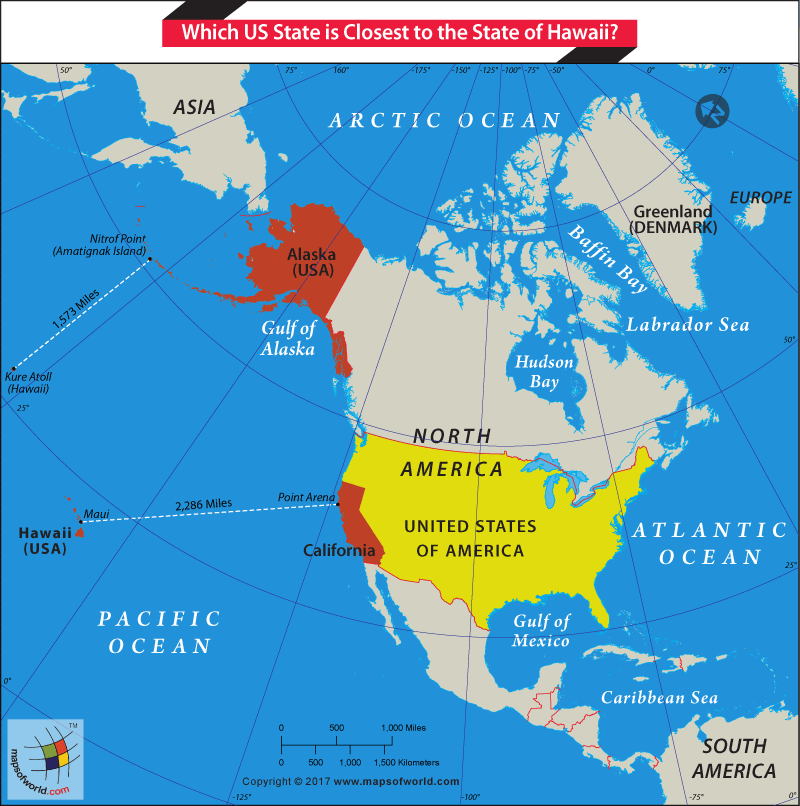
The sheer geographical separation between Florida and Hawaii is a significant factor when considering travel plans. Florida, situated in the southeasternmost corner of the United States, is a peninsula characterized by its subtropical climate, vibrant theme parks, and extensive coastline along the Atlantic Ocean and the Gulf of Mexico. Hawaii, on the other hand, is an island state located in the central Pacific Ocean, thousands of miles from the North American mainland. This immense distance means that any journey between these two popular tourist destinations will primarily involve air travel and a considerable time commitment.
Understanding the Direct Flight Distance
The most direct way to quantify the distance between Hawaii and Florida is by considering the great-circle distance, which represents the shortest path between two points on the surface of a sphere. For Hawaii, the most populous island, Oahu, and the capital city of Honolulu, serve as common reference points. For Florida, major hubs like Miami or Orlando are frequently used.
The approximate great-circle distance between Honolulu, Hawaii, and Miami, Florida, is around 4,650 miles (or approximately 7,480 kilometers). This figure highlights the substantial geographical chasm that separates these two iconic American locations. It’s important to note that this is the straight-line distance; actual flight paths may vary slightly due to air traffic control, weather patterns, and fuel efficiency considerations.
Time Zone Differences: An Added Layer to the Distance
Beyond the physical miles, the significant time zone difference between Hawaii and Florida adds another dimension to the concept of distance. Hawaii observes Hawaii Standard Time (HST), which is UTC-10. Florida, for the most part, observes Eastern Standard Time (EST), which is UTC-5 (and Eastern Daylight Time, EDT, UTC-4 during daylight saving). This means there is a five-hour difference between the two states. When it is noon in Miami, it is only 7 AM in Honolulu. This temporal shift can significantly impact travel plans, requiring adjustments for jet lag and coordinating arrival and departure times. Navigating this time difference is a crucial aspect of planning a trip that minimizes disruption and maximizes enjoyment upon arrival.
Planning Your Transcontinental Voyage: Flights and Travel Considerations
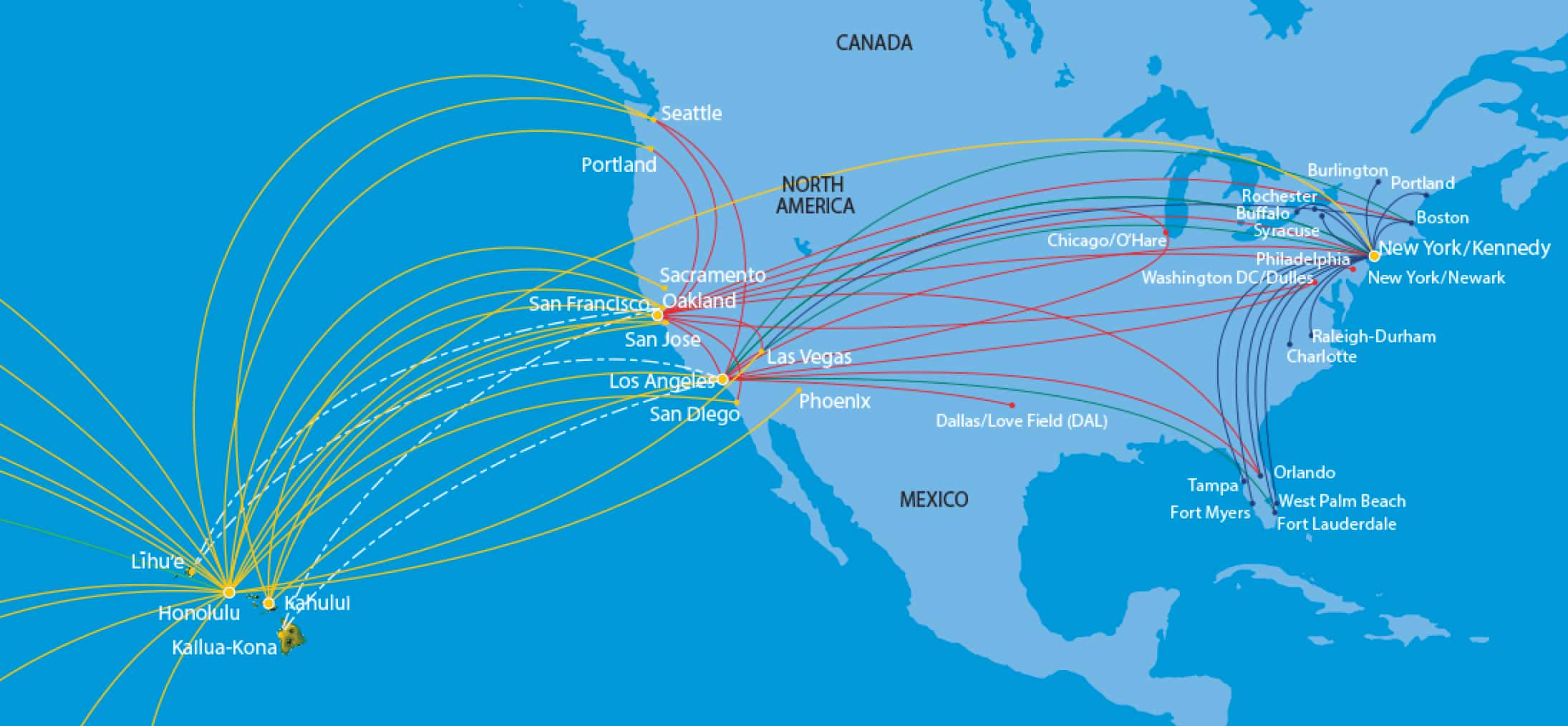
Given the vast distance, air travel is the only practical method for traversing between Hawaii and Florida. This means that a significant portion of your travel budget and time will be dedicated to flights. Understanding flight durations, potential layovers, and booking strategies is paramount to a smooth journey.
Direct Flights vs. Flights with Layovers
Direct flights between Hawaii and Florida are not as common as those between closer mainland cities. Most travelers will likely encounter flights with at least one stopover, often in a major hub city on the West Coast of the United States, such as Los Angeles or San Francisco, or sometimes in a central US hub like Chicago or Dallas.
A direct flight, if available, would typically span around 10 to 12 hours of flying time, not including time spent at the airport for boarding and disembarking. However, with a layover, the total travel time can easily extend to 14 to 18 hours, or even longer, depending on the length of the connection. This extended duration underscores the commitment required for this intercontinental journey.
When booking flights, consider the total travel time, including layovers. A longer layover might offer an opportunity to briefly explore the layover city, but it also increases the risk of delays and fatigue. Conversely, very short layovers can be stressful if there are any unexpected issues with the initial flight. Many airlines offer various routing options, and comparing these can help find the best balance between cost and convenience. Websites like Google Flights or dedicated travel aggregators can be invaluable tools for sifting through these options.
Costs Associated with Travel
The distance and the necessity of air travel naturally translate to higher costs for trips between Hawaii and Florida compared to domestic travel within the continental United States. Flight prices can fluctuate significantly based on the time of year, how far in advance you book, and the demand for specific routes.
Flights: Expect to pay a premium for flights that span such a considerable distance. During peak travel seasons, such as holidays or summer breaks, airfares can soar. Booking several months in advance is often recommended to secure more favorable prices.
Accommodation: Once you arrive in Hawaii, accommodation costs can also be a significant factor. Popular destinations like Maui or Kauai offer a range of options, from luxurious resorts like the Four Seasons Resort Maui at Wailea to more budget-friendly hotels and vacation rentals. In Florida, prices vary greatly depending on the specific location and time of year, with popular spots like Orlando or Miami Beach often commanding higher rates, especially during spring break or major events.
Activities and Dining: The cost of activities and dining in both Hawaii and Florida will also contribute to your overall budget. Hawaii, being an island state with imported goods, can sometimes have higher prices for food and certain commodities. However, the natural attractions and cultural experiences are often priceless. Florida offers a spectrum of activities, from free beach access to expensive theme park tickets at places like Walt Disney World Resort or Universal Orlando Resort.
Packing for Two Very Different Climates
The climatic differences between Florida and Hawaii, despite both being warm states, are notable and impact packing decisions. Florida is known for its humid subtropical climate, with hot, steamy summers and mild winters. Depending on the season, you might encounter thunderstorms and hurricanes. Packing for Florida typically involves light, breathable clothing, swimwear, rain gear, and sun protection.
Hawaii, on the other hand, boasts a tropical climate that is generally pleasant year-round. While it can be warm and humid in coastal areas, higher elevations on islands like Maui or the Big Island can be significantly cooler. The islands also experience distinct wet and dry seasons, though the rain is often brief and refreshing. Packing for Hawaii should include swimwear, shorts, t-shirts, sundresses, a light jacket or sweater for cooler evenings or higher altitudes, and robust footwear for hiking if you plan to explore the volcanic landscapes of Hawaii Volcanoes National Park. Don’t forget reef-safe sunscreen to protect the delicate marine ecosystems.
Experiencing the Best of Both Worlds: Destinations and Activities
The journey from Florida to Hawaii is more than just covering miles; it’s an exchange of vastly different environments, cultures, and experiences. While Florida is a vibrant mainland destination with its own unique charm, Hawaii offers a Polynesian escape that is truly distinct.
Florida: The Sunshine State’s Allure
Florida is renowned for its diverse attractions catering to every type of traveler. For families, the theme parks of Orlando, including Walt Disney World Resort and Universal Orlando Resort, are iconic. For beach lovers, the powdery white sands of the Gulf Coast, such as those found in Clearwater Beach or Siesta Key, are irresistible. The vibrant nightlife and Art Deco architecture of Miami Beach offer a sophisticated urban experience, while the Everglades National Park provides a chance to explore unique subtropical wilderness. History buffs can delve into the past in St. Augustine, the oldest continuously inhabited European-established settlement in the United States.
Hawaii: The Aloha State’s Tropical Paradise
Hawaii is an archipelago composed of numerous islands, each with its own character and appeal. Oahu is home to the bustling capital of Honolulu, the historic Pearl Harbor, and the famous surf breaks of the North Shore. Maui is celebrated for its stunning beaches, the scenic Road to Hana, and the sunrise views from Haleakala National Park. Kauai, the “Garden Isle,” is known for its dramatic cliffs of the Na Pali Coast and lush rainforests. The Big Island (officially Hawaii Island) offers incredible geological diversity, from the active volcanoes in Hawaii Volcanoes National Park to black sand beaches and the coffee plantations of Kona.
Cultural Immersion and Culinary Delights
Both states offer rich cultural experiences and delicious culinary scenes. Florida boasts a strong Latin American and Caribbean influence, particularly in Miami, evident in its cuisine, music, and festivals. You can savor Cuban sandwiches, fresh seafood, and diverse international flavors. Hawaii, conversely, is a melting pot of Polynesian, Asian, and American cultures. This fusion is beautifully expressed in its food, from traditional luau feasts featuring kalua pig and poi to modern farm-to-table restaurants showcasing local produce and seafood. Trying poke, shave ice, and tropical fruits are essential culinary experiences in the Aloha State.
Lifestyle Choices: From Luxury to Budget
The decision to travel between Hawaii and Florida can be influenced by lifestyle choices, whether seeking opulence or a more economical adventure.
Luxury Travel in Both Destinations
Both Hawaii and Florida cater to the luxury traveler. In Hawaii, world-class resorts like the Grand Hyatt Kauai Resort & Spa or the Halekulani Hotel in Waikiki offer unparalleled service, exquisite dining, and stunning ocean views. Private villas, yacht charters, and exclusive spa experiences are readily available. Florida also boasts a plethora of luxury options. Miami is known for its high-end hotels and exclusive clubs, while areas like Naples on the Gulf Coast are synonymous with upscale living and golf resorts. High-end shopping and fine dining are abundant in both states, allowing for a truly indulgent escape.

Budget-Conscious Travel Strategies
Traveling between Hawaii and Florida on a budget requires careful planning. For flights, being flexible with travel dates and times can lead to significant savings. Mid-week flights are often cheaper than weekend departures. Looking for package deals that bundle flights and accommodation can also be cost-effective. In Hawaii, consider staying in guesthouses, hostels, or vacation rentals outside the most popular tourist zones. Camping is also an option in designated areas on some islands. Cooking some of your own meals by shopping at local grocery stores can drastically reduce food expenses. Similarly, in Florida, budget travelers can find affordable motels, vacation rentals, and utilize public transportation in some cities. Many of Florida’s best attractions, like its beaches and natural parks, are free or have minimal entry fees. Exploring local eateries away from the main tourist strips can also lead to more affordable and authentic dining experiences.
In conclusion, the distance between Hawaii and Florida is substantial, demanding careful consideration of travel logistics, time zones, and costs. However, the reward for undertaking this journey is the opportunity to experience two vastly different yet equally captivating facets of the United States: the vibrant mainland charm of Florida and the exotic tropical allure of Hawaii. Whether you seek adventure, relaxation, or cultural immersion, this transcontinental voyage promises an enriching travel experience.