
Embarking on a journey from the bustling streets of New York City to the tropical paradise of Hawaii is a dream for many. This epic cross-country adventure spans vast distances, traversing diverse landscapes and time zones. The question of “How Far Is Hawaii From New York?” is more than just a geographical inquiry; it’s the first step in planning an unforgettable travel experience. Understanding this distance is crucial for logistics, budgeting, and setting expectations for your trip.
The vast expanse between the East Coast of the United States and the Pacific archipelago is significant. It’s a distance that dictates the type of travel you’ll undertake, primarily by air, and influences the time commitment required for your vacation. Whether you’re planning a quick getaway or an extended exploration of the islands, knowing the mileage and travel time is fundamental to crafting a well-rounded itinerary. This article will delve into the specifics of this considerable distance, offering insights into flight durations, the implications for travel time, and considerations for making the most of your journey.
Understanding the Distance: A Tale of Two Coasts
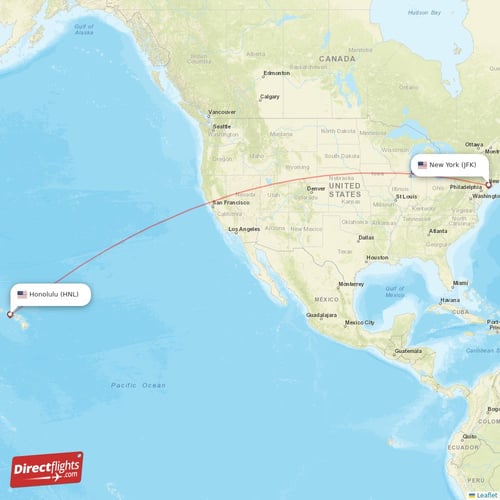
The continental United States stretches from the Atlantic to the Pacific, and Hawaii sits even further west, an isolated chain of islands in the middle of the ocean. The sheer scale of this separation is what makes the journey so remarkable. When we speak of “distance,” it typically refers to the great-circle distance, the shortest path between two points on a sphere. For New York and Hawaii, this translates to thousands of miles.
The Great-Circle Distance: Miles and Kilometers
The approximate great-circle distance between New York City and the main island of Oahu, specifically Honolulu International Airport, is around 4,980 miles (approximately 8,015 kilometers). This figure provides a baseline understanding of the physical separation. However, this is a straight-line measurement and doesn’t account for the realities of air travel, which involves flight paths, air traffic control, and potential detours.
This immense distance underscores why flying is the only practical mode of transport for most travelers. The sheer length of the United States necessitates such a solution, and adding the transpacific leg to Hawaii only amplifies this. It’s a journey that bridges the entirety of the North American continent before venturing further into the vastness of the Pacific Ocean.
Time Zones: Battling the Clock
Beyond the physical miles, the significant difference in time zones also plays a crucial role in the travel experience. New York operates on Eastern Standard Time (EST) or Eastern Daylight Time (EDT), while Hawaii observes Hawaii Standard Time (HST), which is 5 hours behind EST and 6 hours behind EDT. This means that when you depart New York in the evening, you’ll likely arrive in Hawaii on the same calendar day, but significantly earlier in the day according to Hawaii time.
This time difference is a critical factor for planning, especially when considering jet lag. You’ll need to prepare for a substantial shift in your body clock, which can impact your initial days of exploration. Understanding this time differential helps in scheduling your arrival, planning your first day’s activities, and managing your energy levels.
The Journey by Air: Flights and Travel Time
Given the considerable distance, air travel is the primary and most efficient way to get from New York to Hawaii. The journey involves flying across the entire continental United States and then over the Pacific Ocean. While the direct flight distance is substantial, actual flight times can vary.
Direct Flights: Speed and Convenience
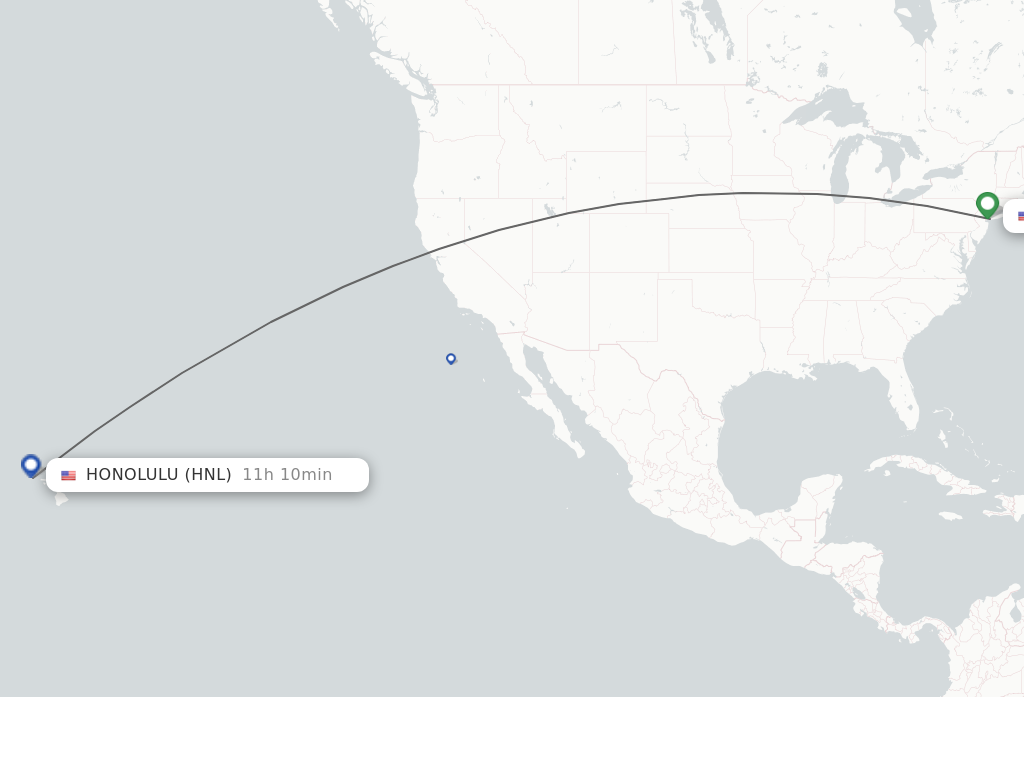
Direct flights from major New York airports, such as John F. Kennedy International Airport (JFK) or Newark Liberty International Airport (EWR), to Honolulu International Airport (HNL) are the fastest way to bridge this gap. These flights typically have a duration of around 10 to 11 hours. Airlines like United Airlines, American Airlines, and Delta Air Lines often operate these routes, though availability can fluctuate.
These non-stop options are highly sought after for their convenience, minimizing travel time and avoiding the hassle of layovers. However, they can sometimes be more expensive. Booking in advance and being flexible with your travel dates can help secure better fares for these direct services.
Flights with Layovers: Options and Durations
For travelers seeking more affordable options or those with flexible schedules, flights with one or more layovers are a common alternative. These layovers typically occur at major hubs on the West Coast of the United States, such as Los Angeles International Airport (LAX), San Francisco International Airport (SFO), or Seattle-Tacoma International Airport (SEA).
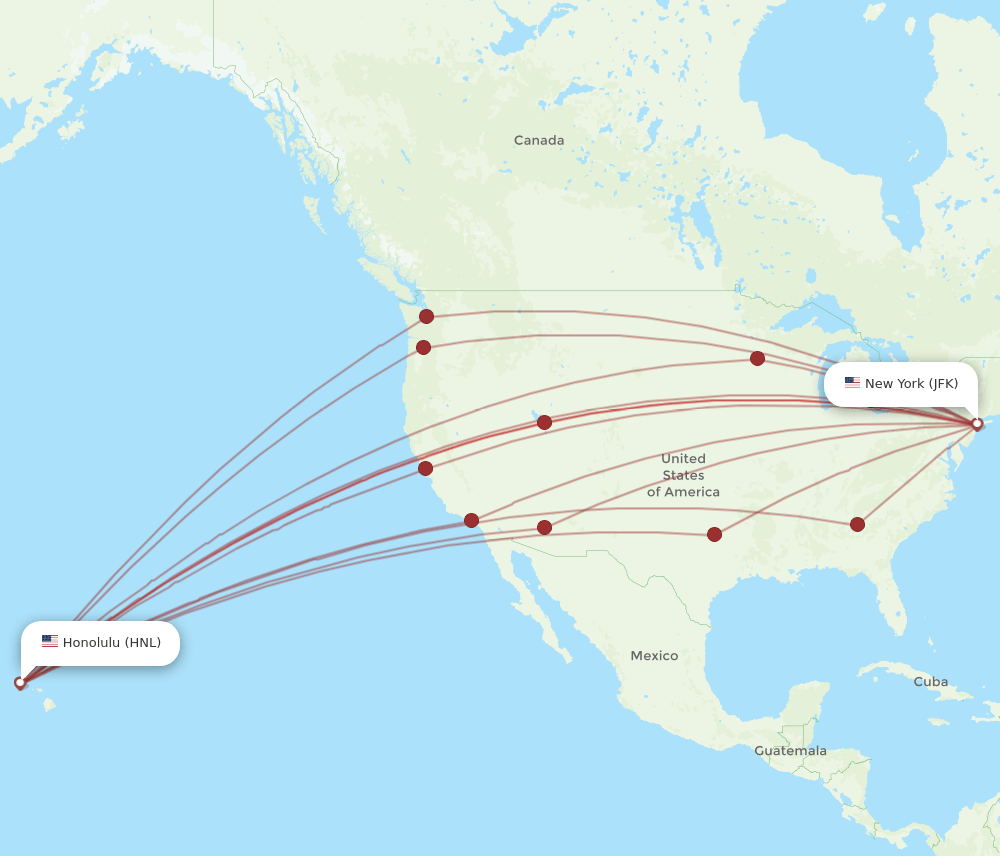
The total travel time for flights with layovers can range significantly, from 14 hours to over 24 hours, depending on the length of the layover and the specific route. While these options may require a longer commitment to travel, they often present cost savings. Careful planning of layover times is essential to ensure a smooth transition between flights and to avoid excessively long waits at airports.
Factors Affecting Flight Duration
Several factors can influence the actual flight duration, beyond the advertised times. These include:
- Weather conditions: Strong headwinds can increase flight time, while tailwinds can shorten it.
- Air traffic: Congestion at airports and along flight paths can lead to delays or require longer routes.
- Aircraft type: Different aircraft have varying cruising speeds.
- Specific flight path: The exact route taken by the airline can differ based on various operational factors.
- Time of year: Peak travel seasons might see more flights, potentially impacting air traffic and flight schedules.
When planning your trip, it’s always advisable to check the estimated flight duration with your chosen airline and consider potential variations.
Planning Your Hawaiian Adventure: Beyond the Distance
Understanding the distance from New York to Hawaii is the first step, but planning your trip involves much more. This includes choosing your destination island, booking accommodation, and considering the best time to visit. The sheer magnitude of the journey often leads travelers to plan for longer stays in Hawaii to maximize their experience and justify the travel time.
Choosing Your Island Paradise: A Spectrum of Experiences
Hawaii is an archipelago, and each island offers a unique flavor and set of attractions. The choice of island significantly influences the types of activities and the overall vibe of your vacation.
- Oahu: Known as “The Gathering Place,” Oahu is the most populated island and home to Honolulu and the famous Waikiki beach. It offers a blend of city life, historical sites like Pearl Harbor, iconic surf spots on the North Shore, and a vibrant culinary scene. For those seeking a mix of relaxation and entertainment, Oahu is a popular choice.
- Maui: Often called “The Valley Isle,” Maui is renowned for its stunning beaches, the majestic Haleakala National Park, and the scenic Road to Hana. It’s a favored destination for honeymooners and those seeking a luxurious escape with abundant natural beauty.
- Kauai: “The Garden Isle” is characterized by its dramatic cliffs of the Na Pali Coast, lush rainforests, and the Waimea Canyon, often referred to as the “Grand Canyon of the Pacific.” Kauai appeals to nature lovers and adventurers seeking a more tranquil and unspoiled experience.
- The Island of Hawaii (Big Island): This is the largest and youngest island, offering incredible diversity from black sand beaches to active volcanoes in Hawaii Volcanoes National Park. Visitors can explore lava fields, snow-capped mountains, and coffee plantations.
Accommodation: From Luxury Resorts to Cozy Condos
Once you’ve chosen your island, selecting the right accommodation is paramount to a comfortable and enjoyable stay. Hawaii offers a wide range of options to suit every budget and travel style.
Luxury travelers might opt for world-class resorts like the Four Seasons Resort Maui at Wailea or the Halekulani Hotel in Waikiki, offering premium amenities, exquisite dining, and breathtaking ocean views. For families or those seeking more space and independence, apartments or villas, particularly in areas like Kaanapali on Maui or Poipu on Kauai, can be an excellent choice. These often come with full kitchens and living areas, making longer stays more convenient.
Budget-conscious travelers can find comfortable hotels, budget-friendly resorts, or even consider vacation rentals and hostels. Booking through comparison websites or directly with hotels can help uncover deals. Remember to factor in resort fees and taxes, which are common in Hawaii.
Best Time to Visit: Weather and Events
Hawaii boasts a pleasant climate year-round, but certain times offer distinct advantages.
- The dry season (April to October): This period generally sees less rain and calmer seas, making it ideal for beach activities and water sports. The summer months (June to August) are the warmest and most popular, meaning higher prices and more crowds.
- The wet season (November to March): While this period can bring more rain, it’s often in the form of brief, localized showers, especially on the windward sides of the islands. This is also the best time for surfing on Oahu’s North Shore. The winter months also tend to be less crowded and more affordable, except for the holiday season.
Consider the specific activities you wish to pursue when choosing your travel dates. For whale watching on Maui, the peak season is from December to May.
The journey from New York to Hawaii is an epic undertaking, a true testament to the vastness of our planet. Understanding the mileage, flight times, and time zone differences is fundamental to planning this adventure. However, the real reward lies in the destination itself – the unparalleled beauty, vibrant culture, and unique experiences that await you in the Hawaiian islands. By carefully considering your travel options, accommodation, and the best time to visit, you can transform this long-distance journey into the trip of a lifetime.
LifeOutOfTheBox is a participant in the Amazon Services LLC Associates Program, an affiliate advertising program designed to provide a means for sites to earn advertising fees by advertising and linking to Amazon.com. Amazon, the Amazon logo, AmazonSupply, and the AmazonSupply logo are trademarks of Amazon.com, Inc. or its affiliates. As an Amazon Associate we earn affiliate commissions from qualifying purchases.