
The question of “How Far Is Joliet From Chicago?” is more than just a simple geographical inquiry; it’s a gateway to understanding the relationship between two distinct yet interconnected Illinois communities. As a significant urban center and a growing suburban hub, the proximity of Joliet to Chicago influences everything from daily commutes to weekend getaways, business development, and cultural exchange. This article will delve into the various facets of this distance, exploring the travel options, the implications for visitors, and the unique character of both cities that makes their connection so relevant.
Understanding the Geographical and Commuting Distance
The direct distance between Joliet and Chicago is relatively short, making them accessible to each other for a variety of purposes. This proximity is a fundamental aspect of the regional landscape, fostering a symbiotic relationship between the bustling metropolis and its southwestern neighbor.
Direct Mileage and Driving Time
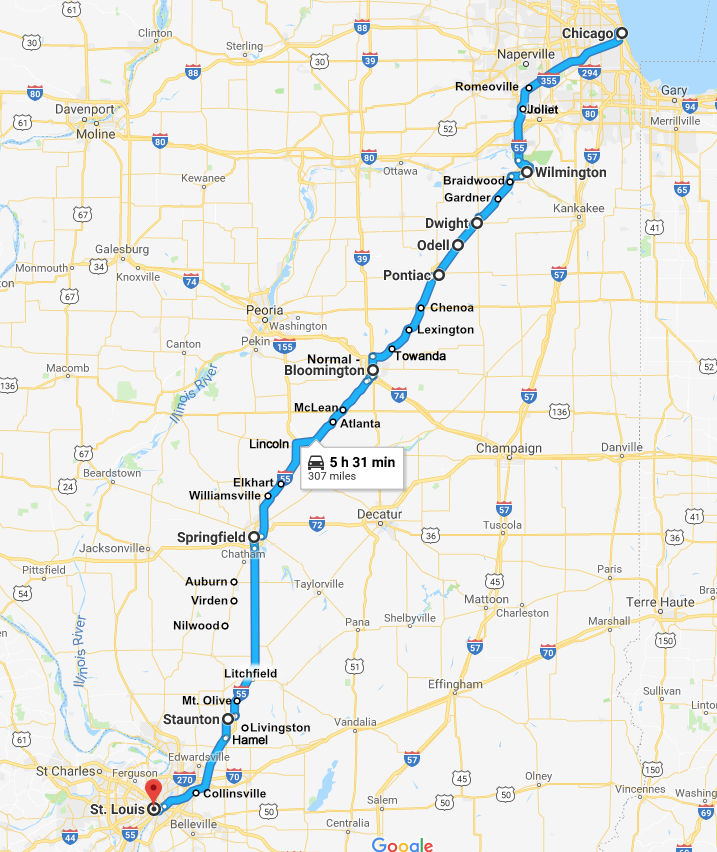
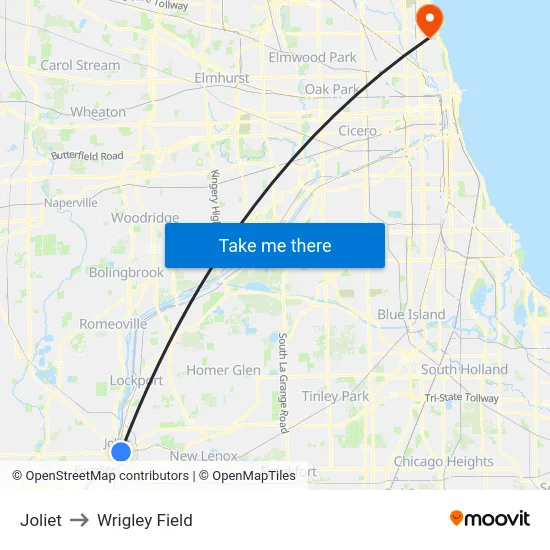
The most commonly cited distance between Joliet and Chicago is approximately 40 miles, or about 64 kilometers. This figure can vary slightly depending on the exact starting and ending points within each city. For instance, measuring from downtown Joliet to downtown Chicago will yield a slightly different result than measuring from a suburban neighborhood in Joliet to a far-flung district of Chicago.
When considering driving time, the distance translates to an average of 45 minutes to an hour, assuming ideal traffic conditions. However, it’s crucial to acknowledge the reality of Chicago’s notorious traffic congestion. During peak commuting hours, particularly on weekdays, the drive can extend significantly, sometimes doubling the travel time. Major arteries like Interstate 80 and Interstate 55 serve as the primary conduits between the two cities, and their capacity is heavily tested during these periods. Understanding these variables is essential for anyone planning to drive, whether for a daily commute, a business meeting, or a leisure excursion.
Public Transportation Options
For those who prefer to avoid the stress of driving in heavy traffic, public transportation offers viable alternatives for traveling between Joliet and Chicago. The Metra commuter rail system is a popular and efficient option. The Rock Island District line provides direct service from Joliet’s Union Station to Chicago’s LaSalle Street Station. This journey typically takes around an hour and fifteen minutes, offering a predictable and often more relaxed travel experience compared to driving. Metra’s schedule is designed to accommodate commuters, with frequent trains running during rush hours.
Beyond the rail, bus services also connect Joliet and Chicago. While potentially slower than the train, bus routes can offer more localized pick-up and drop-off points, catering to specific neighborhood needs. These options, while less frequent than Metra trains, provide an additional layer of accessibility for travelers.
Exploring Joliet: A Destination in Its Own Right
While often considered a suburb of Chicago, Joliet possesses a rich history, a unique identity, and a growing list of attractions that make it a worthwhile destination for travelers and locals alike. Understanding Joliet’s own appeal is key to appreciating its relationship with the larger metropolitan area.
Historic Landmarks and Cultural Significance
Joliet’s history is deeply intertwined with industrial development and transportation. The Joliet Correctional Center, famously known as the filming location for the television series “Prison Break,” stands as a prominent, albeit somber, historical landmark. While no longer operational, its imposing architecture speaks to a significant chapter in the city’s past.
The Joliet Area Historical Museum offers a comprehensive dive into the region’s heritage, showcasing exhibits on everything from early pioneer life to the city’s role in the automotive and manufacturing industries. Another notable historical site is the Old Joliet Prison, a striking example of Gothic Revival architecture that has transitioned from a correctional facility to a venue for tours and events.
Entertainment and Recreational Opportunities
Joliet is not just about history; it’s also a hub for entertainment and recreation. The city is renowned for its association with motorsports, being home to the Chicagoland Speedway, a premier NASCAR track that hosts major racing events. For those with a taste for gaming and entertainment, the Harrah’s Casino and the Hollywood Casino Joliet offer a vibrant atmosphere with dining, gaming, and live performances.
Nature enthusiasts can find solace in the numerous parks and recreational areas surrounding Joliet. The Illinois and Michigan Canal National Heritage Area offers scenic trails for hiking and biking, allowing visitors to explore the historic canal system and its natural beauty. The Starved Rock State Park, though a bit further afield, is a popular day trip destination from Joliet, known for its stunning canyons, waterfalls, and hiking opportunities.
The Interplay: Chicago as a Day Trip from Joliet
The relatively short distance from Joliet to Chicago makes the latter an easily accessible destination for a day trip, offering residents of Joliet a wealth of urban experiences without the need for an overnight stay. This dynamic allows for a seamless blend of suburban tranquility and metropolitan excitement.
Cultural Immersion and Sightseeing in Chicago
Chicago boasts an unparalleled array of cultural attractions. From world-class museums like the Art Institute of Chicago and the Museum of Science and Industry, to iconic architectural marvels such as the Willis Tower (formerly Sears Tower) and the John Hancock Center, there is no shortage of sights to behold. Visitors can also explore the vibrant atmosphere of Millennium Park, home to the renowned “The Bean” sculpture (Cloud Gate), and enjoy a stroll along the Magnificent Mile for shopping and people-watching.
The city’s culinary scene is another major draw, offering everything from Michelin-starred restaurants to iconic Chicago deep-dish pizza. Catching a performance at the Chicago Theatre or enjoying a baseball game at Wrigley Field or Guaranteed Rate Field are quintessential Chicago experiences that are readily available for a day trip.
Practicalities for a Day Trip
Planning a day trip from Joliet to Chicago requires a bit of forethought, primarily concerning transportation and timing. As mentioned earlier, Metra’s Rock Island District line offers a convenient and stress-free way to travel into the heart of the city. Departing from Joliet’s Union Station, passengers arrive directly at LaSalle Street Station, placing them within walking distance or a short transit ride to many of Chicago’s primary attractions.
Alternatively, driving remains an option, but drivers must be prepared for potential traffic delays and the added cost of parking in the city. Utilizing park-and-ride options on the outskirts of Chicago, or public transit once within the city limits, can help mitigate these challenges. For those interested in a structured visit, guided tours of Chicago’s architecture or history can provide a curated experience and streamline the exploration process, making the most of a single day.
Economic and Lifestyle Implications of Proximity
The close geographical relationship between Joliet and Chicago has profound implications for the economic landscape and the daily lives of residents in both areas. This proximity fosters a dynamic where each community influences and benefits from the other.
Commuting Patterns and Workforce Mobility
The ability for residents of Joliet to commute to Chicago for work is a significant factor in the region’s economic vitality. Many individuals choose to live in Joliet, attracted by potentially more affordable housing options and a less dense environment, while still accessing the diverse job market and career opportunities present in Chicago. This commuter pattern contributes to a skilled and adaptable workforce across the greater Chicagoland area. Conversely, Chicago residents might find Joliet an attractive option for recreational activities or for visiting friends and family, further strengthening the bond between the two.

Regional Development and Housing Markets
The proximity also plays a role in regional development strategies. Joliet, as a growing city with its own economic drivers, benefits from its connection to the larger Chicago metropolitan economy. Businesses may establish operations in Joliet, capitalizing on accessibility to the Chicago market while potentially enjoying lower operational costs. This has a direct impact on the housing market in Joliet, with demand influenced by the influx of workers and families seeking more affordable living arrangements compared to the core of Chicago. Understanding this interdependence is crucial for urban planners and real estate professionals looking to understand the dynamics of this Midwestern nexus.