
Navigating the vast and diverse landscapes of Nevada often involves contemplating a journey between its two most iconic cities: Las Vegas and Reno. While both share the state’s vibrant gaming culture, they offer distinctly different experiences, drawing millions of tourists and business travelers annually. Understanding the distance, travel options, and what awaits in each destination is key to planning an unforgettable Nevada adventure. From the dazzling neon of the Las Vegas Strip to the outdoor allure of Reno’s Sierra Nevada backyard, the journey between these two hubs is more than just a matter of miles; it’s an exploration of the Silver State’s contrasting personalities.
The Geographic Reality: Distance and Driving Time
The question of “how far” between Las Vegas and Reno delves into the heart of Nevada’s sprawling geography. These two urban centers are not neighbors; a considerable stretch of desert, mountains, and unique small towns separates them, contributing to a journey that is as much about the destination as it is about the scenic route itself.
Unpacking the Miles: Direct Routes and Scenic Alternatives
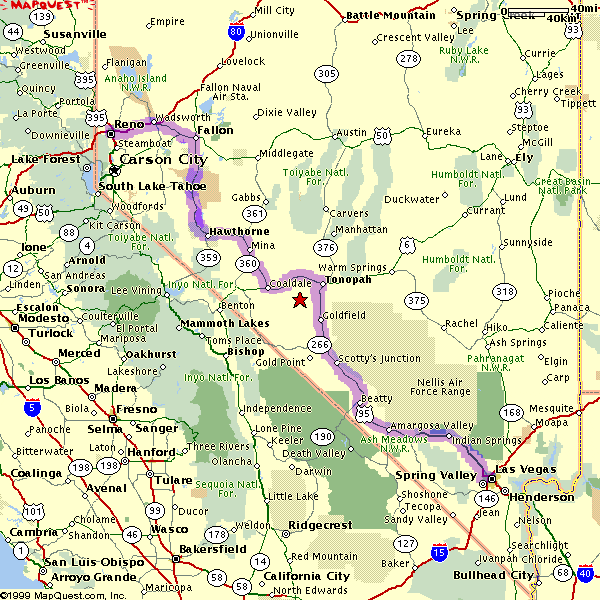
Generally, the direct driving distance between Las Vegas and Reno is approximately 440 to 450 miles (708 to 724 kilometers), depending on the exact starting and ending points and the chosen route. This translates to an average driving time of 7 to 8 hours under optimal conditions, without significant stops or traffic delays. It’s a journey that takes travelers through a diverse cross-section of Nevada’s terrain, from the arid beauty of the Mojave Desert to the high desert landscapes bordering the Sierra Nevada mountains.
Several primary routes connect the two cities:
- US-95 S/N (The Most Direct Route): This is typically the quickest and most straightforward path. Traveling primarily on US-95 S (from Reno to Las Vegas) or US-95 N (from Las Vegas to Reno), this highway cuts diagonally across the state. Along the way, drivers will pass through towns like Tonopah and Hawthorne, offering glimpses into rural Nevada life and historical mining communities. While scenic in its own stark way, this route is largely characterized by long, open stretches of road through expansive desert.
- The Eastern Route (via US-93 S): Another option, slightly longer, involves taking I-80 E from Reno towards Fallon and then heading south on US-93 S. This route eventually merges with US-95 S closer to Las Vegas. It offers a different perspective of Nevada’s eastern plains and mountain ranges.
- Scenic Detours (Longer, but Rewarding): For those with more time and a desire for adventure, a scenic detour might involve passing closer to Death Valley National Park or even a portion of the Extraterrestrial Highway (State Route 375). These options significantly extend travel time but promise unique landscapes and memorable stops, appealing to travelers seeking more than just a direct drive.
Factors Influencing Travel Duration
The 7-8 hour estimate is a baseline. Several factors can influence the actual travel duration:
- Traffic: While major cities like Las Vegas and Reno can experience rush hour congestion, the open highways between them are generally free-flowing. However, special events, holidays, or accidents can cause delays.
- Weather Conditions: Nevada’s weather can be unpredictable. Summer heat in the Mojave Desert can be intense, while winter storms can affect roads, particularly closer to Reno and the Sierra Nevada. Snow and ice can close mountain passes or make driving hazardous.
- Stops: The long drive necessitates fuel stops, restroom breaks, and opportunities for meals. Planning for these, especially in sparsely populated areas, is crucial. For those turning the drive into a true road trip, additional stops for sightseeing or photos will naturally extend the journey.
- Vehicle Performance: The type of vehicle, its fuel efficiency, and the driver’s comfort level with long-distance driving also play a role. Ensuring your vehicle is well-maintained for such a trip is highly recommended.
Navigating the Nevada Landscape: Transportation Options
While driving is arguably the most popular way to travel between Las Vegas and Reno, it’s not the only option. Depending on budget, time constraints, and travel preferences, visitors can choose from several modes of transportation, each offering a distinct experience.
Driving: The Most Popular Choice
Driving offers unparalleled flexibility, allowing travelers to set their own pace, make spontaneous stops, and explore off-the-beaten-path attractions. Many visitors opt to rent a car, especially if they fly into one city and plan to explore beyond the urban core or continue their journey into neighboring states like California.
Pros:
- Flexibility: Depart and arrive on your schedule.
- Sightseeing: Opportunity to stop at unique roadside attractions, ghost towns, or natural landmarks.
- Cost-Effective for Groups: Can be more economical than flying for multiple travelers.
Cons:
- Time Commitment: 7-8 hours of driving can be tiring.
- Fuel Costs: Can add up over such a long distance.
- Vehicle Wear: Requires a reliable vehicle.
Air Travel: Speed and Convenience
For those prioritizing speed and minimizing travel time, flying is the most efficient option. Direct flights between Harry Reid International Airport (formerly McCarran International Airport) in Las Vegas and Reno-Tahoe International Airport in Reno are readily available.
Pros:
- Speed: Flight time is typically around 1 to 1.5 hours.
- Comfort: Less physically demanding than driving.
- Convenience: Ideal for business travelers or those with limited time.
Cons:
- Cost: Generally more expensive than driving, especially when factoring in baggage fees and airport transfers.
- Airport Formalities: Requires arriving early, going through security, and dealing with potential delays.
- Limited Scenery: Misses the unique landscapes and small towns of Nevada.
Bus and Train Services: Budget-Friendly Journeys
For travelers on a tighter budget or those who prefer to relax and let someone else handle the driving, bus services offer a viable alternative. Companies like Greyhound provide routes connecting Las Vegas and Reno, though these journeys are considerably longer than driving, often taking 9-12 hours due to multiple stops and transfers.
Train travel via Amtrak is not a direct or convenient option between these two cities. While Amtrak serves Reno (on the California Zephyr route), there isn’t a direct Amtrak line connecting to Las Vegas, making it an impractical choice for this specific journey unless part of a much longer, multi-leg rail adventure.
Pros (Bus):
- Affordability: Usually the cheapest transportation option.
- Relaxation: No need to drive or navigate.
- Environmental: Generally more eco-friendly than individual car travel or short-haul flights.
Cons (Bus):
- Time-Consuming: Significant travel time due to stops.
- Less Flexible: Adherence to a fixed schedule.
- Comfort: Can be less comfortable for extended periods compared to a personal vehicle or flight.
Beyond the Miles: What Awaits in Each City
The journey between Las Vegas and Reno isn’t just about covering distance; it’s about transitioning between two distinct urban experiences. Each city has carved out its own niche in the world of tourism and lifestyle, offering a wealth of attractions, accommodations, and unique cultural flavors.
Las Vegas: The Entertainment Capital of the World
Las Vegas needs little introduction. Renowned globally as the “Entertainment Capital of the World,” it is a dazzling oasis of luxury resorts, world-class entertainment, gourmet dining, and exhilarating nightlife. The city thrives on excess and spectacle, offering an experience designed to awe and inspire.
Key Attractions & Experiences:
- The Las Vegas Strip: Home to iconic resorts like Bellagio (famous for its dancing fountains), Caesars Palace, and The Venetian, the Strip is a wonderland of themed architecture, casinos, and high-end shopping.
- Shows and Entertainment: From residencies by global music superstars to Cirque du Soleil productions, magic shows, and comedy acts, Las Vegas offers an unparalleled array of live performances.
- Dining: The city boasts an incredible culinary scene, with celebrity chef restaurants, all-you-can-eat buffets, and diverse international cuisine options catering to every palate and budget.
- Nightlife: Clubs, bars, and lounges featuring top DJs and unique themes ensure that the party never stops.
- Fremont Street Experience: Downtown Las Vegas offers a different vibe, with the immersive LED canopy show, street performers, and a historic atmosphere.
- Nearby Natural Wonders: Just a short drive away are breathtaking natural attractions like the Hoover Dam and the vibrant red rock formations of Red Rock Canyon National Conservation Area, offering opportunities for hiking, biking, and scenic drives away from the city bustle.
Reno: The Biggest Little City in the World
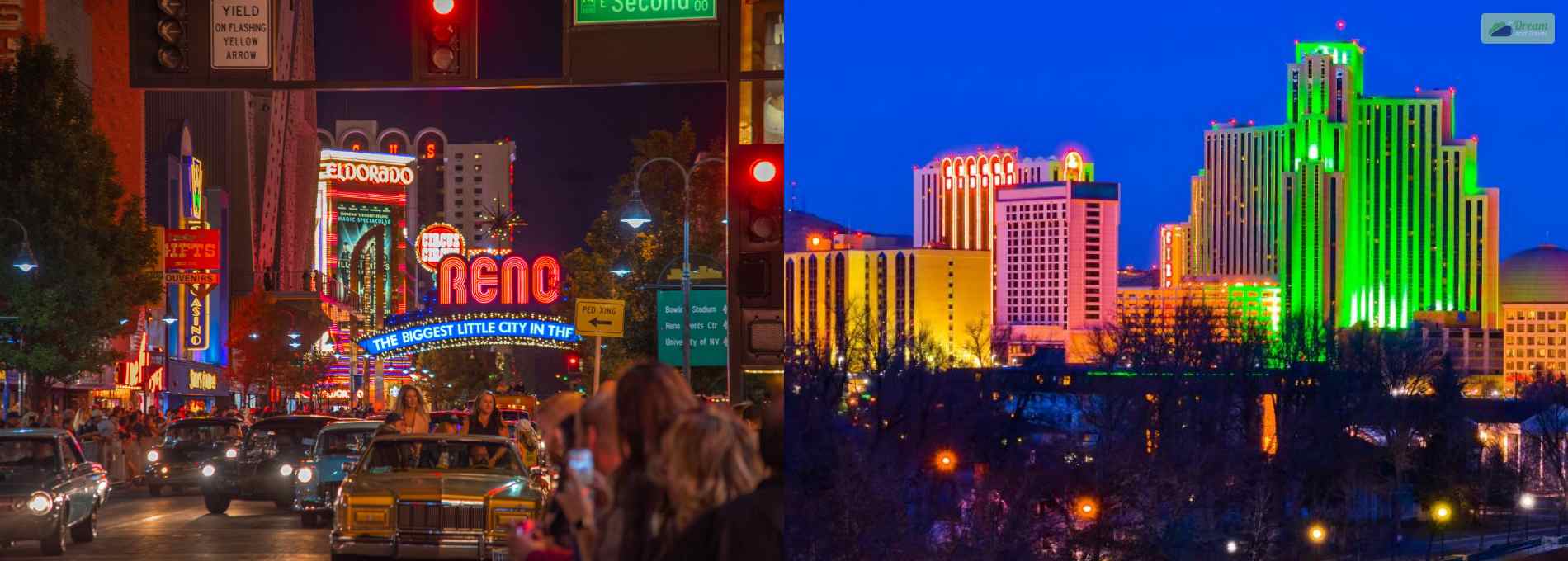
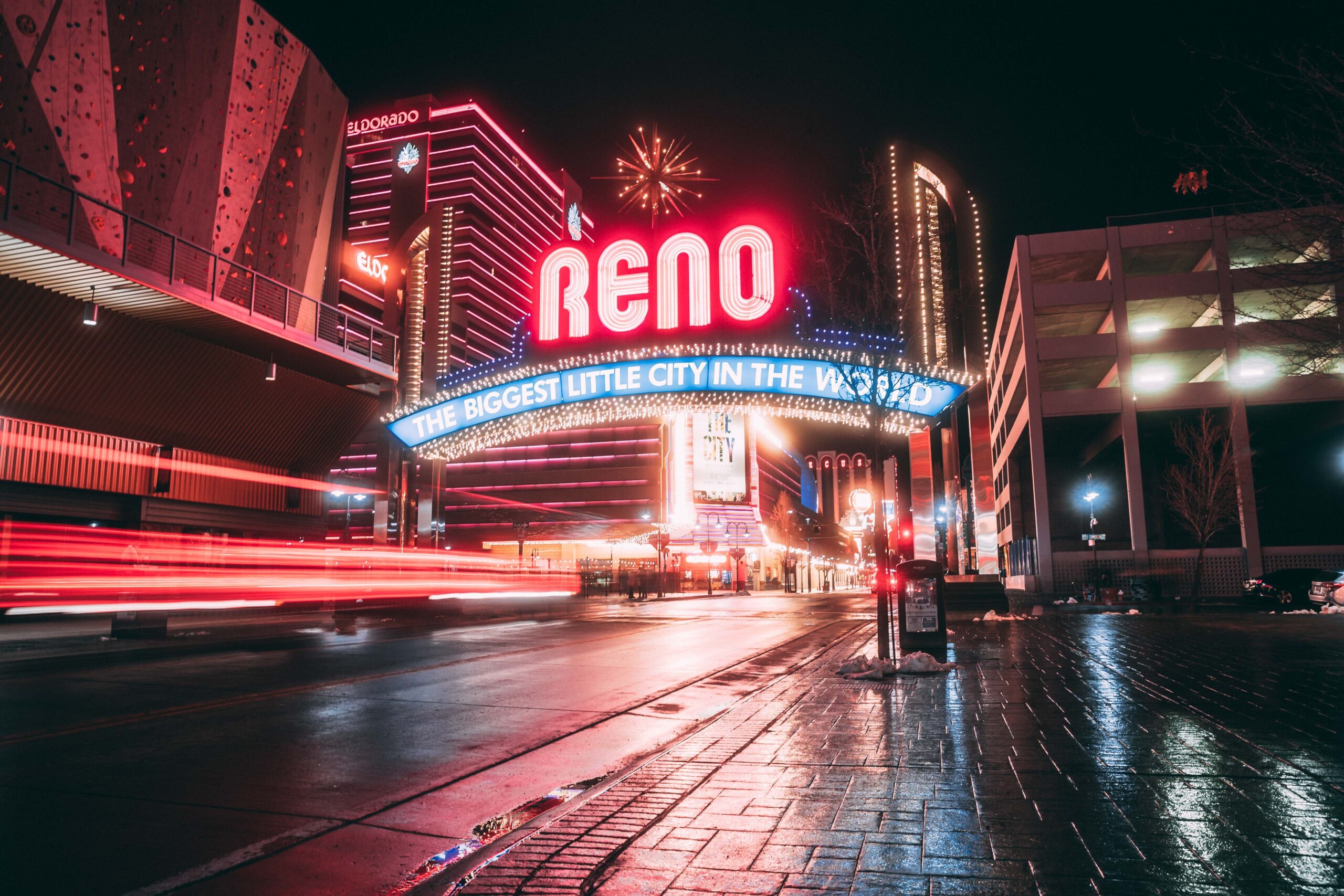
North of Las Vegas lies Reno, famously known as “The Biggest Little City in the World.” While it shares Nevada’s gaming heritage, Reno offers a more relaxed, outdoor-oriented atmosphere, heavily influenced by its proximity to the stunning Sierra Nevada mountains and Lake Tahoe.
Key Attractions & Experiences:
- Gaming Resorts: Reno has its own impressive collection of casinos and resorts, such as the Grand Sierra Resort and the Atlantis Casino Resort Spa, offering gaming, entertainment, and fine dining, often at a more accessible price point than Las Vegas.
- Riverwalk District: The Truckee River runs through the heart of Reno, creating a picturesque Riverwalk District with shops, restaurants, art galleries, and a vibrant arts scene.
- Outdoor Activities: This is where Reno truly shines. Its proximity to Lake Tahoe means unparalleled access to skiing, snowboarding, hiking, mountain biking, and water sports. The scenic beauty of the Sierra Nevada is a constant draw.
- Museums and Culture: The National Automobile Museum, with its impressive collection of classic cars, and the Nevada Museum of Art offer cultural enrichment.
- Events and Festivals: Reno hosts numerous events throughout the year, including Hot August Nights (classic car show) and the Great Reno Balloon Race.
Planning Your Journey and Stay: Tips for Travelers
Whether you’re embarking on a solo adventure, a family vacation, a luxury escape, or a budget-conscious trip, planning is crucial for maximizing your experience between Las Vegas and Reno.
Accommodation Choices: From Luxury Resorts to Boutique Stays
Both cities offer a wide spectrum of accommodation options, catering to every style and budget.
- Las Vegas: Known for its mega-resorts, Las Vegas provides an abundance of luxury hotels with elaborate themes, multiple pools, spas, and extensive dining and entertainment venues. Boutique hotels offer a more intimate experience, while off-Strip properties and downtown options can provide more budget-friendly stays. Booking in advance, especially during peak seasons, is highly recommended to secure the best rates and desired amenities.
- Reno: While Reno also features large casino resorts, its lodging options often feel a bit more grounded and, on average, are more affordable than those in Las Vegas. You’ll find a good mix of established hotels, charming boutique properties in the Riverwalk District, and convenient stays close to the airport or specific attractions. Consider booking a stay that aligns with your planned activities, whether it’s easy access to the slopes of Lake Tahoe or the vibrant downtown core.
When selecting accommodation, always check guest reviews, compare prices across various booking platforms, and consider the amenities important to you, such as Wi-Fi, fitness centers, pools, and complimentary breakfast.
Budgeting and Lifestyle Considerations
The lifestyle you seek will significantly influence your budget and itinerary.
- Luxury Travel: If indulgence is your aim, both cities deliver. In Las Vegas, this means staying at five-star resorts, dining at Michelin-starred restaurants, attending high-profile shows, and perhaps chartering a private flight or luxury car rental. In Reno, luxury might involve a lavish suite at a premier resort, private excursions to Lake Tahoe, or exclusive spa treatments.
- Budget Travel: It’s entirely possible to experience Nevada on a budget. Opt for bus travel or carpooling, stay at more affordable hotels or vacation rentals, take advantage of free attractions (like strolling the Las Vegas Strip or hiking near Reno), and seek out happy hour deals or casual dining spots.
- Family Trips: While Las Vegas is often seen as an adult playground, it offers family-friendly attractions like amusement park rides, unique shows, and themed hotel experiences. Reno, with its proximity to outdoor activities and a more relaxed atmosphere, is often naturally appealing for families, especially those who enjoy nature and adventure.
- Business Stays: Both cities host numerous conventions and business events. Hotels cater to business travelers with meeting facilities, business centers, and executive lounges. Proximity to convention centers or client locations is a key factor.
Making the Most of Your Nevada Adventure
To truly savor the journey between Las Vegas and Reno, consider these tips:
- Plan Ahead: Especially for longer drives or flights, having your route, stops, and accommodations planned can save time and reduce stress.
- Stay Hydrated: The desert climate of Nevada can be very dry. Always carry plenty of water, especially if driving or engaging in outdoor activities.
- Dress in Layers: Temperatures can fluctuate dramatically, particularly between day and night, and between the desert and mountain regions.
- Embrace the Contrast: Appreciate the unique character of each city. Las Vegas offers high-octane excitement, while Reno provides a blend of gaming and outdoor tranquility. This contrast is a highlight of any Nevada journey.
In conclusion, the distance between Las Vegas and Reno is a substantial 440-450 miles, making for a significant journey whether by road or air. However, the travel experience is an integral part of understanding the vibrant tapestry of Nevada. From the glamorous lights of the “Entertainment Capital” to the rugged beauty surrounding “The Biggest Little City,” a trip connecting these two hubs promises a diverse and memorable adventure for every type of traveler.