
Nestled along the captivating coastline of Southern California, the vibrant city of Long Beach offers a unique blend of urban sophistication and laid-back beach town charm. Often considered a gateway to the broader Greater Los Angeles Area, it naturally sparks the question for many travelers and residents alike: “How far is Long Beach, California from Los Angeles?” The answer, while seemingly straightforward, unravels into a fascinating exploration of distance, travel options, and the distinct experiences awaiting visitors in both iconic destinations.
Understanding the proximity between these two significant California cities is crucial for planning everything from quick day trips and business commutes to extended vacations exploring the diverse tapestry of the region. While geographically close, the journey between them can vary dramatically depending on the mode of transport, time of day, and specific starting and ending points within their expansive urban footprints. This guide delves deep into the practicalities of bridging this gap, offering insights into travel logistics, highlighting key attractions in both locales, and providing essential tips to ensure your Southern California adventure is as smooth and enjoyable as possible. Whether you’re a first-time visitor or a seasoned local looking for new perspectives, understanding the dynamic relationship between Long Beach and Los Angeles is the first step towards unlocking an unforgettable journey.
The Proximity Paradox: Unpacking the Distance
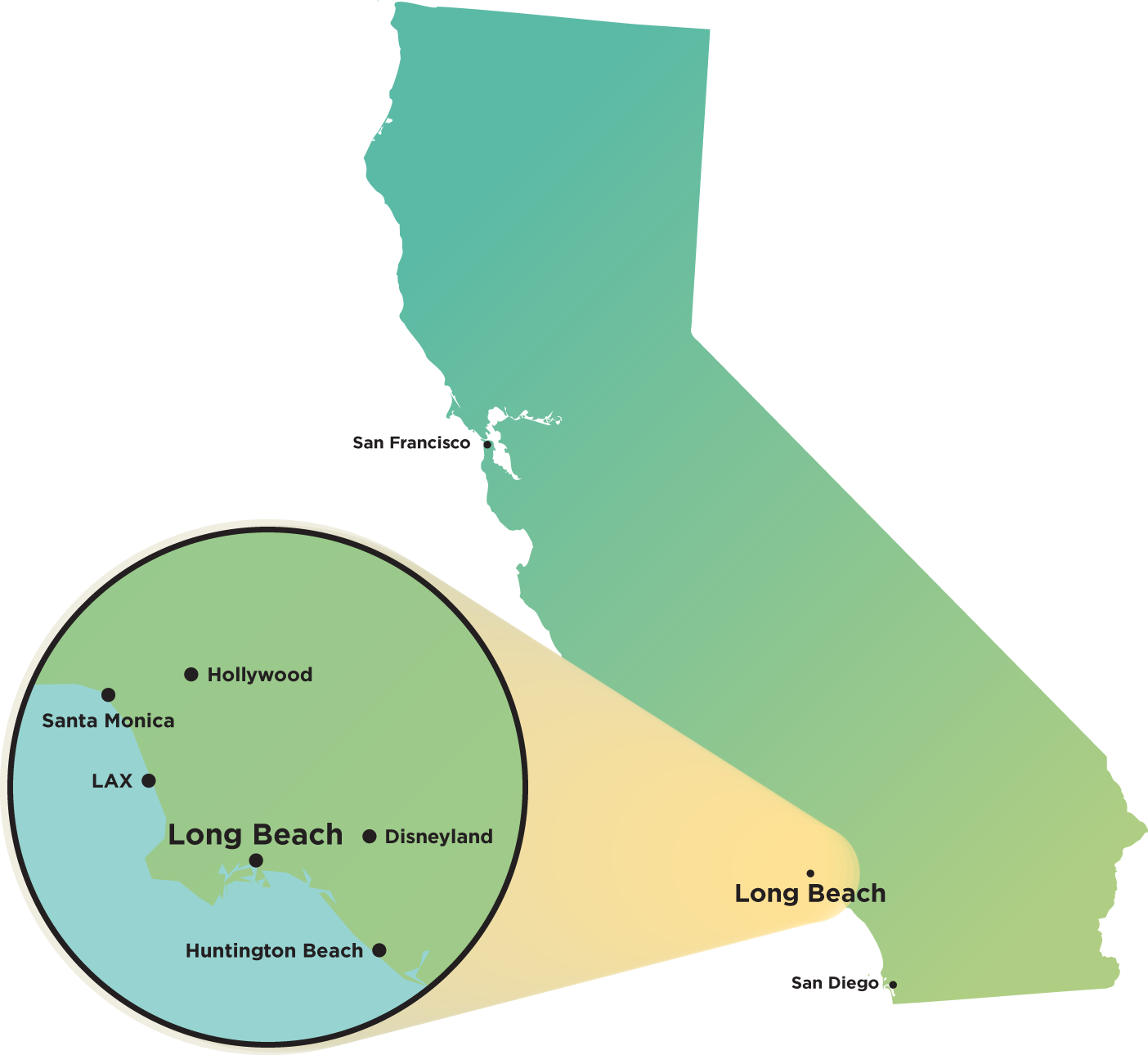
At its core, the distance between Long Beach and Los Angeles is remarkably short, yet the travel time can tell a very different story. Typically, the heart of Long Beach (like its downtown area) is roughly 20 to 25 miles south of Downtown Los Angeles. This seemingly modest mileage can translate into travel times ranging from a swift 30 minutes in ideal conditions to well over an hour (or even longer) during peak traffic hours. The concept of “distance” in Southern California is often measured more in minutes and hours than in miles, a testament to the region’s dynamic, and often congested, freeway system.
For travelers, commuters, and tourists, this proximity means that Long Beach can serve as an excellent base for exploring the wider Los Angeles area, or vice-versa, making it easy to hop between the distinct atmospheres of each city. The journey itself becomes part of the experience, offering glimpses of diverse neighborhoods, sprawling urban landscapes, and sometimes, even scenic coastal stretches.
By Car: Navigating the Freeway Labyrinth
Driving is, for many, the default mode of transportation in Southern California, and the routes between Long Beach and Los Angeles are well-established. The most direct route typically involves the I-710 Freeway, also known as the Long Beach Freeway, which runs north from the port directly into Downtown Los Angeles. This artery is a primary commercial corridor and can be very busy, especially during rush hour periods (generally 6-10 AM and 3-7 PM on weekdays).
Alternatively, drivers might utilize sections of the I-405 (San Diego Freeway), especially if heading to western Los Angeles neighborhoods like Santa Monica or LAX. For those traveling further into Orange County or needing to access points further east in Los Angeles, the I-5 (Santa Ana Freeway) also plays a significant role. Navigating these freeways requires attention to real-time traffic updates, which are readily available via navigation apps, local radio, and digital freeway signs. While a car offers flexibility and convenience for exploring diverse attractions, it’s essential to factor in potential delays and the cost of parking, which can be substantial in metropolitan areas.
Public Transportation: A Greener Alternative
For those seeking to avoid traffic and parking hassles, public transportation offers a viable and often more relaxing option. Los Angeles County Metropolitan Transportation Authority, widely known as Metro, operates an extensive rail and bus network connecting Long Beach to various parts of Los Angeles.
The most popular route is the METRO A Line (formerly the Blue Line), a light rail service that directly connects Downtown Long Beach with Downtown Los Angeles. This scenic ride takes approximately 50-60 minutes and provides a stress-free way to commute or travel between the cities. The A Line also offers connections to other Metro rail lines, allowing access to Hollywood, Pasadena, Santa Monica, and more.
Additionally, regional rail services like Amtrak and Metrolink serve nearby stations, offering connections to a broader Southern California network, including routes to San Diego or inland Orange County. For airport access, Long Beach Airport (LGB) offers convenient regional flights, while Los Angeles International Airport (LAX) is a major international hub, accessible from Long Beach via shuttle services, ride-shares, or a combination of public transport routes.
Beyond the Wheel: Cycling and Ride-Sharing
For the adventurous and eco-conscious, cycling can be an option, especially for shorter distances within Long Beach or between adjacent neighborhoods. While a full cycling trip between Long Beach and Los Angeles is a considerable undertaking for experienced cyclists, paths like the Marvin Braude Beach Trail (also known as “The Strand”) offer stunning coastal rides within the region. However, this is more suited for recreational activity than primary transportation between the two city centers.
Ride-sharing services like Uber and Lyft are ubiquitous in Southern California, offering a convenient door-to-door solution. Fares can vary significantly based on demand, distance, and time of day, but they provide a flexible alternative to taxis or personal vehicles, especially for those who prefer not to navigate unfamiliar roads or public transport systems. This option bridges the gap between the cost-effectiveness of public transit and the convenience of driving your own car, making it a popular choice for many visitors.
A Tale of Two Cities: Distinct Charms and Connected Experiences
While geographically close, Long Beach and Los Angeles each boast their own unique identity, attractions, and cultural flavors. This proximity allows visitors to experience the best of both worlds, making Southern California an incredibly diverse travel destination. From the maritime history of Long Beach to the glitz and glamour of Hollywood, every traveler can curate an itinerary that suits their interests.
Discovering the Best of Long Beach
Long Beach offers a refreshingly distinct experience from its larger northern neighbor. It’s a city proud of its waterfront, vibrant arts scene, and diverse neighborhoods.
One of its most iconic landmarks is The Queen Mary, a majestic ocean liner permanently docked and serving as a hotel, museum, and event venue. Nearby, the Aquarium of the Pacific is a world-class institution dedicated to the marine life of the Pacific Ocean, offering engaging exhibits for all ages. Adjacent to the aquarium is Shoreline Village, a charming waterfront complex with shops, restaurants, and entertainment, perfect for a leisurely stroll.
Beyond the waterfront, Long Beach features the picturesque Naples Canals, where visitors can enjoy gondola rides reminiscent of Venice. The city’s thriving arts and culture scene is evident in institutions like the Museum of Latin American Art (MoLAA) and the various galleries and street art found throughout the city. The Long Beach Convention & Entertainment Center hosts numerous events, concerts, and conventions year-round, adding to the city’s dynamic energy.
For shopping and dining, Belmont Shore offers a lively atmosphere with boutique shops and diverse eateries, while Fourth Street Retro Row is a haven for vintage enthusiasts. Long Beach also serves as the main departure point for the Catalina Express, providing easy access to the scenic Catalina Island for a fantastic day trip or overnight stay.
Exploring Los Angeles from a Long Beach Base
While Long Beach holds its own allure, its strategic location makes it an ideal launchpad for exploring the iconic attractions of Los Angeles. Many visitors opt to stay in Long Beach for its often more relaxed pace and potentially more accessible accommodation options, commuting into LA for day trips.
From Long Beach, you can easily reach Hollywood to see the Hollywood Walk of Fame, the TCL Chinese Theatre, and the Hollywood Sign. A visit to Universal Studios Hollywood promises thrilling rides and behind-the-scenes glimpses of movie magic. For panoramic views of the city and stargazing opportunities, the Griffith Observatory is a must-see.
The beaches of Santa Monica and its famous Santa Monica Pier are also within comfortable reach, offering a classic Southern California coastal experience. Art enthusiasts will appreciate the architectural marvel and extensive collections at the Getty Center, offering stunning views alongside cultural enrichment.
Even family-friendly destinations like Disneyland Park in nearby Anaheim are a relatively short drive or public transport ride away, making a Long Beach stay a practical choice for theme park adventures. The diverse array of experiences, from sandy beaches to bustling cityscapes, truly makes Southern California a playground for all types of travelers.
Planning Your Journey: Accommodation and Lifestyle Choices
When embarking on a trip to Southern California, deciding where to stay and how to immerse yourself in the local lifestyle is paramount. The choice between Long Beach and Los Angeles as your home base often comes down to budget, preferred atmosphere, and desired daily activities. Both cities offer a wide range of accommodation options and distinct cultural experiences.
Where to Stay: Hotels, Resorts, and Unique Stays
In Long Beach:
Long Beach provides a variety of hotels that cater to different preferences and budgets. For a luxurious waterfront experience, the Hyatt Regency Long Beach and The Westin Long Beach offer stunning harbor views and proximity to major attractions like the Aquarium of the Pacific and Shoreline Village. For a more boutique and unique stay, the Hotel Maya, a DoubleTree by Hilton Hotel provides a Latin American-inspired ambiance with fantastic views of the city skyline and The Queen Mary. Another stylish option is the Hotel Indigo Long Beach, known for its vibrant decor and downtown location, making it easy to explore the city’s urban core. For those seeking historical charm, a stay aboard The Queen Mary itself offers an unparalleled experience, stepping back in time aboard a legendary ocean liner. Vacation rentals and serviced apartments are also popular, particularly for longer stays or for families seeking more space and amenities.
In Los Angeles:
Los Angeles offers an even more expansive array of accommodation, from opulent resorts to chic boutique hotels and budget-friendly options spread across its many districts. In Beverly Hills, you can indulge in ultimate luxury at icons like The Beverly Hills Hotel or the Waldorf Astoria Beverly Hills. For those focused on entertainment, areas near Universal Studios Hollywood, such as Studio City, offer convenient stays like The Garland. Trendy options like the W Los Angeles – West Beverly Hills cater to a younger, fashion-forward crowd. Downtown Los Angeles has seen a resurgence in recent years, with numerous modern hotels and historical buildings converted into upscale accommodations, perfect for business travelers or those wanting to be close to cultural institutions and sports venues.
Choosing between the two often comes down to your priorities: Long Beach typically offers a slightly more relaxed atmosphere with easier navigation and often more competitive hotel pricing, while Los Angeles provides immediate access to world-renowned attractions, albeit with potentially higher costs and more intense urban dynamics.
Culinary Adventures and Local Culture
Both Long Beach and Los Angeles are culinary hotspots, each boasting distinct flavors and cultural experiences.
Long Beach’s Culinary Scene:
Long Beach is celebrated for its diverse food scene, reflecting its multicultural population. You’ll find everything from fresh seafood restaurants along the harbor to authentic ethnic eateries in neighborhoods like Cambodian Town. Belmont Shore and 2nd Street are bustling with cafes, gastropubs, and fine dining establishments. The city also has a growing craft brewery scene and farmers’ markets, showcasing local produce and artisanal goods. The annual Long Beach Pride Parade & Festival and various cultural events held at the Long Beach Convention & Entertainment Center offer glimpses into the city’s vibrant community spirit.
Los Angeles’s Epicurean Delights:
Los Angeles is a global culinary capital, renowned for its innovative chefs, celebrity dining experiences, and an incredible array of international cuisines. From the high-end restaurants in Beverly Hills and West Hollywood to the vibrant food truck culture and diverse ethnic enclaves like Koreatown, Little Tokyo, and Olvera Street, the city offers an endless gastronomic adventure. Beyond food, LA is a hub for arts, fashion, and entertainment. Catch a show at the Hollywood Bowl, The Forum, or the Crypto.com Arena, explore the museums along Museum Row, or simply soak in the energy of its iconic neighborhoods.
Maximizing Your Southern California Experience
To truly maximize your Southern California experience, consider blending the distinct offerings of both cities. A strategic approach could involve spending a few days exploring Long Beach’s maritime charm, historic sites, and relaxed atmosphere, then dedicating subsequent days to Los Angeles’s sprawling entertainment, cultural landmarks, and diverse districts. This way, you get to enjoy the best of urban excitement and coastal tranquility.
Purchasing a Metro TAP card is advisable for utilizing public transportation efficiently. For drivers, understanding the peak traffic hours and utilizing navigation apps with real-time updates is non-negotiable. Don’t forget to explore day trips to nearby natural wonders or coastal towns. The flexibility of having both cities within easy reach opens up a wealth of possibilities for a truly memorable vacation.
Seamless Travel: Tips for a Smooth SoCal Adventure
A trip to Southern California, whether primarily focused on Long Beach or Los Angeles or a combination of both, promises excitement and discovery. However, a little planning goes a long way in ensuring a seamless and enjoyable experience, particularly when navigating the region’s unique travel landscape.
Traffic Management and Timing Your Trip
Traffic is an undeniable reality of traveling in the Greater Los Angeles Area. To minimize time spent in congestion:
- Avoid Peak Hours: If driving, try to schedule your travel between 10 AM and 3 PM on weekdays, and be mindful of Friday afternoon and Sunday evening traffic, which can be heavy.
- Utilize Navigation Apps: Waze and Google Maps provide real-time traffic updates and often suggest alternative routes, though these can sometimes lead you onto less direct, but faster, surface streets.
- Consider Public Transit: For journeys between Long Beach and Downtown Los Angeles, the METRO A Line is often the fastest and most stress-free option.
- Weekend Travel: While weekends can have their own traffic patterns, they generally offer a less intense driving experience compared to weekday rush hours, especially on major freeways like the I-710, I-405, and I-5.
- Parking: Research parking options and costs at your destinations in advance. Many attractions offer dedicated parking lots, but street parking can be tricky to find and often comes with strict time limits and regulations.

Essential Packing and Local Etiquette
Packing smart can enhance your Southern California journey, as the climate can vary.
- Layered Clothing: Even in summer, evenings can be cool, especially near the coast. Layers are always a good idea.
- Comfortable Walking Shoes: You’ll likely do a lot of walking, whether exploring urban centers, theme parks, or beach promenades.
- Sun Protection: Sunscreen, hats, and sunglasses are essential year-round, given the abundant California sunshine.
- Reusable Water Bottle: Stay hydrated, especially if you’re out and about for extended periods.
- Beach Essentials: If planning to hit the beaches of Long Beach or Santa Monica, bring swimwear, a towel, and perhaps a light cover-up.
Regarding local etiquette, Southern California is generally laid-back and diverse. However, a few tips can help:
- Be Patient: Especially in traffic or crowded attractions.
- Respect Local Rules: Pay attention to parking signs, beach regulations, and public transit guidelines.
- Embrace Diversity: LA and Long Beach are melting pots of cultures. Be open to new experiences and culinary adventures.
- Tipping: Standard tipping practices apply in restaurants (15-20% for good service) and for ride-share drivers and other service providers.
In conclusion, the distance between Long Beach and Los Angeles is a bridge easily crossed, opening up a world of discovery. By understanding the transportation options, appreciating the unique characteristics of each city, and planning wisely, you can craft a memorable and enriching Southern California adventure that seamlessly blends urban excitement with coastal relaxation.