
Embarking on a journey across the vast and vibrant state of California often involves contemplating the significant distance between its two most iconic metropolitan hubs: Los Angeles and San Francisco. These cities, while sharing the Golden State’s unique charm, possess distinct personalities and offer vastly different experiences, making the journey between them an adventure in itself. For travelers eager to explore California’s diverse landscapes and cultures, understanding this distance and the various ways to traverse it is the first step in planning an unforgettable itinerary. Whether you’re seeking the glitz and glamour of Hollywood or the fog-kissed hills and tech innovation of Silicon Valley, the route from Los Angeles to San Francisco (or vice-versa) is a quintessential California experience, ripe with opportunities for sightseeing, cultural immersion, and luxurious or budget-friendly stays. This comprehensive guide will delve into the precise distances, estimated travel times by various modes, and the unique attractions that make this journey a highlight of any California adventure.
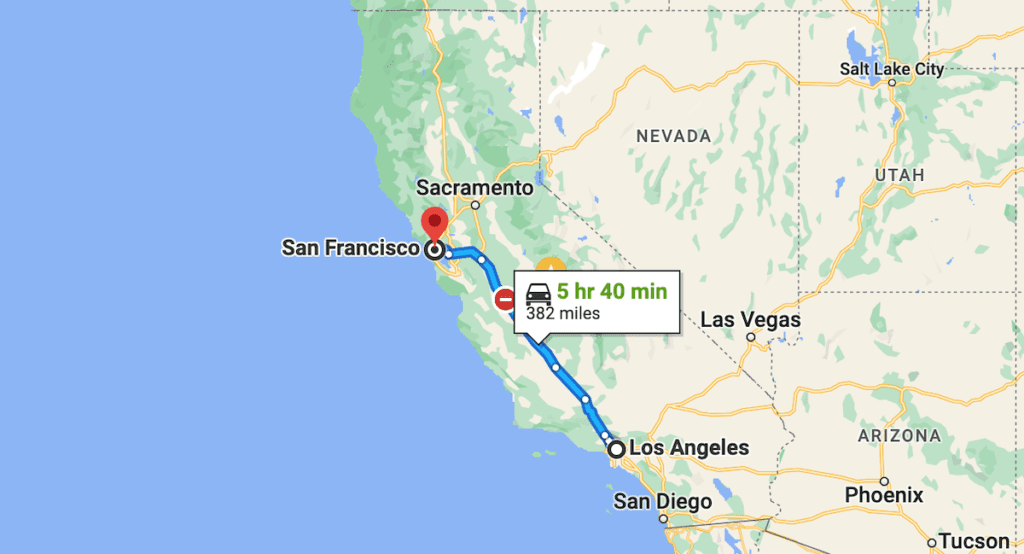
The Great California Divide: Understanding the Distance
The geographical separation between Los Angeles and San Francisco is substantial, spanning hundreds of miles through varied terrains. Understanding this fundamental distance is crucial for anyone planning a trip, as it directly influences travel time, mode of transport, and the overall rhythm of your California experience. Depending on the specific starting and ending points within these sprawling cities, the distance can fluctuate slightly, but generally, we’re talking about a significant cross-state endeavor.
By Road: The Classic California Road Trip
Driving is, without a doubt, the most popular and flexible way to travel between Los Angeles and San Francisco, embodying the spirit of the California road trip. The direct distance by road is approximately 380 to 400 miles (610 to 640 kilometers). However, the travel time can vary significantly based on traffic, chosen route, and the number of stops you make along the way.
- Estimated Driving Time (Direct): Without significant stops or heavy traffic, the drive typically takes 5.5 to 7 hours. This assumes a relatively consistent speed on the fastest routes.
- Factors Affecting Time: Traffic, especially around urban areas like Los Angeles, San Francisco, and sometimes San Jose, can add hours to your journey. Construction, accidents, and even weather conditions (especially fog near San Francisco or rain in the Central Valley) can also impact travel duration.
For those who view the journey as part of the destination, a road trip offers unparalleled freedom to explore hidden gems, coastal towns, and scenic overlooks that define the California landscape. It’s a lifestyle choice for many, allowing for spontaneous detours and immersion in local culture.
Soaring Above: Air Travel Between the Metropolises
For travelers prioritizing speed and convenience, flying is the fastest option. The direct flight distance, as the crow flies, is approximately 347 miles (558 kilometers).
- Flight Duration: Actual flight time is typically a brief 1 hour to 1 hour and 15 minutes.
- Total Travel Time: However, remember to factor in transit to and from airports, security checks, and boarding. From downtown to downtown, the total travel time can easily stretch to 3 to 5 hours when considering these additional steps.
- Main Airports:
- Los Angeles Area: Los Angeles International Airport (LAX) is the primary hub, but Burbank Bob Hope Airport (BUR), Long Beach Airport (LGB), and John Wayne Airport (SNA) in Orange County also serve the region.
- [San Francisco] Bay Area: San Francisco International Airport (SFO) is the main gateway, with Oakland International Airport (OAK) and San Jose International Airport (SJC) offering additional options, often with competitive fares.
Flying is often the preferred choice for business travelers or those on tight schedules, transforming a long drive into a quick hop, allowing more time to enjoy the attractions and experiences each city offers.
Rail and Bus: Scenic and Economical Options
For budget-conscious travelers or those seeking a more relaxed journey without the hassle of driving or flying, trains and buses present viable alternatives. These modes offer a different perspective on the California landscape and can be a great way to meet fellow travelers.
- Train (Amtrak): Amtrak offers routes connecting Los Angeles and the San Francisco Bay Area. The popular Coast Starlight route runs along the scenic coastline for part of the journey, offering stunning views. Another option is the San Joaquin route, which takes travelers through the Central Valley.
- Travel Time: A train journey can take anywhere from 9 to 12 hours, depending on the route and connections. While longer than driving or flying, it’s often lauded for its comfort, legroom, and the opportunity to simply relax and watch the scenery unfold.
- Experience: Amtrak provides a unique travel experience, often featuring dining cars, observation cars, and a chance to experience a slower pace of travel, perfect for those who enjoy the journey itself.
- Bus (Greyhound, FlixBus, etc.): Bus services are the most economical option, connecting downtown areas directly.
- Travel Time: Bus trips typically range from 6.5 to 9 hours, depending on the number of stops and traffic conditions.
- Cost-Effectiveness: This mode of transport is ideal for backpackers, students, or anyone looking to minimize travel expenses. Modern buses often come equipped with Wi-Fi and power outlets, making the long journey more bearable.
Each mode of transport offers a distinct travel experience, catering to different budgets, time constraints, and preferences for how to explore the distance between these two California giants.
Crafting Your Journey: Iconic Routes and Travel Styles
When planning a road trip between Los Angeles and San Francisco, the choice of route can profoundly impact your experience. California offers diverse landscapes, and the primary highways reflect this variety, each promising a unique journey. From the utilitarian speed of an inland interstate to the winding beauty of the coastal roads, selecting your path is a crucial part of the travel planning process, influencing not just time but also the very essence of your California adventure.
The Speedy Interstate 5 Dash
For those prioritizing efficiency and speed, Interstate 5 (I-5) is the undisputed champion. This route cuts directly through California’s vast Central Valley, known for its agricultural prowess.
- Distance: Approximately 380 miles.
- Driving Time: 5.5 to 6.5 hours.
- Pros: Fastest option, relatively flat and straight, fewer turns, often less traffic outside of peak urban areas.
- Cons: Can be monotonous, with limited scenic views compared to coastal routes. Services are available but less frequent than on US Route 101.
- Ideal For: Business travelers, those on a tight schedule, or anyone who simply wants to get from point A to point B as quickly as possible. While not the most picturesque, it’s undeniably the most practical for speed.
The Scenic US Route 101 Adventure
US Route 101 offers a more balanced approach, combining efficiency with significant stretches of scenic beauty, particularly along the central coast.
- Distance: Approximately 400-420 miles, depending on exact starting/ending points.
- Driving Time: 6.5 to 8 hours, without significant stops.
- Pros: More varied landscape, passing through charming towns like Santa Barbara, San Luis Obispo, and Paso Robles. Offers glimpses of the Pacific Ocean and rolling hills. Abundant services and dining options.
- Cons: Can encounter more traffic, especially in and around the coastal cities and the Bay Area.
- Ideal For: Travelers who want a good mix of speed and scenery, with opportunities for quick stops and exploration without adding excessive time to the journey. It’s a great option for families or those looking for a slightly more engaging drive than I-5.
The Breathtaking Pacific Coast Highway Experience
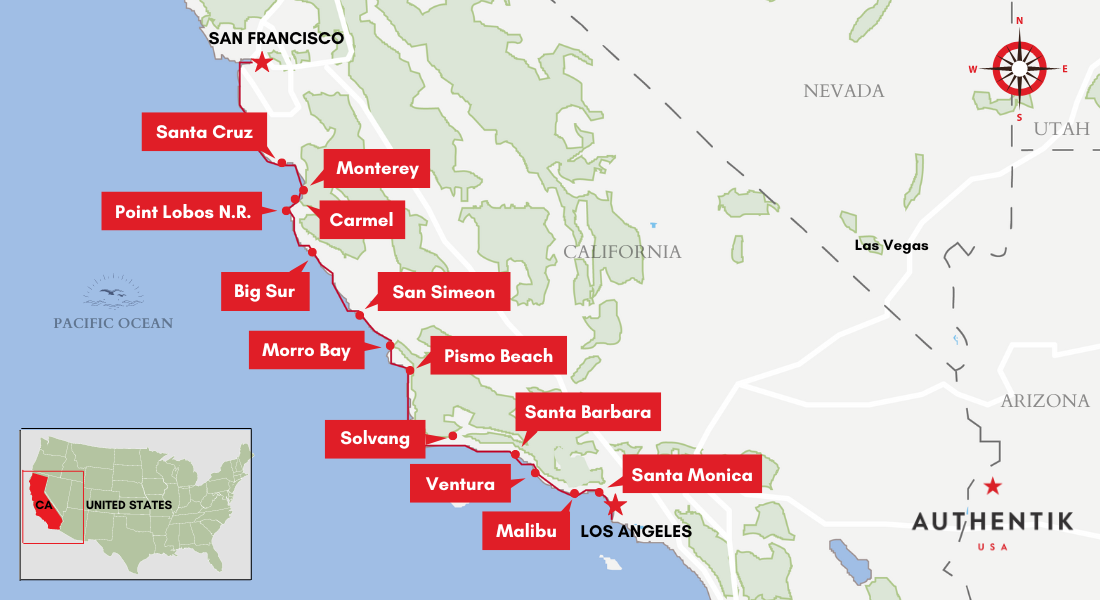
For the ultimate California road trip, a substantial portion of California State Route 1, famously known as the Pacific Coast Highway (PCH) or Highway 1, is an unparalleled choice. This is not a direct route but an experience in itself, requiring an entirely different mindset for travel.
- Distance: Significantly longer, often 450-500+ miles, as it hugs the coastline with many curves.
- Driving Time: A true PCH journey is best spread over at least 1.5 to 2 days, with driving times easily reaching 10-12+ hours without factoring in stops. It’s meant for leisurely exploration, not speed.
- Pros: Unrivaled scenic beauty, including the dramatic cliffs of Big Sur, the charming towns of Carmel-by-the-Sea and Monterey, and stunning ocean views for hundreds of miles. Numerous pull-offs for photos, state parks, and coastal attractions.
- Cons: Much longer travel time, winding roads can be challenging for some drivers, susceptible to road closures (especially in Big Sur due to landslides), and fewer direct services in some remote stretches.
- Ideal For: Adventure seekers, photographers, couples on a romantic getaway, or anyone whose primary goal is to soak in the beauty of California’s coastline. This route is a destination in itself, requiring planned overnight stays in charming coastal towns.
Choosing your route is a reflection of your travel style and priorities. Each path offers a unique lens through which to view the diverse landscapes and cultures that define the journey between Los Angeles and San Francisco.
Beyond the Miles: What Awaits in Los Angeles and San Francisco
The journey between Los Angeles and San Francisco is more than just covering miles; it’s about connecting two of the world’s most dynamic cities, each brimming with distinct attractions, vibrant cultures, and unique experiences. As you plan your trip, it’s essential to consider what awaits you at your destination, whether you’re drawn to the sun-soaked boulevards of Southern California or the iconic hills and fog of the Bay Area.
Los Angeles: The City of Angels’ Allure
Los Angeles, the sprawling metropolis of Southern California, is a global hub for entertainment, fashion, and culture. Its vastness means there’s something for every type of traveler, from luxury seekers to budget explorers, families to solo adventurers.
- Landmarks & Attractions:
- Hollywood Walk of Fame & TCL Chinese Theatre: Immerse yourself in the magic of cinema and celebrity culture.
- Griffith Observatory: Offers breathtaking panoramic views of the city skyline, the Hollywood Sign, and the Pacific Ocean, along with fascinating exhibits on space and science.
- Santa Monica Pier & Beaches: Enjoy classic boardwalk fun, stunning sunsets, and the relaxed beach lifestyle.
- Universal Studios Hollywood & Disneyland (in nearby Anaheim): World-class theme parks offering thrills and enchantment for all ages.
- The Getty Center: A magnificent architectural complex housing art collections, beautiful gardens, and more sweeping views.
- Beverly Hills & Rodeo Drive: Experience luxury shopping and celebrity spotting in an iconic setting.
- Local Culture & Food: Los Angeles is a melting pot of cultures, reflected in its diverse culinary scene, from street tacos to Michelin-starred restaurants. Explore vibrant neighborhoods like Koreatown, Little Tokyo, and Arts District for unique food and experiences.
- Experiences: From hiking trails in the Santa Monica Mountains to catching a live show, attending a sporting event, or exploring the city’s vast array of museums, Los Angeles offers an endless palette of activities.
San Francisco: Fog, Hills, and Iconic Views
Further north, San Francisco charms visitors with its unique blend of Victorian architecture, cutting-edge technology, and stunning natural beauty. Smaller and more walkable than Los Angeles, it’s a city of distinct neighborhoods and iconic vistas.
- Landmarks & Attractions:
- Golden Gate Bridge: The city’s most famous landmark, offering incredible views, especially at sunrise or sunset. You can walk or bike across it.
- Alcatraz Island: Take a ferry to this historic prison island for a fascinating and eerie tour. (Book well in advance!)
- Fisherman’s Wharf & Pier 39: Enjoy fresh seafood, watch the sea lions, and soak in the bustling waterfront atmosphere.
- Cable Cars: An iconic way to navigate the city’s steep hills and experience a piece of history.
- Lombard Street: The “crookedest street in the world,” a fun photo op and a marvel of urban design.
- Golden Gate Park: A vast urban oasis offering museums, gardens, and recreational activities.
- Local Culture & Food: San Francisco is renowned for its progressive culture, diverse culinary scene (especially its sourdough bread and Dungeness crab), and unique neighborhoods like vibrant Chinatown, bohemian Haight-Ashbury, and the colorful Mission District with its murals and Latin American influences.
- Experiences: From cycling across the Golden Gate Bridge to exploring world-class museums, enjoying a ferry ride on the Bay, or indulging in fine dining, San Francisco offers a compact yet rich array of experiences.
Both cities promise a journey filled with discovery, making the travel between them not just a logistical exercise but a passage between two distinct worlds of California charm.
Planning Your Stay: Accommodation and Lifestyle Choices
Beyond the travel itself, a significant part of any trip is where you choose to rest your head and how you tailor your experience to your lifestyle. Los Angeles and San Francisco, as major tourist and business destinations, offer an exhaustive range of accommodation options and lifestyle experiences, catering to every preference and budget. Careful planning for your stay is just as important as planning your journey.
Diverse Lodging Options for Every Traveler
Both cities boast an impressive array of accommodation, from ultra-luxury resorts to charming boutique hotels, family-friendly suites, and budget-conscious hostels or apartments.
- Luxury Hotels & Resorts: For those seeking an indulgent experience, Los Angeles is home to iconic establishments like The Beverly Wilshire, A Four Seasons Hotel on Rodeo Drive, or beachfront resorts in Santa Monica. In San Francisco, the Fairmont San Francisco atop Nob Hill or the St. Regis San Francisco offer unparalleled elegance and service. These properties often feature world-class amenities, gourmet dining, and spa services, epitomizing luxury travel.
- Boutique Hotels & Unique Stays: Both cities excel in offering unique boutique hotels that reflect local culture and design. From art deco gems in LA to Victorian-era renovated hotels in SF’s Hayes Valley, these accommodations provide a more personalized and often charming experience.
- Mid-Range Hotels & Chains: A plethora of reliable hotel chains (e.g., Hilton, Marriott, Hyatt) offer comfortable and consistent options across various neighborhoods, providing a good balance of amenities and value.
- Apartments & Villas (Long-term Stay): For longer trips, families, or those desiring a more local feel, vacation rentals (apartments, villas, and guesthouses) are abundant. These offer more space, kitchen facilities, and a chance to live like a local, often found in popular neighborhoods close to attractions.
- Budget Accommodation: Hostels, guesthouses, and motels provide affordable options, particularly for backpackers or those on a tight budget. These are often centrally located, offering easy access to public transport and major sights.
- Amenities: When booking, consider amenities that align with your travel style: pools, fitness centers, pet-friendly policies, business centers, concierge services, and on-site dining. Websites offering booking, reviews, and comparison tools are invaluable for finding the perfect fit.
Lifestyle Considerations: Budget to Luxury, Family to Business
Your chosen travel lifestyle will dictate many aspects of your trip, from how you travel to where you stay and what you do.
- Luxury Travel: If luxury is your priority, consider flying first class, hiring private transfers, staying in 5-star resorts, indulging in Michelin-starred dining, and opting for exclusive tours and experiences. Both LA and SF offer an abundance of high-end options, from Beverly Hills shopping to private Napa Valley wine tours.
- Budget Travel: For budget-conscious travelers, public transportation (BART in SF, Metro in LA) is key. Opt for hostels, motels, or budget hotels. Seek out free attractions (parks, hiking trails, free museum days), eat at local eateries, and utilize student or senior discounts where applicable. Many attractions, like walking the Golden Gate Bridge or exploring Venice Beach, are free.
- Family Trips: When traveling with family, consider accommodations with suites or interconnected rooms, amenities like pools, and proximity to family-friendly attractions (e.g., Disneyland in LA, Exploratorium in SF). Renting a car might be more practical for flexibility, and planning activities that cater to different age groups is essential.
- Business Stays: For business travelers, proximity to convention centers, financial districts, or corporate offices is paramount. Look for hotels with business amenities like high-speed internet, meeting rooms, and executive lounges. Efficient transport links to airports and business hubs are also crucial.
- Long-Term Stay: If you’re considering an extended visit, perhaps for remote work or exploring a new city in depth, apartment rentals or serviced apartments offer a home-away-from-home experience with more space and facilities than a traditional hotel room.
Regardless of your preferred style, both Los Angeles and San Francisco are equipped to provide a comfortable and enriching stay, ensuring your time off the road is as memorable as the journey itself.

Making the Most of Your California Adventure
Traveling between Los Angeles and San Francisco is more than just a logistical exercise; it’s an integral part of the grand California adventure. By understanding the distances, exploring the various travel modes, and planning for the unique experiences each city offers, you can tailor a journey that perfectly aligns with your travel style, budget, and aspirations. Whether you choose the quick efficiency of a flight, the engaging scenery of a road trip along US Route 101, or the ultimate coastal immersion of the Pacific Coast Highway, the route connecting these two iconic cities is filled with opportunities for discovery and lasting memories.
Remember to consider the time of year for your visit. California’s weather can vary greatly, with sunny skies in LA often contrasting with San Francisco’s famous fog, especially in summer. Booking accommodations and popular attractions like Alcatraz Island in advance, especially during peak season, is highly recommended to ensure availability and potentially better rates. Embrace the diversity of culture, cuisine, and landscapes that define California, and let the journey between its two greatest cities be an unforgettable chapter in your travel story.