
The journey from the sun-drenched beaches of Los Angeles, California, to the bustling urban landscape of New York City, New York, represents one of the most iconic cross-country treks within the United States. It’s a traverse that spans nearly the entire continental breadth of the nation, bridging two distinct cultural hubs and offering a myriad of travel experiences. Beyond a simple measure of distance, this journey encapsulates a vast array of travel choices, from lightning-fast flights to scenic road trips, each promising a unique perspective on American geography, culture, and hospitality. For globetrotters, business travelers, and adventurers alike, understanding the logistics of this epic voyage is key to planning an unforgettable trip.

The Geographical Reality: Distance and Overview
At its core, the question “How far is Los Angeles from New York?” seeks a quantifiable answer, but the reality is multi-faceted. The distance varies significantly depending on the mode of transport and the specific path taken.
Straight-Line vs. Driving Distance
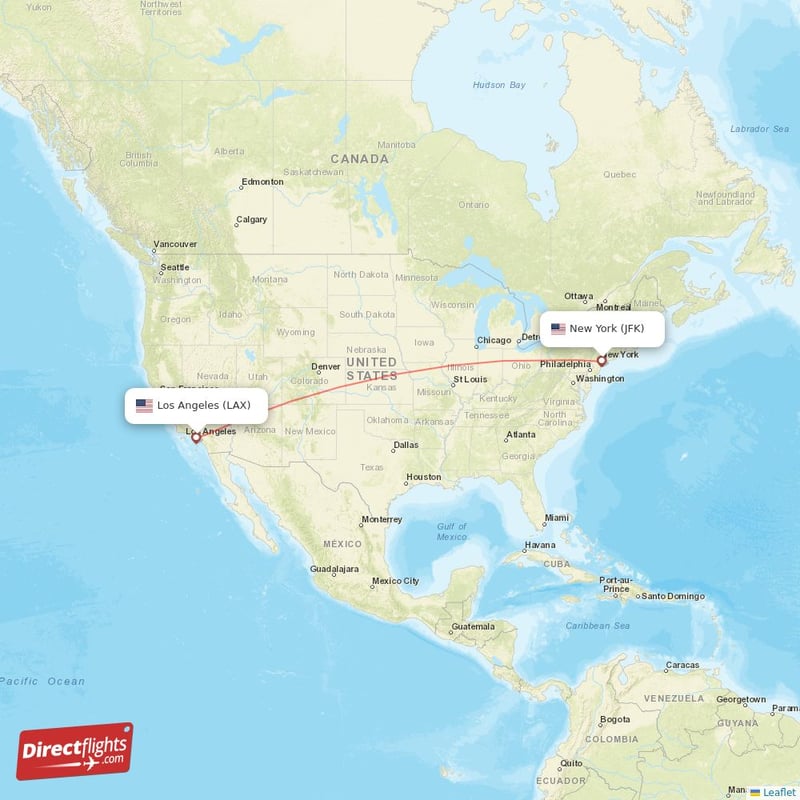
As the crow flies, the air distance between Los Angeles and New York is approximately 2,450 miles (3,940 kilometers). This measurement represents the shortest possible path, primarily relevant for air travel. When considering land travel, however, the route is far less direct, winding through various states and terrains.
By road, the typical driving distance stretches to about 2,800 to 3,000 miles (4,500 to 4,800 kilometers), depending on the chosen route and any detours. This substantial difference highlights the vastness of the United States and the indirect nature of its highway system designed to navigate mountain ranges, rivers, and population centers. A continuous drive without significant stops would take roughly 40-45 hours, meaning most travelers plan for a minimum of 4-6 days to comfortably complete the journey, allowing for rest, sightseeing, and enjoying the open road.
A Tale of Two Coasts
This epic journey connects two of the world’s most influential cities, each a powerhouse in its own right. Los Angeles, the entertainment capital, boasts a vibrant culture centered around film, music, innovation, and a laid-back, yet ambitious, lifestyle. Its sprawling metropolitan area offers everything from Hollywood glamour to Malibu beaches and the artistic enclave of Venice Beach.
On the other side of the continent, New York City stands as a global financial, cultural, and media epicenter. Its iconic skyline, world-class museums, Broadway shows, and diverse neighborhoods like Greenwich Village and Harlem offer an unparalleled urban experience. The transition from Los Angeles’s palm-lined boulevards to New York’s concrete canyons is more than just a change of scenery; it’s a shift between two distinct American narratives, making the journey between them a fascinating exploration of contrast and connection.
Navigating the Continental Divide: Modes of Travel
Choosing how to travel between Los Angeles and New York largely depends on your priorities: speed, budget, desire for adventure, or a combination thereof. Each mode of transport offers a distinct experience and timeframe.
By Air: The Fastest Route
For the majority of travelers, flying is the most practical and time-efficient option. A direct flight typically takes between 5.5 to 6.5 hours, slicing through the vast distance in less than a workday. This makes it ideal for business trips, weekend getaways, or anyone with limited time.
Major airports serving Los Angeles include Los Angeles International Airport (LAX), Hollywood Burbank Airport (BUR), and Long Beach Airport (LGB). On the New York side, travelers can choose from John F. Kennedy International Airport (JFK), Newark Liberty International Airport (EWR), and LaGuardia Airport (LGA). All these airports are major hubs with frequent flights offered by numerous airlines, including American Airlines, Delta Air Lines, United Airlines, JetBlue Airways, and Southwest Airlines.
Booking in advance and being flexible with travel dates can often yield significant savings on airfare. Travelers may also consider stopovers in cities like Chicago, Dallas, or Denver for a brief break, though direct flights remain the most popular for their convenience. When flying, consider the total travel time, including transit to and from airports, security checks, and potential delays, which can easily add several hours to the journey.
The Great American Road Trip: A Journey Through Diversity
For those with ample time and a thirst for adventure, the cross-country road trip is an unparalleled experience. It’s not just about getting from point A to point B; it’s about the journey itself, the landscapes, the small towns, and the unexpected discoveries along the way. While the drive takes 40-45 hours of pure driving, most plan for 5-7 days to truly savor the experience without rushing.
Popular routes include:
- Northern Route (I-80): This route typically heads north from Los Angeles through Nevada and Utah, then across the Great Plains, past Chicago, and ultimately to New York. It offers diverse scenery, from desert expanses to agricultural heartlands.
- Central Route (I-70/I-40): This option takes travelers through the heart of the country, potentially offering access to iconic landmarks like the Grand Canyon National Park (via I-40) or the majestic Rocky Mountains (via I-70). From St. Louis or Kansas City, one can continue eastward.
- Southern Route (I-10/I-40): Starting south from Los Angeles through Arizona and New Mexico, this route offers a warmer climate and can be combined with parts of the I-40, taking you past places like Flagstaff and Oklahoma City.
The road trip allows for incredible flexibility, enabling stops at national parks such as Zion National Park, Bryce Canyon National Park, or even a detour to Yellowstone National Park if time permits. It’s an ideal choice for family trips, offering a unique bonding experience and the chance to explore local culture, food, and attractions in towns often bypassed by air travel.
Rail and Bus: Scenic and Economical Alternatives
For a more relaxed pace or budget-conscious travel, trains and buses offer viable alternatives, albeit with considerably longer travel times.
- By Train: Amtrak offers cross-country routes that provide a unique perspective on the American landscape. While there’s no direct train, popular routes like the Southwest Chief (from Los Angeles to Chicago) or the California Zephyr (from Emeryville near San Francisco to Chicago) can connect you to an East Coast service like the Lake Shore Limited or Cardinal to New York. The entire journey can take anywhere from 3 to 4 days, including layovers. It’s a journey filled with scenic vistas, comfortable seating, and the option of sleeper cars, transforming travel into a journey of leisure.
- By Bus: Bus services like Greyhound provide the most economical option, though also the longest. A bus trip from Los Angeles to New York typically takes 3 to 4 days, with multiple stops and transfers. While less luxurious than other options, it offers a budget-friendly way to cross the country and experience local communities firsthand.
Enhancing the Journey: Accommodation and Experiences
Regardless of how you travel, the endpoints of Los Angeles and New York offer a wealth of experiences, from opulent hotel stays to immersive cultural explorations. Planning your accommodation and activities is crucial for maximizing your trip.
Where to Stay: Hotels and Beyond
Both Los Angeles and New York boast an extensive range of accommodation options to suit every budget and style, from luxury hotels to boutique apartments and family-friendly resorts.
In Los Angeles, areas like Beverly Hills and West Hollywood are synonymous with luxury, offering properties like the Waldorf Astoria Beverly Hills or The Beverly Hills Hotel, complete with exquisite amenities and celebrity sightings. For a coastal experience, Santa Monica provides beachfront resorts such as the Loews Santa Monica Beach Hotel, while downtown Los Angeles (DTLA) offers modern high-rises like the InterContinental Downtown Los Angeles, perfect for business travelers. Budget-friendly hotels and boutique stays can be found across various neighborhoods, with booking platforms making it easy to compare prices and reviews. For longer stays, serviced apartments or villas in areas like Hollywood or Silver Lake offer a home-away-from-home feel.
In New York City, Manhattan is the epicenter of accommodation, with iconic hotels like The Plaza Hotel overlooking Central Park, or the St. Regis New York offering timeless elegance. Mid-range and boutique hotels abound in neighborhoods like Midtown, the Theater District, and SoHo. For those seeking a different vibe or more space, Brooklyn offers trendy hotels and charming guesthouses, providing a glimpse into New York’s diverse borough life. Considerations for booking include proximity to attractions, transport links, and desired amenities such as pools, fitness centers, or pet-friendly options.
Must-Visit Landmarks and Attractions
Both cities are treasure troves of landmarks and attractions, catering to all interests.
In Los Angeles, no visit is complete without strolling along the Hollywood Walk of Fame and catching a glimpse of the iconic Hollywood Sign. The Griffith Observatory offers stunning city views and celestial wonders. Thrill-seekers can immerse themselves in movie magic at Universal Studios Hollywood, while art lovers can explore the extensive collections at the Getty Center or the Los Angeles County Museum of Art (LACMA). A drive along the scenic Pacific Coast Highway to Malibu or a day at Santa Monica Pier offers quintessential California beach experiences.
New York City’s landmarks are equally iconic. The Statue of Liberty and Ellis Island are symbols of freedom and immigration. The views from the Empire State Building or Top of the Rock Observation Deck are breathtaking. Times Square‘s dazzling billboards and Broadway shows offer an unforgettable spectacle. Culture enthusiasts will revel in the Metropolitan Museum of Art, the Museum of Modern Art (MoMA), and the American Museum of Natural History. Don’t forget a peaceful stroll or bike ride through Central Park, or reflecting at the 9/11 Memorial & Museum.
Culinary Journeys and Local Culture
Exploring the food scenes in both cities is a highlight for many travelers. Los Angeles is a melting pot of culinary innovation, from farm-to-table eateries in Silver Lake to world-class fine dining in Beverly Hills. The city is renowned for its diverse ethnic cuisines, particularly its Mexican food, Korean BBQ in Koreatown, and Asian fusion across various neighborhoods. Food trucks are a quintessential LA experience, offering everything from gourmet tacos to inventive desserts.
New York’s food scene is legendary for its sheer variety and density. From classic New York-style pizza and bagels to Michelin-starred restaurants, the city caters to every palate and budget. Explore Little Italy for Italian classics, Chinatown for authentic Asian dishes, or venture into Brooklyn for a thriving craft beer and foodie scene. Dining in New York is as much about the atmosphere and neighborhood as it is about the food itself.
Planning Your Cross-Country Adventure: Tips and Considerations
A successful trip between Los Angeles and New York requires careful planning, especially when it comes to timing, budgeting, and maximizing your experience.
Best Time to Travel
The ideal time to travel depends on your preferences.
- Spring (April-May) and Fall (September-October) are generally considered the best seasons. The weather is pleasant in both cities, avoiding the extreme heat of Los Angeles summers and the humidity of New York’s, as well as New York’s harsh winters. Fall foliage in the northeastern United States is particularly spectacular.
- Summer (June-August) is peak tourist season, meaning higher prices for flights and accommodation, and larger crowds. However, both cities offer vibrant outdoor activities and events during these months.
- Winter (November-March) can be challenging in New York due to cold weather and snow, though holiday festivities are magical. Los Angeles enjoys mild winters, making it a pleasant escape from colder climates.
Budgeting for the Trip
Costs can vary widely depending on your travel style.
- Flights: Can range from $200-$600+ for a round trip, with prices fluctuating based on season, airline, and how far in advance you book.
- Accommodation: Expect to pay anywhere from $100-$200 per night for mid-range hotels, soaring to $400+ for luxury options in both cities. Budget travelers can find hostels or more affordable motels, particularly outside central areas.
- Road Trip Costs: Factor in fuel (significant for 3,000 miles), potential car rental costs, accommodation along the way (motels, campgrounds), and food.
- Food and Activities: Daily expenses for meals and attractions can range from $50-$150+ per person, depending on dining choices and types of activities. Consider purchasing city passes like the Go City Los Angeles Pass or New York Pass for savings on multiple attractions.

Maximizing Your Experience
- Packing: Pack layers, especially if traveling during shoulder seasons, as temperatures can vary greatly. Comfortable walking shoes are a must for exploring both cities.
- Local Transport: In Los Angeles, a car is highly recommended due to the city’s sprawling nature. Ride-sharing services are also prevalent. In New York, the subway system is extensive and efficient, making it the best way to get around Manhattan and the boroughs.
- Flexibility: For road trippers, allow for spontaneous detours and discoveries. For all travelers, building in some free time allows for relaxation and unplanned experiences.
- Travel Insurance: For such a significant journey, travel insurance is always a wise investment to protect against unforeseen circumstances like cancellations, medical emergencies, or lost luggage.
In conclusion, the distance between Los Angeles and New York is more than just miles; it’s a measure of the diverse experiences, landscapes, and cultures that define the United States. Whether you opt for the speed of air travel, the adventure of a road trip, or the leisurely pace of rail, this cross-country expedition promises a rich tapestry of memories and insights into two of the world’s most dynamic cities.
LifeOutOfTheBox is a participant in the Amazon Services LLC Associates Program, an affiliate advertising program designed to provide a means for sites to earn advertising fees by advertising and linking to Amazon.com. Amazon, the Amazon logo, AmazonSupply, and the AmazonSupply logo are trademarks of Amazon.com, Inc. or its affiliates. As an Amazon Associate we earn affiliate commissions from qualifying purchases.