
The question “How far is Los Angeles from San Francisco?” seems simple enough to answer with a number, but the reality of traveling between these two iconic California metropolises is far more nuanced and exciting. It’s not just about the miles; it’s about the journey itself, offering a spectrum of experiences from swift business trips to leisurely scenic adventures. For travelers exploring California’s diverse landscapes and vibrant city life, understanding the distance, travel times, and various transportation options is crucial for planning an unforgettable itinerary. Whether you’re drawn to the sun-kissed beaches and Hollywood glamour of Southern California or the fog-kissed hills and tech innovation of Northern California, the journey between these two powerhouses is a quintessential American experience, rich with opportunities for exploration, discovery, and creating lasting memories.
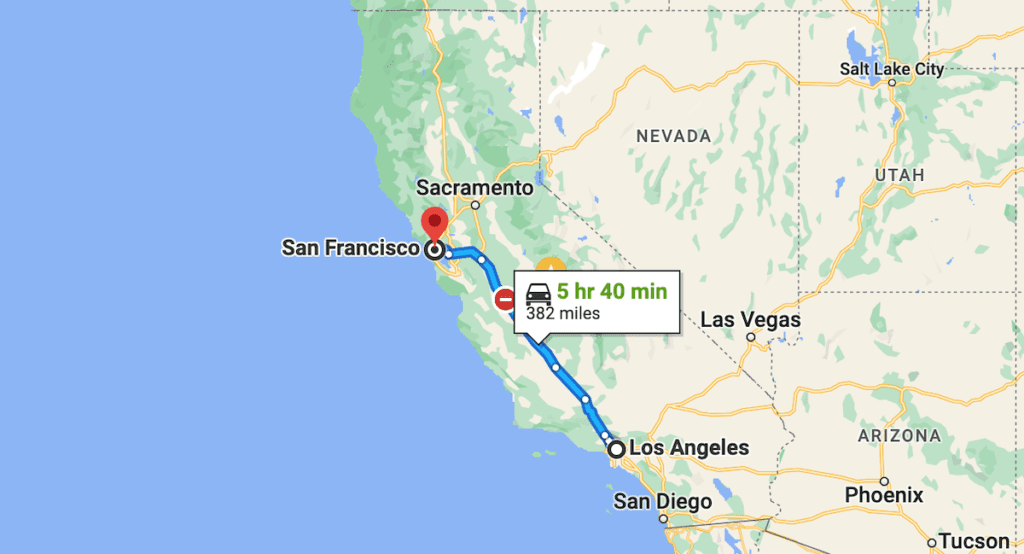
This guide will delve into the practicalities of bridging the gap between Los Angeles and San Francisco, exploring everything from the quickest routes to the most scenic drives, public transport alternatives, and essential tips for making the most of your travel. We’ll cover the actual distances and estimated travel times by car, plane, train, and bus, helping you choose the best mode of transport for your specific travel style, budget, and desired experiences. Beyond the logistics, we’ll highlight the diverse attractions, cultural experiences, and accommodation options that await you along the way and at your destination, ensuring your California adventure is as fulfilling as possible. From luxury resorts to budget-friendly apartments, iconic landmarks to hidden culinary gems, let’s embark on a comprehensive exploration of the journey between Los Angeles and San Francisco.
The Straightforward Answer: Distance and Time
The geographical distance between Los Angeles and San Francisco can vary slightly depending on the exact starting and ending points within each sprawling city and the specific route taken. However, for practical travel purposes, we can establish reliable averages.
By Road: Driving the Iconic California Coasts
Driving is by far the most popular way to traverse the distance between Los Angeles and San Francisco, offering flexibility and the chance to explore California’s stunning landscapes. There are primarily three main routes to consider, each offering a distinct experience:
-
Interstate 5 (I-5): The Fastest Route
- Distance: Approximately 380-400 miles (610-645 kilometers).
- Travel Time: Typically 5.5 to 7 hours, depending on traffic, particularly around the metropolitan areas of Los Angeles and the San Francisco Bay Area.
- Experience: I-5 is the most direct and generally fastest route, primarily cutting through the vast agricultural expanse of the San Joaquin Valley. While efficient for business travelers or those on a tight schedule, it offers fewer scenic attractions or tourist stops compared to coastal alternatives. This route is favored for its speed and minimal elevation changes, making it a straightforward drive. For those focused on reaching their destination quickly, perhaps for a business stay or a short city break, I-5 is the pragmatic choice.
-
U.S. Route 101 (US-101): The Balanced Route
- Distance: Approximately 400-420 miles (645-675 kilometers).
- Travel Time: Roughly 7 to 9 hours, without significant stops.
- Experience: US-101 offers a pleasant balance between speed and scenery. It follows a more coastal path than I-5, allowing glimpses of the ocean and passing through charming towns like Santa Barbara, Pismo Beach, and Monterey. This route is ideal for travelers who want to enjoy some coastal views and potentially make a few stops without adding a full day to their journey. It’s a popular choice for family trips, offering a good mix of travel efficiency and sightseeing opportunities. Accommodation options along US-101 range from budget motels to luxurious resorts, catering to various travel styles.
-
California State Route 1 / Pacific Coast Highway (PCH): The Scenic Route
- Distance: Approximately 450-500 miles (725-805 kilometers), depending on specific detours.
- Travel Time: A minimum of 9-12 hours of driving, but realistically, this is a multi-day road trip.
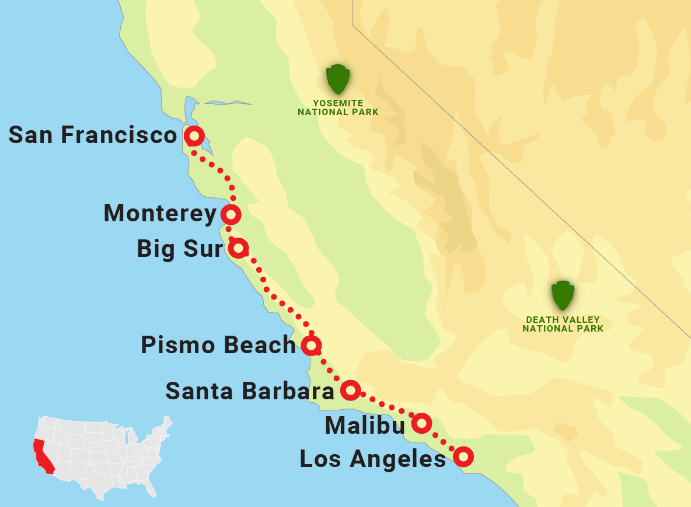
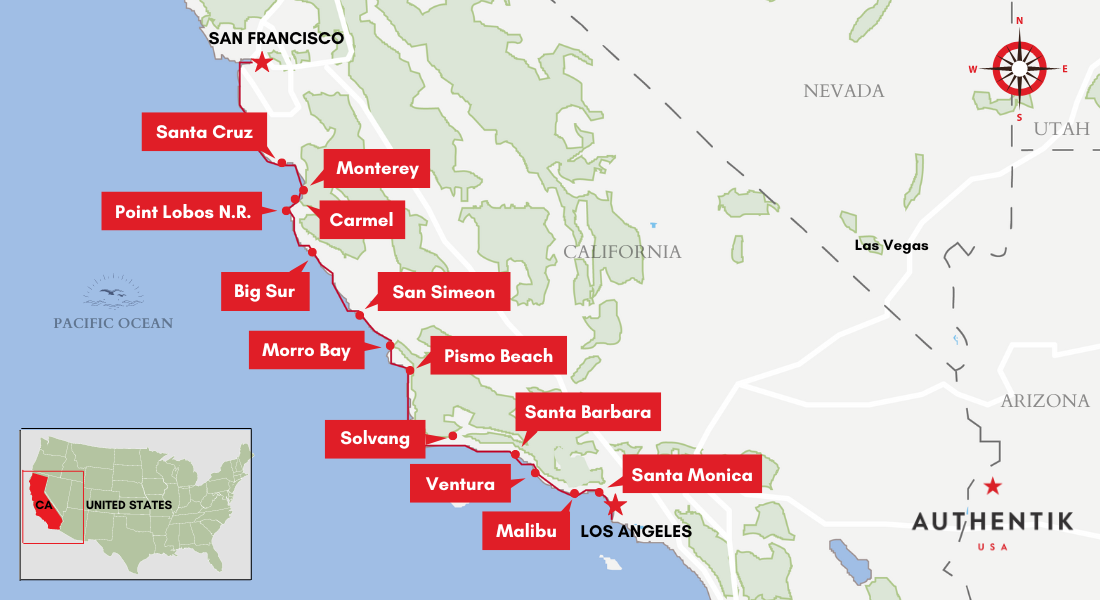
- Experience: The PCH is not merely a road; it’s an experience. Winding along the dramatic California coastline, it offers breathtaking ocean views, iconic landmarks like Big Sur, Hearst Castle near San Simeon, and picturesque towns such as Carmel-by-the-Sea and Santa Monica. Due to its winding nature and numerous photo opportunities, this route is best enjoyed over two to three days, with overnight stays in charming coastal towns. It’s the ultimate choice for a leisurely road trip, an immersive travel experience, and those seeking to fully appreciate California’s natural beauty and local culture. Luxury travel is easily accommodated with high-end resorts and boutique hotels dotted along the coast.
By Air: The Quickest Connection
For those prioritizing speed above all else, flying is the unequivocal choice.
- Distance: The straight-line (as the crow flies) distance is approximately 350 miles (560 kilometers).
- Flight Time: Direct flights typically take around 1 hour and 15 minutes to 1 hour and 30 minutes.
- Total Travel Time (Door-to-Door): Factoring in travel to and from airports, security checks, and boarding, the total journey can range from 3.5 to 5 hours.
- Airports: In Los Angeles, major airports include Los Angeles International Airport (LAX), Hollywood Burbank Airport (BUR), and Long Beach Airport (LGB). For San Francisco, travelers typically use San Francisco International Airport (SFO), Oakland International Airport (OAK), or San Jose International Airport (SJC).
- Experience: Numerous daily flights connect these cities, making air travel a convenient option for business travelers, those with limited time, or those connecting to international flights. While offering little in terms of scenic views beyond takeoff and landing, it’s efficient and often competitively priced, especially when booked in advance.
By Rail and Bus: Scenic and Economical Alternatives
Public transportation options provide economical and often relaxing ways to travel between the two cities, albeit with longer travel times.
-
By Train (Amtrak)
- Route: Amtrak offers several services, primarily the Coast Starlight and San Joaquins routes. The Coast Starlight offers a scenic coastal journey, while the San Joaquins route connects to a Thruway Bus service for the final leg.
- Travel Time: Typically 9 to 12 hours, depending on the specific service and connections.
- Experience: Train travel offers a comfortable and environmentally friendly alternative. Passengers can relax, enjoy the passing scenery, and avoid the stresses of driving or airport security. It’s a unique travel experience, particularly for those who appreciate slow travel and don’t mind a longer journey. The Coast Starlight, in particular, offers observation cars for panoramic views, making it a miniature journey experience in itself. This option is popular for budget travel as well as those seeking a more relaxed pace.
-
By Bus (Greyhound, FlixBus, Megabus)
- Travel Time: Generally 7 to 10 hours, varying with stops and traffic.
- Experience: Bus services are often the most budget-friendly option, providing direct routes between downtown Los Angeles and San Francisco. While less glamorous than flying or driving the PCH, modern buses offer amenities like Wi-Fi and power outlets, making the journey comfortable enough for many travelers. This mode of transport is particularly appealing to backpackers, students, or anyone looking to minimize travel expenses.
More Than Just Miles: The Journey Itself
The decision of how to travel between Los Angeles and San Francisco often hinges on personal preferences, budget, and the kind of travel experience one desires. Each mode of transport transforms the “distance” into a unique “journey.”
The Classic Road Trip: Exploring California’s Diverse Landscapes
For many, the quintessential California experience is a road trip, and the drive between Los Angeles and San Francisco offers unparalleled opportunities.
- Pacific Coast Highway Adventure: This multi-day journey is a travel guide in itself.
- Day 1 (LA to Santa Barbara/San Luis Obispo): Start by cruising along the PCH from Santa Monica through Malibu, enjoying stunning ocean views. Spend the night in the charming city of Santa Barbara, known for its Spanish colonial architecture, pristine beaches, and vibrant food scene. Alternatively, push further north to San Luis Obispo, a lively college town with a relaxed atmosphere.
- Day 2 (San Luis Obispo to Monterey/Carmel): This is the heart of the PCH experience, passing through Big Sur. Marvel at dramatic cliffs, redwood forests, and iconic bridges. Stop at Hearst Castle for a historical and architectural wonder. Continue to Monterey Bay, home to the renowned Monterey Bay Aquarium and Cannery Row, or the artistic enclave of Carmel-by-the-Sea for an overnight stay. Both offer exquisite hotels, from cozy inns to luxury resorts.
- Day 3 (Monterey to San Francisco): The final leg takes you through picturesque coastal towns and agricultural areas before arriving in the San Francisco Bay Area. Consider a detour inland to Napa Valley or Sonoma Valley for wine tasting if time permits, or head straight to the city to enjoy its iconic landmarks.
Choosing Your Mode: Factors to Consider
Your choice of transportation will profoundly impact your trip’s cost, duration, and overall experience.
- Budget Travel: Buses offer the most economical fares, followed by ridesharing or flying during off-peak times. Driving can be budget-friendly if you have multiple passengers to split fuel costs, but rental car fees and parking can add up.
- Luxury Travel: Flying first class or renting a premium car for a PCH drive with stays in 5-star hotels (e.g., Post Ranch Inn in Big Sur, Four Seasons Hotel San Francisco) defines luxury. Amtrak’s sleeper cars also offer a more upscale train experience.
- Time Constraints: Flying is the clear winner for speed. For business stays or quick weekend getaways, minimizing travel time is often paramount.
- Flexibility & Spontaneity: Driving provides the ultimate flexibility to stop wherever and whenever you please, crucial for sightseeing and exploring hidden gems.
- Environmental Impact: Train and bus travel generally have a lower carbon footprint per passenger compared to individual car travel or flying.
- Experience Desired: Do you want a quick transit, a scenic adventure, a relaxing journey, or an opportunity to explore local culture along the way? Your answer will guide your choice.
Making the Most of Your California Adventure
Beyond the travel itself, both Los Angeles and San Francisco offer a plethora of attractions and experiences that make the journey worthwhile.
Essential Stops and Attractions Along the Way
Whether you choose a quick dash or a leisurely meander, California is brimming with places to see.
- In Los Angeles (Starting or Ending Point): Dive into the glamour of Hollywood with the Hollywood Walk of Fame, get a glimpse of the Hollywood Sign from Griffith Observatory (which also offers spectacular city views), or experience the magic of Universal Studios Hollywood. Explore the beaches of Santa Monica and the eclectic vibe of Venice Beach. For art enthusiasts, the Getty Center and the Walt Disney Concert Hall are must-sees.
- Along the PCH / Highway 101 Routes:
- Santa Barbara: Known as the “American Riviera,” this city offers beautiful beaches, a historic mission, and a lively downtown.
- Pismo Beach: Famous for its clam chowder, pier, and ATV riding on the Oceano Dunes.
- San Luis Obispo: Home to the historic Mission San Luis Obispo de Tolosa and Bubblegum Alley.
- Morro Bay: Features the iconic Morro Rock and a charming waterfront.
- Cambria & San Simeon: Gateway to Hearst Castle and elephant seal viewing at Piedras Blancas.
- Big Sur: A truly unforgettable stretch of coastline with dramatic cliffs, redwood forests, and iconic Bixby Bridge.
- Monterey: Home to the Monterey Bay Aquarium, Cannery Row, and a rich maritime history.
- Carmel-by-the-Sea: A charming village known for its art galleries, fairytale cottages, and beautiful beach.
- In San Francisco (Starting or Ending Point): Marvel at the engineering wonder of the Golden Gate Bridge, take a ferry to Alcatraz Island, or explore the bustling atmosphere of Fisherman’s Wharf. Wander through Golden Gate Park, visit the Ferry Building Marketplace, or admire the unique architecture of the Transamerica Pyramid and the vibrant streets around Union Square. Don’t miss the chance to ride a historic cable car up and down the city’s famous hills.
Accommodation and Planning Your Stay
Choosing the right accommodation is key to a comfortable and memorable trip. Both Los Angeles and San Francisco, as well as the towns along the coastal routes, offer an extensive range of options.
- Hotels & Resorts: From luxury five-star hotels like The Ritz-Carlton, Laguna Niguel near Los Angeles or the Fairmont San Francisco to boutique hotels and well-known chains, you’ll find options to suit every budget and preference. Many offer amenities like pools, spas, and concierge services, enhancing the travel experience.
- Apartments & Villas: For longer stays, family trips, or those seeking a more local experience, vacation rentals (apartments, villas, long-term stay options) are abundant. These often come with kitchens and more living space, offering excellent value.
- Motels & Inns: Along the driving routes, particularly US-101 and PCH, numerous motels and charming inns provide convenient and often budget-friendly overnight stops.
- Booking Tips: It’s always advisable to book accommodation in advance, especially during peak travel seasons, to secure better rates and ensure availability. Utilizing online booking platforms and review sites can help compare options and read past guest experiences.
Culinary Delights: A Taste of California
California’s food scene is as diverse as its landscapes, offering incredible culinary experiences in both cities and along the routes.
- Los Angeles: A melting pot of global cuisines, from high-end dining in Beverly Hills to authentic street tacos, Koreatown BBQ, and a burgeoning vegan scene. Don’t miss the vibrant food trucks and diverse farmers’ markets.
- San Francisco: Famous for its sourdough bread, fresh seafood (especially at Fisherman’s Wharf), innovative farm-to-table restaurants, and a strong emphasis on artisanal coffee and craft cocktails. Explore the diverse neighborhoods for unique dining experiences.
- Along the Coast: Indulge in fresh seafood in coastal towns like Monterey and Pismo Beach. Sample locally sourced produce and wines in Santa Barbara and the wine regions of Paso Robles.
In conclusion, the distance between Los Angeles and San Francisco is merely a number that belies the rich tapestry of travel opportunities it represents. Whether you’re seeking speed, scenic beauty, cultural immersion, or simply an efficient way to connect two major hubs, California offers an option tailored to every traveler. By understanding the distances, travel times, and the wealth of attractions available, you can transform a simple journey into an extraordinary California adventure, creating stories and memories that will last a lifetime.
LifeOutOfTheBox is a participant in the Amazon Services LLC Associates Program, an affiliate advertising program designed to provide a means for sites to earn advertising fees by advertising and linking to Amazon.com. Amazon, the Amazon logo, AmazonSupply, and the AmazonSupply logo are trademarks of Amazon.com, Inc. or its affiliates. As an Amazon Associate we earn affiliate commissions from qualifying purchases.