
Embarking on a journey from the sprawling metropolis of Los Angeles, California, to the vibrant desert capital of Phoenix, Arizona, is a popular travel route, connecting two iconic Southwestern cities. Whether you’re planning a road trip, considering a flight, or curious about the logistics of this inter-state passage, understanding the distance and travel times is crucial for a seamless experience. This article delves into the various aspects of traveling between these two dynamic destinations, offering insights for different travel styles and preferences, from leisurely explorations to efficient transit.
The distance between Los Angeles and Phoenix isn’t just a number; it represents an opportunity for adventure, a chance to witness the dramatic shift in landscapes from the coastal plains to the arid beauty of the Sonoran Desert, and an entryway into two distinct yet complementary cultural experiences. As you plan your trip, considering the mode of transportation will significantly influence your journey’s duration and the experiences you can weave into your travel day.
Understanding the Driving Distance and Route
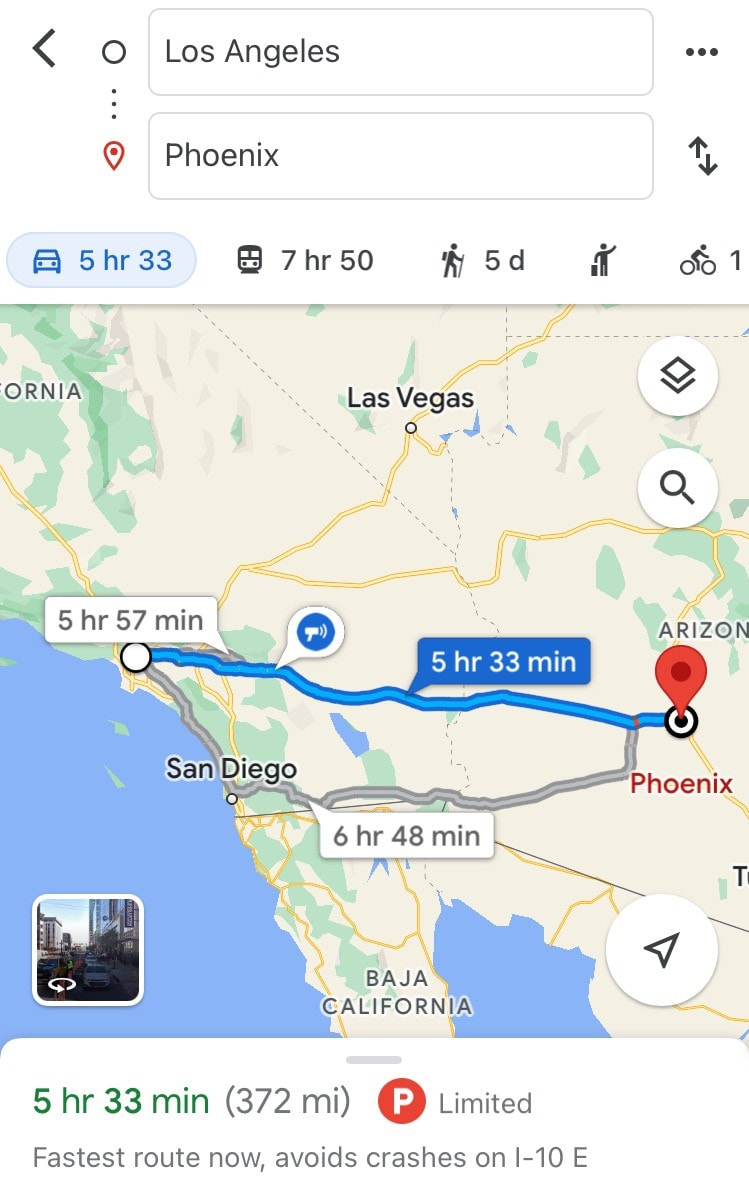
The most common and flexible way to travel between Los Angeles and Phoenix is by car. The driving distance is approximately 370 to 380 miles, depending on your exact starting point in the Los Angeles basin and your chosen route into Phoenix. This makes it a manageable road trip, often completed in a single day, but with ample opportunity for scenic detours and stops along the way.
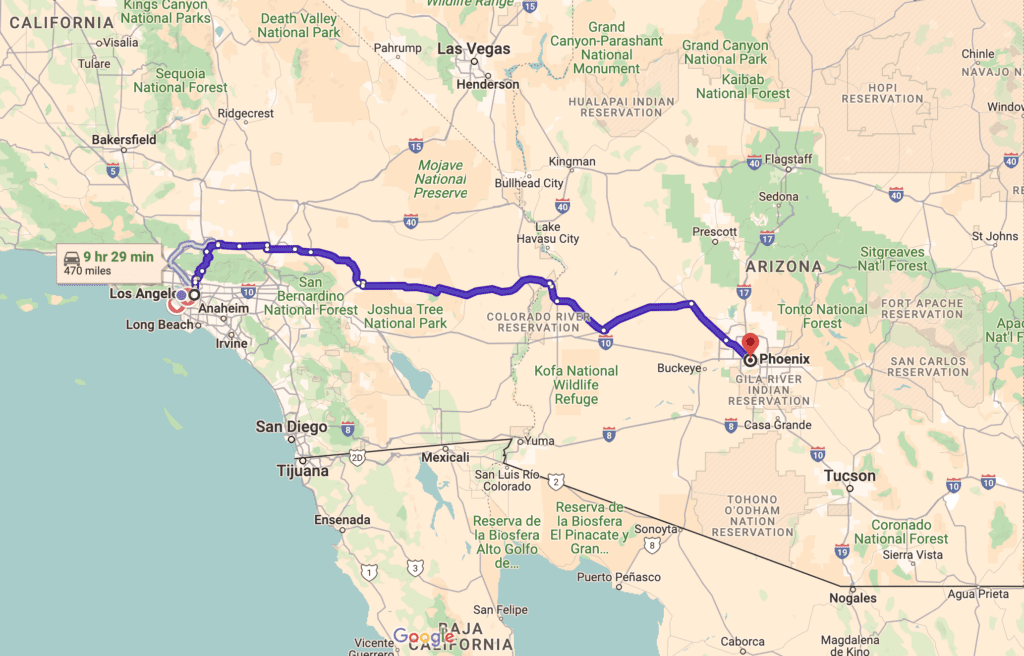
The primary route taken by most travelers is via Interstate 10 East (I-10 E). This major freeway offers a direct path, minimizing the need for complex navigation. The journey typically begins by navigating out of Los Angeles, which can be a significant factor in your departure time due to the city’s notorious traffic. Once you merge onto I-10 E, you’ll be heading east through parts of Southern California, passing through cities like San Bernardino, Palm Springs, and the Coachella Valley. As you continue, the landscape gradually transforms, with mountains giving way to vast desert expanses.
Key Points for the Driving Route
- Traffic Considerations: Departing from Los Angeles during peak rush hours can add considerable time to your journey. Planning to leave early in the morning, late in the evening, or during the midday lull can make a significant difference. Similarly, entering Phoenix can also involve some congestion, particularly during weekday commutes.
- Travel Time: Without accounting for significant stops or traffic delays, the driving time is typically between 5.5 to 6.5 hours. However, it’s wise to budget at least 7 to 8 hours to allow for refueling, meal breaks, and potential traffic snarls.
- Scenery and Stops: The drive itself offers a visual narrative of the changing environment. As you leave the urban sprawl behind, you’ll encounter the stark beauty of the desert. Popular stops along I-10 E include:
- Palm Springs: A well-known desert resort city, offering a chance to stretch your legs, grab a bite, or even take a quick detour to see the iconic windmills.
- Joshua Tree National Park: While a bit of a detour off I-10, this park is a world-renowned destination for its unique desert flora and stunning rock formations. If you have extra time and a passion for nature, it’s a worthwhile excursion.
- Desert Hot Springs: Known for its natural hot springs, it’s an excellent place to relax and rejuvenate during a long drive.
- Indio: Home to the famous Coachella Valley Music and Arts Festival, Indio is another city you’ll pass through, offering amenities and services.
- Road Conditions: I-10 E is generally well-maintained. However, like any major highway, construction zones can occur, so it’s advisable to check local traffic reports before and during your trip.
- Fuel and Services: Gas stations and rest stops are readily available along I-10 E, particularly in larger towns and cities. It’s always a good practice to refuel before your tank gets too low, especially when crossing vast desert stretches where services can be more spread out.
Exploring Flight Options: The Swift Alternative
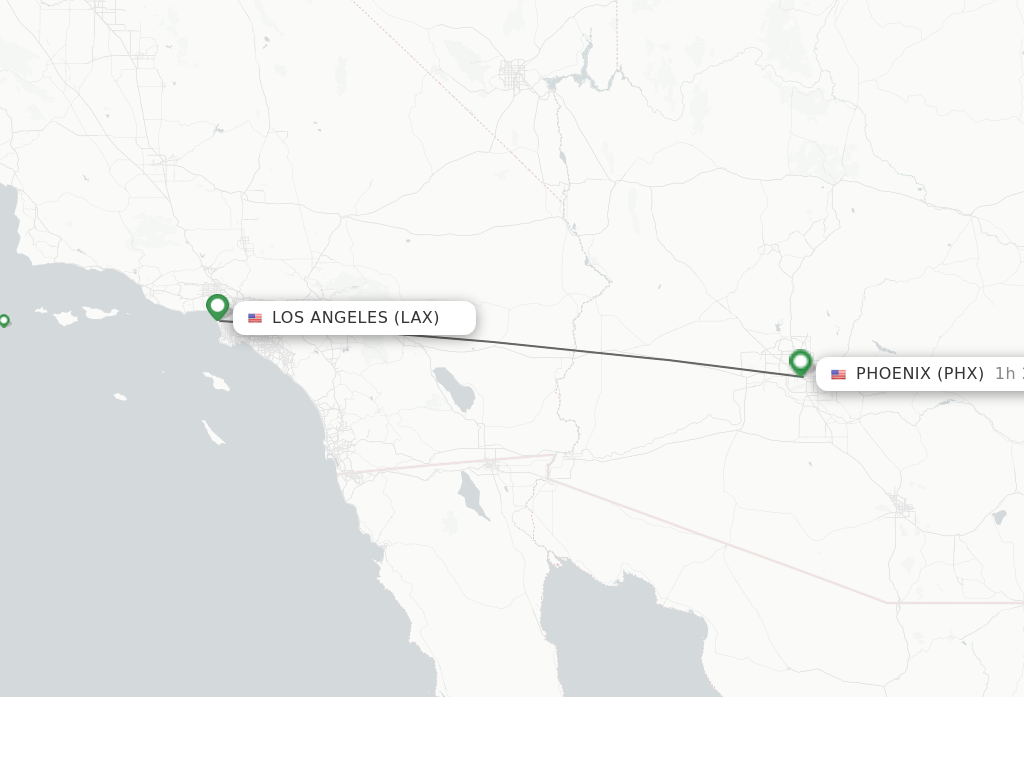
For those prioritizing speed and convenience, flying between Los Angeles and Phoenix is a highly efficient option. Numerous airlines operate direct flights between Los Angeles International Airport (LAX), Hollywood Burbank Airport (BUR), and other regional airports in Los Angeles to Phoenix Sky Harbor International Airport (PHX).
The flight duration itself is remarkably short, typically around 1 hour and 15 minutes to 1 hour and 30 minutes. This rapid transit time makes a day trip feasible, or it allows for more time to explore your destination once you arrive.
Key Aspects of Air Travel
- Airport Choice: Los Angeles has several major airports, each with its own advantages. LAX is the largest and handles the most traffic, offering a vast array of flight options. BUR is often considered a more convenient and less chaotic alternative for some travelers. Phoenix Sky Harbor International Airport (PHX) is well-connected and serves as a major hub for airlines operating in the Southwest.
- Flight Schedules: With frequent daily flights, you have considerable flexibility in choosing your departure and arrival times. Booking in advance is recommended, especially during peak travel seasons, to secure the best fares.
- Total Travel Time: While the flight is short, remember to factor in the time spent traveling to the airport, check-in, security screening, boarding, and deplaning. This means that the total door-to-door travel time will be closer to 4-5 hours, still significantly faster than driving for many.
- Cost Comparison: Flight prices can vary widely based on the airline, time of booking, season, and demand. While sometimes more expensive than the cost of gas and potential wear and tear on a car for a road trip, flights can be a more economical choice when considering the value of your time.
- Amenities at PHX: Phoenix Sky Harbor International Airport (PHX) is known for its modern amenities, including a variety of dining and shopping options, free Wi-Fi, and art installations. It’s designed to make your arrival or departure as comfortable as possible.
Considering Other Modes of Transportation
While driving and flying are the most prevalent methods, other options exist for the more adventurous or those seeking a different travel experience.
Bus Travel: A Budget-Friendly Option
Companies like Greyhound offer bus services between Los Angeles and Phoenix. This is often the most budget-friendly option, making it attractive for travelers on a tight budget.
- Duration: Bus journeys are considerably longer than driving or flying, typically taking anywhere from 8 to 12 hours or more, depending on the number of stops and route.
- Comfort and Amenities: While bus travel has improved over the years with amenities like Wi-Fi and onboard restrooms, it is a more confined travel experience.
- Flexibility: Schedules are fixed, and you have less control over your stops and journey duration compared to driving.
Train Travel: A Scenic but Less Direct Route
While there isn’t a direct train route between Los Angeles and Phoenix, it is possible to travel by Amtrak. This typically involves a multi-leg journey, often requiring transfers, and is generally the slowest option.
- Route: You might take a train from Los Angeles to a connecting point in Arizona, and then arrange for further transport to Phoenix. This route is more about the scenic journey than efficiency.
- Time Commitment: Train travel between these cities can take over 24 hours, making it a commitment for those who truly enjoy the journey itself and have ample time.
- Experience: For those who appreciate the romanticism of train travel and wish to see the landscapes unfold at a more leisurely pace, this can be an appealing, albeit time-consuming, choice. It offers a chance to relax, read, and observe the changing scenery without the stress of driving.
Reaching Your Destination: Arrival in Phoenix
Upon arrival in Phoenix, whether by car, plane, or other means, you’ll find a city that blends urban sophistication with desert charm. Phoenix is the fifth-most populous city in the United States and the heart of a rapidly growing metropolitan area known as the Valley of the Sun.
Exploring Phoenix and its Surroundings
- Attractions: Phoenix boasts a wealth of attractions catering to diverse interests. Must-see landmarks include the Desert Botanical Garden, showcasing the incredible biodiversity of the Sonoran Desert; the Heard Museum, dedicated to the art and culture of Native Americans; and Taliesin West, the former winter home and school of the renowned architect Frank Lloyd Wright. For outdoor enthusiasts, hiking in Camelback Mountain or Piestewa Peak offers stunning panoramic views of the city and surrounding desert.
- Accommodation: The city offers a wide range of accommodation options, from luxury resorts and boutique hotels to budget-friendly motels and vacation rentals. Areas like Old Town Scottsdale are popular for their vibrant nightlife, art galleries, and upscale shopping, while downtown Phoenix offers a more urban experience with its museums, theaters, and business centers.
- Culture and Cuisine: Phoenix‘s culinary scene is a delightful fusion of Southwestern flavors, Mexican influences, and contemporary American cuisine. You can find everything from authentic Mexican eateries to fine dining establishments. The local culture is deeply influenced by its Native American heritage and its proximity to Mexico, creating a unique and welcoming atmosphere.
- Day Trips: Phoenix also serves as an excellent base for exploring other notable Arizona destinations. A relatively short drive can take you to Sedona, famous for its red rock formations and spiritual vortexes; Grand Canyon National Park, one of the world’s most awe-inspiring natural wonders; or the historic mining town of Jerome.
In conclusion, the distance between Los Angeles and Phoenix is a journey that can be as varied as the landscapes it traverses. Whether you opt for the freedom of the open road, the speed of air travel, or a more unconventional mode of transport, the transition from the bustling coast to the sun-drenched desert is a memorable part of the American Southwest experience. Planning your trip with these considerations in mind will ensure a smooth and enjoyable passage to the vibrant city of Phoenix.