Nestled along the southeastern coast of the Sunshine State, Miami and Fort Lauderdale represent two of Florida’s most iconic and vibrant cities. While each boasts a distinct personality, they are surprisingly close, forming a dynamic urban corridor that draws millions of visitors annually. For anyone planning a trip to South Florida, understanding the distance and travel options between these two bustling hubs is paramount to crafting an unforgettable experience. Whether you’re a first-time tourist eager to explore the diverse attractions, a business traveler commuting between the cities, or simply a curious adventurer, this comprehensive guide will illuminate the journey, offering insights into travel logistics, local highlights, and tips for making the most of your time in this captivating region. From the pulsating energy of Miami’s nightlife to the laid-back charm of Fort Lauderdale’s waterways, the journey between them is an integral part of the adventure, easily manageable and offering a wealth of experiences along the way.
The Proximity Paradox: Unpacking the Distance
The close geographical relationship between Miami and Fort Lauderdale is often described as a “proximity paradox.” While they maintain unique identities and cultures, their physical distance is remarkably short, making inter-city travel a common occurrence for both residents and tourists. This close proximity allows travelers to seamlessly blend the distinct offerings of both metropolitan areas into a single, enriched itinerary, maximizing their travel experiences and exposing them to the full spectrum of South Florida life.
Straight Line vs. Road Distance
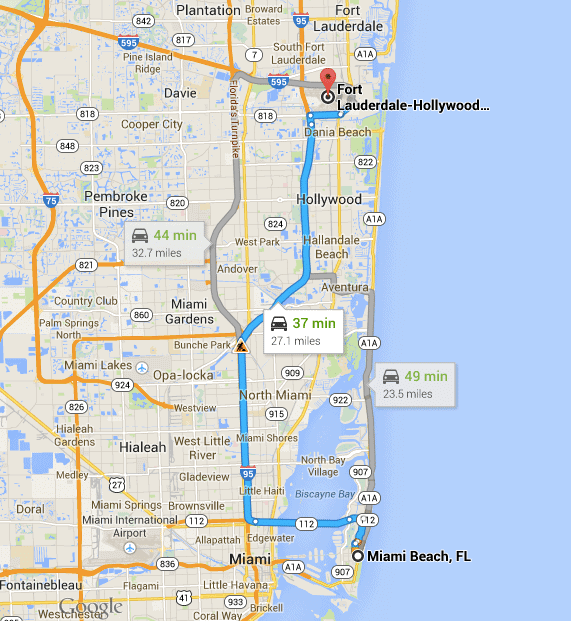
In a straight line, the distance between downtown Miami and downtown Fort Lauderdale is approximately 25 miles (around 40 kilometers). However, when considering the actual routes you’d take by road, the distance stretches slightly. Depending on the specific starting and ending points within each city, and the chosen route, the road distance typically ranges from 30 to 35 miles (48 to 56 kilometers). This relatively short distance means that, under ideal traffic conditions, the journey can be surprisingly swift, often taking less than an hour. However, it’s crucial to factor in the notorious South Florida traffic, which can significantly extend travel times, particularly during peak hours or in the event of unforeseen road incidents. Planning your travel outside of rush hour — generally avoiding 7-9 AM and 4-6 PM on weekdays — can dramatically reduce your journey time and enhance your overall travel experience.
Why the Journey Matters
The reasons for traveling between Miami and Fort Lauderdale are as diverse as the region itself. For many, it’s about tourism and exploring different facets of Florida life. A visitor might land at Miami International Airport but have a resort booking in Fort Lauderdale, or vice versa, landing at Fort Lauderdale-Hollywood International Airport for a Miami cruise departure. Day trips are incredibly popular, allowing tourists to experience Miami’s iconic Art Deco Historic District and vibrant nightlife, then return to the more tranquil atmosphere of Fort Lauderdale’s beaches. Business travelers often commute between the two cities, which host major corporate offices, convention centers, and burgeoning tech hubs. Furthermore, the proximity enables residents to live in one city while working in another, enjoying the unique lifestyle and accommodation options that each city presents. From luxury travel experiences to budget-friendly adventures, the seamless connection between Miami and Fort Lauderdale forms the backbone of the South Florida travel landscape, catering to a wide array of needs and preferences.
Navigating the Corridor: Your Transport Options
Traveling between Miami and Fort Lauderdale offers a variety of transportation choices, each with its own advantages in terms of cost, convenience, and travel time. Your preferred mode of transport will largely depend on your budget, schedule, and personal comfort.
By Car: The Most Popular Choice
Driving is by far the most flexible and popular way to travel between Miami and Fort Lauderdale. The primary routes are Interstate 95 (I-95) and Florida’s Turnpike.
- I-95: This interstate highway runs directly through both cities, offering the most direct path. It’s often the quickest route during off-peak hours, with travel times typically ranging from 25 to 45 minutes. However, it is also prone to heavy congestion, especially during rush hour, which can easily extend the journey to over an hour.
- Florida’s Turnpike: A toll road that runs parallel to I-95 a few miles inland, the Turnpike often provides a slightly smoother, albeit longer, drive with less traffic. Tolls are collected electronically, so an E-ZPass or SunPass transponder is highly recommended for hassle-free travel. Travel times are comparable to I-95 outside of peak congestion.
Considerations for Car Travel:
If you’re flying into MIA or FLL, renting a car is a straightforward option, with numerous rental agencies available at both airports. Parking can be a significant factor, particularly in popular areas like South Beach in Miami or along Las Olas Boulevard in Fort Lauderdale, often requiring payment at meters or garages. Many hotels in both cities offer parking, though resort fees may apply.
Public Transportation: Efficient and Eco-Friendly
For those seeking an alternative to driving, South Florida offers increasingly robust public transportation options that are both efficient and environmentally conscious.
- Brightline: The High-Speed Connection: This inter-city passenger rail service offers a premium, high-speed connection between downtown Miami and downtown Fort Lauderdale. With comfortable seating, Wi-Fi, food and beverage service, and a journey time of only 25-30 minutes, Brightline is an excellent choice for business travelers and tourists alike. Stations are conveniently located in MiamiCentral and the Fort Lauderdale Station, providing easy access to city centers. It’s a pricier option compared to commuter rail but delivers speed and comfort, aligning with a luxury travel lifestyle.
- Tri-Rail: The Commuter’s Friend: Tri-Rail is a commuter rail line connecting Miami-Dade, Broward, and Palm Beach counties. While slower than Brightline (journey times can range from 45 minutes to an hour or more, depending on your specific stations), it is a very cost-effective option, especially for those on a budget. Tri-Rail connects to local transit systems like Miami’s Metrobus and Metromover, and Broward County Transit buses, making it possible to reach many destinations without a car.
- Buses: Several bus services, including Greyhound, operate routes between Miami and Fort Lauderdale. This is generally the most economical option, though journeys can be longer and less direct than rail. Local bus services also operate, but usually require transfers and are best for shorter distances within city limits.
Ride-Sharing and Taxis: Convenience at Your Fingertips
For immediate convenience, ride-sharing services like Uber and Lyft are readily available in both Miami and Fort Lauderdale. These services offer door-to-door transportation, which can be particularly useful for travelers with luggage or those heading to destinations not easily accessible by public transport. A typical ride between the city centers could cost anywhere from $40 to $70, depending on traffic, demand (surge pricing), and the type of vehicle requested. Taxis are also an option, often found at airports, hotels, and major attractions, though they typically cost slightly more than ride-sharing services. For airport transfers, both MIA and FLL have designated pickup and drop-off zones for these services.
Miami vs. Fort Lauderdale: A Tale of Two Cities (and What to Do)
While geographically close, Miami and Fort Lauderdale offer distinct atmospheres and attractions, catering to different tastes and lifestyles. Understanding these differences can help you plan how to best allocate your time and enjoy the unique flavor of each city.
Miami: The Vibrant Metropolis
Miami is a global city, renowned for its dazzling beaches, electric nightlife, thriving arts scene, and rich Latin American influence. It’s a city that never truly sleeps, offering a sophisticated blend of urban glamour and tropical allure, appealing greatly to those seeking luxury travel and vibrant experiences.
-
Attractions:
- South Beach & Art Deco Historic District: Iconic for its pastel-hued buildings, pristine sands, and vibrant energy. A must-visit for its unique architecture and beach culture.
- Wynwood Walls: An outdoor street art museum featuring vibrant murals and graffiti from world-renowned artists. The surrounding Wynwood neighborhood is also famous for its galleries, breweries, and trendy eateries.
- Little Havana: Step into the heart of Cuban culture on Calle Ocho, where you can savor Cuban coffee, watch cigars being rolled, and enjoy live music.
- Pérez Art Museum Miami (PAMM): A stunning contemporary art museum with impressive architecture and waterfront views.
- Vizcaya Museum & Gardens: A National Historic Landmark, this opulent estate showcases European artistry, elaborate gardens, and breathtaking bay views.
-
Lifestyle & Accommodation: Miami epitomizes luxury travel and a high-energy lifestyle. Its culinary scene is world-class, and its nightlife legendary. Accommodation options range from ultra-luxury resorts like the Fontainebleau Miami Beach and Faena Hotel Miami Beach to boutique hotels and stylish apartments. Budget-friendly options are also available, particularly further away from the immediate beach areas.
Fort Lauderdale: The Venice of America
Often called the “Venice of America” due to its extensive canal system, Fort Lauderdale offers a more relaxed yet sophisticated atmosphere. It’s a haven for boating enthusiasts, beach lovers, and those seeking a slightly more understated luxury experience. It’s particularly popular for family trips and those who appreciate a blend of outdoor activities and upscale dining.
-
Attractions:
- Las Olas Boulevard: The city’s premier street for shopping, dining, and art galleries, stretching from downtown to the beach. Perfect for a leisurely stroll and people-watching.
- Fort Lauderdale Beach: Known for its wide, sandy shores, palm-lined promenades, and a wide array of beachfront resorts and restaurants.
- Water Taxis & Cruises: Explore the city’s intricate network of canals, admiring mega-yachts and celebrity homes. A water taxi is a unique and scenic way to get around and see the city from a different perspective.
- Hugh Taylor Birch State Park: An urban oasis offering kayaking, paddleboarding, hiking trails, and a glimpse into Florida’s native ecosystems.
- Bonnet House Museum & Gardens: A historic house museum and tropical garden providing a glimpse into Florida’s pioneer era, with unique architecture and art.
-
Lifestyle & Accommodation: Fort Lauderdale’s lifestyle revolves around its waterways and beaches, with a strong emphasis on outdoor activities and a slightly more casual elegance than Miami. It’s an excellent choice for family trips, offering numerous resorts with extensive amenities. Accommodation ranges from luxurious hotels like The Ritz-Carlton, Fort Lauderdale and W Fort Lauderdale to charming boutique stays and vacation rentals, catering to a diverse range of preferences and budgets.
Planning Your Trip: Essential Tips for the Miami-Fort Lauderdale Corridor
Making the most of your visit to the Miami-Fort Lauderdale corridor involves a bit of strategic planning, especially concerning travel and accommodation.
Traffic Considerations
As mentioned, traffic can be a significant factor. If driving, aim to travel during off-peak hours (mid-morning to early afternoon) to minimize delays. Utilize GPS apps like Google Maps or Waze, which provide real-time traffic updates and can suggest alternative routes. For airport transfers, always allow ample extra time, especially if your flight is during potential rush hour.
Accommodation Choices
Both cities offer a vast array of accommodation options to suit every budget and style. In Miami, consider staying in different neighborhoods to experience varying vibes: South Beach for glamour, Downtown for business and cultural attractions, or Brickell for a chic urban feel. Fort Lauderdale offers many beachfront resorts, often providing excellent amenities for family trips, or charming hotels near Las Olas Boulevard for a more upscale, cultural experience. Booking in advance, especially during peak season (winter and spring break), is highly recommended to secure the best rates and desired locations. Compare reviews and amenities to find the perfect suites, resorts, apartments, or villas that align with your travel style and budget.
Local Events
Check local event calendars before your trip. South Florida is a hub for festivals, concerts, sporting events, and art fairs year-round. While these events can add excitement to your visit, they can also impact traffic, public transport availability, and hotel prices. Being aware of major happenings like Art Basel in Miami or the Fort Lauderdale International Boat Show allows for better planning and can either be a highlight or an element to plan around.
Combining Destinations
The beauty of the Miami-Fort Lauderdale corridor lies in the ease with which you can combine destinations. Consider booking a few nights in Miami for its energetic nightlife and cultural landmarks, followed by a few days in Fort Lauderdale for relaxation on the beach or exploring the canals. This multi-city approach offers a comprehensive South Florida experience, allowing you to enjoy the best of both worlds without excessive travel time or hassle.
In conclusion, the distance between Miami and Fort Lauderdale is negligible when considering the wealth of attractions, experiences, and diverse lifestyles each city offers. With a variety of efficient transportation options and a bit of thoughtful planning, navigating this vibrant corridor is a seamless part of any South Florida adventure. Whether you’re drawn by the allure of world-class tourism, seeking specific accommodations, or simply exploring the region’s unique landmarks and culture, the journey between these two fantastic cities is an easy and rewarding one. Embrace the opportunity to explore both, and you’ll uncover the full magic that makes this part of Florida truly unforgettable.