
The vibrant tapestry of Louisiana is woven with rich history, distinctive culture, and unforgettable experiences, with its two largest cities, New Orleans and Baton Rouge, serving as its most captivating anchors. For travelers seeking to immerse themselves fully in the heart of the Pelican State, understanding the connection and journey between these two iconic destinations is essential. Whether you’re a history buff drawn to stately capitol buildings, a foodie eager to savor Creole and Cajun flavors, or simply looking for a diverse travel experience, the short distance separating New Orleans and Baton Rouge makes a combined exploration not just possible, but highly recommended.

This article delves into the practicalities of traveling between New Orleans and Baton Rouge, outlining distances, travel times, and various transportation options. Beyond logistics, we’ll explore the unique attractions, culinary landscapes, and accommodation choices each city offers, catering to a range of travel styles from luxury escapes to budget-friendly adventures. By the end, you’ll have a comprehensive guide to navigating this quintessential Louisiana route, ensuring your trip is as seamless as it is memorable.
Navigating the Distance: Journeying Between Louisiana’s Major Cities
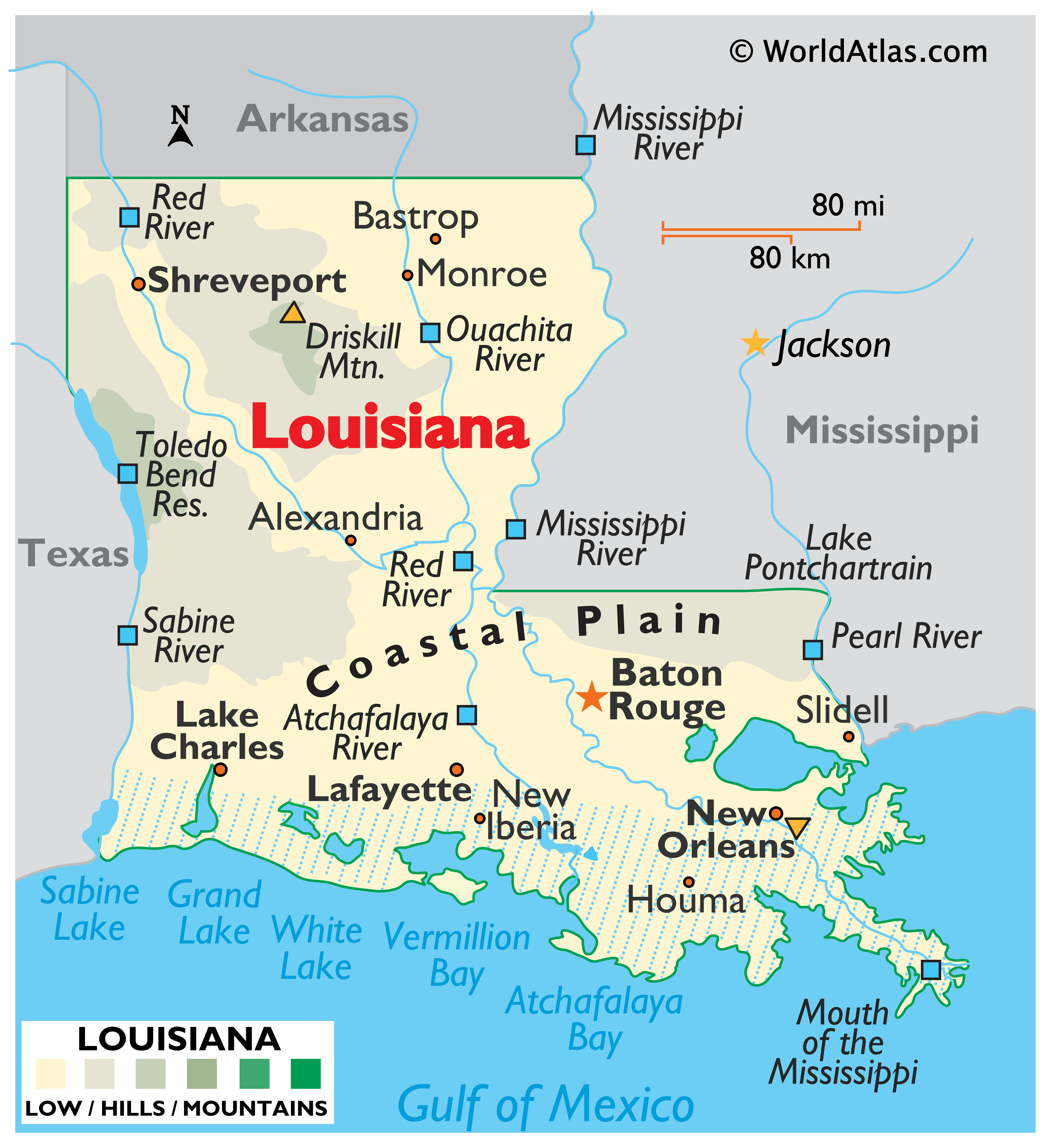
The journey from New Orleans to Baton Rouge is a well-traveled route, linking the state’s cultural heart with its political capital. The distance is manageable, making it an ideal path for day trips, weekend getaways, or as part of a longer Louisiana itinerary.
Distance and Driving: The Most Common Route
The approximate driving distance between downtown New Orleans and downtown Baton Rouge is roughly 80 miles (about 129 kilometers). This relatively short distance translates into a typical driving time of 1 hour and 15 minutes to 1 hour and 45 minutes, depending heavily on traffic conditions, especially around the major urban centers.
The primary route connecting these two cities is Interstate 10 (I-10). This major highway is generally well-maintained and offers a direct path, cutting straight through the heart of Louisiana’s scenic, albeit often industrial, landscape. Drivers will cross the mighty Mississippi River at Baton Rouge via the impressive Mississippi River Bridge, a significant landmark in itself.
Tips for Drivers:
- Traffic Considerations: Be aware that traffic can be particularly heavy during peak commuting hours (7-9 AM and 4-6 PM) and on weekends, especially when major events are happening in either city (e.g., LSU football games in Baton Rouge or festivals in New Orleans). Planning your travel during off-peak times can significantly reduce your journey duration.
- Fuel and Rest Stops: There are ample opportunities for fuel and rest stops along I-10, particularly as you approach or depart from either city.
- Scenic Detours: While I-10 is efficient, those with more time might consider a slight detour through some of Louisiana’s famous Plantation Country. Routes like Highway 61 (the Old Airline Highway) run parallel to I-10 for portions and offer a glimpse into the grand antebellum estates that define much of the region’s history. This slower route transforms the utilitarian drive into a picturesque journey through historical landscapes, perfect for those interested in a deeper cultural experience.
Alternative Transportation Options
For travelers who prefer not to drive or are looking for budget-friendly alternatives, several other transportation methods are available:
- Bus Services: Companies like Greyhound offer regular bus services between New Orleans and Baton Rouge. While typically longer than driving (often 2-2.5 hours due to stops), bus travel is economical and provides a stress-free option, allowing you to relax and enjoy the scenery without the hassle of navigating traffic or finding parking.
- Train Services: Amtrak‘s ” City of New Orleans” line technically connects New Orleans and Baton Rouge, though the Baton Rouge station is slightly west of the city center. Train travel offers a comfortable and often scenic experience, distinct from road travel. It’s an excellent choice for those seeking a more leisurely pace and a classic travel ambiance.
- Ride-Sharing and Taxis: Services like Uber and Lyft are readily available in both cities, offering a convenient, door-to-door solution. While more expensive than bus or train, they provide flexibility and privacy, particularly useful for business travelers or small groups. Traditional taxi services are also an option, though typically at a higher cost.
- Private Shuttles: Various local shuttle companies offer private or shared ride services. These can be particularly useful for airport transfers or for groups traveling together, providing a balance between convenience and cost.
Choosing the right mode of transport depends on your budget, schedule, and desired travel experience. Each option presents a unique way to bridge the distance, allowing you to tailor your journey to your personal lifestyle and travel preferences.
Exploring Baton Rouge: The Capital City’s Rich Offerings
As the capital of Louisiana, Baton Rouge boasts a distinct identity rooted in its political importance, historic architecture, and vibrant university life. For many, a visit to Baton Rouge offers a fascinating counterpoint to the boisterous energy of New Orleans, providing a deeper insight into the state’s complex heritage.
Iconic Landmarks and Cultural Experiences
Baton Rouge’s cityscape is dominated by the awe-inspiring Louisiana State Capitol, the tallest capitol building in the United States. Its Art Deco design and the panoramic views from its observation deck make it a must-visit landmark. Nearby, the Old State Capitol, a Gothic Revival castle overlooking the Mississippi River, offers a dramatic historical backdrop.
Further enriching the city’s cultural landscape are institutions like the LSU Rural Life Museum, which preserves the everyday lives of 19th-century Louisianans, and the USS Kidd Veterans Memorial and Museum, featuring a WWII Fletcher-class destroyer. The Shaw Center for the Arts serves as the city’s modern cultural hub, hosting art galleries, theaters, and performing arts venues. For those with scientific curiosity, the Louisiana Art & Science Museum offers engaging exhibits.
Local Culture and Cuisine: Baton Rouge’s food scene is a delightful fusion of Cajun and traditional Southern cooking. From soul food to sophisticated contemporary dining, visitors can indulge in dishes like gumbo, jambalaya, and fresh seafood. The city’s proximity to agricultural areas ensures a farm-to-table freshness, and local markets offer a chance to sample regional produce. The vibrant atmosphere around Louisiana State University (LSU) adds youthful energy to the city, especially during football season, when tailgating traditions transform weekends into large-scale community celebrations.
Accommodation in Baton Rouge
Baton Rouge offers a range of accommodation options catering to diverse preferences and budgets, whether you’re visiting for business, a university event, or leisure.
- Luxury & Boutique Stays: For those seeking elegance and premium amenities, hotels like The Watermark Baton Rouge, Autograph Collection, housed in a beautifully restored historic building, provide a luxurious experience. The Hilton Baton Rouge Capitol Center, with its prime downtown location near the Mississippi River, also offers upscale comfort and excellent service. These establishments are ideal for business travelers or those desiring a sophisticated urban retreat.
- Mid-Range & Family-Friendly Options: Numerous well-known hotel chains offer comfortable and reliable stays, such as Hotel Indigo Baton Rouge Downtown which provides a unique boutique experience with local flair, or various Marriott and Embassy Suites properties. These options often come with amenities like pools, complimentary breakfast, and spacious suites, making them perfect for family trips or extended stays.
- Budget-Friendly Choices: For travelers prioritizing affordability without compromising on comfort, numerous motels and smaller hotels are available throughout the city, particularly along major thoroughfares. These offer clean, basic accommodations, ensuring a comfortable stay for budget-conscious explorers.
When considering accommodation in Baton Rouge, think about your reason for visiting. Downtown properties offer easy access to government buildings and cultural attractions, while hotels near LSU are perfect for campus visitors.
Discovering New Orleans: The Enchantment of the Crescent City
New Orleans stands as a global icon of culture, music, and gastronomy. Its unique blend of French, Spanish, African, and Caribbean influences has forged a city unlike any other in the United States, making it an irresistible magnet for travelers from all walks of life.
Iconic Landmarks and Unforgettable Experiences
The heart of New Orleans pulsates within the historic French Quarter, where vibrant Bourbon Street teems with live Jazz music and bustling nightlife. Jackson Square, flanked by the majestic St. Louis Cathedral and historic Pontalba Apartments, offers a picturesque setting for street artists and performers. Beyond the Quarter, the elegant Garden District showcases stunning antebellum mansions, best explored via a historic streetcar ride.
Other significant attractions include the immersive National WWII Museum, the family-friendly Audubon Zoo, and the captivating Audubon Aquarium of the Americas. For a tranquil escape, City Park, one of the largest urban parks in the United States, offers ancient oak trees, art museums, and botanical gardens.
Culinary Delights and Vibrant Festivals: New Orleans is a paradise for food lovers. Its Creole and Cajun cuisines are world-renowned, with iconic dishes like gumbo, jambalaya, po’boys, and of course, the quintessential beignets at Café Du Monde. The city’s festival calendar is packed year-round, from the world-famous Mardi Gras celebrations to the melodious New Orleans Jazz & Heritage Festival, ensuring there’s always a reason to celebrate. The live music scene, particularly Jazz on Frenchmen Street, is an experience that truly defines the city’s soul.
Accommodation in New Orleans: Tailoring Your Stay
New Orleans offers an unparalleled range of accommodation, from historic luxury hotels to charming boutique guesthouses and budget-friendly hostels. The choice of where to stay often depends on your desired lifestyle experience.
- Luxury Travel & Grand Hotels: For those seeking an opulent escape, New Orleans delivers with world-class hotels. The Roosevelt New Orleans, A Waldorf Astoria Hotel offers timeless elegance and impeccable service. The historic Hotel Monteleone in the French Quarter is famous for its Carousel Bar, while the Royal Sonesta New Orleans provides a luxurious oasis right on Bourbon Street. Newer additions like the Four Seasons Hotel New Orleans redefine modern luxury with stunning Mississippi River views. These options are ideal for discerning travelers and those on a honeymoon or special occasion trip.
- Boutique & Mid-Range Charms: The city is replete with charming boutique hotels and guesthouses, particularly in the French Quarter and Garden District, offering unique character and personalized service. Many are housed in beautifully restored historic buildings, providing an authentic New Orleans experience. Mid-range hotels, including popular chains, offer comfortable amenities and good value, often located slightly outside the immediate bustle of the French Quarter but still easily accessible.
- Budget Travel & Hostels: New Orleans is also accessible for budget travelers, with numerous hostels and guesthouses providing affordable lodging, particularly in neighborhoods like the Central Business District or Faubourg Marigny. These options are popular with backpackers, students, and young travelers looking to maximize their experiences without breaking the bank.
- Family Trips & Long-Term Stays: Many hotels offer suites or interconnected rooms suitable for families. Additionally, serviced apartments and vacation rentals (villas, cottages) are available for those planning longer stays or seeking a home-away-from-home experience, allowing for cooking and more space for children.
- Business Stays: For business travelers, hotels in the Central Business District offer proximity to convention centers, corporate offices, and amenities tailored to professional needs, often with executive lounges and meeting facilities.
Booking accommodation in New Orleans well in advance, especially during peak seasons like Mardi Gras or major festivals, is highly recommended to secure the best rates and desired location. Comparing options on various booking platforms can help you find the perfect fit for your travel style and budget.
Why Travel Between New Orleans and Baton Rouge?
The relatively short distance and ease of travel between New Orleans and Baton Rouge unlock a myriad of possibilities for travelers, allowing them to experience the dual facets of Louisiana’s identity. This journey is more than just covering miles; it’s about connecting two distinct, yet complementary, cultural hubs.
Combining Business with Leisure
Many visitors find themselves traveling between the cities for work, particularly those involved with state government or LSU in Baton Rouge, or the port and tourism industries in New Orleans. The efficient connection makes it feasible to combine a business trip with extended leisure, perhaps enjoying New Orleans’s nightlife after a day of meetings in Baton Rouge, or vice versa. This allows for a richer experience, blending professional obligations with opportunities for relaxation and cultural immersion, catering to the modern lifestyle of the dynamic business traveler.
A Comprehensive Louisiana Tourism Experience
For tourists, bridging the gap between these two cities offers a more holistic view of Louisiana. While New Orleans is celebrated globally for its vibrant festivals, music, and food, Baton Rouge provides insight into the state’s political history, Cajun heritage, and the stately beauty of Plantation Country. A visit to both allows travelers to compare and contrast the different facets of Louisiana’s charm – from the lively street performances of the French Quarter to the solemn grandeur of the State Capitol.
Many travelers opt for multi-day itineraries that include both cities, perhaps starting with a few days of intense exploration in New Orleans followed by a more relaxed pace in Baton Rouge, or vice versa. This approach is excellent for family trips, offering a blend of educational experiences and entertaining attractions that appeal to all ages.

Event and Festival Hopping
Both New Orleans and Baton Rouge host numerous events and festivals throughout the year. From LSU sporting events and Baton Rouge’s Blues Festival to New Orleans’s famous Mardi Gras, Jazz Fest, and Voodoo Music + Arts Experience, there’s always something happening. The easy connectivity allows visitors to attend events in one city while staying in the other, offering flexibility and access to a wider range of activities. This kind of event-hopping is a fantastic way to experience the vibrant pulse of Louisiana’s social and cultural scene.
Whether your purpose is educational, leisurely, or driven by specific events, the journey between New Orleans and Baton Rouge is an integral part of understanding and appreciating the diverse appeal of Louisiana. It’s a journey that reveals the depth and breadth of the state’s storied past and dynamic present, ensuring a rich and rewarding travel experience.
In conclusion, the question “How far is New Orleans from Baton Rouge?” reveals more than just a measurement of miles; it opens the door to a dual exploration of Louisiana’s soul. The journey, a mere 80 miles via Interstate 10, is brief enough for a day trip yet rich enough to form the backbone of an extended adventure. From the historic grandeur of Baton Rouge’s capitols and the academic buzz of LSU to the unparalleled cultural effervescence of New Orleans’s French Quarter and its world-renowned culinary and music scenes, both cities offer distinct and compelling reasons to visit. With a variety of transportation options and accommodation choices ranging from luxury hotels to budget-friendly stays, tailoring your Louisiana experience is simple. Embrace the opportunity to traverse this essential route and uncover the captivating stories and vibrant spirit that define these two extraordinary Southern gems. Your Louisiana adventure awaits!
LifeOutOfTheBox is a participant in the Amazon Services LLC Associates Program, an affiliate advertising program designed to provide a means for sites to earn advertising fees by advertising and linking to Amazon.com. Amazon, the Amazon logo, AmazonSupply, and the AmazonSupply logo are trademarks of Amazon.com, Inc. or its affiliates. As an Amazon Associate we earn affiliate commissions from qualifying purchases.