
The question of “How Far Is New York From Philly?” is one that resonates with many travelers, commuters, and even residents of the Northeastern United States. These two iconic metropolises, New York City and Philadelphia, are inextricably linked by history, culture, and geography. While both offer distinct and vibrant experiences, their proximity makes them ideal for a variety of travel plans, from quick day trips to extended exploration of the region. Understanding the distance and the various ways to traverse it is key to unlocking the full potential of a journey between these two major hubs.
The Direct Distance: A Measure of Proximity
When we talk about “how far,” the most straightforward answer lies in the geographical distance between the two cities. This measurement, typically expressed in miles or kilometers, provides a baseline understanding of the travel effort involved. However, the actual travel time can vary significantly based on the chosen mode of transportation and prevailing conditions.
Driving Distance and Time
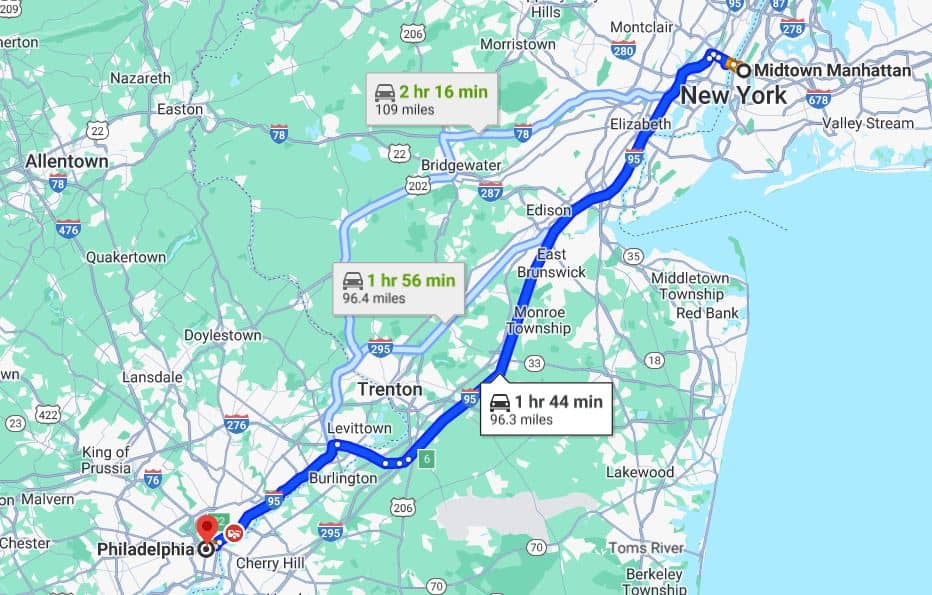
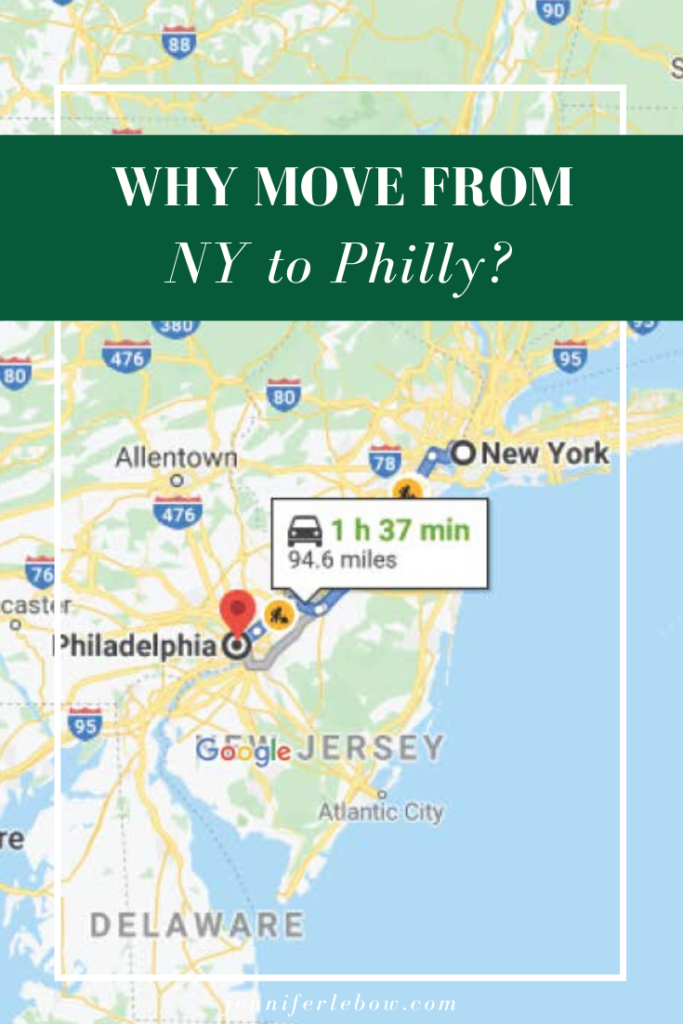
The most common way many people consider the distance is by car. The most direct driving route between New York City and Philadelphia is approximately 95 miles (about 153 kilometers). This distance is primarily covered by Interstate 95 (I-95), a major East Coast artery, or the slightly more scenic New Jersey Turnpike.
Under ideal traffic conditions, the drive can take as little as 1 hour and 45 minutes to 2 hours. However, it’s crucial to acknowledge that “ideal conditions” are often a rarity between these two densely populated areas. Traffic congestion, especially during peak commuting hours, around holidays, or due to accidents, can dramatically increase travel time. It is not uncommon for a trip that could theoretically take under two hours to stretch to three or even four hours, particularly if entering or exiting Manhattan or navigating through Philadelphia’s urban core. Tolls are also a significant factor on this route, with various bridges and turnpikes incurring charges that add to the overall cost of driving.
Rail Travel: A Swift and Convenient Option
For travelers seeking to avoid the uncertainties of road traffic, rail travel presents a highly efficient and often more relaxing alternative. The distance between the two cities is perfectly suited for high-speed rail services, making it a popular choice for business travelers and tourists alike.
The primary rail provider connecting New York City and Philadelphia is Amtrak. Their Acela Express service offers the fastest journey, with some trains completing the trip in as little as 1 hour and 10 minutes. This makes it possible to experience the highlights of both cities within a single day, transforming the question of “how far” into a question of “how much time do I have?” For those prioritizing speed and comfort, the Acela is an excellent choice.
The more common and slightly less expensive option is the Amtrak Northeast Regional service. These trains also offer a comfortable ride, though they make more stops along the route, extending the journey time. A Northeast Regional trip between New York Penn Station and Philadelphia’s 30th Street Station typically takes around 1 hour and 30 minutes to 2 hours. The convenience of arriving directly in the heart of each city, without the hassle of parking or traffic, is a major draw for many passengers. Both stations are well-connected to local public transportation networks, facilitating onward journeys.
Exploring the Intervening Landscape
The stretch of land between New York City and Philadelphia is not just a void to be traversed; it’s a region rich with its own history, culture, and attractions. Understanding the “distance” also means acknowledging the opportunities for exploration that lie along the way.
A Region Steeped in American History
This corridor is, arguably, the cradle of American independence. The proximity of these two cities means that many sites of immense historical significance are clustered within a relatively short distance.
For those traveling by car, there are numerous historical towns and landmarks that can be visited. Princeton, New Jersey, home to the prestigious Princeton University, offers a charming and intellectually stimulating detour. Its historic downtown and beautiful campus are worth exploring. Further south, the area around the Battle of Trenton offers a glimpse into pivotal moments of the Revolutionary War.
While direct rail lines might not always offer immediate access to smaller historical towns, the general region is dotted with these gems. For the dedicated history enthusiast, planning a journey that incorporates a few well-chosen stops can turn a simple transit into a rich historical pilgrimage.
Diverse Scenery and Local Flavors
Beyond the historical significance, the landscape between New York City and Philadelphia offers a variety of scenery. From the bustling suburbs that characterize much of New Jersey to more rural stretches, the visual experience changes as one travels.
This region is also known for its diverse culinary offerings. While both cities boast world-class dining, the towns and communities along the way often feature local diners, farm-to-table restaurants, and ethnic eateries that provide a taste of regional flavor. Exploring these opportunities adds another dimension to understanding the “distance” – it’s not just about miles, but about the experiences available within them.
The Practicalities of Travel: Choosing Your Route
Ultimately, the “how far” question is best answered by considering the practicalities of your journey. The best route depends on your priorities: speed, cost, comfort, or the desire to explore.
Bus Services: A Budget-Conscious Alternative
For budget-conscious travelers, bus services provide an economical way to cover the distance between New York City and Philadelphia. Companies like Greyhound and various regional bus lines operate frequent services.
While typically slower than trains or driving in ideal conditions, buses offer a consistent and affordable option. Travel times can range from 2.5 to 4 hours, depending on the number of stops and traffic. Many bus services depart from the Port Authority Bus Terminal in New York City and arrive at Philadelphia’s Market Street station or other designated stops. This is a solid choice for those who want to conserve funds without sacrificing the ability to reach their destination.
Air Travel: An Unlikely but Possible Option
While seemingly counterintuitive given the relatively short distance, flying between New York City and Philadelphia is technically possible, though rarely practical. Both cities have major international airports: John F. Kennedy International Airport (JFK), LaGuardia Airport (LGA), and Newark Liberty International Airport (EWR) in the New York metropolitan area, and Philadelphia International Airport (PHL) in Philadelphia.
However, the flight time itself is very short, often under an hour. When factoring in the time required for travel to and from airports, security checks, boarding, and baggage claim, the total journey time can easily exceed that of a train or even a less congested drive. Therefore, for most travelers, air travel is not the most efficient way to get between these two cities.
Conclusion: Distance as an Opportunity
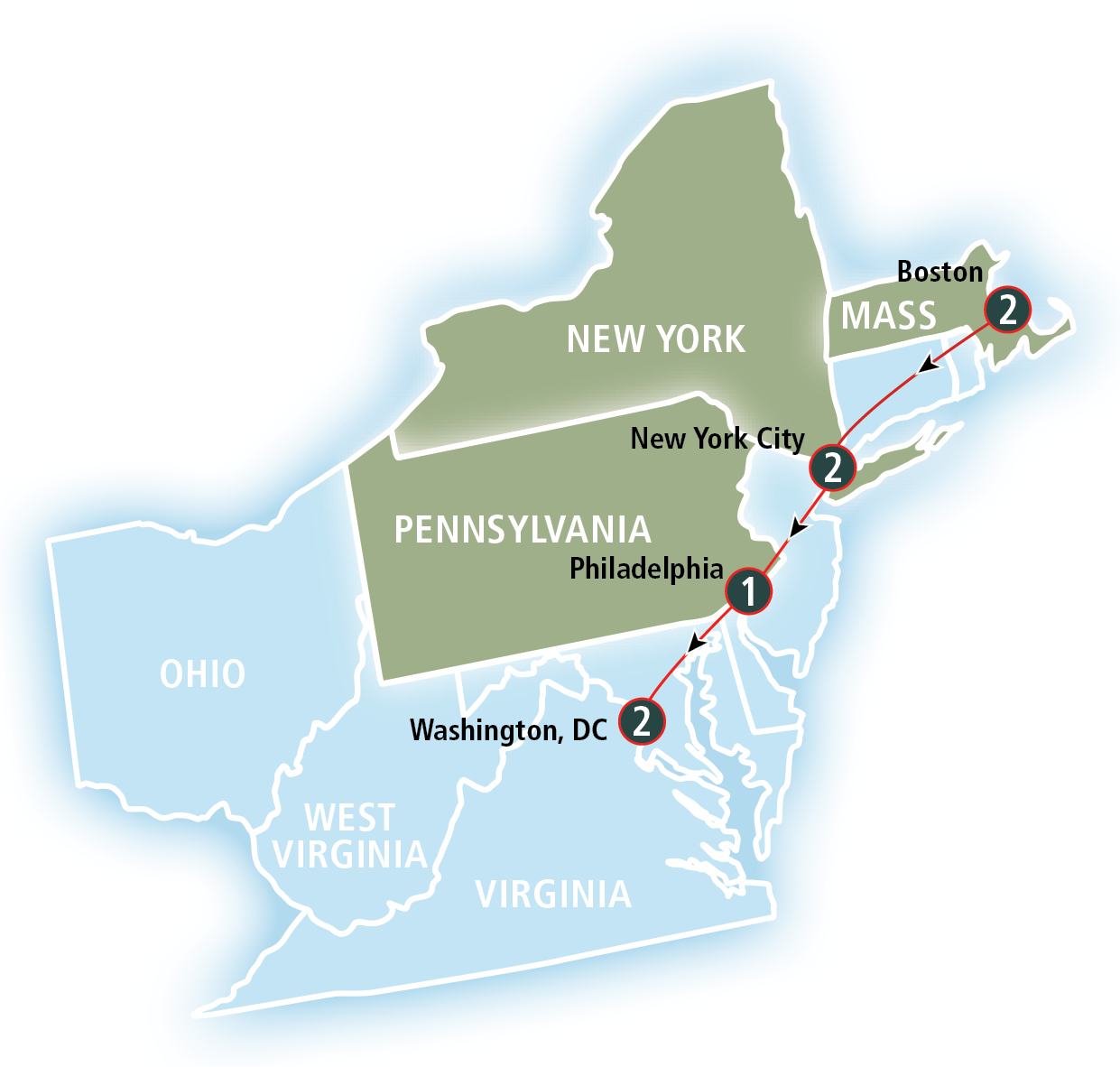
The question “How Far Is New York From Philly?” is not merely about mileage. It’s about the accessibility, the travel time, the cost, and the potential for discovery. The approximate 95 miles (153 kilometers) between these two dynamic cities can be covered in under two hours by car or train under good conditions, and up to four hours or more with traffic. This relatively short distance transforms them from separate destinations into neighbors, offering a fantastic opportunity for travelers to experience the unique offerings of both New York City and Philadelphia within a single trip. Whether you choose the open road, the swift rails, or a budget-friendly bus, the journey itself can be as enriching as the destinations.
LifeOutOfTheBox is a participant in the Amazon Services LLC Associates Program, an affiliate advertising program designed to provide a means for sites to earn advertising fees by advertising and linking to Amazon.com. Amazon, the Amazon logo, AmazonSupply, and the AmazonSupply logo are trademarks of Amazon.com, Inc. or its affiliates. As an Amazon Associate we earn affiliate commissions from qualifying purchases.