
The vast expanse of the United States holds a captivating diversity, and the question of distance between two iconic states like North Carolina and California sparks curiosity for many travelers, researchers, and those simply planning a cross-country adventure. While they are both part of the contiguous United States, their geographical separation is significant, presenting a compelling study in American geography, travel logistics, and the sheer scale of this nation. Understanding this distance isn’t just about miles on a map; it’s about appreciating the varied landscapes, climates, and cultures that lie between these two influential hubs.

The Direct Distance: Miles and Metrics
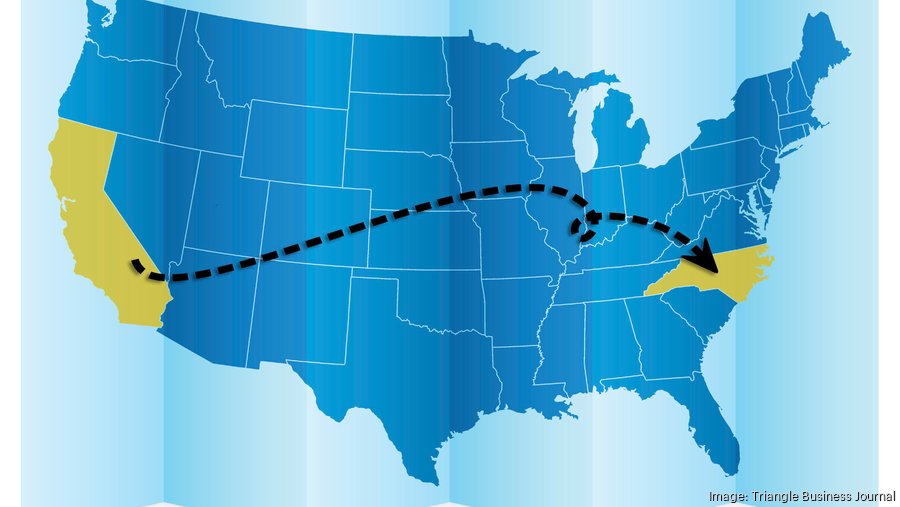
At its core, the distance between North Carolina and California is a matter of mileage, but this figure can vary depending on the specific starting and ending points within each state. Generally, the air distance, or the “as the crow flies” measurement, between the geographical centers of North Carolina and California is approximately 2,100 to 2,200 miles (around 3,380 to 3,540 kilometers). However, this is a theoretical measurement. When planning actual travel, especially by road, the driving distance is the more pertinent figure.
Driving Distances: Navigating the Interstates
The actual driving distance between North Carolina and California can range significantly, typically falling between 2,600 and 3,000 miles (approximately 4,180 to 4,830 kilometers), depending on the chosen route. This considerable mileage underscores the fact that this is not a short trip; it’s a journey that requires careful planning, significant time commitment, and consideration for multiple overnight stops.
Several major interstate highways facilitate this cross-country trek. A common route might involve heading west on an interstate like I-40 or I-70 through states such as Tennessee, Arkansas, Oklahoma, Texas, New Mexico, and Arizona, before reaching California. Alternatively, a more northerly route could utilize I-80 or I-90, passing through states like Missouri, Nebraska, Wyoming, Utah, and Nevada. Each route offers a different perspective on the American landscape, from the rolling hills of the Appalachian Mountains to the arid beauty of the Mojave Desert.
For instance, driving from Raleigh, North Carolina, to Los Angeles, California, a popular city for many visitors, could involve a route of roughly 2,700 miles. This would likely entail around 40-45 hours of pure driving time, excluding any stops for gas, food, rest, or sightseeing. Similarly, a journey from Charlotte, North Carolina, to San Francisco, California, might cover a similar distance, perhaps slightly longer depending on the precise path taken through the diverse terrain.
The choice of route often dictates the number of days required for the trip. A brisk drive, minimizing sightseeing, might be achievable in 4-5 days for dedicated drivers. However, for travelers who wish to experience the sights and sounds along the way, the journey can easily extend to a week or even two, transforming it from a mere transit into a memorable road trip.
Flying: The Swift Alternative
For those seeking to bridge the vast geographical gap between North Carolina and California with greater speed, air travel is the undeniable champion. The flight time between major airports in both states, such as Charlotte Douglas International Airport (CLT) in North Carolina and Los Angeles International Airport (LAX) or San Francisco International Airport (SFO) in California, is typically around 5 to 6 hours for a direct flight.
However, this is just the airborne duration. When factoring in travel to and from airports, check-in procedures, security lines, and potential layovers, the total travel time for a flight can easily extend to 8-10 hours or more. Nevertheless, this remains significantly shorter than any form of ground transportation.
Major airlines operate numerous flights connecting these two populous states, making air travel a convenient and accessible option for business trips, vacations, or urgent family matters. The presence of major hubs in both North Carolina (like Charlotte and Raleigh-Durham) and California (with extensive networks in Los Angeles, San Francisco, San Diego, and Sacramento) ensures a high frequency of services and competitive pricing.
Factors Influencing the Distance and Travel Time
Beyond the raw mileage, several factors significantly influence the perceived distance and the actual time it takes to travel between North Carolina and California. These elements are crucial for anyone planning their journey.
Choice of Transportation

As already discussed, the mode of transportation is the most significant determinant of travel time.
- Driving: Offers flexibility and the opportunity for scenic exploration but demands the most time.
- Flying: Provides the quickest transit but requires booking in advance and navigating airport logistics.
- Train: Amtrak offers cross-country routes, but these are significantly slower than driving or flying, often taking several days and involving multiple transfers. This option appeals more to those seeking a leisurely, scenic journey with the opportunity to relax and observe the changing American landscape.
Specific Destinations within States
North Carolina is a relatively large state with diverse geography, stretching from the Outer Banks on the Atlantic coast to the Great Smoky Mountains in the west. Similarly, California is vast, encompassing everything from the beaches of Southern California to the redwood forests of the north and the deserts of the southeast. The precise starting point in North Carolina (e.g., Asheville vs. Wilmington) and the destination in California (e.g., San Diego vs. Sacramento) will naturally alter the total mileage and estimated travel time. For example, driving from Asheville, North Carolina, to San Diego, California, might be a slightly different mileage and route than traveling from Charlotte, North Carolina, to Lake Tahoe, California.
Route Optimization and Road Conditions
When driving, the chosen route can impact both distance and time. Navigating major interstates is generally faster than taking scenic byways or rural roads. Traffic congestion, particularly in and around major metropolitan areas like Atlanta, St. Louis, Denver, Phoenix, or Los Angeles, can add considerable time to a drive. Road conditions, influenced by weather (especially during winter months in mountainous regions or severe storm seasons), construction, and accidents, can also lead to delays. Planning using real-time traffic apps and checking weather forecasts is essential for any extended road trip.
Stops and Sightseeing
The nature of the trip itself is a major factor. Is the goal to simply reach the destination as quickly as possible, or is it to experience the journey? A road trip across the country is an opportunity to visit numerous attractions. One could stop to explore the history of Williamsburg, Virginia, marvel at the natural beauty of Zion National Park in Utah, experience the vibrant city life of Denver, Colorado, or admire the Hoover Dam. Each significant stop adds hours, days, or even weeks to the overall travel duration.
Planning Your Cross-Country Journey
Embarking on a trip from North Carolina to California, or vice versa, is an undertaking that requires thoughtful planning, especially considering the substantial distance. Whether opting for the freedom of a road trip or the speed of air travel, preparation is key to a smooth and enjoyable experience.
Road Trip Essentials
For those choosing to drive, a well-planned itinerary is crucial. This involves mapping out the route, identifying potential overnight stops, and budgeting for fuel, accommodation, and meals. Websites and apps like Google Maps or Waze are invaluable for navigation and real-time traffic updates. For overnight stays, a wide range of accommodations is available, from budget-friendly motels along the highways to more comfortable hotels and inns in towns and cities. Booking accommodations in advance, especially during peak travel seasons, can secure better rates and ensure availability. Consider researching unique roadside attractions or national parks along your chosen route to break up the long driving days and add memorable experiences. Destinations like the Grand Canyon National Park, Arches National Park in Utah, or even a quick detour to Las Vegas, Nevada, can add significant appeal to a cross-country drive.
Air Travel Considerations
When flying, booking tickets in advance is generally recommended to secure the best fares. Flexibility with travel dates can also lead to savings. Consider the baggage allowances and fees of different airlines, as these can vary. For a trip of this length, packing efficiently is important, especially if carrying luggage onto the plane. Once in California, renting a car is often the most practical way to explore the state’s diverse attractions, from the theme parks of Orlando (though Orlando is in Florida, a common mistake might be to associate it with California’s theme park scene, highlighting the importance of precise geographical knowledge) to the coastal drives.
Accommodation Choices
Regardless of the mode of transport, securing suitable accommodation is a vital part of the planning process. In North Carolina, visitors might choose to stay in the historic inns of the Outer Banks, the mountain lodges near Asheville, or the bustling city hotels in Charlotte or Raleigh. In California, the options are boundless, from luxury resorts in Beverly Hills and boutique hotels in San Francisco to family-friendly resorts near Disneyland and budget-friendly motels along the coast. Websites offering hotel comparisons and reviews can be instrumental in finding the perfect place to stay. Long-term stays might also be an option for those relocating or on extended assignments, with apartments and rental villas providing more space and amenities.
Experiencing the Journey
The distance between North Carolina and California is not merely a geographical fact; it represents an opportunity to experience the vastness and diversity of the United States. Whether one chooses to traverse it by car, soaking in the changing landscapes and local cultures, or by plane, efficiently bridging the gap to explore the attractions of the West Coast, the journey itself can be as rewarding as the destination. From the historical significance of Philadelphia, Pennsylvania (which can be a potential stopover on a more northerly route) to the natural wonders of Yellowstone National Park (a possible detour from an I-80 route), the American continent unfolds with each mile traveled. Understanding the distance is the first step in appreciating the richness of the experiences that await.
LifeOutOfTheBox is a participant in the Amazon Services LLC Associates Program, an affiliate advertising program designed to provide a means for sites to earn advertising fees by advertising and linking to Amazon.com. Amazon, the Amazon logo, AmazonSupply, and the AmazonSupply logo are trademarks of Amazon.com, Inc. or its affiliates. As an Amazon Associate we earn affiliate commissions from qualifying purchases.