
The vast expanse of the United States offers a tapestry of diverse landscapes and experiences, and the journey between two of its prominent eastern states, New York and North Carolina, is a popular route for both leisure and necessity. Understanding the distance, travel times, and various modes of transit available is crucial for anyone planning a trip between these two captivating regions. Whether you’re dreaming of the bustling energy of New York City or the serene beauty of the Outer Banks, this guide will help you navigate the miles and make informed travel decisions.
The Mileage Maze: Understanding the Direct Distance
The geographical distance between New York and North Carolina is not a single, fixed number, but rather a range that depends on the specific start and end points within each state. New York itself is a large state, encompassing everything from the urban jungle of New York City to the natural splendor of the Adirondack Mountains. Similarly, North Carolina stretches from the sandy shores of the Atlantic coast to the rolling peaks of the Blue Ridge Mountains.
Driving Distances: A State-to-State Snapshot
When considering driving, the most common reference points are the major metropolitan areas.
From New York City to Raleigh, North Carolina
A frequently traveled route is from New York City to Raleigh, the capital of North Carolina. The approximate driving distance between these two cities is around 450 to 470 miles. This journey typically takes between 7.5 to 8.5 hours of pure driving time, excluding stops for gas, food, or rest. The exact mileage and time can vary slightly depending on the specific route taken, traffic conditions, and the particular GPS system used. Major interstates like I-95 are often utilized for this stretch, making it a well-trodden path for many travelers.
From Buffalo, New York to Charlotte, North Carolina
For those starting in Western New York, such as the city of Buffalo, and heading towards a major hub in North Carolina like Charlotte, the distances increase. The driving distance can be approximately 650 to 680 miles. The estimated driving time for this route typically falls between 10 to 11 hours, again, without accounting for necessary breaks. This longer journey often involves different interstate highways, potentially including I-81 South and then connecting to I-77 South.
Air Travel: The Fastest Route
For those prioritizing speed, air travel offers a significant time advantage.
Flight Duration and Distance
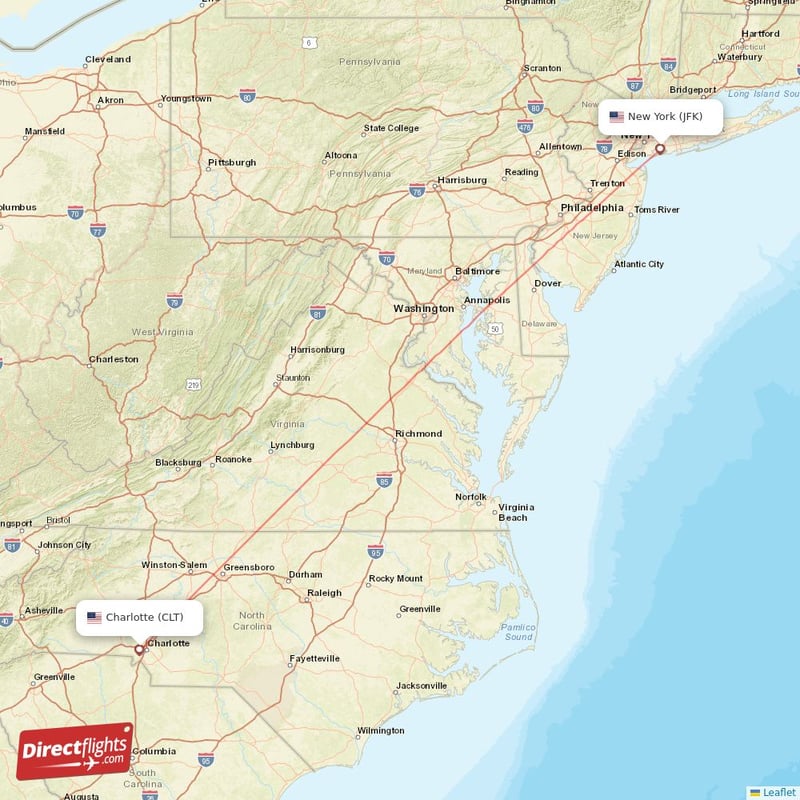
The “as the crow flies” distance between the general regions of New York and North Carolina is considerably less than driving distance, typically in the range of 400 to 500 miles, depending on the specific departure and arrival airports. Direct flights between major airports like New York JFK and Charlotte Douglas International Airport are common. The actual flight time for these routes is usually around 1 hour and 30 minutes to 1 hour and 45 minutes. However, it’s essential to factor in the total travel time, which includes getting to the airport, check-in, security procedures, boarding, deplaning, and travel from the arrival airport to your final destination. This can add several hours to the overall journey.
Navigating the Journey: Modes of Transportation
The choice of transportation between New York and North Carolina depends on individual preferences, budget, and the amount of time available for travel. Each method offers a distinct experience and set of considerations.
By Car: The Freedom of the Road
Driving offers the most flexibility, allowing travelers to set their own pace, make spontaneous stops, and explore along the way. This is an excellent option for families or those carrying a significant amount of luggage.
Route Planning and Key Interstates
The most common driving routes rely heavily on the interstate highway system. Travelers heading south from New York will often utilize I-95 for a substantial portion of the journey. This major north-south artery connects numerous cities and allows for relatively straightforward navigation. As you move further south, you might transition to other interstates like I-85 to reach destinations within North Carolina. Utilizing GPS navigation systems is highly recommended, as they can provide real-time traffic updates and suggest alternative routes in case of congestion or road closures. Planning overnight stops is advisable for longer drives to ensure safety and comfort. Popular stopover cities often include places like Philadelphia, Baltimore, or Richmond.
Considerations for a Road Trip
When planning a road trip, several factors should be taken into account. Vehicle maintenance is paramount; ensure your car is in good working order, with checked tires, brakes, and fluids. Fuel stops should be planned, especially in more rural areas where services might be less frequent. Packing essentials such as snacks, water, a first-aid kit, and entertainment for passengers can significantly enhance the journey. Accommodation along the way should be booked in advance, especially during peak travel seasons, to secure desirable locations and prices. Websites like Booking.com or directly through hotel chains can be utilized for this purpose.
By Air: Efficiency and Speed
For those with limited time or who prefer to cover the distance quickly, flying is the most efficient option. Numerous airlines operate flights between major airports in both states.
Major Airports and Airlines

In the New York metropolitan area, key airports include John F. Kennedy International Airport (JFK), LaGuardia Airport (LGA), and Newark Liberty International Airport (EWR). In North Carolina, prominent airports serving a large number of passengers include Charlotte Douglas International Airport (CLT), Raleigh-Durham International Airport (RDU), and Greensboro-High Point International Airport (GSO). Major airlines such as American Airlines, Delta Air Lines, United Airlines, and Southwest Airlines offer frequent flights on these routes.
Airport Logistics and Beyond
Booking flights in advance is generally recommended to secure the best fares. Consider factors such as layovers, baggage allowances, and the specific airline’s amenities. Once you land, you will need to consider transportation from the airport to your final destination. Rental cars are widely available at all major airports. Alternatively, ride-sharing services like Uber and Lyft, or local taxi services, can provide convenient transport. For those staying in cities, public transportation options might also be available.
By Train: A Scenic and Relaxed Alternative
While less common for this specific long-distance journey, train travel offers a unique perspective and a more relaxed pace than flying or driving.
Amtrak Routes and Schedules
Amtrak operates train services that connect the Northeast Corridor with destinations in the Southeast. While there might not be a direct, single-train route that perfectly bridges the entire distance between New York and North Carolina without transfers, it is possible to piece together a journey. Travelers might take a train from Penn Station in New York City south along the Northeast Corridor and then transfer to a different service heading towards North Carolina. Popular Amtrak stations in North Carolina include Charlotte, Raleigh, and Greensboro.
The Train Travel Experience
Train travel offers the ability to walk around, enjoy scenic views, and work or relax without the stress of driving. Dining cars and observation cars can enhance the travel experience. However, train journeys are generally longer than flying and can be comparable to driving times, with the added benefit of not having to navigate or find parking. It’s crucial to check the specific Amtrak schedules and booking information well in advance, as routes and availability can vary. This option is ideal for travelers who enjoy the journey itself and have the time to spare.
Planning Your Trip: Factors to Consider
Beyond the sheer distance, several other factors play a significant role in planning a successful trip from New York to North Carolina. Understanding these elements will help you optimize your travel experience.
Time of Year and Weather
The season in which you travel will greatly influence the weather you encounter in both states. Traveling in the summer months (June-August) can mean warm to hot and humid conditions throughout North Carolina, with opportunities for beach activities or hiking in the mountains. In contrast, New York can experience very warm weather, particularly in the city. Autumn (September-November) is often considered a beautiful time to travel, with pleasant temperatures and vibrant fall foliage, especially in the mountains of North Carolina and upstate New York. Winter (December-February) can bring cold temperatures and potential snow in both states, which might affect driving conditions. Spring (March-May) offers milder weather and blooming landscapes. Always check the weather forecast close to your departure date and pack accordingly.
Budget and Cost Considerations
The cost of traveling between New York and North Carolina can vary significantly based on your chosen mode of transport, accommodation choices, and travel style.
Transportation Costs
- Driving: Fuel costs will depend on your vehicle’s fuel efficiency and current gas prices. Tolls can also add up, particularly on the Northeast Corridor. Factor in potential costs for overnight stays if breaking up the journey.
- Flying: Airfares fluctuate based on booking time, airline, and demand. Budget for airport parking or transportation to and from the airport.
- Train: Train tickets can be comparable to or sometimes more expensive than flights, depending on the route and class of service.
Accommodation Costs
Accommodation prices will vary widely based on the city or region, the type of lodging (e.g., budget motel, boutique hotel, luxury resort), and the time of year. Popular tourist destinations or major cities will generally have higher rates. Consider looking at options beyond traditional hotels, such as vacation rentals through platforms like Airbnb or VRBO, which can be cost-effective for longer stays or families.
Connecting to Destinations
Once you arrive in North Carolina, your final destination will dictate how you proceed.
Within North Carolina
Major cities like Charlotte and Raleigh have well-developed public transportation systems, including bus services. However, to explore the diverse attractions of North Carolina, from the beaches of the Crystal Coast to the mountain towns like Asheville, a personal vehicle or rental car is often the most practical option. This provides the freedom to visit charming small towns, national parks like the Great Smoky Mountains National Park, and numerous historical sites at your own leisure.

Within New York
Similarly, while New York City boasts an extensive subway and bus system, exploring the rest of New York state, such as the scenic Finger Lakes region or the historic city of Albany, often requires independent transportation. Planning how you will navigate your destination upon arrival is as important as planning the journey itself.
The distance between New York and North Carolina is more than just a number; it represents a transition between distinct regional characters, climates, and cultural experiences. Whether you choose to traverse the miles by road, air, or rail, careful planning will ensure a smooth and enjoyable passage from the vibrant north to the diverse south.
LifeOutOfTheBox is a participant in the Amazon Services LLC Associates Program, an affiliate advertising program designed to provide a means for sites to earn advertising fees by advertising and linking to Amazon.com. Amazon, the Amazon logo, AmazonSupply, and the AmazonSupply logo are trademarks of Amazon.com, Inc. or its affiliates. As an Amazon Associate we earn affiliate commissions from qualifying purchases.