
Embarking on a journey from the bustling metropolis of New York City to the historic charm of Boston is a classic American adventure. Whether you’re a first-time visitor or a seasoned traveler, understanding the distance, travel options, and what awaits you in each iconic destination is key to planning an unforgettable experience. This comprehensive guide will navigate you through every aspect of this popular Northeast Corridor trip, from logistical considerations to hidden gems and accommodation insights, ensuring your journey is as smooth and enriching as possible.
Understanding the Distance and Travel Time
The geographical distance between New York City and Boston is approximately 200 to 220 miles (around 320 to 350 kilometers), depending on the exact starting and ending points within each city. This relatively short distance makes it an ideal route for a weekend getaway, a business trip, or a longer exploration of New England. However, travel time can vary significantly based on your chosen mode of transportation, traffic conditions, and specific departure/arrival locations.
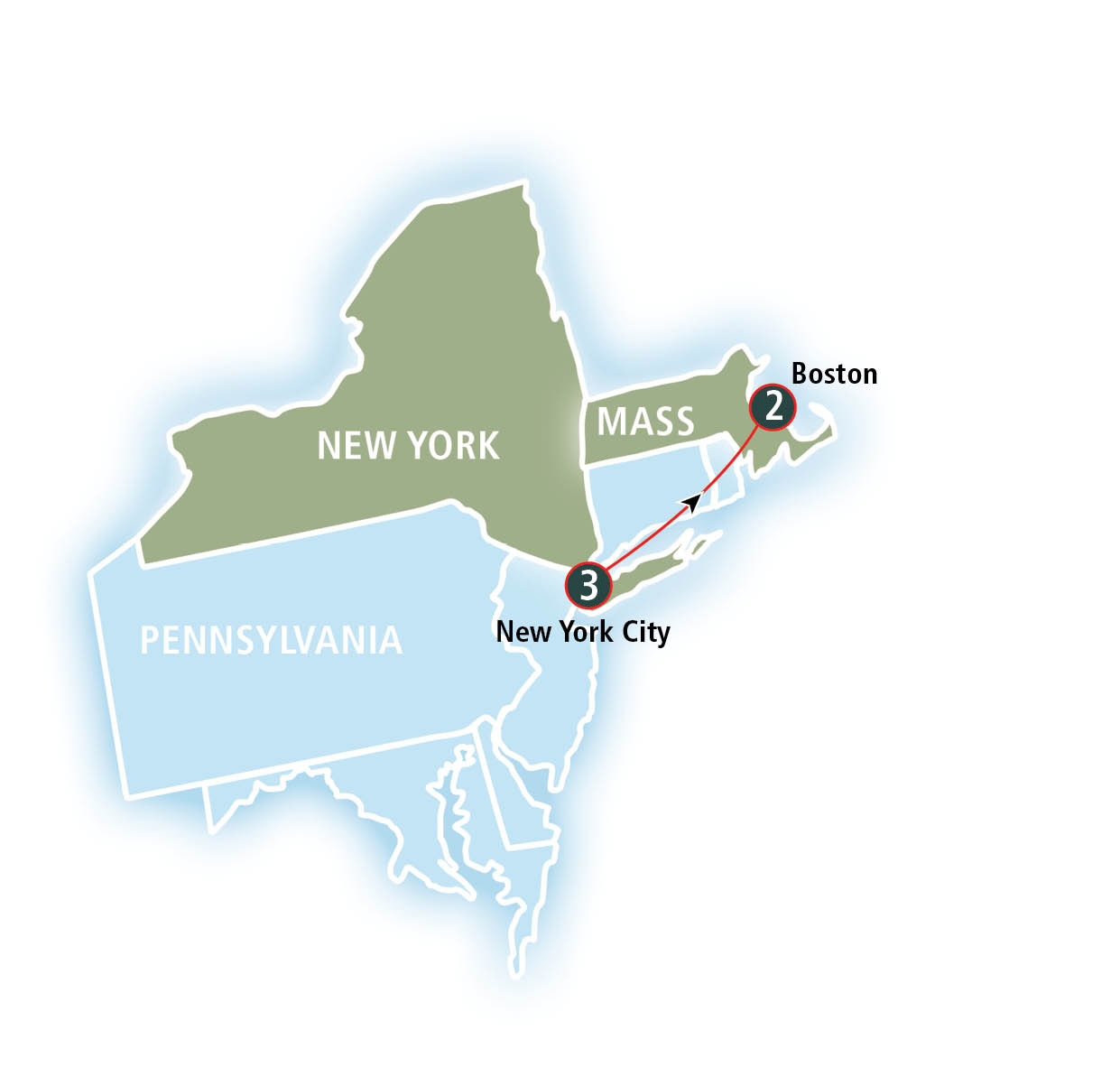
The route typically passes through scenic stretches of Connecticut and Rhode Island before reaching Massachusetts. Each mode of transport offers a unique perspective on the journey, balancing speed, cost, and comfort. Planning ahead, especially during peak travel seasons or holidays, is crucial to optimize your travel time and overall experience.
Choosing Your Mode of Transportation
Deciding how to travel between these two vibrant cities is often the first step in planning your trip. Each option presents its own set of advantages, catering to different preferences for budget, speed, and sightseeing opportunities.
By Car: The Classic Road Trip
Driving offers the most flexibility, allowing you to set your own pace and explore points of interest along the way. The typical drive time without significant stops or heavy traffic is around 3.5 to 4.5 hours. However, this can easily extend to 5-6 hours or more during rush hour, especially when entering or exiting major urban areas like Manhattan or downtown Boston.
Pros:
- Flexibility: Stop whenever and wherever you like, explore charming towns like New Haven in Connecticut or Providence in Rhode Island.
- Luggage: No restrictions on luggage size or weight, ideal for longer stays or family trips.
- Scenic Routes: While I-95 is the most direct, alternative routes can offer picturesque views, especially during autumn.
Cons:
- Traffic: Heavy traffic is common, particularly on weekends, holidays, and peak commuter hours.
- Parking: Parking in both New York City and Boston is expensive and can be challenging to find.
- Tolls: Expect to pay tolls on major highways.
For those considering a road trip, factor in fuel costs, potential car rental fees, and parking expenses. It’s an excellent choice for families or groups who prefer door-to-door convenience and the freedom of spontaneous detours.
By Train: Scenic and Convenient
Traveling by train is a popular and often stress-free option. Amtrak operates frequent services between New York City’s Penn Station and Boston’s South Station.
- Acela Express: This high-speed service offers the quickest train journey, typically taking about 3.5 to 4 hours. It’s pricier but provides a comfortable, quiet ride with amenities like power outlets and Wi-Fi, ideal for business travelers or those seeking a premium experience.
- Northeast Regional: A more economical option, the Northeast Regional train takes approximately 4.5 to 5 hours, making more stops along the route. It’s a great choice for budget-conscious travelers who don’t mind a slightly longer journey.
Pros:
- Comfort: More legroom and freedom to move around than in a car or bus.
- Scenery: Enjoy views of the Northeast Corridor without the stress of driving.
- City Center Accessibility: Both Penn Station and South Station are centrally located, offering easy access to public transport and attractions.
- No Traffic Worries: Trains avoid highway congestion entirely.
Cons:
- Cost: Train tickets, especially for Acela Express, can be more expensive than bus fares, particularly if not booked in advance.
- Fixed Schedule: Less flexible than driving.
The train journey offers a relaxing way to travel, allowing you to catch up on work, read, or simply enjoy the landscape. It’s a quintessential American rail experience for many.
By Bus: Budget-Friendly Travel
Numerous bus companies, including Greyhound, Peter Pan, and FlixBus, offer frequent services between New York City and Boston. This is generally the most economical option.
Pros:
- Affordability: Bus tickets are often the cheapest way to travel this route, especially if booked in advance.
- Frequency: Many departures throughout the day, providing flexibility for scheduling.
Cons:
- Travel Time: The longest travel time, typically 4 to 5 hours, but can extend to 6+ hours with traffic and stops.
- Comfort: Generally less comfortable than train travel, with less legroom and limited amenities.
- Traffic Delays: Buses are subject to the same traffic congestion as cars.
For students, backpackers, or travelers on a strict budget, the bus remains a reliable and accessible choice. Many modern buses now offer Wi-Fi and power outlets, making the journey more tolerable.
By Air: The Fastest Option
For those prioritizing speed, flying is the quickest way to get between the two cities. The actual flight time is only about 1 hour. However, when you factor in travel to and from airports, security checks, and boarding, the total door-to-door travel time often averages 3.5 to 5 hours, making it comparable to, or sometimes longer than, the Acela Express train.
New York City](https://lifeoutofthebox.com/new-york-city) Airports:
- JFK Airport (John F. Kennedy International Airport)
- LaGuardia Airport
- Newark Liberty International Airport
Boston](https://lifeoutofthebox.com/boston) Airport:
- Logan International Airport
Pros:
- Speed (in air): Shortest actual travel time between take-off and landing.
- Convenience for Long Connections: If you’re connecting from a longer international flight, it might be the most logical option.

Cons:
- Total Travel Time: The overall journey can be longer than expected due to airport logistics.
- Cost: Flights can be significantly more expensive than bus or train tickets, especially last-minute bookings.
- Environmental Impact: Highest carbon footprint among the options.
- Security Hassle: Airport security lines and procedures can be time-consuming.
Flying is best suited for travelers with tight schedules or those who have already landed at one of the major airports for another leg of their journey.
Exploring the Iconic Cities: What to See and Do
Once you’ve decided on your mode of transport, the real fun begins: planning your adventures in New York City and Boston. Both cities are rich in history, culture, and entertainment, offering a diverse array of attractions.
New York City Highlights
The “Big Apple” is a global hub of finance, fashion, art, and food. There’s an endless list of things to do, whether you’re interested in world-class museums, iconic landmarks, or vibrant neighborhoods.
- Iconic Landmarks: No trip to New York City is complete without seeing the Statue of Liberty, strolling through Times Square with its dazzling billboards, or ascending the Empire State Building for panoramic views. Don’t forget Grand Central Terminal for its architectural grandeur.
- Cultural Immersion: Spend an afternoon exploring the vast collections of the Metropolitan Museum of Art or the Museum of Modern Art. Catch a world-renowned show on Broadway in the Theater District.
- Green Spaces & Neighborhoods: Relax in the urban oasis of Central Park, or explore the charming streets of Greenwich Village, the trendy boutiques of SoHo, and the historic financial district around Wall Street. A ferry ride to Staten Island offers fantastic views of the New York Harbor and the Statue of Liberty.
- Culinary Scene: From Michelin-starred restaurants to street food vendors in Queens or Brooklyn, New York City’s food scene is unparalleled.
Boston’s Charms
Boston blends revolutionary history with a vibrant modern culture. It’s a city best explored on foot, allowing you to soak in its rich heritage.
- Historical Exploration: Walk the Freedom Trail, a 2.5-mile red-lined path that leads to 16 historically significant sites, including the Old North Church and Paul Revere House in the North End. Explore Beacon Hill with its charming gas-lit streets and federal-style row houses, or relax in The Boston Common.
- Sports & Education: Catch a baseball game at the iconic Fenway Park, home of the Red Sox. Visit the prestigious campus of Harvard University in nearby Cambridge.
- Arts & Culture: Discover masterpieces at the Museum of Fine Arts or enjoy the lively atmosphere and local food at Faneuil Hall Marketplace. The Seaport District offers a modern contrast with its innovative architecture and burgeoning culinary scene.
- Food Scene: Indulge in fresh seafood, especially clam chowder and lobster rolls, and explore the Italian restaurants of the North End.
Where to Stay: Accommodation Options
Both New York City and Boston offer a vast array of accommodation options to suit every budget and travel style, from luxury resorts to boutique hotels and budget-friendly apartments. Booking in advance is highly recommended, especially during peak tourist seasons.
Hotels & Resorts
For those seeking comfort, amenities, and service, hotels and resorts are the way to go.
New York City Hotels
New York City boasts some of the world’s most luxurious and unique hotels.
- Luxury: For an opulent experience, consider The Greenwich Hotel in Tribeca, The Dominick in SoHo, or the iconic Marriott Marquis overlooking Times Square. These hotels often feature exquisite dining, spa services, and unparalleled views.
- Mid-Range: Popular choices include Club Quarters Hotel, World Trade Center for its prime location, The Ludlow Hotel on the Lower East Side for a trendy vibe, or The William Vale in Brooklyn for stunning skyline views.
- Budget-Friendly: Options like Moxy NYC Times Square, Row NYC, and YOTEL New York offer modern, compact rooms and essential amenities in central locations, making them excellent choices for travelers looking to save without sacrificing convenience.
Boston Hotels
Boston’s hotel scene reflects its blend of historic charm and modern sophistication.
- Luxury: The Four Seasons Hotel Boston next to The Boston Common, the Mandarin Oriental, Boston in Back Bay, or The Ritz-Carlton, Boston provide top-tier service and elegant accommodations. The Eliot Suite Hotel offers boutique luxury with spacious suites.
- Mid-Range: Well-regarded options include The Lenox Hotel near Copley Square, [Hotel Commonwealth](https://lifeoutofthebox.com/hotel- commonwealth) near Fenway Park, and Hyatt Regency Boston in the Financial District.
- Historic & Unique: The Omni Parker House, the longest continuously operating hotel in the U.S., offers a glimpse into Boston’s past. For something modern, the Kimpton Marlowe Hotel in Cambridge or The Godfrey Hotel Boston in the Downtown Crossing area (can be linked once) provide stylish stays.
Apartments & Villas
For longer stays, family trips, or those desiring a more local experience, apartments and villas can be an excellent choice. Platforms like Airbnb and Vrbo offer a wide selection, from cozy studios to spacious multi-bedroom homes. This type of accommodation often comes with kitchen facilities, providing cost savings on dining and a more homely feel. It’s crucial to research reviews and ensure the location aligns with your travel plans, particularly regarding access to public transportation or parking.
Making the Most of Your Journey: Lifestyle and Tips
Whether you’re planning a luxurious escape or a budget-conscious adventure, a trip between New York City and Boston can be tailored to fit any lifestyle.
Budget vs. Luxury Travel
- Budget Travelers: Opt for bus travel, stay in hostels or budget hotels, utilize public transportation extensively, and seek out free attractions like walking the Brooklyn Bridge or exploring The Boston Common. Many museums in New York City offer “pay what you wish” days or free admission during certain hours.
- Luxury Travelers: Consider the Acela Express first-class train, stay in 5-star hotels like the Four Seasons Hotel Boston or The Greenwich Hotel, enjoy fine dining experiences, and consider private tours or car services for convenience.
Family Trips and Business Stays
- Family Trips: For families, driving can be convenient for luggage and car seats, allowing stops at kid-friendly attractions. In New York City, consider staying near Central Park for easy access to playgrounds and open spaces. In Boston, the Museum of Science (can be linked once) and the New England Aquarium are popular choices. Booking apartments with multiple rooms can provide more space and flexibility.
- Business Stays: The Acela Express train is excellent for business travelers, offering productivity on the go and dropping you directly into city centers. Look for hotels in the Financial District of either city or near major convention centers for convenience. Many hotels offer business amenities like meeting rooms, high-speed internet, and executive lounges.

General Tips for a Smooth Journey
- Book in Advance: Especially for flights, popular train times, and accommodation, booking ahead can save money and secure your preferred options.
- Public Transportation: Both cities have excellent public transport systems. Familiarize yourself with subways, buses, and commuter rail schedules.
- Walk Often: Both New York City and Boston are highly walkable cities. Comfortable shoes are a must to truly experience their charm.
- Weather Awareness: Be prepared for varying weather conditions. Summers can be hot and humid, while winters bring cold temperatures and snow. Spring and fall offer pleasant temperatures and beautiful foliage.
- Local Culture and Food: Don’t be afraid to try local delicacies and immerse yourself in the unique culture of each city. From a slice of New York City pizza to a Boston cream pie, culinary adventures await.
The journey from New York City to Boston is more than just covering a distance; it’s an opportunity to traverse a significant portion of American history and modern culture. By carefully considering your travel preferences and leveraging these tips, you can ensure a memorable and enjoyable trip between these two beloved East Coast gems. Whether you seek the fast-paced energy of a global capital or the historic tranquility of a colonial city, this route offers an unparalleled adventure for every type of traveler.
LifeOutOfTheBox is a participant in the Amazon Services LLC Associates Program, an affiliate advertising program designed to provide a means for sites to earn advertising fees by advertising and linking to Amazon.com. Amazon, the Amazon logo, AmazonSupply, and the AmazonSupply logo are trademarks of Amazon.com, Inc. or its affiliates. As an Amazon Associate we earn affiliate commissions from qualifying purchases.