
The question of “how far is Oregon from California?” is one frequently asked by adventurers, road-trippers, and business travelers alike, eager to explore the diverse landscapes and vibrant cultures of the United States Pacific Northwest and its golden neighbor to the south. While these two states share a common border, the actual distance between major cities, and the time it takes to traverse them, can vary significantly depending on your starting point, destination, and chosen mode of travel. This guide delves into the geographical proximity, practical travel distances, and a myriad of experiences awaiting those who venture between these captivating regions. Whether you’re planning a scenic road trip, a quick flight, or a leisurely train journey, understanding the scope of this travel corridor is the first step towards an unforgettable adventure.
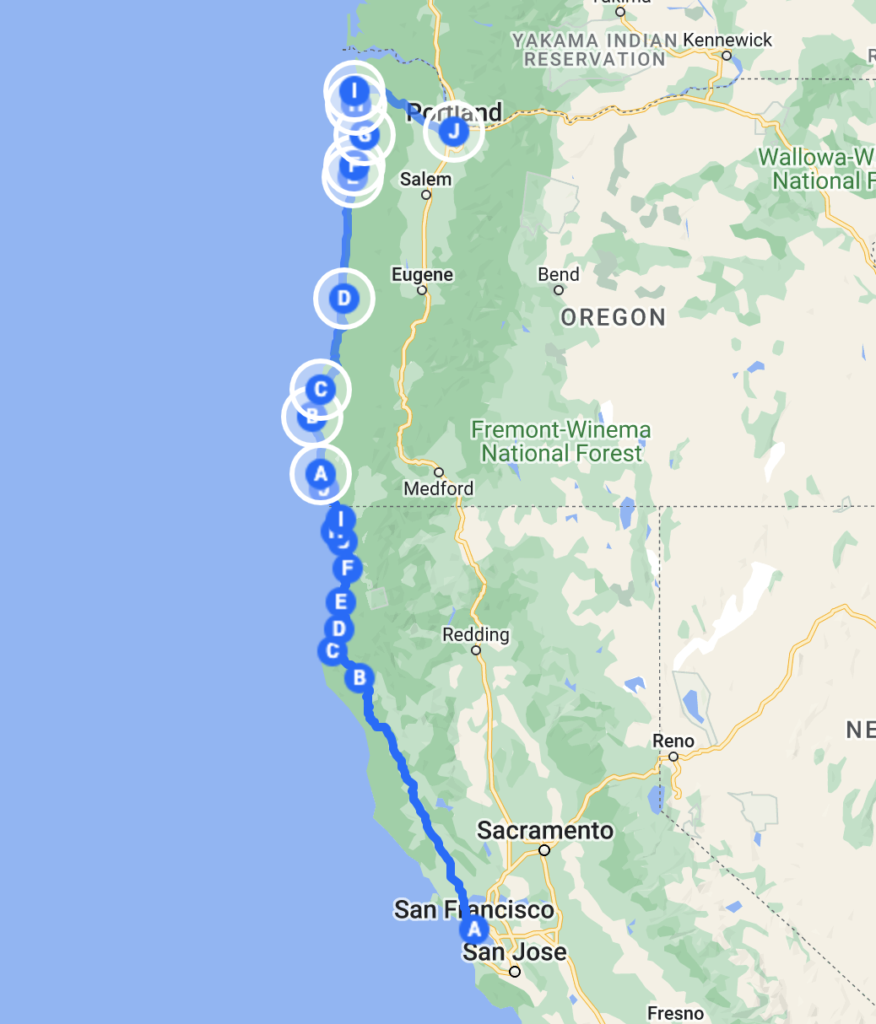
Understanding the Proximity: Oregon and California’s Shared Border
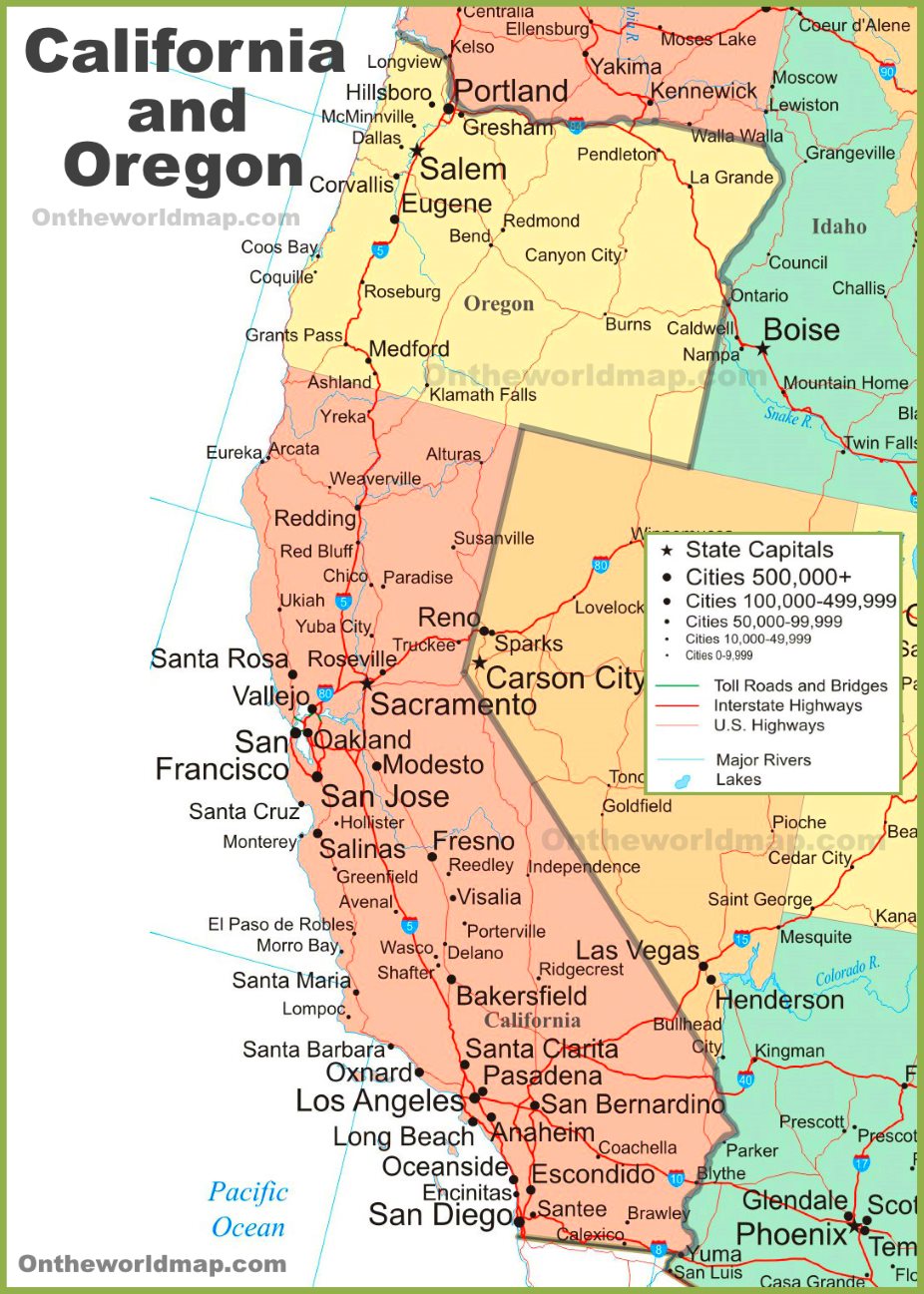
California, known for its sunshine, entertainment, and innovation, lies directly south of Oregon, a state celebrated for its lush forests, rugged coastline, and craft culture. Their shared boundary stretches across diverse terrain, from the towering peaks of the Cascade Range to dense redwood forests and high deserts. This geographical connection makes travel between them a natural progression for many, offering a seamless transition between distinct yet equally compelling environments.
The Immediate Connection: Northern California to Southern Oregon
The closest points between the two states are found along their shared northern and southern borders. For instance, traveling from a city in northern California like Redding to a southern Oregon city such as Ashland or Medford represents the shortest direct distances. These routes are often popular for those seeking to explore the natural wonders that straddle the border, including parts of the Shasta Cascade region and the beginning of Oregon’s famed Rogue Valley. This immediate proximity makes cross-border day trips or short weekend getaways highly feasible, allowing travelers to experience the cultural nuances and natural beauty that characterize both states within a relatively small geographic footprint.
Geographical Overview and Shared Landscapes
The border region itself is a tapestry of natural beauty, offering a glimpse into the diverse ecosystems that define both states. On the California side, visitors can marvel at the majestic Redwood National Park and the impressive Mount Shasta, an iconic peak that dominates the northern landscape. As you cross into Oregon, the scenery transitions to include the dramatic Crater Lake National Park, a deep-blue caldera lake, and the fertile Rogue Valley, renowned for its wineries and outdoor activities. These shared natural landmarks and the ease of access via major highways like Interstate 5 highlight the strong connection between the two states, inviting exploration beyond just their major urban centers. The blend of temperate rainforests, high deserts, and volcanic landscapes creates a unique travel corridor for those who appreciate natural grandeur and outdoor adventure.
Calculating the Distance: Major Routes and Cities
The actual distance between Oregon and California largely depends on which specific cities you plan to travel between. While the border itself is merely a line on a map, the journey from one state’s major hub to another involves significant mileage and time. Understanding these practical distances is crucial for effective travel planning, whether you’re embarking on a cross-country move or simply a leisurely vacation.
Driving Distances: From San Francisco to Portland and Beyond
Driving is by far the most popular way to travel between Oregon and California, offering flexibility and the chance to discover hidden gems along the way. The primary artery connecting the two states is Interstate 5 (I-5), a major north-south freeway that runs the entire length of both states, extending up to Canada and down into Mexico.
- San Francisco to Portland: This is one of the most common routes. The distance from San Francisco (California) to Portland (Oregon) is approximately 635 miles (1,022 kilometers). Driving time typically ranges from 10 to 12 hours without significant stops, though many choose to break up the journey over two days to enjoy the scenery. This route takes you through cities like Sacramento, Redding, Ashland, and Eugene.
- Los Angeles to Portland: For those starting further south in California, the drive from Los Angeles to Portland is considerably longer. It spans roughly 960 miles (1,545 kilometers), translating to about 15 to 17 hours of driving time. This extended journey often necessitates an overnight stop, with popular halfway points including Redding or Ashland.
- San Diego to Portland: The longest major city-to-city drive would be from San Diego to Portland, covering approximately 1,090 miles (1,754 kilometers) and requiring 17 to 19 hours of driving, making it a definite multi-day road trip.
While Interstate 5 is the quickest route, scenic alternatives exist. US Route 101 (also known as the Pacific Coast Highway in parts of California as California State Route 1) offers breathtaking views of the Pacific Ocean as it winds along the coastline. This route is significantly slower, often adding several hours or even days to a journey, but it provides unparalleled access to coastal towns, beaches, and national parks, making it a favored choice for leisure travelers and those seeking a quintessential Pacific Northwest and California road trip experience.
Flying Times: Quick Connections Between Hubs
For travelers prioritizing speed, flying is the most efficient option. Major airports in both states offer numerous direct flights, significantly reducing travel time.
- San Francisco Bay Area to Portland: Flights from San Francisco International Airport (SFO) or Oakland International Airport (OAK) to Portland International Airport (PDX) typically take around 1 hour and 30 minutes to 2 hours of flight time.
- Los Angeles to Portland: Direct flights from Los Angeles International Airport (LAX) to PDX are usually between 2 hours and 15 minutes and 2 hours and 45 minutes.
- Sacramento to Portland: Flights from Sacramento International Airport (SMF) to PDX are often under 1 hour and 45 minutes.
These flight times do not include the time spent at airports for check-in, security, or potential delays, which can easily add several hours to the total travel experience. However, for business travel or quick leisure trips, air travel remains the most practical choice. The convenience of flying allows visitors to maximize their time enjoying destinations rather than spending it on the road.
Train and Bus Travel: A More Scenic Journey
For those who prefer a more relaxed pace and enjoy the journey as much as the destination, train and bus services provide viable alternatives.
- Train (Amtrak): Amtrak’s renowned Coast Starlight route offers a picturesque journey between California and Oregon. This service connects major cities like Los Angeles, Oakland, Sacramento, Portland, and up to Seattle, Washington. The full journey from Los Angeles to Portland can take approximately 29 to 30 hours, offering stunning views of the Pacific Ocean, Mount Shasta, and the Cascade Range. While considerably longer than flying or driving, the train offers comfortable seating, dining cars, and a unique perspective on the landscapes, making it an experience in itself.
- Bus Services: Companies like Greyhound provide intercity bus services connecting various cities in California and Oregon. A bus trip from San Francisco to Portland might take anywhere from 13 to 16 hours, depending on the number of stops and transfers. While generally the most economical option, bus travel is also the slowest, often involving multiple stops and longer overall travel times compared to driving.
Each mode of transport offers a distinct travel experience, catering to different budgets, time constraints, and preferences, allowing travelers to choose the ideal way to bridge the distance between these two magnificent states.
Planning Your Journey: Time, Considerations, and Experiences

Beyond mere miles and minutes, planning a trip between Oregon and California involves considering various factors that can enhance or hinder your experience. Understanding these aspects ensures a smoother, more enjoyable adventure tailored to your personal travel style.
Factors Influencing Travel Time
Several elements can significantly impact the actual time it takes to travel between Oregon and California:
- Traffic: Urban areas like Los Angeles, the San Francisco Bay Area, and Portland are notorious for heavy traffic, especially during peak commute hours and holidays. What might be a 10-hour drive can easily stretch to 12 or 14 hours with significant delays.
- Stops: For a road trip, the number and duration of stops for meals, rest, or sightseeing will directly influence your total travel time. Many travelers intentionally factor in extra time to explore attractions along the Interstate 5 corridor or the scenic coastal routes.
- Weather Conditions: The mountain passes along Interstate 5, particularly near Mount Shasta in northern California and through southern Oregon, can experience snow and ice during winter months, leading to slower speeds, chain requirements, or even temporary road closures. Coastal routes can be subject to fog or heavy rain.
- Road Construction: Ongoing road maintenance and construction projects can cause delays, especially on major highways. Checking real-time traffic updates and road conditions before and during your journey is always advisable.
Considering these factors allows for a more realistic assessment of travel duration, preventing frustration and ensuring you allocate ample time for your journey.
What to See Along the Way: Northern California and Southern Oregon Highlights
A road trip between Oregon and California offers a wealth of incredible destinations and attractions that beckon travelers to pause and explore.
- Northern California:
- Redwoods National and State Parks: Just south of the Oregon border, these parks are home to the world’s tallest trees. A detour onto US Route 101 offers an unforgettable experience, with scenic drives, hiking trails, and awe-inspiring groves.
- Shasta Cascade Region: Centered around the majestic Mount Shasta, this area is a paradise for outdoor enthusiasts, offering opportunities for hiking, fishing, boating, and exploring scenic waterfalls. Cities like Redding serve as excellent bases for adventure.
- Napa Valley: While a detour from the direct I-5 route, for those starting or ending in the San Francisco Bay Area, Napa Valley offers world-class wineries and gourmet dining, an ideal stop for luxury travelers or foodies.
- Southern Oregon:
- Crater Lake National Park: A must-see natural landmark, Crater Lake National Park is about an hour’s drive east of Interstate 5 from Medford or Ashland. Its deep blue waters and pristine beauty are breathtaking.
- Rogue Valley: This region, anchored by Medford and Ashland, is famous for its pear orchards, burgeoning wine scene, and the Oregon Shakespeare Festival in Ashland. It’s a fantastic spot to experience local culture and cuisine.
- Willamette Valley: As you head further north, the Willamette Valley opens up, celebrated for its Pinot Noir vineyards, charming small towns, and scenic countryside between Eugene and Portland.
These stops transform a simple journey into a rich travel experience, aligning perfectly with themes of exploring destinations, attractions, and local culture.
Exploring Your Destination: Major Cities and Natural Wonders
Once you’ve bridged the distance, both Oregon and California promise an abundance of attractions.
- California’s Wonders: From the iconic Golden Gate Bridge and vibrant neighborhoods of San Francisco to the glamorous world of Hollywood and theme park thrills of Disneyland in Los Angeles, California offers endless urban excitement. For nature lovers, Yosemite National Park and the serene Lake Tahoe are unparalleled landmarks offering hiking, skiing, and breathtaking scenery. The dramatic coastline of Big Sur is also a prime attraction for scenic drives.
- Oregon’s Charms: Portland is a hub of craft breweries, distinct neighborhoods, and a thriving food scene, often cited for its unique lifestyle and outdoor accessibility. Beyond the city, the dramatic Oregon Coast with landmarks like Haystack Rock at Cannon Beach offers rugged beauty and charming coastal towns. The high desert city of Bend is an outdoor recreation mecca, perfect for skiing, mountain biking, and white-water rafting, while the Columbia River Gorge boasts stunning waterfalls and windsurfing opportunities.
Each state provides a distinct set of experiences, from bustling city life and cultural activities to serene natural escapes, catering to every type of traveler.
Accommodating Your Adventure: Where to Stay and Lifestyle Choices
Traveling between Oregon and California means a journey through diverse landscapes and bustling urban centers, each offering a wide array of accommodation options and catering to various travel lifestyles. Planning where to stay is as integral as planning your route, ensuring comfort and convenience throughout your adventure.
Diverse Accommodation Options
The spectrum of accommodations available across both states is vast, ranging from luxurious resorts to budget-friendly motels, making it easy to find a place that suits your needs and preferences.
- Hotels and Resorts: In major cities like San Francisco, Los Angeles, Portland, and San Diego, you’ll find an abundance of hotels, from international chains to boutique establishments. Many offer luxurious amenities such as spas, fine dining, and concierge services, ideal for those seeking a premium travel experience. Resorts are especially popular along the California coast, in wine country, or near natural attractions like Lake Tahoe and the Oregon Coast, providing comprehensive facilities for relaxation and recreation.
- Apartments and Villas: For longer stays, family trips, or those preferring self-catering options, booking apartments or villas through platforms specializing in accommodation provides a home-away-from-home experience. This is particularly appealing in popular tourist destinations where local culture and a sense of community are desired, offering more space and privacy than traditional hotels.
- Motels and Budget Stays: Along Interstate 5 and in smaller towns, motels offer convenient and affordable lodging, perfect for road-trippers or budget-conscious travelers. Many provide basic amenities like free parking and continental breakfast, serving as practical stopovers.
- Unique Stays: Both states also boast unique accommodation experiences, from charming bed & breakfasts in historic districts of Ashland or Eureka to glamping sites near Crater Lake National Park or the Redwood National Park. These options provide memorable stays that align with the destination’s character.
When choosing accommodation, consider factors like location relative to attractions, guest reviews, and specific amenities (e.g., pet-friendly policies, pools, fitness centers). Booking in advance, especially during peak seasons or for popular events, is highly recommended to secure the best rates and availability.
Lifestyle Travel: From Luxury to Budget-Friendly
The journey between Oregon and California can be customized to fit any travel lifestyle, from lavish escapades to economical adventures.
- Luxury Travel: Discerning travelers can indulge in high-end experiences, staying at five-star hotels in Beverly Hills or Portland’s Pearl District, enjoying gourmet dining in Napa Valley, or chartering private tours of coastal landmarks. California’s reputation for luxury is well-deserved, with exclusive resorts and bespoke experiences readily available. Oregon also offers upscale boutique hotels and fine dining, particularly in Portland and the Willamette Valley wine region.
- Budget Travel: For those mindful of costs, there are plenty of ways to explore without breaking the bank. Opting for motels, hostels, or camping in state and national parks can significantly reduce lodging expenses. Eating at local diners, food trucks (especially popular in Portland), and farmers’ markets offers delicious and affordable culinary experiences. Public transport in cities, carpooling, or bus travel can also help manage transportation costs.
- Family Trips: Both states are incredibly family-friendly. California boasts attractions like Disneyland, Universal Studios Hollywood, and numerous beaches. Oregon offers interactive museums, animal parks, and endless outdoor activities like hiking and tide-pooling along the Oregon Coast. Many accommodations cater to families with amenities like pools, kids’ clubs, and spacious suites.
- Business Stays: For business travelers, major cities provide hotels equipped with business centers, meeting rooms, and high-speed internet. Proximity to business districts and airports is often a key consideration, with shuttle services and executive lounges enhancing the efficiency of business trips.
No matter your travel preference, the corridor between Oregon and California is rich with possibilities, promising a journey filled with discovery, comfort, and experiences tailored to your individual lifestyle.
In conclusion, the distance between Oregon and California is not merely a number but an invitation to explore. Whether you’re drawn by the allure of California’s vibrant cities and sun-drenched beaches or Oregon’s rugged natural beauty and unique urban culture, travel between these two states is an accessible and rewarding endeavor. From the quick convenience of air travel to the scenic panoramas of a multi-day road trip or a relaxing train journey, there are myriad ways to bridge the miles. With careful planning of routes, consideration of travel times, and an eagerness to explore the myriad attractions and accommodation options, your journey across the Pacific Northwest and its southern neighbor promises to be an unforgettable chapter in your travel story.
LifeOutOfTheBox is a participant in the Amazon Services LLC Associates Program, an affiliate advertising program designed to provide a means for sites to earn advertising fees by advertising and linking to Amazon.com. Amazon, the Amazon logo, AmazonSupply, and the AmazonSupply logo are trademarks of Amazon.com, Inc. or its affiliates. As an Amazon Associate we earn affiliate commissions from qualifying purchases.