
For travelers exploring the diverse landscapes and vibrant cities of the Sunshine State, a common question arises: “How far is Orlando from Fort Lauderdale, Florida?” This route connects two of the state’s most iconic destinations: the global epicenter of theme park magic and the sophisticated “Venice of America” with its stunning beaches and intricate canal system. Whether you’re planning a thrilling family vacation, a relaxing beach getaway, or a dynamic business trip that combines both, understanding the journey between these two cities is key to a seamless Florida experience.
The direct distance between Orlando and Fort Lauderdale typically ranges from 200 to 220 miles (approximately 320 to 350 kilometers), depending on your specific starting and ending points within each metropolitan area. This distance translates into a travel time that can vary significantly based on your chosen mode of transportation, traffic conditions, and desired pace. This guide will delve into the various ways to traverse this popular Florida corridor, offering insights into each option’s pros, cons, and what to expect. We’ll also explore the unique attractions and accommodation styles each city offers, helping you craft the perfect itinerary that suits your travel lifestyle, whether it’s luxury, budget-friendly, or family-focused.
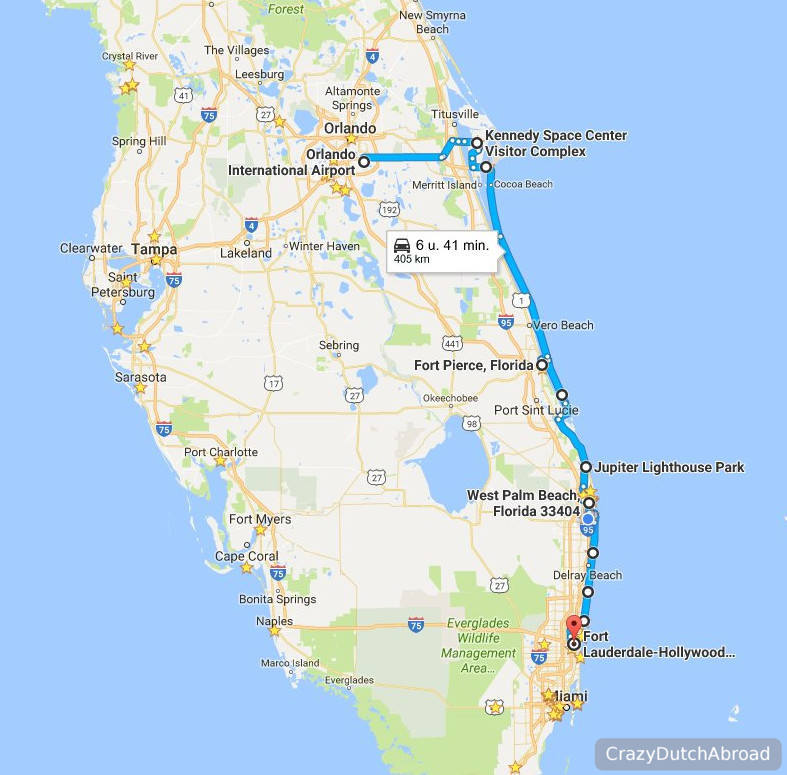
Unveiling the Distance: A Central Florida to South Florida Journey
The journey from the heart of Florida to its southeastern coast is a well-traveled path, connecting distinct experiences that cater to every type of tourist. Understanding the precise distance and the factors influencing travel time is the first step in planning your adventure.
The Straightforward Route: Miles and Kilometers
As mentioned, the physical distance between Orlando and Fort Lauderdale hovers around 200-220 miles (320-350 kilometers). This measurement is typically taken between the downtown areas or major airport hubs. For instance, traveling from Orlando International Airport (MCO) to Fort Lauderdale-Hollywood International Airport (FLL) falls within this range. The primary arteries connecting these two cities are Florida’s Turnpike and Interstate 95 (I-95), both of which are central to ground transportation in the state. While the mileage itself provides a baseline, the actual time spent traveling is often a more critical consideration for trip planning.
Understanding Travel Time: Factors Beyond Just Distance
Merely knowing the mileage doesn’t tell the full story of your journey. Several variables can influence how long it takes to travel between Orlando and Fort Lauderdale:
- Traffic Conditions: Florida’s major highways, particularly around the metropolitan areas of Orlando and South Florida (which includes Fort Lauderdale and Miami), can experience significant congestion during peak hours. Rush hour traffic, typically from 7-9 AM and 4-6 PM on weekdays, can easily add an hour or more to your travel time. Weekends, especially holiday weekends, can also see increased volume.
- Time of Day/Week: Traveling during off-peak hours (mid-day, late evening, or early morning) on weekdays often yields the fastest travel times.
- Tolls: Florida’s Turnpike is a toll road but generally offers a more direct and faster route due to fewer exits and higher speed limits compared to I-95. The cost of tolls can add up, so factor this into your budget. I-95 has fewer tolls along this stretch, but it can be more prone to traffic and construction delays.
- Stops and Detours: Whether it’s for gas, a meal, a bathroom break, or a quick sightseeing detour, any stops will naturally extend your travel time. For those driving, planning a strategic stop can make the journey more comfortable.
- Roadwork and Accidents: Unexpected events like road construction or accidents can cause significant delays. Utilizing navigation apps that provide real-time traffic updates is highly recommended.
Factoring in these elements, a typical driving journey can range from 3 hours to 4.5 hours under normal conditions. This flexible timeframe makes careful planning essential for any trip between these two dynamic Florida cities.
Navigating the Sunshine State: Transportation Options Compared
Traveling between Orlando and Fort Lauderdale offers a spectrum of transportation choices, each with its unique blend of convenience, cost, and comfort. From the freedom of driving to the efficiency of modern rail, understanding these options will help you select the best fit for your travel style and budget.
Hitting the Road: Driving Between Cities
Driving is often the most popular choice for travelers in Florida due to the flexibility it offers.
- Pros:
- Flexibility: You set your schedule, stop whenever and wherever you please, and control the pace of your journey.
- Luggage: Ample space for luggage, ideal for family trips or extended stays.
- Exploration: The ability to explore attractions off the main route, like the Kennedy Space Center Visitor Complex or various state parks if taking a slight detour.
- Cost-Effective for Groups: For families or groups, sharing gas and toll costs can make driving more economical than individual train or plane tickets.
- Cons:
- Tolls and Gas: Florida’s Turnpike has significant tolls, and gas prices fluctuate.
- Traffic: As discussed, traffic can be a major deterrent, especially around urban areas.
- Vehicle Rental: If you don’t own a car, rental costs and insurance must be factored in.
- Parking: Finding and paying for parking in both Orlando and Fort Lauderdale can add to the expense and hassle.
- Routes:
- Florida’s Turnpike: The quickest and most direct route, primarily a limited-access toll road. It’s generally well-maintained and provides a smooth ride. Expect to pay tolls, often collected electronically via SunPass or by plate.
- Interstate 95 (I-95): A slightly longer and often more congested route that hugs the eastern coast. While it offers the possibility of more scenic views near coastal towns, it typically involves more stops and starts due to greater local traffic. Tolls are less frequent on this stretch compared to the Turnpike.
Public Transport: Buses and Trains for the Scenic Route
For those who prefer to relax and let someone else do the driving, bus and train services offer viable alternatives.
- Buses:
- Providers: Companies like Greyhound and RedCoach operate multiple daily services between Orlando and Fort Lauderdale. RedCoach often provides a more premium experience with larger seats and amenities.
- Duration: Bus journeys typically take 4 to 6 hours, depending on the number of stops and traffic.
- Cost: Generally the most budget-friendly option, especially if booked in advance.
- Pros: Cost-effective, no need to drive, can relax or work during the journey.
- Cons: Longer travel times, fixed schedules, comfort levels can vary.
- Trains:
- Brightline: Florida’s high-speed rail offers a modern and comfortable experience.
- Route: Connects Orlando International Airport (MCO) directly to the Fort Lauderdale Brightline Station in the downtown area.
- Duration: Approximately 3 hours, making it competitive with driving, especially when considering potential traffic delays.
- Cost: Mid-range to premium, depending on the class of service (Smart or Premium) and how far in advance you book.
- Experience: Features comfortable seating, Wi-Fi, power outlets, and food/beverage service. It offers a stress-free journey, allowing passengers to enjoy the views or catch up on work.
- Pros: Fast, comfortable, convenient stations, no traffic worries.
- Cons: Can be more expensive than buses, limited station locations require additional transfers to final destinations.
- Amtrak: For a more traditional rail experience, Amtrak also serves this route.
- Route: Connects the Orlando Amtrak Station (downtown) to the Fort Lauderdale Amtrak Station.
- Duration: Slower than Brightline, typically 4 to 5 hours.
- Cost: Varies based on class and booking time, generally comparable to or slightly less than Brightline for standard coaches.
- Experience: More relaxed, with spacious seating.
- Pros: Comfortable, scenic, less stress than driving.
- Cons: Slower, less frequent service than Brightline.
- Brightline: Florida’s high-speed rail offers a modern and comfortable experience.
Taking to the Skies: Flying for Speed and Convenience
While flying might seem counterintuitive for a relatively short distance, it’s an option for some, particularly those connecting to other flights or prioritizing speed above all else.
- Airports: Orlando International Airport (MCO) and Fort Lauderdale-Hollywood International Airport (FLL).
- Flight Duration: The actual flight time is very short, usually only 45 minutes to 1 hour.
- Total Travel Time: This is where flying loses its edge. When you factor in airport transfers, check-in, security, potential delays, and baggage claim, the door-to-door travel time can easily stretch to 3-5 hours, making it comparable to driving or taking the train.
- Cost: Airfares can vary wildly. While sometimes you can snag a cheap flight, adding baggage fees and airport transfers can make it surprisingly expensive for such a short hop.
- Pros: Fastest actual travel time in the air.
- Cons: Hassle of airport procedures, potential for delays, often not cost-effective for the short distance once all associated expenses are tallied. It’s generally only recommended if you’re already flying into one city and connecting to a further destination from the other.

Crafting Your Florida Itinerary: What to See and Where to Stay
Once you’ve decided how to travel between Orlando and Fort Lauderdale, the next exciting step is to plan what to do and where to unwind in each unique destination. Both cities offer distinct experiences, from world-class attractions to diverse accommodation options catering to every budget and lifestyle.
Orlando’s Allure: Theme Parks and Family Fun
Orlando is undeniably the world’s capital for theme park entertainment, drawing millions of visitors each year. It’s a destination synonymous with family fun, magical moments, and thrilling adventures.
- Iconic Attractions:
- Walt Disney World Resort: Home to four incredible theme parks – Magic Kingdom, Epcot, Hollywood Studios, and Animal Kingdom – plus water parks, Disney Springs for dining and entertainment, and numerous resorts. It’s an immersive experience for all ages.
- Universal Orlando Resort: Features Universal Studios Florida and Islands of Adventure, famous for the Wizarding World of Harry Potter, as well as Universal’s Volcano Bay water park and Universal CityWalk.
- SeaWorld Orlando: Offers marine life encounters, thrilling rides, and educational shows.
- LEGOLAND Florida Resort: Located a short drive away in Winter Haven, ideal for families with younger children.
- Beyond the Parks: Orlando also offers much more, including diverse shopping, dining, and entertainment along International Drive, and a day trip to the Kennedy Space Center Visitor Complex for a dose of space exploration history.
- Lifestyle: Orlando caters heavily to family trips and tourists seeking excitement and world-class entertainment, with endless dining options ranging from quick service to fine dining experiences.
Fort Lauderdale’s Charm: Beaches, Canals, and Culture
In stark contrast to Orlando’s bustling theme parks, Fort Lauderdale offers a more relaxed, yet sophisticated, coastal experience. Known for its beautiful beaches, extensive canal system, and vibrant arts scene, it’s often dubbed the “Venice of America.”
- Key Attractions:
- Fort Lauderdale Beach: Miles of pristine sandy beaches perfect for sunbathing, swimming, and water sports. The scenic Beachfront Promenade is ideal for leisurely strolls.
- Las Olas Boulevard: A tree-lined street renowned for its upscale boutiques, art galleries, diverse restaurants, and vibrant nightlife. It’s the cultural and social heart of the city.
- Riverwalk Arts & Entertainment District: A beautifully landscaped park space along the New River, home to museums, theaters, and a variety of events.
- Water Taxi Tours: Explore the city’s intricate network of canals, admiring luxurious yachts and waterfront mansions. This is a must-do to truly appreciate why Fort Lauderdale earned its nickname.
- Bonnet House Museum & Gardens: A historic estate offering a glimpse into Fort Lauderdale’s past, showcasing art, nature, and architecture.
- Nature and Outdoors: The proximity to the Everglades National Park provides opportunities for unique wildlife encounters, including exhilarating airboat tours.
- Lifestyle: Fort Lauderdale appeals to those seeking a mix of beach relaxation, sophisticated dining, boating culture, and an active arts scene. It’s popular for couples, adult groups, and luxury travelers, while still offering plenty for families.
Accommodating Your Adventure: From Luxury Resorts to Budget-Friendly Stays
Both Orlando and Fort Lauderdale boast an incredible array of accommodation options, ensuring there’s something for every preference and budget.
- In Orlando:
- Theme Park Resorts: On-site Disney and Universal resorts offer unparalleled convenience, immersive themes, and exclusive perks like early park access. These range from value resorts to deluxe villas.
- Independent Resorts & Hotels: Along International Drive and throughout the wider Orlando area, you’ll find everything from luxury hotels with extensive amenities (pools, spas, multiple dining options) to mid-range and budget-friendly hotels.
- Vacation Rentals: Villas, townhouses, and apartments, often with private pools, are hugely popular for families and longer stays, offering more space and self-catering options.
- In Fort Lauderdale:
- Beachfront Resorts: Upscale properties lining Fort Lauderdale Beach provide direct ocean access, luxurious amenities, and stunning views.
- Boutique Hotels: Around Las Olas Boulevard and the downtown area, charming boutique hotels offer personalized service and unique aesthetics.
- Vacation Rentals: Condos and houses, particularly those along the canals, are ideal for those seeking a home-away-from-home experience with access to boating or water views.
- Budget-Friendly Options: Inland hotels and motels provide more economical choices, often a short drive from the beach and downtown.
- Booking Tips: Always compare prices across different booking platforms and directly with hotel websites. Read recent reviews to get an accurate picture of guest experiences. Consider amenities like complimentary breakfast, parking fees, and resort fees, as these can significantly impact your overall budget. For long-term stays, vacation rentals often prove more cost-effective.
Making the Most of Your Florida Adventure: Tips and Considerations
Seamlessly integrating the journey between Orlando and Fort Lauderdale into a broader Florida vacation requires thoughtful planning. By considering your budget, the best time to visit, and how to combine these distinct destinations, you can ensure a memorable and stress-free trip.
Budgeting and Lifestyle: Tailoring Your Trip
Your approach to travel between these cities, and your stay in each, will largely depend on your desired lifestyle and budget.
- Luxury Travel: If indulgence is your priority, opt for Brightline Premium service, stay in a deluxe resort at Walt Disney World or a beachfront luxury hotel in Fort Lauderdale, enjoy fine dining on Las Olas Boulevard, and consider private transfers for ultimate convenience. Life Out of the Box is dedicated to guiding you through such lavish experiences, ensuring every detail aligns with a sophisticated journey.
- Budget Travel: For those mindful of expenses, buses like Greyhound or careful planning with a rental car (sharing costs for tolls and gas) are great options. Seek out budget-friendly hotels or vacation rentals, explore free attractions like Fort Lauderdale Beach, and utilize grocery stores to save on dining. Off-peak travel can also significantly reduce costs on flights, accommodations, and attractions.
- Family Trips: Driving provides the most flexibility for families with children and luggage. Choose resorts or vacation rentals with kid-friendly amenities, like pools and kitchens. Balancing theme park days in Orlando with relaxing beach time in Fort Lauderdale can prevent burnout and cater to various interests.
- Business Stays: For business travelers, the Brightline offers a productive and efficient way to travel between cities. Look for hotels with business centers, high-speed internet, and convenient access to convention centers or corporate hubs in both locations.
Seasonal Travel and Special Events
The timing of your visit can greatly impact your experience, affecting crowds, weather, and prices.
- Peak Season:
- Winter (December-February): This is high season for Fort Lauderdale and South Florida generally, as “snowbirds” flock south for cooler, drier weather. Prices for accommodation can be higher, and attractions more crowded. Orlando also experiences peaks around holidays.
- Spring Break (March-April): Both cities see an influx of visitors, particularly students, leading to increased crowds and prices.
- Summer (June-August): While hot and humid with daily afternoon thunderstorms, this is peak family vacation season for Orlando’s theme parks. Fort Lauderdale remains popular, but with slightly fewer crowds than winter.
- Off-Peak:
- Late Spring (Late April-May): Generally pleasant weather and fewer crowds before the summer rush.
- Fall (September-November): Offers a good balance of reasonable prices, fewer crowds, and enjoyable weather, though it is hurricane season, so travel insurance is recommended.
- Special Events: Keep an eye on local calendars for special events. Fort Lauderdale hosts famous boat shows and art festivals, while Orlando always has seasonal events at its theme parks, like Halloween Horror Nights at Universal or the Epcot International Food & Wine Festival.

Seamless Transitions: Combining Both Destinations
Many travelers choose to combine the magic of Orlando with the relaxation of Fort Lauderdale for a comprehensive Florida experience.
- Suggested Itinerary Flow: A popular approach is to start with the high energy of Orlando for a few days of theme park adventures, then transition to Fort Lauderdale for a relaxing wind-down on the beaches and along the canals. Alternatively, starting with the beach and ending with the parks can be a thrilling finale.
- Planning Transport: Integrate your chosen mode of transport between the cities into your overall itinerary. For instance, if you’re flying into Orlando International Airport, take the Brightline directly to Fort Lauderdale for the second leg of your journey, eliminating the need for a rental car until you arrive at your second destination.
- Diverse Florida Experience: This route perfectly encapsulates the diversity of Florida travel. From the fantastical realms of Disney and Universal to the serene beauty of Fort Lauderdale Beach and the vibrant culture of Las Olas Boulevard, your journey between these two cities promises a rich tapestry of experiences. With proper planning, the distance becomes merely a bridge between two incredible chapters of your Florida story.