
Planning a trip to the Sunshine State often involves a choice between two of its most iconic cities: the theme park mecca of Orlando and the vibrant, beach-laden metropolis of Miami. While both offer distinctly different experiences, many travelers dream of combining the magic of Central Florida with the pulsating energy of Southeast Florida into one unforgettable adventure. The critical question for such an itinerary is, “How far is Orlando from Miami?”
The straight answer is that Orlando is approximately 230 to 240 miles (about 370 to 386 kilometers) south of Miami. This distance translates to an average driving time of 3.5 to 4 hours, depending on traffic, chosen route, and number of stops. However, the journey between these two major Florida cities in the United States is more than just miles on a map; it’s a gateway to diverse landscapes, exciting attractions, and a range of travel experiences. Whether you’re a family seeking adventure, a couple on a romantic getaway, or a solo traveler eager to explore, understanding the various ways to traverse this distance and what awaits you in each destination is key to planning your perfect Florida escape.
The Journey Between Florida’s Premier Destinations
Traveling between Orlando and Miami offers several transportation options, each with its own advantages, catering to different budgets, preferences, and travel styles. Deciding which mode of transport is best for you will depend on factors like cost, convenience, speed, and whether you prefer the freedom of a road trip or the relaxation of letting someone else do the driving.
By Car: The Most Popular Route
Driving is by far the most popular way to travel between Orlando and Miami, offering flexibility and the opportunity to explore at your own pace. As mentioned, the drive typically takes between 3.5 to 4 hours, assuming normal traffic conditions. However, during peak travel times, especially holidays or weekend mornings/evenings, this can easily extend to 5 hours or more.
There are two primary routes drivers can take:
- Florida’s Turnpike (SR 91): This is generally the fastest and most direct route. It’s a well-maintained toll road that bypasses many smaller towns and city traffic. The turnpike offers numerous service plazas with gas, food, and restrooms, making it convenient for longer stretches. Be aware that tolls can add up, so having a SunPass transponder (if you have a rental car or personal vehicle equipped with one) is highly recommended for ease and often discounted rates. Otherwise, “Toll-By-Plate” options are available, though they typically cost more.
- I-95: This interstate runs along Florida’s Atlantic Coast and is another viable option. While it’s largely a free highway, it tends to have more traffic, especially as you approach metropolitan areas like Fort Lauderdale and Miami. It also offers more opportunities for scenic detours to coastal towns, beaches, or attractions just off the highway, such as the Kennedy Space Center Visitor Complex near Cocoa Beach if you head east from Orlando before connecting to I-95.

Tips for Drivers:
- Tolls: Budget for tolls, especially on Florida’s Turnpike. Many rental cars come with transponders, but check the associated fees.
- Traffic: Use real-time navigation apps like Google Maps or Waze to monitor traffic conditions and estimate arrival times.
- Breaks: Plan for at least one stop to refuel, stretch your legs, and grab a snack, especially if traveling with children.
Public Transportation Options
For those who prefer not to drive or simply want a more relaxed journey, several public transportation options connect Orlando and Miami.
- Bus Services: Intercity bus companies like Greyhound and RedCoach offer multiple daily departures between the two cities. Bus travel is typically the most budget-friendly option, with fares varying based on booking in advance and demand. The journey by bus can take anywhere from 4 to 6 hours, depending on the number of stops and traffic. RedCoach often provides a more premium experience with larger seats and fewer stops compared to traditional Greyhound services.
- Train Travel: The newest and increasingly popular option is Brightline. This modern, high-speed rail service recently expanded its route to connect Orlando with South Florida, including stops in West Palm Beach, Fort Lauderdale, and finally Miami. Brightline offers a comfortable and efficient travel experience, with amenities like Wi-Fi, food and beverage service, and spacious seating. The train journey typically takes around 3 hours, making it competitive with driving time, especially considering potential traffic delays. It’s a fantastic option for those seeking a stress-free trip.
- Flying: While there are direct flights between Orlando International Airport (MCO) and Miami International Airport (MIA), this is generally not the most practical option for travel between these two specific cities due to the relatively short distance. Although the flight itself is less than an hour, the time spent on airport security, check-in, boarding, and travel to and from each airport often makes it longer and more expensive than driving or taking the train. It might be considered if you have specific flight connections or prefer air travel for other reasons.
What to Experience in Each City
Once you’ve navigated the journey, a world of unique attractions and cultural experiences awaits in both Orlando and Miami. Each city boasts a distinctive charm and an array of activities catering to every type of traveler.
Orlando: The Theme Park Capital of the World
Orlando is globally renowned as the ultimate destination for theme park enthusiasts and families. It’s a place where fantasy comes to life, thrilling rides abound, and iconic characters roam.
- Walt Disney World Resort: The crown jewel of Orlando, this sprawling complex includes four major theme parks: Magic Kingdom (home to Cinderella’s Castle), Epcot (celebrating world cultures and innovation), Hollywood Studios (movie-themed adventures), and Animal Kingdom (wildlife and exotic lands). It also features two water parks, Disney Springs for shopping and dining, and countless resorts.
- Universal Orlando Resort: Another major player, Universal offers three incredible parks: Universal Studios Florida, Islands of Adventure (home to The Wizarding World of Harry Potter), and the water theme park Volcano Bay. Universal CityWalk provides a vibrant nightlife and dining scene.
- SeaWorld Orlando: Combining marine animal shows, aquariums, and thrilling roller coasters, SeaWorld offers a unique blend of entertainment and education.
- Other Attractions: Beyond the major parks, Orlando boasts other exciting attractions like ICON Park (featuring The Orlando Eye and Madame Tussauds), Gatorland (the “Alligator Capital of the World”), and a plethora of dinner shows, mini-golf courses, and shopping centers along International Drive.
Orlando is a haven for families, offering endless entertainment, diverse dining options catering to all tastes and budgets, and a strong focus on creating magical memories.
Miami: Beaches, Culture, and Vibrant Nightlife
In stark contrast to Orlando’s fantasy realms, Miami offers a glamorous blend of stunning beaches, rich Latin culture, world-class dining, and an electrifying nightlife. It’s a city that pulses with energy and style.
- South Beach: Famous for its pristine sands, vibrant scene, and iconic pastel-colored buildings of the Art Deco Historic District. It’s perfect for sunbathing, people-watching, and enjoying the trendy cafes and boutiques.
- Little Havana: Step into a slice of Cuba in Miami. Wander down Calle Ocho, listen to traditional Cuban music, watch cigars being rolled, and savor authentic Cuban coffee and cuisine.
- Wynwood Walls: This outdoor street art museum showcases vibrant murals and graffiti from renowned artists worldwide, transforming an industrial district into a dynamic cultural hub. The surrounding Wynwood neighborhood is also home to galleries, breweries, and trendy eateries.
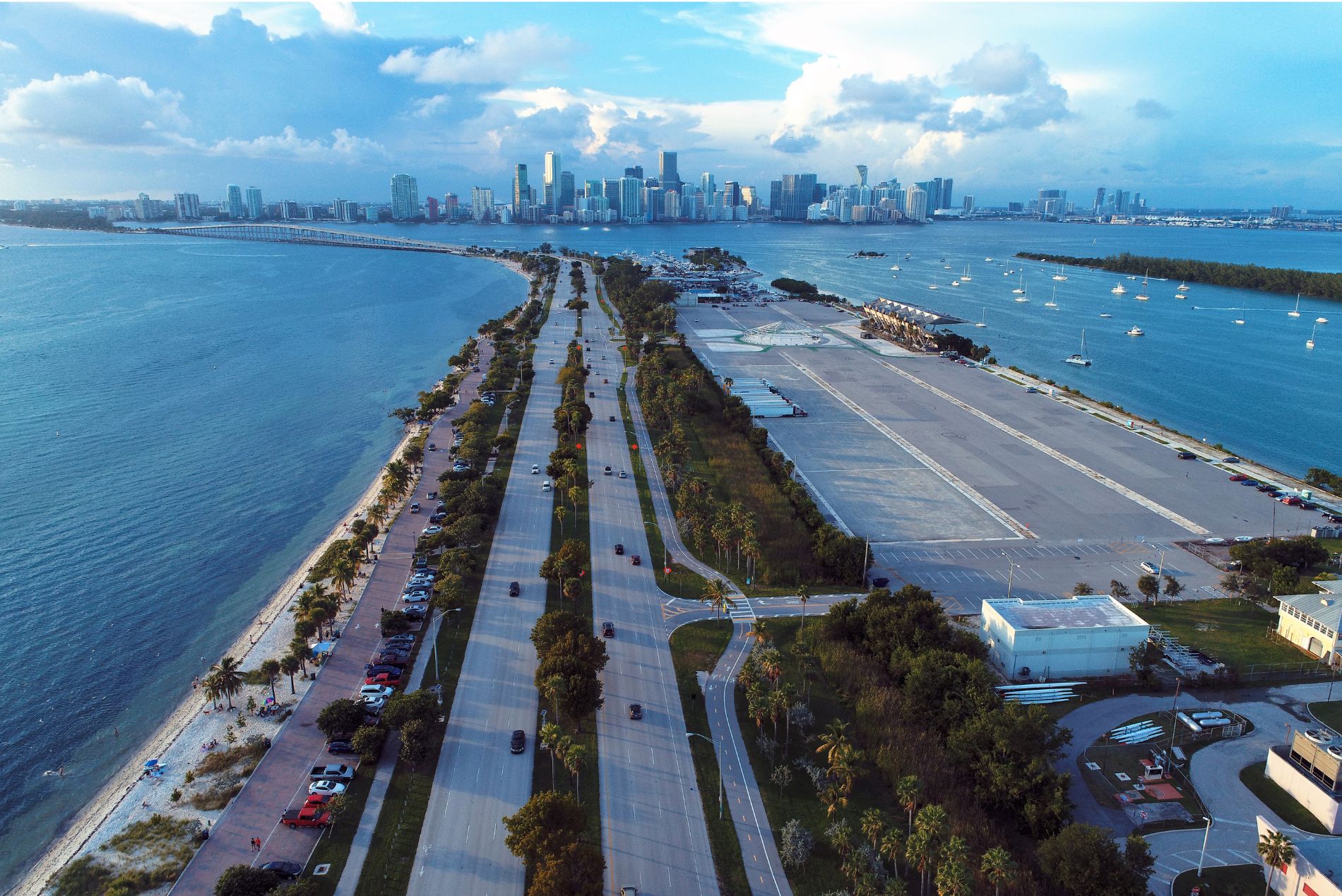
- Biscayne Bay: Explore the beautiful bay with boat tours, jet skiing, or kayaking. The bay offers stunning skyline views and access to unique islands.
- Vizcaya Museum & Gardens: A breathtaking estate featuring a European-inspired mansion, elaborate gardens, and priceless art, offering a glimpse into Miami’s gilded age.
- Nightlife and Dining: Miami comes alive after dark with world-famous clubs, rooftop bars, and an incredible culinary scene ranging from casual Cuban eateries to Michelin-starred restaurants. The city’s diverse population also translates into a rich tapestry of international cuisines.
Miami caters to those seeking a sophisticated urban experience, with a focus on art, fashion, music, and a lively social scene, complemented by its stunning natural beauty.
Planning Your Stay: Accommodation and Travel Tips
Successfully combining the magic of Orlando with the allure of Miami requires careful planning, especially regarding accommodation and general travel logistics.
Choosing Your Accommodation
Both cities offer a vast array of accommodation options, from luxurious resorts to budget-friendly hotels and unique vacation rentals. Your choice will largely depend on your travel style, budget, and the type of experience you’re seeking.
- In Orlando: Given its focus on theme parks, Orlando’s accommodation scene is dominated by family-friendly resorts offering extensive amenities like pools, kids’ clubs, and shuttle services to the parks. Examples include official park hotels such as Disney’s Contemporary Resort or Universal’s Hard Rock Hotel, which offer perks like early park access. You’ll also find numerous mid-range and budget hotels along International Drive and nearby areas, as well as a thriving market for vacation homes and apartments, ideal for larger groups or longer stays.
- In Miami: Miami boasts a more diverse range of accommodations, reflecting its cosmopolitan vibe. Expect to find opulent beachfront resorts on South Beach and Sunny Isles Beach like Fontainebleau Miami Beach or The Setai Miami Beach, boutique hotels in the Art Deco Historic District, and stylish urban hotels in downtown Miami or areas like Brickell. Vacation rentals are also popular, particularly for those seeking a more local experience or a longer stay. Consider your priorities: do you want to be steps from the beach, immersed in the nightlife, or closer to cultural attractions?
Booking Tips:
- Book in advance: Especially during peak seasons (winter, spring break, summer holidays), popular hotels and resorts in both cities can book up quickly.
- Compare prices: Use reputable booking websites, but also check directly with the hotel’s official website for potential deals or loyalty program benefits.
- Read reviews: Always check recent reviews to ensure the accommodation meets your expectations for cleanliness, service, and amenities.
- Consider amenities: Think about what’s important for your trip – pool, fitness center, complimentary breakfast, pet-friendly options, or proximity to public transport.
Essential Travel Tips for Your Florida Adventure
To make your dual-city Florida adventure as smooth as possible, keep these practical tips in mind:
- Best Time to Visit: Florida weather is generally pleasant, but the best time to visit is typically from late fall to late spring (November to May) when temperatures are milder and humidity is lower. Summers can be very hot and humid, with a higher chance of afternoon thunderstorms and the hurricane season running from June to November.
- Packing Essentials: Regardless of when you visit, always pack light clothing, swimwear, sunglasses, a hat, and plenty of sunscreen. Comfortable walking shoes are an absolute must, especially for Orlando’s theme parks. A light rain jacket or umbrella is also advisable for unexpected showers.
- Transportation within Cities: In Orlando, many resorts offer shuttle services to theme parks, but for flexibility, a rental car or rideshare services (Uber, Lyft) are common. In Miami, while a car offers freedom, traffic can be challenging. Consider using ride-shares, public buses, the Metromover in downtown, or even bicycles in areas like South Beach.
- Budgeting: Both cities can be expensive, especially if you plan on visiting theme parks or enjoying fine dining. Set a realistic budget for attractions, food, transportation, and accommodation. Look for ticket bundles or multi-day passes for theme parks to save money.
- Combining Trips: Many travelers choose to spend 3-5 days in Orlando for the theme parks, then drive or take Brightline to Miami for another 3-4 days to experience the beaches and culture. This allows for a well-rounded and varied Florida experience, transitioning from family fun to urban sophistication.
- Exploring Beyond: If you have extra time, consider day trips from Miami to the Florida Keys (perhaps even Key West) or the Everglades National Park. From Orlando, you could explore the Gulf Coast beaches or historic St. Augustine.
The distance between Orlando and Miami is easily manageable, opening up the possibility of a truly diverse and enriching Florida vacation. Whether you choose the efficiency of Brightline, the flexibility of a road trip, or the convenience of a bus, the journey itself is a relatively short bridge between two vastly different, yet equally captivating, destinations. By understanding the travel options, knowing what each city offers, and planning your stay carefully, you can create a seamless and unforgettable adventure that perfectly blends thrilling theme park escapades with glamorous beachside relaxation and cultural immersion.