
The question “How Far Is Russia From Alaska?” often conjures images of vast, impassable distances, yet the reality is far more astonishing. These two global giants, one a continent-spanning nation, the other a rugged U.S. state renowned for its wilderness, are separated by a mere sliver of water. This proximity creates a geographical and cultural nexus that has fascinated explorers, scientists, and intrepid travelers for centuries. Far from being an abstract geographical curiosity, the relationship between Russia and Alaska offers a compelling narrative of ancient migrations, Cold War politics, and the enduring allure of the Arctic frontier. For those with a passion for unique destinations and off-the-beaten-path experiences, understanding this remarkable connection opens doors to unparalleled travel opportunities, rich historical insights, and an appreciation for some of the planet’s most extreme and beautiful landscapes.

The Narrowest Divide: Exploring the Bering Strait
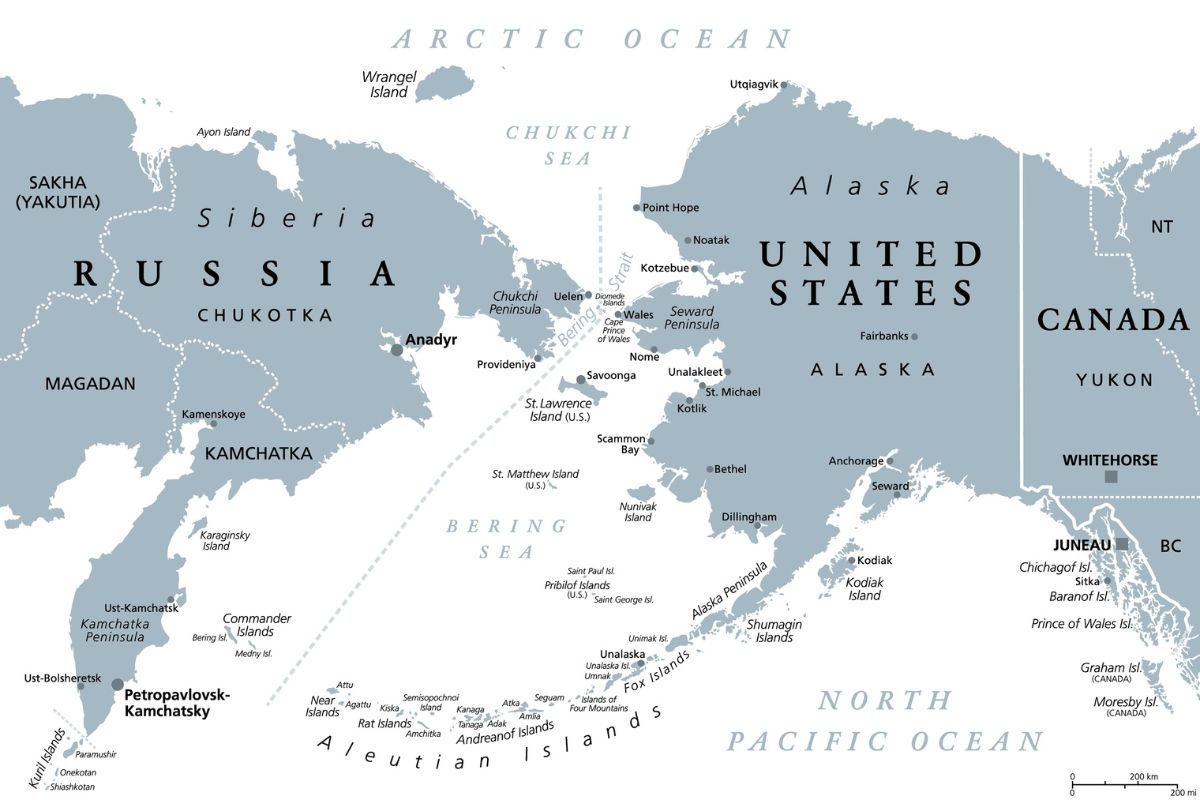
At its absolute closest point, the continental landmass of Russia is only 55 miles (88 kilometers) from Alaska. This incredibly narrow stretch of water is known as the Bering Strait, a significant maritime passage that connects the Chukchi Sea of the Arctic Ocean to the Bering Sea of the Pacific Ocean. The strait is a shallow, often ice-covered waterway, but its true claim to fame lies in the presence of two small islands that make the distance seem even more minuscule.
A Stone’s Throw Away: The Diomede Islands
Nestled almost perfectly in the middle of the Bering Strait are the Diomede Islands – Big Diomede Island (Ostrov Ratmanova), belonging to Russia, and Little Diomede Island, part of the United States and Alaska. These twin islands are separated by a mere 2.4 miles (3.8 kilometers) of water, making them the closest landmasses between the two nations. It’s an astounding proximity, especially considering the vast geopolitical chasm that often exists between them.
The Diomede Islands are more than just geographical markers; they are a site of profound historical and cultural significance. Little Diomede Island is home to an Inuit community, whose residents maintain a subsistence lifestyle dependent on the rich marine life of the Bering Sea. Their ancestors have navigated these waters for millennia, long before modern borders were drawn. For travelers interested in local culture and authentic experiences, a visit to this remote community, perhaps by charter plane from Nome, offers a glimpse into a way of life deeply connected to the Arctic environment. Accommodation here is basic, often guesthouses or homestays, reflecting the island’s isolation rather than luxury travel.
Adding another layer of intrigue, the International Date Line runs precisely between the Diomede Islands. This means that Big Diomede Island is almost a full day ahead of Little Diomede Island, earning them the nicknames “Tomorrow Island” and “Yesterday Island” respectively. Imagine standing on one island and looking across to the next day, a truly unique phenomenon that adds to the mystique of this remote borderland. For adventure seekers, this invisible line represents a fascinating landmark, a testament to humanity’s efforts to organize time across the globe.
A Historical and Geological Bridge
The geological history of the Bering Strait is even more remarkable than its current geography. During the last Ice Age, when vast quantities of Earth’s water were locked in glaciers, sea levels dropped significantly. This exposed a vast land bridge, known as the Bering Land Bridge or Beringia, which connected what is now Alaska with Siberia. This natural land corridor played a pivotal role in human history, serving as the primary route for the migration of early humans from Asia into the Americas over 15,000 years ago. Today, the remnants of Beringia are protected as the Bering Land Bridge National Preserve in Alaska, offering a glimpse into this ancient landscape.
The modern political history between Russia and Alaska is equally compelling. For over a century, Alaska was a Russian colony, known as Russian America. However, in 1867, facing financial difficulties and geopolitical concerns, Tsar Alexander II sold Alaska to the United States for $7.2 million. This transaction, famously dubbed “Seward’s Folly” by critics at the time, turned out to be one of the most significant land deals in history, marking the end of Russian presence in North America and establishing the current border in the Bering Strait. This historical backdrop provides a fascinating context for any travel to the region, linking landmarks and geographical features directly to pivotal moments in global history.
Bridging the Gap: Travel and Tourism Possibilities
Despite the geographical proximity, direct travel between Russia and Alaska across the Bering Strait remains highly challenging and, for most, impractical. The political border, coupled with harsh weather conditions, makes casual crossings impossible. However, this doesn’t diminish the allure of exploring the extreme fringes of both nations, offering unique travel experiences that few get to witness.
Theoretical Crossings and Expedition Travel
While there have been a handful of documented crossings – including a famous “ice bridge” walk by adventurers Karl Bushby and Dimitry Kieffer in 2006 – these are exceptional feats of endurance, not tourist routes. The concept of building a bridge or tunnel across the strait has been proposed multiple times over the decades, often dubbed the “Intercontinental Peace Bridge” or “Bering Strait Tunnel,” but the immense cost and engineering challenges, combined with geopolitical complexities, have kept these ambitions firmly in the realm of theory.
For most travelers seeking to experience the proximity of Russia and Alaska, expedition cruises offer the most viable and safest option. Specialized Arctic cruises, often departing from Nome, Alaska, or occasionally from ports in the Russian Far East, navigate the Bering Strait during the short summer season when the ice has receded. These cruises are not just about reaching a geographical point; they are comprehensive travel experiences focusing on wildlife viewing (walruses, seals, whales, polar bears), birdwatching, and cultural encounters with indigenous communities on both sides of the strait. Many itineraries include landings on Little Diomede Island and, with the necessary permits and visas, potentially on the Russian side in places like Provideniya. These trips cater to a luxury travel segment, offering comfortable accommodations aboard ice-strengthened ships, expert guides, and unparalleled access to remote Arctic wilderness.

Gateway Cities and Nearby Attractions
To truly appreciate the unique geographical and cultural tapestry of the Bering Strait region, travelers often approach it from gateway cities on either side.
On the Alaskan side, Nome stands out as the primary hub. This historic gold rush town, famous as the finish line for the Iditarod Trail Sled Dog Race, serves as a crucial staging point for excursions into the Bering Strait and beyond. Nome offers a range of accommodations, from the historic Nome Nugget Inn to smaller guesthouses, providing a taste of frontier hospitality. From here, travelers can arrange charter flights to Little Diomede Island (weather permitting), take local boat tours to explore the coastline, or simply soak in the atmosphere of a town steeped in history and adventure. Nearby attractions include gold panning sites, wildlife viewing opportunities, and insights into Yupik and Inupiat indigenous cultures. Other significant towns in the region, like Kotzebue, also offer unique Arctic experiences, including access to Kobuk Valley National Park and the chance to witness the spectacular Northern Lights during darker months. Farther afield, cities like Fairbanks and Anchorage serve as major entry points into Alaska, offering a wider array of hotels, resorts, and tourism infrastructure for planning a comprehensive Alaskan adventure before heading to the remote northwest.
On the Russian side, access is significantly more restricted. The Chukotka Autonomous Okrug is the easternmost region of Russia, directly facing Alaska. Its administrative center, Anadyr, is a remote city that can be reached by air from Moscow or other major Russian cities. Smaller settlements like Provideniya are closer to the strait and occasionally host expedition cruises. Visiting Chukotka requires a Russian visa and often special permits due to its border zone status, making it a destination for only the most determined and organized travelers. However, for those who make the journey, Chukotka offers an unparalleled glimpse into indigenous Chukchi culture, pristine Arctic landscapes, and abundant wildlife. Accommodations are typically modest, with guesthouses or small hotels being the norm, reflecting the region’s pioneering spirit. This side of the Bering Strait provides a stark contrast and complement to the Alaskan experience, offering a comprehensive understanding of this unique transcontinental boundary.
Planning Your Journey to the Edge of the World
Venturing to the Bering Strait region, whether from the Alaskan or Russian side, is an expedition that demands careful planning and a spirit of adventure. This is not a typical tourist destination, but rather a frontier where natural beauty, rich history, and challenging logistics converge.
Accommodation and Logistics in Remote Regions
When planning travel to remote Arctic destinations like Nome or Provideniya, expectations for accommodation should be adjusted. While larger cities in Alaska like Anchorage offer a wide selection of hotels, suites, and resorts ranging from luxury to budget-friendly, the frontier towns near the Bering Strait typically feature more modest options. In Nome, for instance, you’ll find comfortable but not opulent hotels like the Nome Nugget Inn or Aurora Inn and Suites, along with a few guesthouses. These establishments prioritize functionality, warmth, and a welcoming atmosphere over extensive amenities. Booking ahead is crucial, especially during peak seasons such as the Iditarod finish or summer cruise departures. Online reviews and comparison sites can help in making choices, but direct contact with local providers is often recommended for the most up-to-date information. For longer stays, perhaps for researchers or business travelers involved in resource extraction or Arctic studies, options might include self-catering apartments or specialized lodges.
Logistics are paramount. Access to these regions is primarily by air, with scheduled flights to Nome Airport (from Anchorage or Fairbanks) or Anadyr Airport (from Moscow or Khabarovsk) being the most common. Visas are a significant hurdle for the Russian side, requiring meticulous planning and adherence to strict regulations. Special permits are often needed for visitors to border zones or indigenous territories. Engaging with reputable tour operators specializing in Arctic travel is highly advisable, as they can navigate the complexities of permits, guides, and transportation, ensuring a safer and more enriching experience. Travel tips for these extreme environments include packing appropriate cold-weather gear, understanding local customs, and respecting the fragile Arctic ecosystem.
Embracing the Lifestyle: Adventure, Culture, and Conservation
A journey to the Bering Strait is more than just a trip; it’s an immersion into a unique lifestyle defined by resilience, tradition, and profound connection to nature. Whether you categorize yourself as a luxury traveler seeking exclusive expedition cruises or a budget traveler keen on exploring local culture through guesthouses and independent exploration, the region offers unparalleled experiences.
For adventure enthusiasts, the opportunities are boundless: dog sledding, snowmobiling, ice fishing, whale watching (especially belugas and bowheads), and birdwatching in summer are all prominent activities. The untamed landscapes provide a backdrop for incredible photography and wildlife encounters. The local culture, deeply rooted in the traditions of the Inupiat, Yupik, and Chukchi peoples, offers insights into millennia of survival in one of the planet’s harshest environments. Visitors can experience traditional art, storytelling, dance, and cuisine, fostering a deep appreciation for their heritage. These cultural exchanges are highlights of any trip, particularly in places like Little Diomede Island or the villages of Chukotka.
Conservation is a major theme in this pristine region. Tourists are encouraged to adhere to ethical travel guidelines, supporting local communities and minimizing their environmental footprint. Education about the impacts of climate change on the Arctic is often integrated into tours, highlighting the importance of preserving this delicate ecosystem. For families, a trip to Alaska’s Bering Strait areas can be an incredibly educational experience, teaching children about geography, history, indigenous cultures, and environmental responsibility. For business stays, particularly those related to research or environmental monitoring, the region offers unique insights into Arctic science and resource management.
In conclusion, the distance between Russia and Alaska is astonishingly small, a mere 2.4 miles across the Diomede Islands and 55 miles at its widest point in the Bering Strait. This geographical reality underpins a rich tapestry of history, geology, and human endeavor. For the adventurous traveler, this remote corner of the world presents an extraordinary opportunity to explore the confluence of continents, cultures, and captivating natural beauty. It’s a journey not just to a destination, but to the very edge of human experience, where yesterday meets tomorrow, and two great nations stand almost within touching distance.
LifeOutOfTheBox is a participant in the Amazon Services LLC Associates Program, an affiliate advertising program designed to provide a means for sites to earn advertising fees by advertising and linking to Amazon.com. Amazon, the Amazon logo, AmazonSupply, and the AmazonSupply logo are trademarks of Amazon.com, Inc. or its affiliates. As an Amazon Associate we earn affiliate commissions from qualifying purchases.