
The allure of the American West beckons travelers with its vast landscapes, vibrant cities, and unparalleled natural beauty. Among the most popular routes connecting two distinctly different, yet equally captivating, urban centers is the journey between Salt Lake City and Las Vegas. Whether you’re planning a thrilling road trip, a quick flight, or considering other modes of transportation, understanding the distance and the various ways to traverse this route is key to crafting an unforgettable travel experience. This comprehensive guide will delve into the logistics, offer insights into potential detours, and highlight the unique attractions awaiting you at both ends of this exciting adventure, blending practical advice with the spirit of exploration that defines the region. From navigating the open road to discovering hidden landmarks, we’ll help you chart your course between these iconic Western cities.
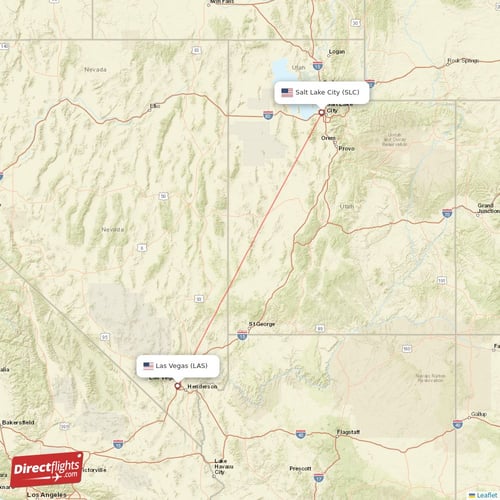
The Core Question: Distance and Driving Time
For many, the idea of a road trip through the desert and mountainous terrain of the American West is the quintessential way to experience the region. The journey between Las Vegas and Salt Lake City offers just that, transitioning from the neon glow of Nevada to the scenic grandeur of Utah. Understanding the exact distance and expected driving time is the first step in planning your adventure, allowing you to allocate sufficient time for the drive itself and any desired stops along the way.
By Car: The Most Common Route
The primary and most straightforward route connecting Las Vegas and Salt Lake City is via Interstate 15 (I-15). This major north-south highway stretches approximately 420 to 425 miles (675 to 685 kilometers), depending on your exact starting and ending points within each metropolitan area. Under ideal driving conditions – meaning clear weather, minimal traffic, and adhering to posted speed limits – the continuous drive typically takes around 6.5 to 7 hours.
The journey begins in Las Vegas, heading northeast through the small northwestern corner of Arizona (the Arizona Strip), before entering Utah. Once in Utah, I-15 continues northward, passing through several significant towns and cities, including St. George, Cedar City, Beaver, and Provo, before reaching Salt Lake City. This route is well-maintained and provides ample opportunities for fuel, food, and rest stops, making it a comfortable and manageable drive for most travelers.
Factors Affecting Driving Time
While 6.5 to 7 hours is a good baseline, several factors can influence your actual driving time, making careful planning essential:
- Traffic: Both Las Vegas and Salt Lake City are bustling urban centers. Rush hour traffic, particularly when entering or exiting these cities, can significantly extend your travel time. Weekends, especially Sunday afternoons leaving Las Vegas, often see heavier traffic volumes. Checking real-time traffic updates before and during your journey is highly recommended.
- Weather Conditions: The desert and mountain climates along I-15 can present varied weather challenges. Summers can bring extreme heat, potentially affecting vehicle performance or requiring more frequent stops for drivers. Winters, particularly in the northern half of Utah, can experience snow and ice, leading to slower speeds, road closures, or hazardous driving conditions. Always check the weather forecast for your travel dates.
- Construction: Road maintenance and improvement projects are common on major interstates. While efforts are made to minimize disruption, construction zones can lead to lane closures, detours, and reduced speed limits, all of which add to your travel duration.
- Rest Stops and Breaks: A continuous 7-hour drive without stops is not advisable for safety or comfort. Factor in time for gas refills, meals, bathroom breaks, and stretching your legs. Most travelers will likely add at least 1-2 hours to their journey for these essential pauses, transforming the trip into an 8-9 hour experience.
- Vehicle Speed and Fuel Efficiency: Your chosen speed and how often you stop will directly impact both your travel time and fuel consumption. Planning your fuel stops in advance, especially in sparser sections of Nevada and Utah, can save time and reduce stress.
By considering these variables, you can set realistic expectations for your drive and ensure a safer, more enjoyable journey from Las Vegas to Salt Lake City.
Alternative Travel Options
While driving offers the most flexibility and the opportunity for scenic detours, it’s not the only way to travel between Las Vegas and Salt Lake City. Depending on your priorities – be it speed, cost, or convenience – other modes of transportation might be more suitable for your specific travel plans. Exploring these alternatives can help you decide the best approach for your journey, especially if you’re not keen on spending hours behind the wheel.
Flying Between the Cities
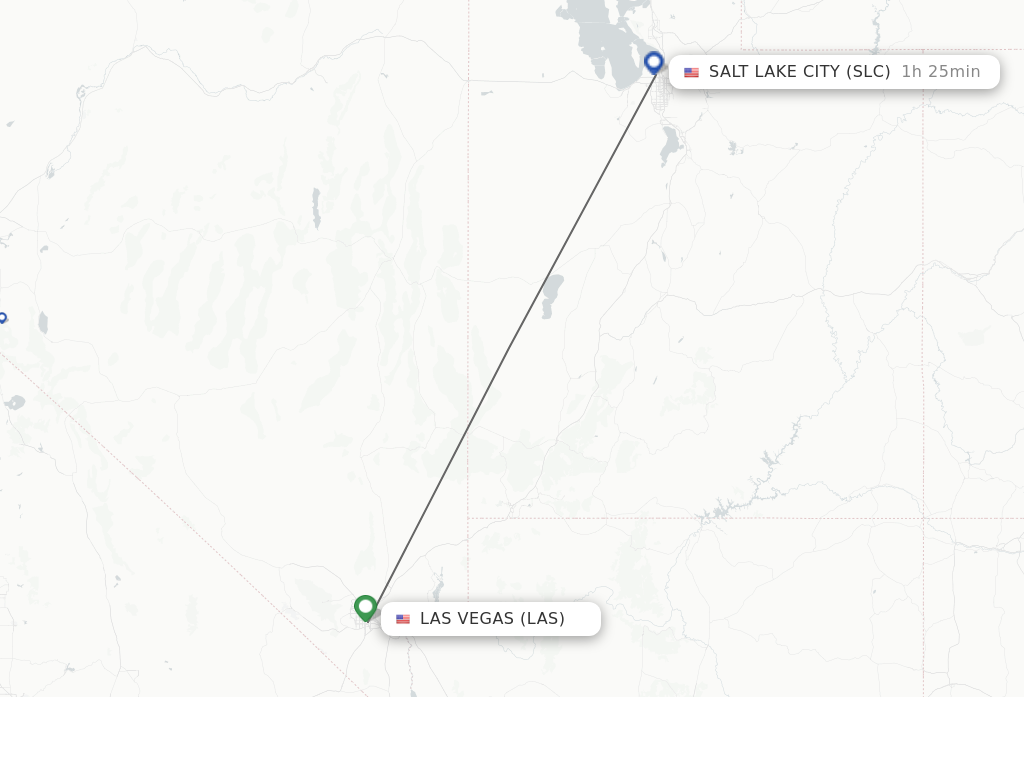
For those prioritizing speed and minimal travel time, flying is undoubtedly the quickest option. Direct flights between Harry Reid International Airport (LAS), formerly McCarran International Airport, in Las Vegas and Salt Lake City International Airport (SLC) are frequent and relatively short. The actual flight duration is typically around 1 hour and 15 minutes to 1 hour and 30 minutes.
However, it’s important to remember that the total door-to-door travel time will be longer. You need to factor in time for getting to and from each airport, airport security, check-in, boarding, and baggage claim. When all these elements are considered, the total journey time can easily extend to 3 to 5 hours. Major airlines such as Delta, Southwest, and Spirit Airlines typically offer multiple daily flights, providing flexibility in scheduling. The cost of flights can vary significantly based on booking in advance, the time of year, and airline promotions. While often more expensive than driving, flying saves significant time, making it an attractive option for business travelers or those on tight schedules.
Bus and Train Travel
For budget-conscious travelers or those who prefer to sit back and let someone else do the driving, bus services provide a viable option, albeit with a longer travel duration. Companies like Greyhound offer routes between Las Vegas and Salt Lake City. A typical bus journey can take anywhere from 8 to 10 hours, depending on the number of stops and transfers. While slower than driving your own car, bus tickets are generally more affordable, and you avoid the costs associated with fuel, tolls, and wear and tear on a personal vehicle. It’s a great option for enjoying the scenery without the stress of navigation.
Train travel between these two cities is not as straightforward. There are no direct Amtrak routes connecting Las Vegas and Salt Lake City. A train journey would typically involve multiple transfers and significantly longer travel times, often extending to 24 hours or more, making it an impractical choice for most travelers seeking direct transportation. Therefore, for ground travel, the bus remains the only public transportation option that is both direct and reasonably priced, albeit time-consuming.
Making the Journey an Adventure: Road Trip Itineraries & Stops
While the direct drive between Las Vegas and Salt Lake City is a manageable 6.5 to 7 hours, the true magic of this route lies in the potential for exploration. The region is a treasure trove of stunning national parks, state parks, and charming towns, offering countless opportunities to transform a simple drive into an unforgettable road trip experience. Embracing these detours allows you to immerse yourself in the diverse landscapes and unique culture of Nevada, Arizona, and Utah.
Direct Drive vs. Scenic Route
Deciding between a direct drive and a scenic route largely depends on your time constraints and interests. If your goal is simply to get from point A to point B as quickly as possible, sticking to I-15 with minimal stops is the way to go. However, if you have an extra day or two, venturing off the interstate will reward you with some of the most spectacular natural beauty in the United States. A scenic route doesn’t necessarily mean adding hundreds of miles; many incredible sites are just a short detour away. The key is to balance your desire for exploration with your overall schedule. A well-planned scenic route can turn travel time into an integral part of your vacation.
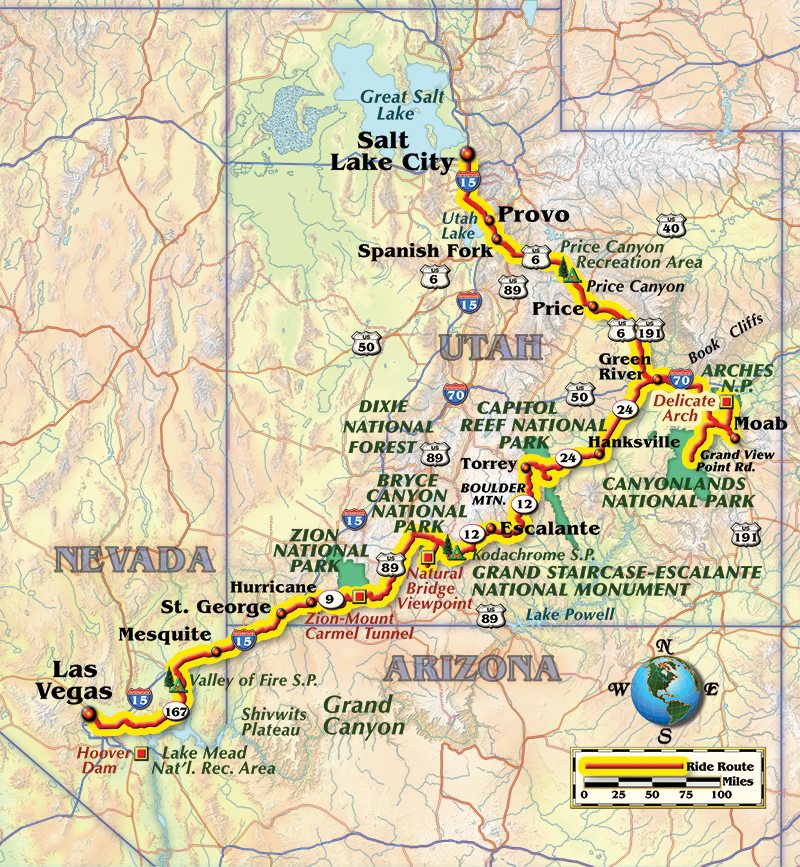
Must-See Stops Along I-15
The corridor between Las Vegas and Salt Lake City is dotted with compelling attractions. Here are some highly recommended stops that cater to various interests:
- Valley of Fire State Park, Nevada: Just an hour northeast of Las Vegas, this park is famous for its vibrant red Aztec sandstone outcrops, ancient petroglyphs, and fascinating rock formations. It’s a quick and stunning detour that offers incredible hiking and photography opportunities.
- St. George, Utah: Approximately two hours north of Las Vegas, St. George is a growing city known for its warm weather, outdoor recreation, and proximity to several natural wonders. It’s a great place for a meal break or an overnight stay. Nearby, the Red Cliffs National Conservation Area offers beautiful desert landscapes and hiking trails.
- Zion National Park, Utah: One of the crown jewels of the National Park System, Zion is about a 45-minute drive east of I-15 from St. George. Its towering sandstone cliffs, narrow canyons, and the Virgin River create a breathtaking landscape ideal for hiking (from easy riverside strolls to challenging climbs like Angels Landing). This detour typically adds half a day to a full day, but it is unequivocally worth it for the incredible views and outdoor activities.
- Bryce Canyon National Park, Utah: Often combined with a visit to Zion, Bryce Canyon is famous for its unique geological structures called “hoodoos,” which create a surreal amphitheater of colorful spires. It’s a bit further east from Zion (about 1.5-2 hours) and requires a more significant time commitment (an additional full day), but offers completely different and equally stunning vistas.
- Cedar City, Utah: Located directly on I-15, Cedar City is known as “Festival City, USA,” primarily due to the Utah Shakespeare Festival. It’s a pleasant town for a lunch stop or an overnight stay, especially if you’re interested in arts and culture. It also serves as a gateway to Dixie National Forest and Cedar Breaks National Monument.
- Arches National Park and Canyonlands National Park, Utah: For those with ample time (an extra 2-3 days), a significant detour east from I-15 (near Green River) will lead you to these iconic Moab-area parks. While adding several hours of driving each way, the unparalleled landscapes of natural arches, vast canyons, and breathtaking vistas are bucket-list worthy. This detour typically warrants an overnight stay in Moab.
Overnight Stays and Accommodation Options
If you choose to incorporate these detours, an overnight stay becomes a delightful necessity, allowing you to fully explore and relax. Popular places for an overnight stop include:
- St. George, Utah: With a wide range of hotels, motels, and resorts, St. George is an ideal midway point, especially if visiting Zion.
- Springdale (near Zion National Park): For an immersive experience, staying in Springdale offers immediate access to the park entrance and a variety of lodging options, from rustic to luxurious.
- Cedar City, Utah: A good stop for breaking up the drive, offering standard chain hotels and local inns.
- Moab, Utah: If you venture to Arches and Canyonlands, Moab is the natural base, providing numerous hotels, vacation rentals, and campgrounds.
When planning, remember to utilize accommodation booking platforms, read reviews, and make reservations in advance, especially during peak tourism seasons for national parks. Many destinations offer various forms of accommodation from standard suites to full-service resorts, apartments, and even villas, often with appealing amenities.
Exploring Your Destinations: What Awaits in Salt Lake City and Las Vegas
Upon reaching your final destination, a whole new set of experiences awaits. Las Vegas and Salt Lake City are vastly different cities, each offering a unique charm and a plethora of activities to suit every lifestyle and interest. From the glittering spectacle of the desert to the majestic backdrop of the Wasatch Mountains, these cities promise to cap off your journey with memorable moments.
Las Vegas: The Entertainment Capital
Las Vegas, often dubbed “The Entertainment Capital of the World,” lives up to its name with a dizzying array of options. The famous Las Vegas Strip is where most of the action happens, lined with iconic casino resorts like the Bellagio, Caesars Palace, and the Venetian, each offering unique themes, world-class dining (from Michelin-starred restaurants to casual eateries), and spectacular shows ranging from Cirque du Soleil productions to headliner concerts. Beyond gambling, visitors can indulge in upscale shopping, relax at luxurious spas, or enjoy incredible nightlife.
For a different flavor of Las Vegas, head downtown to the Fremont Street Experience, where a vibrant pedestrian mall features a massive LED canopy, live music, and street performers. Las Vegas also serves as an excellent base for exploring natural wonders like the Red Rock Canyon National Conservation Area or even day trips to the Grand Canyon. Whether you’re looking for luxury travel or planning a budget-friendly trip, Las Vegas offers something for everyone, making it a dynamic start or end point for any journey.
Salt Lake City: Gateway to Adventure and History
Salt Lake City presents a stark contrast to Las Vegas, offering a blend of rich history, unique local culture, and unparalleled access to outdoor adventure. The city’s spiritual and historical heart is Temple Square, home to the headquarters of The Church of Jesus Christ of Latter-day Saints. Visitors can explore the iconic Salt Lake Temple, the Tabernacle (famous for the Mormon Tabernacle Choir), and various museums detailing the pioneer history of Utah.
Beyond its historical sites, Salt Lake City is a vibrant hub for outdoor enthusiasts. It’s often called the “Gateway to the Wasatch” due to its proximity to world-class ski resorts like Park City, Alta, Snowbird, and Deer Valley, which offer incredible skiing and snowboarding in winter, and hiking and mountain biking in summer. The vast and unique Great Salt Lake is also a short drive away, providing opportunities for birdwatching and photography. The city itself boasts a thriving food scene with diverse restaurants, vibrant neighborhoods like Sugar House, and a growing arts community. For those seeking family trips or business stays, Salt Lake City offers a welcoming atmosphere with a wide array of hotels, from boutique to large chain properties, including suites and full-service resorts with excellent amenities.
Planning Your Trip: Essential Tips for a Seamless Journey
Embarking on a journey, whether it’s a short hop or an extended road trip, always benefits from meticulous planning. From choosing the optimal time to travel to ensuring you have the right gear, a few key considerations can make all the difference between a good trip and a great one. These travel tips are designed to help you navigate the nuances of traveling between Las Vegas and Salt Lake City, ensuring a smooth and enjoyable experience.
Best Time to Travel
The ideal time to travel between Las Vegas and Salt Lake City largely depends on your preferred activities and tolerance for weather conditions:
- Spring (April-May) and Fall (September-October): These shoulder seasons are generally considered the best times for a road trip. The weather is milder and more comfortable, perfect for outdoor excursions in national parks. Spring brings blooming wildflowers, while fall offers stunning autumn foliage, especially in Utah’s mountainous regions. Temperatures in Las Vegas are pleasant, and Salt Lake City enjoys comfortable conditions before the summer heat or winter snow.
- Summer (June-August): While popular for family trips and national park visits, summer can be intensely hot, particularly in Nevada and southern Utah. Temperatures in Las Vegas can exceed 100°F (38°C), making outdoor activities during midday challenging. Hydration is crucial. In contrast, Salt Lake City offers pleasant summer evenings. Expect higher crowds and potentially higher prices for accommodation.
- Winter (November-March): Winter travel offers unique charm, especially for skiing and snowboarding enthusiasts heading to Utah’s ski resorts. However, driving conditions on I-15 in Utah can be challenging due to snow and ice. Always check road conditions before departing. Las Vegas winters are mild and generally pleasant, making it an attractive escape from colder climates.
Car Rental Considerations
If you’re flying into one city and driving to the other, or simply need a vehicle for your road trip, consider these points regarding car rentals:
- One-Way Fees: Be aware that picking up a rental car in Las Vegas and dropping it off in Salt Lake City (or vice versa) will often incur a “one-way fee.” These fees can significantly increase the total cost of your rental, so compare prices from different companies and factor this into your budget.
- Vehicle Type: For a standard drive on I-15, a regular sedan is perfectly adequate. However, if you plan to venture onto unpaved roads for scenic detours or travel during winter, an SUV with four-wheel drive might be a better choice for added safety and capability.
Packing Essentials
Regardless of the season, a few packing essentials will enhance your comfort and preparedness:
- Water and Snacks: Especially crucial for a long drive through desert areas where services can be sparse. Stay hydrated!
- Navigation: While smartphones are excellent, consider a physical map or a dedicated GPS device as a backup, especially if venturing into areas with limited cell service (like some national parks).
- Emergency Kit: Jumper cables, a flashlight, basic tools, a first-aid kit, and extra blankets (for winter travel) are always wise to have on hand.
- Sun Protection: Sunglasses, hats, and sunscreen are essential year-round, given the abundant sunshine in the region.
- Layers of Clothing: Temperatures can fluctuate significantly between day and night, and between different elevations. Dressing in layers allows you to adapt to changing conditions.
Accommodation Booking
Whether you’re looking for hotels, resorts, apartments, or villas, smart accommodation booking is crucial, especially during peak seasons:
- Book in Advance: Popular locations, particularly near national parks or during major events, can fill up quickly. Booking your lodging well in advance ensures you get your preferred choice and often better rates.
- Read Reviews and Compare: Utilize websites that offer reviews and comparison tools to find the best value and ensure the amenities meet your needs.
- Consider Long-Term Stays: If your itinerary includes extended visits in either city, look into long-term stay options such as extended-stay hotels or vacation rentals, which can offer more comfort and cost savings.
By taking these tips into account, your journey between Las Vegas and Salt Lake City will be well-prepared, allowing you to focus on enjoying the incredible sights and experiences along the way.
In conclusion, the distance between Salt Lake City and Las Vegas is approximately 420-425 miles, typically taking 6.5 to 7 hours by car. While a direct drive is efficient, the route along I-15 offers a gateway to some of America’s most stunning natural landmarks, making it an ideal candidate for an extended road trip. Alternative travel options like flying provide speed and convenience, while bus services offer a budget-friendly, albeit longer, alternative. Both Las Vegas and Salt Lake City serve as vibrant destinations, rich in unique attractions and diverse experiences. With careful planning regarding weather, potential detours, and accommodation, your journey between these two iconic cities promises to be much more than just a drive – it’s an adventure waiting to unfold. So pack your bags, set your GPS, and prepare to discover the wonders that lie between the glitz of the desert and the majesty of the mountains.
LifeOutOfTheBox is a participant in the Amazon Services LLC Associates Program, an affiliate advertising program designed to provide a means for sites to earn advertising fees by advertising and linking to Amazon.com. Amazon, the Amazon logo, AmazonSupply, and the AmazonSupply logo are trademarks of Amazon.com, Inc. or its affiliates. As an Amazon Associate we earn affiliate commissions from qualifying purchases.