
The question of “How far is San Diego, California from Los Angeles?” is one frequently posed by travelers eager to explore the diverse landscapes and vibrant cultures of Southern California. This iconic stretch of coastline, connecting two of the state’s most beloved cities, offers a journey rich in scenic beauty, cultural experiences, and exciting possibilities for every type of traveler. Whether you’re planning a quick weekend getaway, an extended exploration of California’s attractions, or a business trip requiring seamless transit, understanding the distance and various travel options is key to crafting an unforgettable adventure.
From the sprawling urban tapestry of Los Angeles with its glittering Hollywood allure and bustling beaches, to the relaxed, sun-drenched charm of San Diego known for its pristine shores, historic districts, and world-class attractions, the journey between these two metropolitan hubs is more than just a commute; it’s an integral part of the Southern California experience. This comprehensive guide delves into the specifics of this popular route, offering insights into distances, transportation methods, must-see stops, and expert tips to enhance your travel and accommodation choices, ensuring your trip is as smooth and enjoyable as possible.
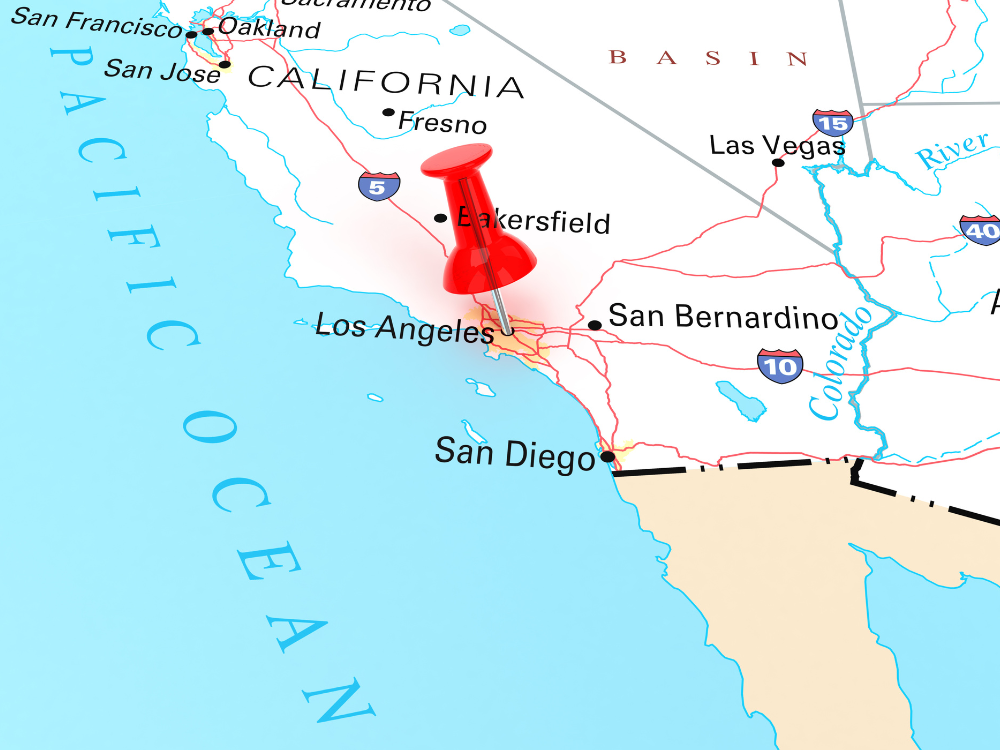
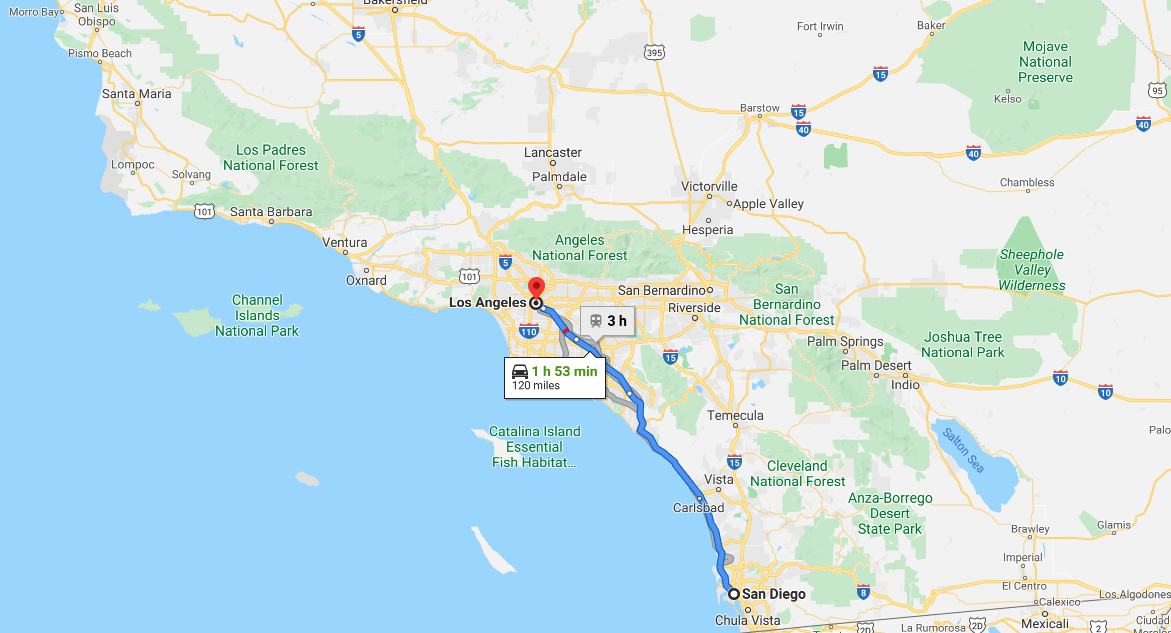
The Geographical Reality: Understanding the Distance and Drive Time
The physical distance between Los Angeles and San Diego is a crucial factor in planning any trip. While straightforward in theory, several variables can influence the actual time it takes to travel between these two major California cities.
Straight Line vs. Driving Distance
As the crow flies, the distance between downtown Los Angeles and downtown San Diego is approximately 110 miles (177 kilometers). However, ground travel, especially by car, involves following established roadways, which adds to this figure. The most common and direct driving route primarily utilizes Interstate 5 (I-5), a major north-south freeway that hugs the Pacific Ocean coastline for much of its length.
The typical driving distance via I-5 is approximately 120 to 130 miles (193 to 209 kilometers), depending on your specific starting point in Los Angeles and your destination in San Diego. For instance, a journey from Santa Monica in Los Angeles might be slightly longer than one originating from Orange County cities like Anaheim.
Factors Influencing Travel Time
While the mileage is relatively consistent, the actual time spent traveling can fluctuate significantly due to a variety of factors inherent to Southern California travel:
- Traffic Congestion: This is by far the most impactful factor. Both Los Angeles and San Diego are sprawling metropolitan areas, and the I-5 corridor is a vital artery. Peak travel times – typically weekday mornings (6:00 AM – 10:00 AM) and afternoons (3:00 PM – 7:00 PM), as well as holiday weekends – can easily double or even triple the expected travel duration. A drive that might take 1.5 to 2 hours in ideal conditions could stretch to 3.5 to 4 hours or more during heavy traffic.
- Time of Day/Week: As mentioned, avoiding rush hour is paramount. Traveling mid-morning, late evening, or on weekends (outside of peak holiday periods) generally yields faster travel times.
- Road Construction: California’s infrastructure is constantly being maintained and upgraded. Construction zones can lead to lane closures and slowdowns, impacting travel speed.
- Weather Conditions: While Southern California is famous for its sunny weather, occasional rain, particularly during winter months, can cause reduced visibility and slick roads, leading to slower driving. Coastal fog, especially in the mornings, can also be a factor.
- Accidents and Incidents: Unexpected road closures or accidents are unpredictable but can significantly disrupt travel. Real-time navigation apps (like Google Maps or Waze) are invaluable for monitoring these situations and suggesting alternative routes.
In optimal conditions, the drive from Los Angeles to San Diego can be completed in approximately 1 hour and 45 minutes to 2 hours. However, a more realistic expectation, accounting for typical traffic patterns, is generally 2.5 to 3 hours. It’s always advisable to budget extra time, especially if you have a schedule to keep.
Your Journey Options: Getting from Los Angeles to San Diego
While driving remains the most popular choice for flexibility, travelers have a variety of reliable transportation methods to choose from, each offering its own set of advantages and experiences.
Driving: The Classic California Road Trip
Driving is undoubtedly the most flexible way to travel between Los Angeles and San Diego. It allows for spontaneity, side trips, and the freedom to explore at your own pace. The primary route is the I-5 South, offering glimpses of the Pacific Ocean and passing through charming coastal towns.
Pros:
- Flexibility: Stop wherever and whenever you want.
- Scenic Potential: Opportunity to take coastal detours (e.g., Pacific Coast Highway).
- Convenience with Luggage: Easy to transport multiple bags.
- Cost-Effective for Groups: Can be cheaper than individual train/bus tickets if splitting gas costs.
Cons:
- Traffic: Can be extremely heavy, especially during peak hours.
- Parking: Finding and paying for parking in both cities can be challenging and expensive.
- Fuel Costs: Gas prices in California are generally higher than the national average.
Tips: Use navigation apps for real-time traffic updates and consider taking the carpool lane (HOV lane) if you meet the occupancy requirements. For a more scenic, albeit longer, drive, consider portions of Pacific Coast Highway (CA-1) or CA-101 for segments, though these will significantly increase travel time.
Rail Travel: Scenic Routes and Relaxation
For a more relaxed and environmentally friendly option, train travel is an excellent choice. The Amtrak Pacific Surfliner offers daily services between Los Angeles’ Union Station and San Diego’s Santa Fe Depot. This route is renowned for its stunning coastal views, especially as it passes through Orange County and San Clemente.
Pros:
- Scenic Views: Unparalleled ocean vistas from your window.
- Comfort and Relaxation: More spacious seating, no traffic worries, and often features a café car.
- Convenient Stations: Both Union Station and Santa Fe Depot are centrally located and well-connected to public transit.
- No Parking Hassles: Eliminates the stress of urban parking.
Cons:
- Fixed Schedule: Less flexible than driving.
- Travel Time: Typically takes around 2 hours and 45 minutes to 3 hours, which can be longer than an optimal drive but often shorter than a drive in heavy traffic.
- Cost: Ticket prices can vary, but generally comparable to or slightly higher than bus travel.
Tips: Book tickets in advance, especially for popular times or the business class car. Choose a seat on the west side of the train for the best ocean views.

Bus Services: Budget-Friendly and Convenient
Several bus companies provide regular service between Los Angeles and San Diego, making it a cost-effective choice for many travelers. Providers like Greyhound, FlixBus, and Megabus offer multiple daily departures.
Pros:
- Affordability: Generally the cheapest option, especially if booked in advance.
- Frequent Departures: Many schedules throughout the day.
- No Driving Stress: Sit back and let someone else navigate.
Cons:
- Travel Time: Can be similar to or slightly longer than driving, subject to traffic.
- Comfort: Less spacious than trains, though many modern buses offer amenities like Wi-Fi and power outlets.
- Station Locations: Bus terminals may not always be as centrally located as train stations, requiring additional transit.
Tips: Check different bus operators for the best prices and schedules. Consider factors like luggage policies and onboard amenities when choosing.
Air Travel: Quickest but Not Always Easiest
While flights are available between Los Angeles International Airport (LAX) and San Diego International Airport (SAN), this is generally not the most practical or efficient method for this short distance.
Pros:
- Fastest “In-Air” Time: Flight time is typically around 30-45 minutes.
Cons:
- Overall Travel Time: When factoring in transit to/from airports, security checks, boarding, and deplaning, the total door-to-door time often exceeds that of driving or taking the train.
- Cost: Usually the most expensive option.
- Inconvenience: The hassle of airport procedures for such a short journey.
Tips: This option is usually only recommended if you are already at LAX for a connecting flight or have specific air travel needs. Otherwise, consider flying into John Wayne Airport (SNA) in Orange County as an alternative to LAX for closer proximity to San Diego if you must fly.
What to See and Do Along the Way: Coastal Gems and Inland Treasures
The journey between Los Angeles and San Diego is not just about the destination; it’s about the incredible experiences along the route. For those opting to drive, the possibilities for exploration are endless, turning a simple commute into a memorable road trip.
Must-Visit Stops for Drivers
The I-5 corridor and surrounding areas are dotted with attractions worth a detour:
- Disneyland Resort (Anaheim): A perennial favorite, if you’re traveling with family or are a fan of theme parks, a stop at “The Happiest Place on Earth” in Anaheim is a magical experience. Located just off the I-5 in Orange County, it’s a world-class attraction for all ages.
- Knott’s Berry Farm (Buena Park): Another fantastic theme park option, Knott’s Berry Farm offers thrilling rides, live entertainment, and a nod to its historical roots.
- Laguna Beach: Famous for its beautiful coves, art galleries, and vibrant community, Laguna Beach is a picturesque coastal town perfect for a leisurely stroll, boutique shopping, or enjoying a meal with ocean views. It’s a slight detour off the I-5, but well worth it.
- San Clemente: Known as the “Spanish Village by the Sea,” San Clemente offers a laid-back vibe, excellent surfing, and a historic pier. It’s a great spot to stretch your legs and enjoy the ocean breeze.
- Legoland California (Carlsbad): Just north of San Diego, Legoland California is a must-visit for families with young children, featuring rides, shows, and impressive Lego creations.
Notable Destinations Near San Diego
Once you arrive in San Diego, a plethora of attractions await:
- Balboa Park: Home to 17 museums, beautiful gardens, and the renowned San Diego Zoo, Balboa Park is a cultural hub that could easily fill days of exploration.
- Gaslamp Quarter: This historic district comes alive at night with Victorian-era buildings housing trendy restaurants, bars, and clubs. It’s also a great spot for shopping and live entertainment.
- La Jolla: A picturesque coastal community known for its stunning coves, sea caves, and a population of seals and sea lions at La Jolla Cove. It offers upscale dining, beautiful beaches, and opportunities for water sports.
- Coronado: Accessible via the iconic Coronado Bridge, Coronado boasts the famous Hotel del Coronado and one of America’s best beaches.
- Old Town San Diego State Historic Park: Experience the birthplace of California, with historic buildings, museums, shops, and authentic Mexican restaurants.
Iconic LA Attractions Before You Go
Before heading south, immerse yourself in the quintessential Los Angeles experience:
- Hollywood Walk of Fame & TCL Chinese Theatre: Stroll down Hollywood Boulevard to see the stars of your favorite celebrities and iconic movie palaces.
- Santa Monica Pier & Beach: Enjoy classic pier amusements, street performers, and the expansive sandy beach, a perfect spot to relax or catch a sunset.
- The Getty Center: Offering breathtaking architecture, stunning gardens, and world-class art collections, along with panoramic views of the city and Pacific Ocean.
- Griffith Observatory: Iconic for its views of the Hollywood Sign, the Los Angeles skyline, and fascinating exhibits on space and science.
- Beverly Hills & Rodeo Drive: Experience luxury shopping, celebrity spotting, and the glamor of Beverly Hills.
Planning Your Stay: Accommodation and Experiences in Both Cities
No matter your travel style or budget, both San Diego and Los Angeles offer an incredible array of accommodation options and tourism experiences.
San Diego: From Boutique Stays to Luxury Resorts
San Diego is celebrated for its diverse hospitality landscape, catering to everyone from budget-conscious travelers to those seeking ultimate luxury.
- Luxury Resorts: Areas like La Jolla, Coronado, and the Gaslamp Quarter boast world-class resorts such as the Hotel del Coronado, The Lodge at Torrey Pines, and the Manchester Grand Hyatt San Diego. These properties offer exceptional amenities, including spas, gourmet dining, and often stunning ocean or city views.
- Boutique Hotels: For those seeking a unique and personalized experience, San Diego has a growing number of charming boutique hotels, particularly in neighborhoods like Little Italy and Old Town.
- Family-Friendly Stays: Many hotels near attractions like Mission Bay, SeaWorld San Diego, and Legoland California (just north) offer amenities geared towards families, including pools, kids’ clubs, and spacious suites.
- Budget Accommodation: Options like hostels, extended-stay hotels, and vacation rentals provide more affordable choices without sacrificing comfort or access to key areas.
- Local Culture & Food: Immerse yourself in San Diego’s renowned craft beer scene, explore the vibrant taco culture in Old Town, or enjoy fresh seafood along the harbor.
Los Angeles: A Spectrum of Lodging and Lifestyles
Los Angeles’ vastness means an even broader range of accommodation and lifestyle experiences, from glamorous to laid-back.
- Luxury Hotels: From the iconic Beverly Wilshire, A Four Seasons Hotel in Beverly Hills to stylish properties in West Hollywood and Downtown LA, Los Angeles epitomizes luxury travel. Expect opulent suites, world-class dining, and impeccable service.
- Beach Resorts: Along the coast in areas like Santa Monica, Venice Beach, and Malibu, you’ll find stunning resorts offering oceanfront access and a relaxed, upscale beach lifestyle.
- Business Stays: Downtown LA and Century City are hubs for business travelers, with numerous high-rise hotels providing conference facilities, executive lounges, and convenient access to corporate offices.
- Apartments & Villas: For longer stays or those seeking a more residential feel, a wide selection of serviced apartments and private villas are available across the city, offering greater space and privacy.
- Budget-Friendly & Unique Stays: Neighborhoods like Koreatown or parts of Hollywood offer more economical hotel options, while boutique hotels in areas like Silver Lake or Arts District cater to those looking for a trendy, unique vibe.
- Local Culture & Food: Explore Los Angeles’ incredibly diverse food scene, from authentic street tacos to Michelin-starred restaurants. Dive into the art scene, catch a show, or explore its countless vibrant neighborhoods, each with its own distinct character.
Crafting Your Itinerary: Tourism and Local Culture
Both cities excel in providing rich tourism experiences. From historical landmarks to natural wonders, tailoring your itinerary to your interests is key. Consider guided tours in San Diego’s Gaslamp Quarter or a studio tour in Los Angeles. Engage with local artists, attend farmers’ markets, or explore hidden gems recommended by locals to truly capture the essence of each city’s unique culture. The culinary scene in both cities is a highlight, offering everything from gourmet dining to casual, authentic street food experiences that reflect California’s diverse influences.
Making the Most of Your Southern California Adventure
A trip between Los Angeles and San Diego offers a canvas for a wide range of travel styles. Thoughtful planning can enhance the experience, whether you’re traveling on a shoestring budget or indulging in a luxurious escape.
Budgeting and Luxury Travel Considerations
- Budget Travel: To save money, consider bus travel or carpooling. Look for accommodation outside the immediate city centers and utilize public transport within cities. Many attractions, like beaches, hiking trails (Runyon Canyon in LA), and Balboa Park gardens, are free or low-cost. Seek out local eateries and food trucks for delicious, affordable meals.
- Luxury Travel: Opt for private car services or first-class train tickets for comfortable transit. Indulge in stays at five-star resorts and hotels, enjoy fine dining experiences, and consider private tours or exclusive experiences like yacht charters in San Diego Bay or VIP access to Hollywood events. Both cities offer exceptional opportunities for a lavish lifestyle experience.
Family-Friendly Options and Business Stays
- Family Trips: Both Los Angeles and San Diego are fantastic for families. Disneyland Resort, Universal Studios Hollywood, Santa Monica Pier in LA, and the San Diego Zoo, SeaWorld San Diego, and Legoland California in or near San Diego offer endless entertainment. Many hotels provide family suites and kid-friendly amenities.
- Business Stays: For corporate travelers, direct flights (if applicable), well-located hotels with business centers, and efficient ground transportation are key. Both cities have extensive convention centers and business districts with hotels designed to meet the needs of professional travelers, including strong Wi-Fi, meeting rooms, and executive services.
Essential Travel Tips for a Smooth Trip
- Book in Advance: Especially for hotels, popular attractions, and train tickets, booking ahead can secure better prices and availability, particularly during peak seasons.
- Use Navigation Apps: For driving, apps like Google Maps or Waze provide real-time traffic updates and can help you navigate detours.
- Consider Public Transportation: In both cities, public transit (METRO in LA, MTS in San Diego) can be an efficient way to get around once you’ve arrived, especially in downtown areas or if you want to avoid parking.
- Pack Layers: Southern California weather can vary throughout the day, with cool mornings and evenings, even if the afternoons are warm.
- Stay Hydrated and Sun-Safe: Always carry water and wear sunscreen, as the California sun can be intense.
In conclusion, the journey from Los Angeles to San Diego is a vibrant tapestry of travel experiences, spanning approximately 120-130 miles. While driving is a popular choice, rail and bus options offer comfortable alternatives, each with unique benefits. By understanding the distance, considering traffic patterns, and exploring the diverse travel methods and attractions available, you can transform a simple trip into an extraordinary Southern California adventure, packed with memories that will last a lifetime.
LifeOutOfTheBox is a participant in the Amazon Services LLC Associates Program, an affiliate advertising program designed to provide a means for sites to earn advertising fees by advertising and linking to Amazon.com. Amazon, the Amazon logo, AmazonSupply, and the AmazonSupply logo are trademarks of Amazon.com, Inc. or its affiliates. As an Amazon Associate we earn affiliate commissions from qualifying purchases.