
Embarking on a journey across the diverse landscapes of California is an experience many travelers dream of. From the sun-kissed beaches of Southern California to the iconic hills and tech-driven dynamism of Northern California, the Golden State offers an unparalleled tapestry of sights, sounds, and adventures. One of the most frequently asked questions for those planning a comprehensive tour of this magnificent state revolves around the distance and travel between its two major metropolitan hubs: San Diego and San Francisco. This article will serve as your ultimate guide, delving into the precise distances, various transportation methods, scenic routes, essential stopovers, and practical tips for making this epic journey.
The Core Question: Distance and Travel Time
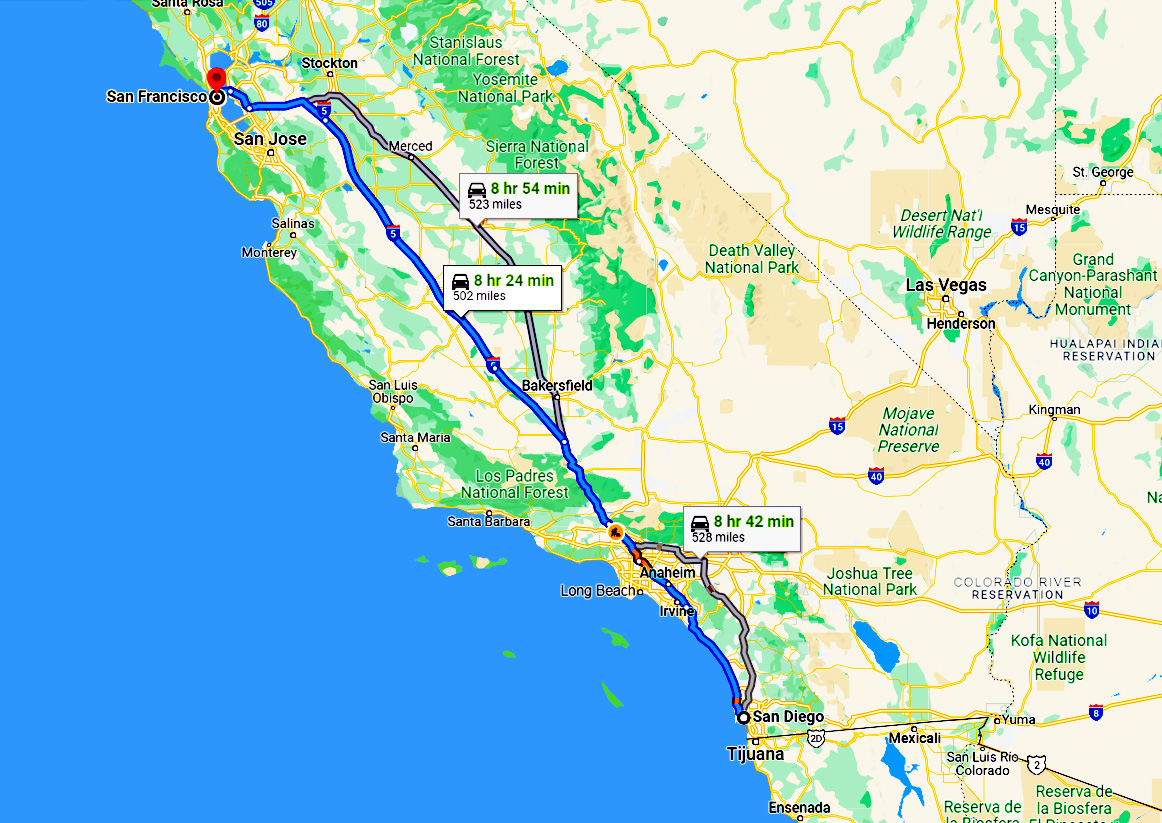
Understanding the distance and expected travel time is the first step in planning any trip. The journey between San Diego and San Francisco can vary significantly depending on your chosen mode of transport and the specific route you take. Generally, the two cities are separated by approximately 500 to 520 miles (800 to 837 kilometers). This substantial distance means a quick jaunt it is not, but rather an opportunity for a memorable adventure.
By Car: The Classic California Road Trip
For many, the quintessential way to traverse California is by car. It offers unparalleled flexibility, the freedom to explore at your own pace, and the chance to discover hidden gems along the way.
The most direct and fastest driving route between San Diego and San Francisco is predominantly via Interstate 5 (I-5). This freeway stretches through the heart of California’s agricultural Central Valley.
- Distance: Approximately 500 miles (805 km).
- Estimated Driving Time: Without significant stops, traffic, or detours, the journey typically takes 7.5 to 9 hours.
However, it’s crucial to account for real-world factors. Los Angeles traffic, particularly during peak hours, can add substantial delays. Weekend travel, especially during holidays, can also extend travel times considerably. Therefore, planning for at least 9-10 hours of actual travel time, including brief stops for gas, food, and stretching, is a more realistic estimate. For those seeking a slightly less direct but often more scenic inland route through parts of the Central Coast, US-101 offers a charming alternative. While it adds a bit of distance and time, it provides a different perspective of California’s diverse landscapes, winding through smaller towns and vineyards.
When embarking on a road trip, ensure your vehicle is in good condition, or consider renting from reputable agencies like National Car Rental, Hertz, Avis, Budget, or Enterprise. Don’t forget essentials like a GPS or a reliable navigation app, snacks, water, and an emergency kit.
Taking to the Skies: Fastest Way Between Cities
For travelers prioritizing speed and convenience, flying is undeniably the quickest option. Direct flights bridge the gap between San Diego’s San Diego International Airport (SAN) and San Francisco International Airport (SFO) in a matter of hours.
- Flight Duration: The actual flight time is typically around 1 hour and 30 minutes to 1 hour and 45 minutes.
- Total Travel Time: When factoring in check-in, security, boarding, taxiing, and travel to and from airports, the total door-to-door journey will likely be closer to 4-6 hours.
In addition to SFO, travelers to San Francisco also have the option of flying into Oakland International Airport (OAK) or San Jose Mineta International Airport (SJC), both of which are within a reasonable distance of the city and can sometimes offer more competitive fares or convenient flight times. While flying saves considerable time, it comes with the trade-offs of airport security procedures, baggage restrictions, and the often-higher cost compared to driving or bus travel. It is, however, the ideal choice for business travelers or those on a tight schedule.
Rail and Bus: Scenic and Sustainable Alternatives
For a more relaxed, environmentally conscious, or budget-friendly journey, both train and bus services offer viable alternatives to driving or flying.
Train Travel:
Amtrak provides a scenic way to travel through California. The journey often involves a transfer, typically in Los Angeles or Bakersfield.
- Route: You’d typically take the Amtrak Pacific Surfliner from San Diego to Los Angeles, then transfer to a long-distance service like the Coast Starlight or a bus connection to San Francisco.
- Travel Time: This can be a significantly longer journey, ranging from 12 to 16 hours, depending on transfers and specific routes.
- Experience: Amtrak offers comfortable seating, dining cars, and large windows to enjoy the passing landscapes, including stretches of the Pacific Ocean coastline. It’s a journey to be savored, not rushed.
Bus Services:
Numerous bus companies operate routes between San Diego and San Francisco, offering a cost-effective option.
- Providers: Major operators include Greyhound and FlixBus.
- Travel Time: Bus journeys typically take between 9 to 12 hours, depending on the number of stops and traffic conditions.
- Cost: Bus tickets are often the most economical choice, making them popular among budget travelers. While comfort might be less than a train, modern buses offer Wi-Fi and power outlets, allowing travelers to stay connected or entertained.
Beyond the Miles: Crafting Your Journey
The trip between San Diego and San Francisco doesn’t have to be merely about covering distance; it can be an integral part of your California adventure. By choosing a scenic route or planning strategic stopovers, you can transform a simple commute into an unforgettable road trip.
The Scenic Route: Exploring California’s Coastline
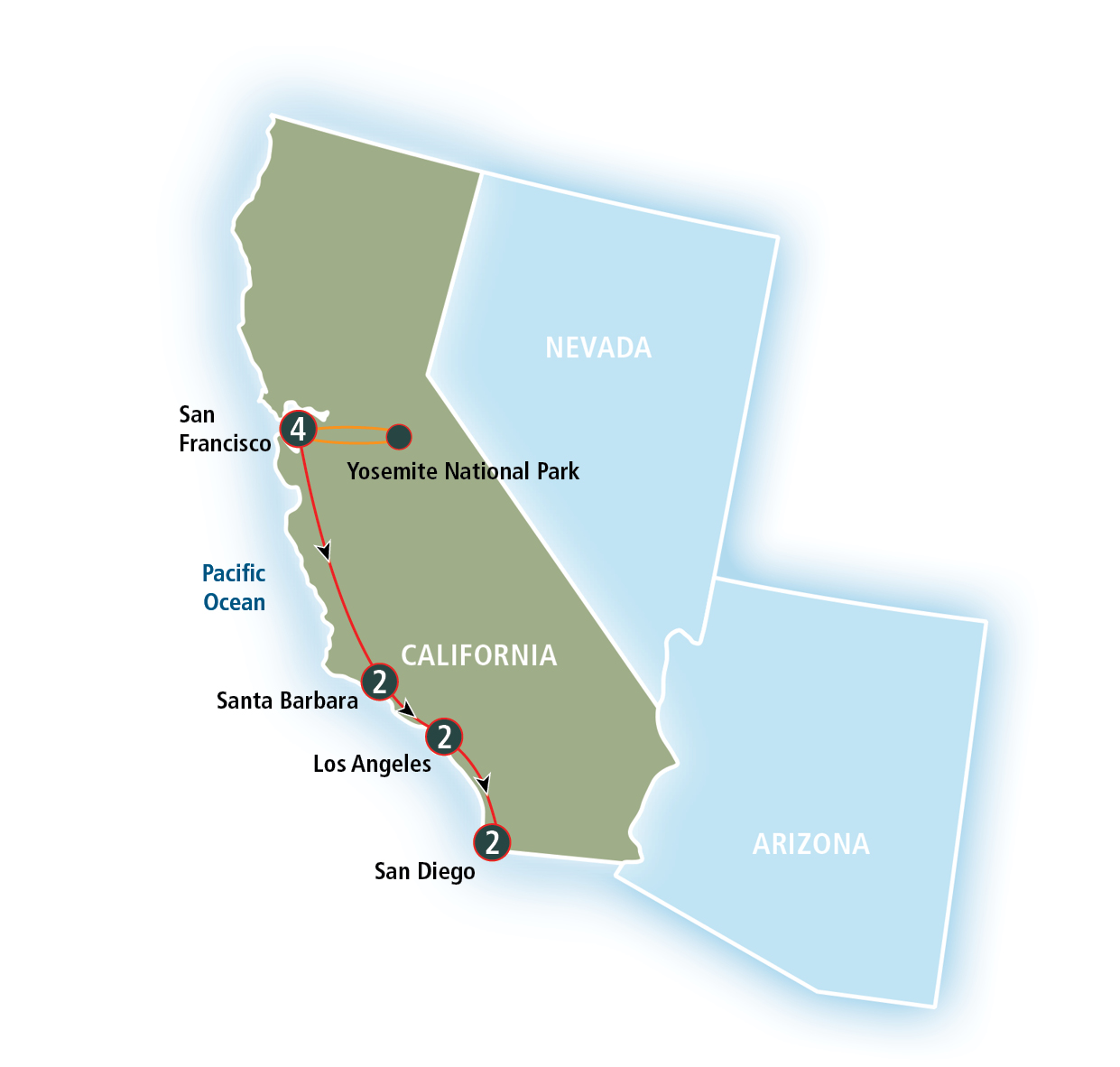
For those with ample time and a desire for breathtaking views, the coastal route is highly recommended. This typically involves portions of the legendary Pacific Coast Highway (Highway 1). While significantly longer and more demanding to drive, the rewards are immense.

- Route: Instead of hugging I-5, you would venture west from Los Angeles (or even earlier from San Diego) and follow Highway 1 north.
- Time Commitment: This route could easily turn into a 2-3 day journey with overnight stays, as the winding roads, numerous overlooks, and charming towns encourage frequent stops.
- Highlights:
- Santa Barbara: Known for its Spanish colonial architecture, stunning beaches, and vibrant downtown.
- Big Sur: A dramatic stretch of coastline where mountains plunge into the Pacific Ocean, offering some of the most iconic vistas in the US. Expect winding roads, cliffside views, and opportunities for hiking.
- Carmel-by-the-Sea and Monterey: Picturesque towns offering art galleries, historic missions, world-class golf courses, and the renowned Monterey Bay Aquarium.
- Other charming stops like Pismo Beach and Morro Bay offer classic California beach town vibes.
Driving Highway 1 requires careful planning, especially regarding road closures due to landslides, which can occur, particularly during rainy seasons. Always check current road conditions before setting out. This is a journey best experienced slowly, allowing time to absorb the natural beauty and local culture.
Essential Stopovers and Attractions
Even if you choose a more direct driving route via I-5 or US-101, incorporating a few well-chosen stopovers can break up the drive and enhance your trip.
- Los Angeles Area: As you pass through the sprawling metropolis, you could consider a brief detour to iconic spots like Hollywood for a photo op with the sign or a visit to Disneyland for a dose of magic (though Disneyland would warrant a full day itself). Even just a stop in Santa Monica or Venice Beach for lunch and a stroll along the pier can provide a refreshing break.
- Central Coast Gems: If taking US-101, consider visiting Hearst Castle, a historic landmark offering opulent tours (advance booking highly recommended). The wine regions around Paso Robles and San Luis Obispo are also excellent for a tasting and a meal.
- Family-Friendly Options: Many smaller towns along both routes offer parks, local eateries, and unique shops that can serve as pleasant pit stops, especially when traveling with children.
Planning Your Trip: Accommodation and Experience
Regardless of your chosen mode of transport, thinking about where you’ll stay and the kind of experience you want is crucial for a smooth and enjoyable journey.
Finding the Perfect Stay: Hotels and Resorts
Both San Diego and San Francisco boast a wide array of accommodation options to suit every taste and budget.
- In San Diego: Popular areas include the vibrant Gaslamp Quarter for nightlife and dining, the picturesque island of Coronado for upscale resorts and family-friendly beaches, or the coastal charm of La Jolla for luxury stays with ocean views.
- In San Francisco: Key districts include the bustling Union Square for shopping and theater, the lively Fisherman’s Wharf for tourist attractions and seafood, or the more residential yet charming neighborhoods like the Mission District for a taste of local culture.
Travelers can choose from luxury hotels from chains like Hyatt, Marriott, Hilton, or Fairmont to more budget-friendly motels, boutique guesthouses, or vacation rentals (apartments, villas) through platforms like Airbnb. Using booking sites like Booking.com, Expedia, or TripAdvisor allows for easy comparison of prices, amenities, and guest reviews. For longer stays, consider apartment-style accommodations that offer more space and kitchen facilities.
Tailoring Your Journey: Lifestyle and Budget
Your travel style and budget will significantly influence your choices for transportation, accommodation, and activities.
- Luxury Travel: If indulgence is your priority, consider flying business class, renting a luxury car for the scenic route, staying in five-star resorts like the Hotel del Coronado in San Diego or the Fairmont San Francisco, and enjoying gourmet dining and private tours.
- Budget Travel: For the cost-conscious, bus travel is often the cheapest, and staying in hostels, budget hotels, or utilizing camping sites along the route can keep expenses down. Exploring free attractions like beaches, parks, and walking tours can maximize your experience without breaking the bank.
- Family Trips: When traveling with family, comfort and convenience are key. Driving offers flexibility for stops and luggage, and family-friendly accommodations with pools and spacious rooms are ideal. Look for attractions like the San Diego Zoo or California Academy of Sciences in San Francisco that cater to all ages.
- Business Stays: For business travelers, proximity to airports or downtown business districts, reliable Wi-Fi, and executive amenities in hotels are paramount. Flying is typically the preferred mode, and hotels like the Hyatt Regency San Francisco Downtown SOMA offer great convenience.
Exploring the Destinations: San Diego and San Francisco
While the journey itself can be remarkable, the destinations offer a wealth of experiences. Both San Diego and San Francisco are vibrant cities with distinct personalities, offering a plethora of attractions, local culture, and culinary delights.
San Diego: Sunshine and Coastal Charm
Known as “America’s Finest City,” San Diego boasts a mild climate, stunning beaches, and a relaxed atmosphere.
- Landmarks and Attractions: Don’t miss Balboa Park, a sprawling urban cultural park home to museums, gardens, and the world-famous San Diego Zoo. The USS Midway Museum offers a fascinating look at naval history aboard an aircraft carrier. Explore the historic Gaslamp Quarter for nightlife and dining.
- Beaches: Relax at Coronado Beach, consistently ranked among the best in the US, or surf at the lively beaches of Pacific Beach and Ocean Beach.
- Food Scene: San Diego is celebrated for its Mexican food, particularly its fish tacos, as well as a burgeoning craft beer scene.
San Francisco: Iconic Hills and Innovation
San Francisco is a city of distinct neighborhoods, Victorian architecture, and breathtaking vistas, all set against the backdrop of technological innovation.
- Landmarks and Attractions: The iconic Golden Gate Bridge is a must-see, whether you bike across it or admire it from afar. Take a ferry to Alcatraz Island for a historic prison tour (book well in advance). Ride a historic cable car, navigate the crooked curves of Lombard Street, and explore the bustling Fisherman’s Wharf.
- Neighborhoods: Wander through the vibrant streets of Chinatown, one of the oldest and most established Chinatowns in North America, or soak in the bohemian atmosphere of the Mission District, known for its colorful murals and diverse culinary scene.
- Food Scene: From Michelin-starred restaurants to diverse ethnic eateries, San Francisco offers a world-class dining experience. Don’t leave without trying the sourdough bread and clam chowder.
Final Considerations for Your California Adventure
As you finalize your plans, keep a few additional considerations in mind to ensure a seamless California adventure.
- Best Time to Travel: California enjoys pleasant weather year-round, but spring (April-May) and fall (September-October) often offer the most comfortable temperatures and fewer crowds. Summer can be busy, especially in popular coastal areas, and bring “June gloom” to Southern California or fog to San Francisco.
- Packing Essentials: Layers are key, especially in San Francisco where the weather can change quickly. Comfortable walking shoes are a must for both cities. Don’t forget sunscreen and sunglasses for San Diego’s abundant sunshine.
- Transportation Within Cities: Both San Diego and San Francisco have public transportation systems, but San Francisco’s is more robust with its BART, MUNI, and iconic cable cars. In San Diego, while public transport exists, many visitors find a car more convenient for exploring sprawling attractions. Ride-sharing services are readily available in both cities.
The distance from San Diego, California to San Francisco, California is significant, but it’s a journey rich with possibilities. Whether you opt for the efficiency of a flight, the freedom of a road trip, or the leisurely pace of rail, the path between these two great cities is an integral part of the vibrant California experience. Plan thoughtfully, embrace the adventure, and prepare to be captivated by the diverse beauty and culture of the Golden State.