
Embarking on a journey across California, from the iconic hills of San Francisco to the sun-drenched shores of San Diego, offers an unparalleled experience of the United States’ diverse landscapes and vibrant city life. This comprehensive guide delves into the distance between these two major metropolitan areas, exploring various travel options, scenic routes, essential stops, and accommodation tips to help you plan an unforgettable California adventure. Whether you’re a seasoned road-tripper, a luxury traveler, or seeking a budget-friendly escape, understanding the logistics and possibilities will enhance your trip.
Understanding the Distance and Travel Time
The distance between San Francisco and San Diego varies slightly depending on the exact route taken, but generally, it spans approximately 500 to 520 miles (800 to 837 kilometers). This significant distance means planning your travel method and itinerary is crucial for a smooth and enjoyable experience. The time it takes to traverse this stretch of California can range from just over an hour by plane to an entire day (or several days, if you’re exploring) by car, train, or bus.
The Direct Drive: I-5
The quickest driving route is primarily via Interstate 5 (I-5). This inland freeway is the most direct path, bypassing much of the coastal scenery but offering efficiency. The journey typically takes between 7.5 to 9 hours of pure driving time, not accounting for stops for fuel, food, or rest. When considering traffic, especially around major urban centers like Los Angeles, this duration can easily extend by several hours. For those on a tight schedule or business travelers needing to get from point A to point B without much detouring, I-5 is the pragmatic choice. While less scenic than its coastal counterpart, it still offers glimpses of California’s agricultural heartland and vast open spaces.
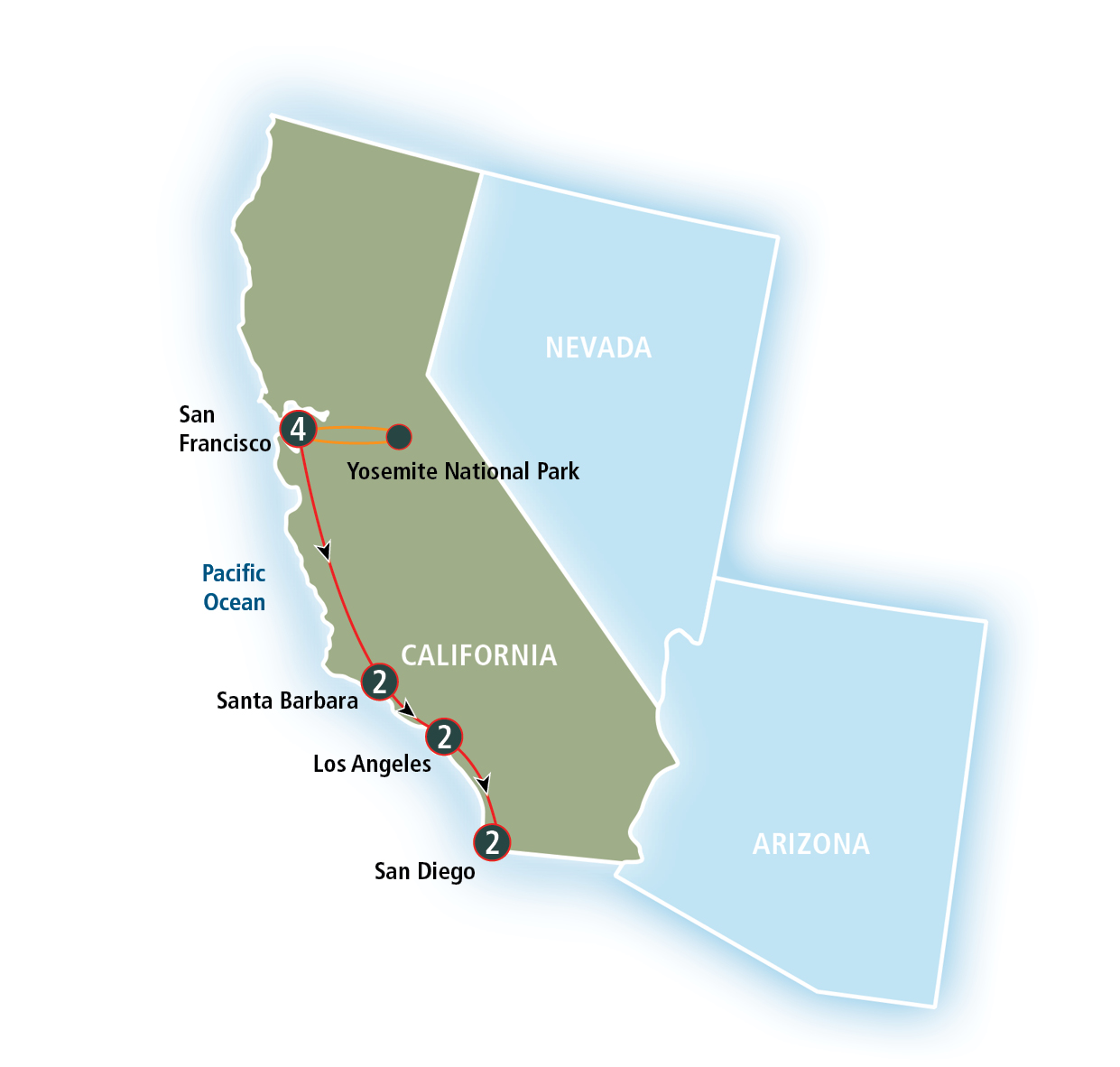
The Scenic Route: Highway 1 / Pacific Coast Highway
For travelers seeking an experience rather than just a destination, the Pacific Coast Highway, specifically Highway 1, is the quintessential California road trip. This route is considerably longer, stretching over 600 miles (965 kilometers) and demanding at least 10-12 hours of driving, often much more if you factor in the numerous photo opportunities, charming towns, and breathtaking viewpoints. It’s not uncommon for travelers to break this journey into a 2-3 day itinerary, allowing ample time to soak in the beauty of Big Sur, Carmel-by-the-Sea, Monterey, and Santa Barbara. This route is a highlight for those who prioritize the journey itself, offering dramatic cliffside views, pristine beaches, and picturesque coastal communities.
Exploring Your Travel Options: A Journey Down California
Beyond driving, several other modes of transport connect San Francisco and San Diego, each catering to different preferences and budgets.
Taking to the Skies: Flying Between Cities
Flying is by far the fastest way to travel between San Francisco and San Diego. Direct flights typically last around 1 hour and 20 minutes to 1 hour and 30 minutes. When factoring in travel to and from airports, security checks, and boarding, the total door-to-door time might be around 4-5 hours. Major airlines like Southwest Airlines, Alaska Airlines, and United Airlines offer frequent services between San Francisco International Airport (SFO), Oakland International Airport (OAK), or San Jose International Airport (SJC) and San Diego International Airport (SAN). For business travelers or those with limited time, flying is the most efficient choice, often comparable in price to a long drive when considering fuel costs, potential car rental, and wear and tear.
The Scenic Route: Train and Bus Options
For a more relaxed and environmentally conscious journey, both train and bus services are available.
- Train: Amtrak offers routes connecting San Francisco and San Diego, though typically with transfers. The journey is considerably longer than driving, often taking 12-14 hours or more, including transfers, primarily via the Coast Starlight and Pacific Surfliner lines. While slower, the train provides a unique experience, allowing passengers to relax, enjoy the passing scenery (especially along portions of the coast), and avoid the stresses of driving. It’s a fantastic option for those who enjoy slow travel, reading, or simply watching the world go by.
- Bus: Several bus companies, including Greyhound and FlixBus, operate routes between the two cities. Bus travel is generally the most budget-friendly option, with journey times similar to or slightly longer than driving on I-5, ranging from 9 to 12 hours, depending on the number of stops and transfers. While less luxurious, it’s a practical choice for budget travelers or those without access to a car, providing a straightforward connection between downtown areas.
Beyond the Drive: Must-See Stops and Destinations
A trip between San Francisco and San Diego offers a plethora of attractions, whether you’re making quick stops on I-5 or embarking on a multi-day coastal exploration.
Iconic San Francisco Landmarks and Activities
Before departing San Francisco, immerse yourself in its distinctive charm. Visit the majestic Golden Gate Bridge, take a ferry to Alcatraz Island for a fascinating historical tour, and explore the bustling energy of Fisherman’s Wharf. Ride a cable car through the city’s hilly streets, discover the vibrant culture of Chinatown, and savor gourmet delights in neighborhoods like North Beach. For art and nature lovers, Golden Gate Park offers museums and lush gardens. From luxury shopping to unique culinary experiences, San Francisco provides a robust starting point for any California adventure.
San Diego Delights: Beaches, Culture, and Culinary Gems
Upon arrival in San Diego, you’ll be greeted by a relaxed, sunny atmosphere. Explore the sprawling Balboa Park, home to the world-renowned San Diego Zoo, numerous museums, and beautiful gardens. Wander through the historic Gaslamp Quarter for vibrant nightlife and diverse dining, or stroll through the charming streets of Little Italy. San Diego’s beaches, from the lively shores of Mission Bay to the picturesque cliffs of La Jolla, offer opportunities for surfing, sunbathing, and whale watching. The city’s proximity to Tijuana, Mexico, also provides a unique cross-cultural experience for adventurous travelers. Family travelers might consider a day trip to Legoland California in nearby Carlsbad.
Coastal Gems and Inland Wonders Along the Way
If you choose the scenic Highway 1, plan stops at:
- Santa Cruz: Known for its boardwalk and surf culture.
- Monterey: Home to the famous Monterey Bay Aquarium and historic Cannery Row.
- Carmel-by-the-Sea: A charming village with art galleries, boutiques, and a stunning beach.
- Big Sur: Experience dramatic coastal cliffs, redwood forests, and iconic viewpoints. This section is often considered the highlight of the Pacific Coast Highway.
- Hearst Castle: A historic estate offering tours of its opulent grounds and architecture.
- San Luis Obispo: A vibrant college town with a laid-back atmosphere.
- Santa Barbara: Known as the “American Riviera” for its Spanish colonial architecture, palm-lined beaches, and upscale boutiques.
- Los Angeles: While a detour, many travelers incorporate a stop in LA to explore Hollywood, Santa Monica, or its renowned theme parks.
Even on the I-5 route, you can find hidden gems. Consider a stop in Buttonwillow for a classic diner experience or explore the farming communities of the Central Valley to understand California’s agricultural backbone. For a more direct inland detour, you could visit Paso Robles, a burgeoning wine region, or even the state capital, Sacramento, though these would add significant time.
Making the Most of Your Stay: Accommodation and Experiences
Whether your journey is quick and direct or a meandering adventure, suitable accommodation is paramount. Both San Francisco and San Diego offer a vast array of options, catering to every style of traveler and budget.
Choosing Your Perfect Accommodation
- Luxury & Resorts: In San Francisco, opulent choices include the Fairmont San Francisco or The Ritz-Carlton, San Francisco, offering unparalleled service and views. San Diego boasts magnificent resorts like the Hotel del Coronado or the Manchester Grand Hyatt San Diego, known for their beachfront access, lavish amenities, and family-friendly facilities. Many luxury hotels provide concierge services to arrange local tours, fine dining reservations, and personalized experiences, enhancing your overall tourism experience.
- Boutique & Mid-Range Hotels: Both cities are rich with boutique hotels that offer unique character and personalized service. Mid-range options provide comfortable stays with excellent amenities without breaking the bank, often found in popular tourist areas, ensuring easy access to landmarks and attractions. Websites for booking, reviews, and comparison are invaluable here.
- Budget-Friendly Options: For travelers on a tighter budget, hostels, extended-stay apartments, and motels provide clean and comfortable stays. Consider areas slightly outside the main tourist hubs for better deals, often with good public transport links.
- Unique Stays: For long-term stays or family trips, consider booking vacation rentals or serviced apartments, offering more space, kitchen facilities, and a homely feel. Villas and unique lodgings can also be found for a more immersive local culture experience.
Booking in advance, especially during peak travel seasons, is always recommended to secure the best rates and availability. Utilizing online comparison sites and reading recent reviews will guide you toward the perfect choice for your travel lifestyle, whether it’s a family trip, a business stay, or a romantic getaway.
Planning Your California Adventure
Regardless of how far San Diego is from San Francisco, the journey itself is part of the destination. Careful planning ensures a seamless and memorable experience, tailored to your interests.
Crafting a Memorable Itinerary
- Determine Your Travel Style and Budget: Are you seeking a fast-paced business trip, a luxurious coastal escape, a budget-conscious adventure, or a fun-filled family trip? Your travel style will dictate your mode of transport, accommodation choices, and activities.
- Choose Your Route: Decide between the efficient I-5 or the scenic Highway 1. If time allows, splitting the journey and experiencing both parts of California (inland agricultural landscapes and dramatic coastlines) can be incredibly rewarding.
- Allocate Time for Stops: If driving, don’t underestimate the time needed for breaks. If exploring Highway 1, plan for at least two to three days to truly appreciate the sights.
- Book in Advance: Especially for flights, popular hotels, and major attractions like Alcatraz Island or the San Diego Zoo, booking ahead can save money and prevent disappointment.
- Consider Local Tourism and Activities: Research local events, festivals, and unique experiences in both cities. From culinary tours in San Francisco’s Chinatown to craft beer tastings in San Diego’s Gaslamp Quarter, local culture adds depth to your travel.
- Pack Smart: California’s weather can vary, even between the north and south. Layers are always a good idea, especially in San Francisco where fog can roll in unexpectedly. Don’t forget sunscreen and comfortable walking shoes!
Whether you’re drawn by the cultural vibrancy of San Francisco or the laid-back charm of San Diego, the journey connecting these two iconic California cities is rich with possibilities. From high-speed flights to leisurely scenic drives, every mile traveled unveils a new facet of this incredible state. By considering the distance, travel options, and abundant attractions, you can craft a personalized itinerary that aligns perfectly with your travel aspirations and ensures a memorable exploration of the Golden State.