
For countless travelers dreaming of a quintessential California escape, the journey from the vibrant urban landscape of San Francisco to the picturesque vineyards of Napa Valley represents the perfect blend of city exploration and indulgent relaxation. Often lauded as one of the world’s premier wine regions, Napa Valley beckons with its rolling hills, gourmet dining, and world-class wineries. But before you can sip a delicate Cabernet Sauvignon or savor a farm-to-table meal, a crucial question arises: “How far is San Francisco to Napa Valley?”
The answer, while straightforward in terms of mileage, unfolds into a rich tapestry of travel options, scenic routes, and strategic planning, all of which contribute to the overall experience. This guide will delve into the distances, travel times, various transportation methods, and essential tips to help you seamlessly transition from the Golden Gate City to the heart of Wine Country, ensuring your trip is as smooth as a fine vintage.

The Journey Unveiled: Distance and Travel Time
Understanding the logistics of the trip is the first step in planning your perfect getaway. The distance between San Francisco and Napa Valley is manageable, making it an ideal destination for a day trip, a weekend escape, or an extended stay. However, the actual travel time can vary significantly based on your chosen mode of transport, the specific destination within Napa Valley, and, crucially, the notorious Bay Area traffic.
By Car: The Most Popular Route
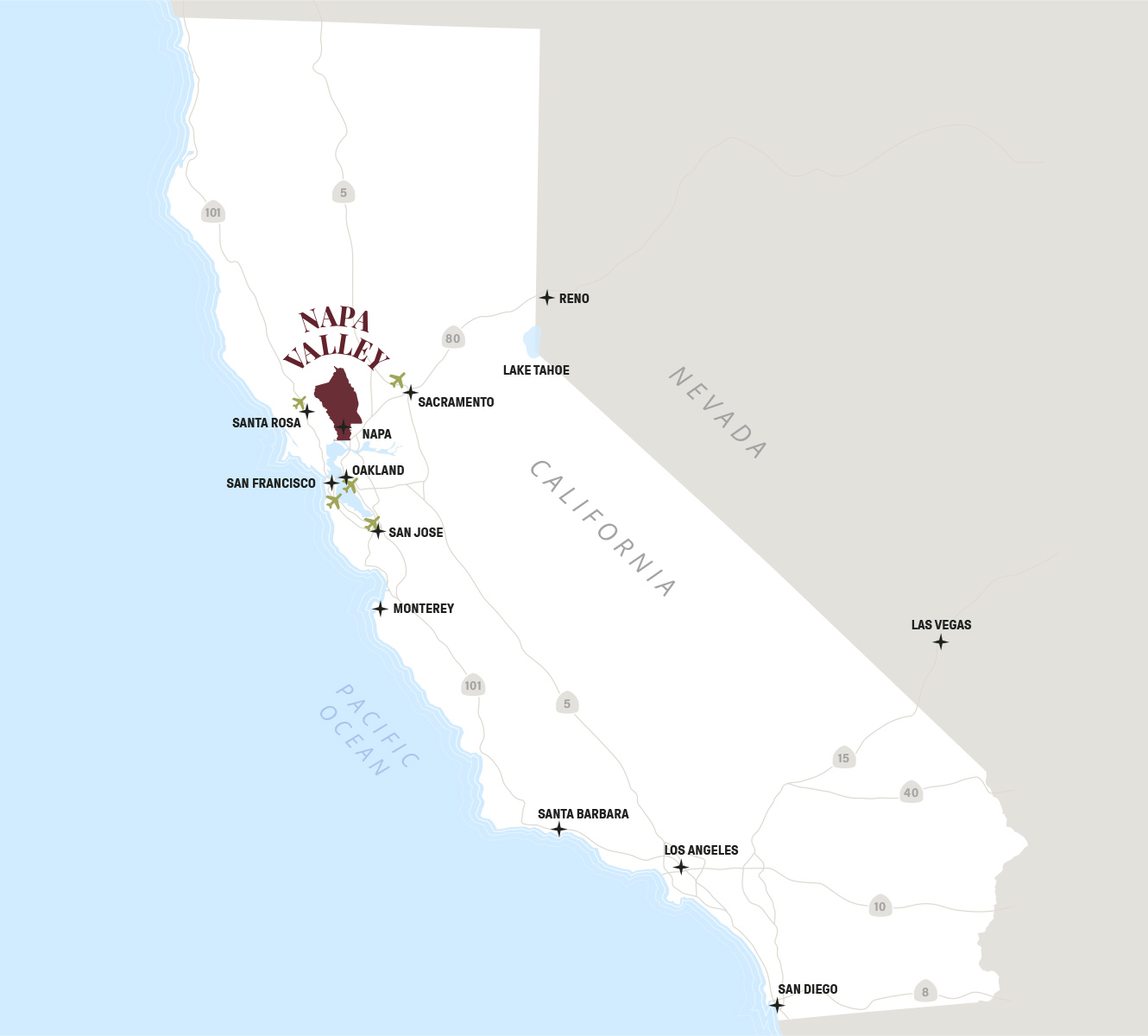
For most visitors, driving offers the greatest flexibility and is the most common way to reach Napa Valley. The journey typically covers a distance of approximately 50 to 70 miles (80 to 113 kilometers), depending on your starting point in San Francisco and your specific destination within the valley (e.g., the city of Napa, Yountville, St. Helena, or Calistoga).
Under ideal conditions, meaning no significant traffic delays, the drive can take anywhere from 1 hour to 1 hour and 30 minutes. However, the reality of Bay Area commuting often means longer travel times, especially during peak hours on weekdays (morning and late afternoon commutes) or during popular weekend periods. It’s not uncommon for the drive to stretch to 2 hours or even 2.5 hours if you hit heavy congestion around the bridges or major freeway interchanges.
Primary Routes:
- Highway 101 North: This is often considered the most scenic route. You’ll cross the iconic Golden Gate Bridge (note: there’s a toll when heading south into San Francisco), drive through Marin County, and then connect to Highway 37 East towards Vallejo, eventually merging onto Highway 29 North, which runs directly through the heart of Napa Valley. This route offers stunning views of the Bay and picturesque landscapes.
- Interstate 80 East: This route involves crossing the Bay Bridge (toll when heading east) into the East Bay, continuing towards Vallejo, and then taking Highway 37 West to connect with Highway 29 North. While generally a bit less scenic than the Highway 101 option, it can sometimes be a quicker alternative, depending on traffic patterns.
Tips for Driving:
- Check traffic: Always consult real-time traffic apps (Google Maps, Waze) before departing, especially on Fridays, weekend mornings, and holiday periods.
- Tolls: Be aware of bridge tolls. Consider getting a FasTrak transponder if you’ll be driving frequently in the Bay Area or use a credit card for one-time payments online.
- Designated Driver: If wine tasting is on your agenda, ensure you have a designated driver or plan to use ride-sharing services or taxis once you arrive in Napa Valley. Safety is paramount.
Alternative Transportation Options
While driving provides unparalleled freedom, other transportation options cater to different preferences, budgets, and group sizes.
- Public Transportation: This option is less direct and more time-consuming but can be cost-effective for budget-conscious travelers. It typically involves taking BART (Bay Area Rapid Transit) from San Francisco to a station in the East Bay, such as the Vallejo Ferry Terminal, and then connecting to a Napa Valley bus service like Vine Transit. The total travel time can be 2.5 to 3.5 hours or more, with multiple transfers. It requires careful planning and is not ideal if you have a tight schedule or a lot of luggage.
- Shuttle Services: Several companies offer shared-ride or private shuttle services directly from San Francisco to Napa Valley. These are excellent for those who prefer not to drive, want door-to-door service, and don’t mind sharing the ride with other passengers. Private shuttles offer more flexibility but come at a higher cost. These services often take around 1.5 to 2 hours, depending on the number of stops.
- Guided Tours: For a completely hassle-free experience, consider joining an organized day tour from San Francisco. These tours typically include transportation to and from Napa Valley, visits to several wineries, and often a lunch stop or other activities. While less flexible than driving yourself, tours eliminate the need for navigation, parking, and finding a designated driver, allowing you to fully immerse yourself in the experience. They usually run for 8 to 10 hours in total, including travel.
- Ride-Sharing Services/Taxis: While possible, a one-way Uber or Lyft ride from San Francisco to Napa Valley can be quite expensive, easily exceeding $100-$200, depending on surge pricing and vehicle type. These are best reserved for short distances within Napa Valley once you’ve arrived, especially for moving between wineries.
Planning Your Napa Valley Escape from San Francisco
Once you’ve determined how you’ll get there, the next step is to plan your visit to maximize your enjoyment of this renowned destination. Aligning your travel plans with the website’s core themes of Travel, Tourism, Accommodation, and Lifestyle is key to a fulfilling trip.
When to Visit: Seasonal Considerations
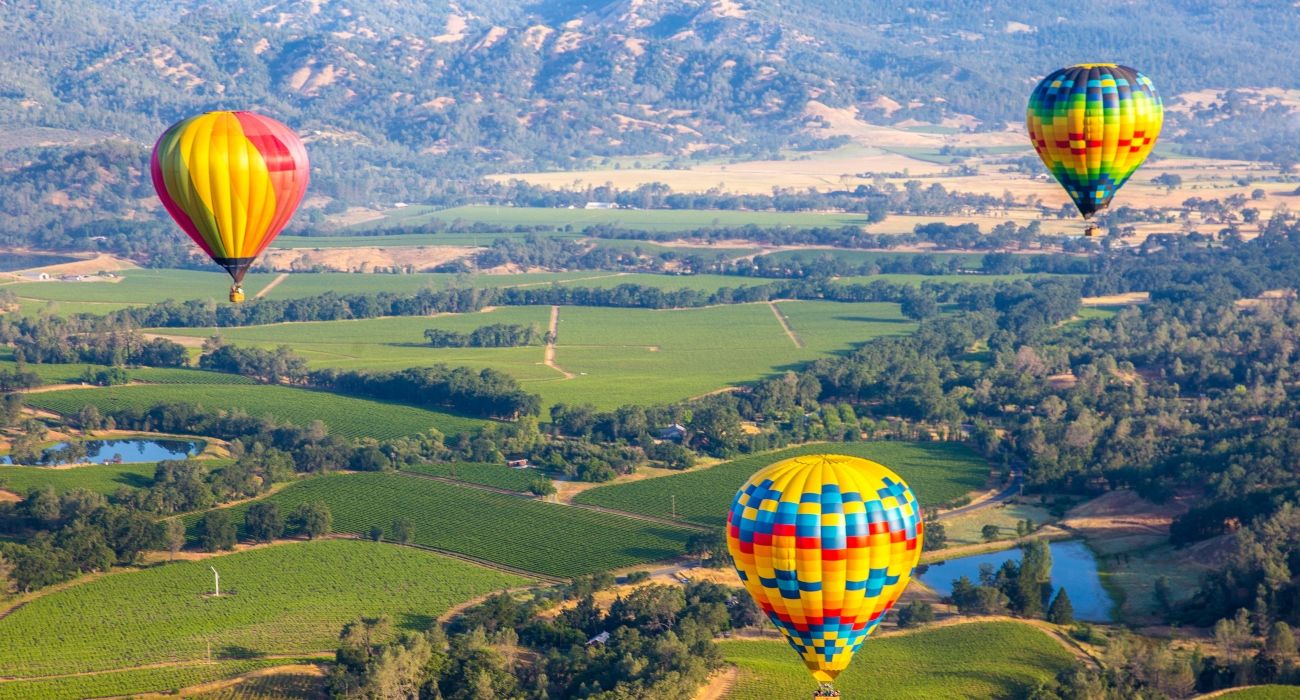
Napa Valley offers distinct charms throughout the year, each season providing a unique atmosphere and set of experiences.
- Spring (March-May): The vineyards burst into vibrant green, mustard flowers carpet the valley floor, and the weather is generally mild and pleasant. It’s a beautiful time for cycling and outdoor activities before the summer heat. Crowds are moderate, making reservations somewhat easier.
- Summer (June-August): Warm, sunny days are the norm, perfect for enjoying outdoor patios and events. This is peak tourist season, so expect larger crowds and higher prices for accommodations and tours. Booking well in advance is essential.
- Fall (September-November): Often considered the most magical time, this is harvest season. The air is alive with the scent of fermenting grapes, and the vineyards are ablaze with autumnal colors. It’s also the busiest and most expensive time to visit, with many events and festivals. Book everything months in advance.
- Winter (December-February): The “off-season” offers a quieter, more intimate experience. While some tasting rooms may have reduced hours, you’ll find fewer crowds, more personalized attention, and often better deals on hotels. The weather can be cool and rainy, but many days are crisp and clear, perfect for cozying up by a fireplace with a glass of wine.
Accommodation: Where to Stay in Napa Valley
Napa Valley boasts an impressive array of accommodation options, catering to every style and budget, from luxurious resorts to charming boutique hotels and private vacation rentals. Your choice will significantly influence your experience and overall “Lifestyle” aspect of your trip.
- Luxury Resorts: For those seeking an opulent escape, Napa Valley is home to world-renowned resorts. Think properties like Meadowood Napa Valley in St. Helena with its Michelin-starred dining and golf course, or the eco-chic Bardessono Hotel & Spa in Yountville, famous for its minimalist design and spa treatments. These offer unparalleled amenities, service, and often vineyard views.
- Boutique Hotels: Smaller, independently owned hotels provide a more intimate and personalized experience. The Hotel Yountville or Harvest Inn in St. Helena are excellent examples, often featuring unique design, locally sourced amenities, and a strong sense of place.
- Mid-Range & Budget-Friendly: While Napa Valley can be expensive, more moderately priced options can be found, especially in the city of Napa or just outside the main valley in towns like American Canyon or Fairfield. These often include well-known hotel chains offering comfortable stays without the premium price tag.
- Vacation Rentals: For families, groups, or those desiring a longer stay with kitchen facilities, private villas, apartments, or charming cottages found on platforms like Airbnb or VRBO are excellent choices. This option allows for a more “local culture” experience and can be cost-effective for larger parties.
Location, Location, Location:
- Napa City: Convenient and central, with easy access to restaurants, tasting rooms, and the Napa Riverfront. Good base for exploring the entire valley.
- Yountville: Known as a culinary mecca, home to several Michelin-starred restaurants. Ideal for foodies and those seeking a refined, walkable village experience.
- St. Helena: Offers a charming main street with boutiques, galleries, and a mix of historic wineries. A more laid-back, upscale feel.
- Calistoga: Famous for its hot springs, mud baths, and wellness retreats. Located at the northern end of the valley, it offers a distinct, rustic charm and unique spa experiences.
Always book your accommodation well in advance, especially during peak season, to secure your preferred choice and potentially better rates.
Crafting Your Itinerary: Beyond Wine Tasting
While wine is undoubtedly the star of Napa Valley, the region offers a wealth of “Attractions” and “Activities” that extend far beyond the tasting room, enriching your “Tourism” experience.
- Wine Tasting Experiences: This is a must. From grand estates like Castello di Amorosa or Opus One Winery to intimate, family-run vineyards, there’s a style for every palate. Many wineries require reservations, especially for seated tastings or tours, so plan ahead. Consider a wine education class or a food and wine pairing experience.
- Culinary Delights: Napa Valley is a gastronomic paradise. Yountville alone is home to legendary restaurants like The French Laundry (reservations essential, months in advance) and Bouchon Bistro. Explore farm-to-table restaurants, gourmet markets, and artisan food shops throughout the valley. Don’t miss a stop at the Oxbow Public Market in Napa for diverse local eats.
- Outdoor Adventures: Experience the valley from a different perspective. Take an exhilarating hot air balloon ride at sunrise for breathtaking panoramic views of the vineyards. Cycle along scenic country roads, rent kayaks on the Napa River, or hike trails in nearby state parks like Bothe-Napa Valley State Park.
- Wellness and Relaxation: Indulge in the famous mud baths and natural hot springs of Calistoga. Many resorts and spas offer a full range of treatments, from massages to facials, providing a perfect counterpoint to wine tasting.
- Art and Culture: Discover local art galleries, stroll through charming town centers, or visit the Napa Valley Museum to learn about the region’s history and winemaking heritage.
Making the Most of Your Napa Valley Experience
To ensure your journey from San Francisco to Napa Valley and your time within the valley is truly unforgettable, consider these practical “Tips” and “Experiences.”
Essential Tips for Travelers
- Make Reservations: This cannot be stressed enough. For popular wineries, top restaurants, hot air balloon rides, and sought-after accommodations, booking well in advance (weeks to months, especially during peak season) is crucial. Spontaneity is charming, but in Napa Valley, planning yields rewards.
- Transportation Within Napa: If you’re driving, have a designated driver. Otherwise, rely on ride-sharing services, taxis, or hired drivers for getting between wineries. The distances can be significant, and you’ll want to avoid driving after tastings. Many tour operators also offer dedicated transportation within the valley.
- Pace Yourself: Don’t try to cram too many winery visits into one day. Three to four tastings are usually a good maximum to truly appreciate each experience without feeling rushed or overwhelmed. Build in time for meals, relaxation, and exploring the charming towns.
- Stay Hydrated: Drink plenty of water between wine tastings. Many wineries offer water, but it’s wise to carry your own reusable bottle.
- Dress Comfortably and Smartly: While Napa Valley has a relaxed atmosphere, a smart-casual dress code is generally appropriate, especially for dinner. Comfortable shoes are a must for walking through vineyards or exploring towns. Layers are advisable, as temperatures can vary throughout the day.
- Consider a Wine Pass: For those planning multiple tastings, a Napa Valley Wine Pass or similar program can offer discounts and complimentary tastings at participating wineries.
Combining Napa with San Francisco Exploration
The proximity of Napa Valley to San Francisco makes it an ideal complement to a broader Northern California itinerary. Many visitors choose to spend a few days exploring San Francisco’s iconic “Landmarks” and vibrant neighborhoods before heading north.
- Multi-Day Itinerary: Consider a multi-day trip. Spend 2-3 days immersing yourself in San Francisco’s culture, then drive or shuttle to Napa Valley for another 2-3 days of wine, food, and relaxation. This allows you to unpack, unwind, and fully appreciate both distinct experiences.
- Contrasting Landscapes: The contrast between San Francisco’s bustling city life, with its Victorian houses and cable cars, and Napa Valley’s serene vineyards and rolling hills, offers a truly diverse “Travel” experience.
- Beyond Napa: If time permits, extend your Wine Country adventure to include neighboring Sonoma Valley, known for its more laid-back atmosphere and diverse wines. You could also visit the majestic redwood forests of Muir Woods National Monument on your way back to San Francisco or as a separate day trip from the city.
In conclusion, the distance from San Francisco to Napa Valley is easily navigable, typically ranging from 50 to 70 miles and taking 1 to 2.5 hours by car. With careful planning regarding transportation, timing, and accommodation, your journey from the bustling city to the tranquil Wine Country will be a highlight of your California adventure. Whether you’re a connoisseur of fine wines, a gourmet food enthusiast, or simply seeking a luxurious escape amidst breathtaking scenery, Napa Valley offers an unparalleled experience that is well worth the short and picturesque trip from San Francisco.