
Embarking on a journey across California is an experience many travelers dream of, a vibrant tapestry of diverse landscapes, iconic cities, and unforgettable adventures. One of the most frequently asked questions for those planning a Golden State escapade is about the distance and travel between its northern and southern crowns: San Francisco and San Diego. More than just a simple query about miles, it’s an invitation to explore the myriad ways to traverse this magnificent stretch, from exhilarating road trips along breathtaking coastlines to swift aerial commutes and leisurely train rides. This comprehensive guide will not only answer the fundamental question of “how far” but will also delve into the rich travel possibilities, accommodation options, cultural landmarks, and lifestyle experiences that define this quintessential California journey.
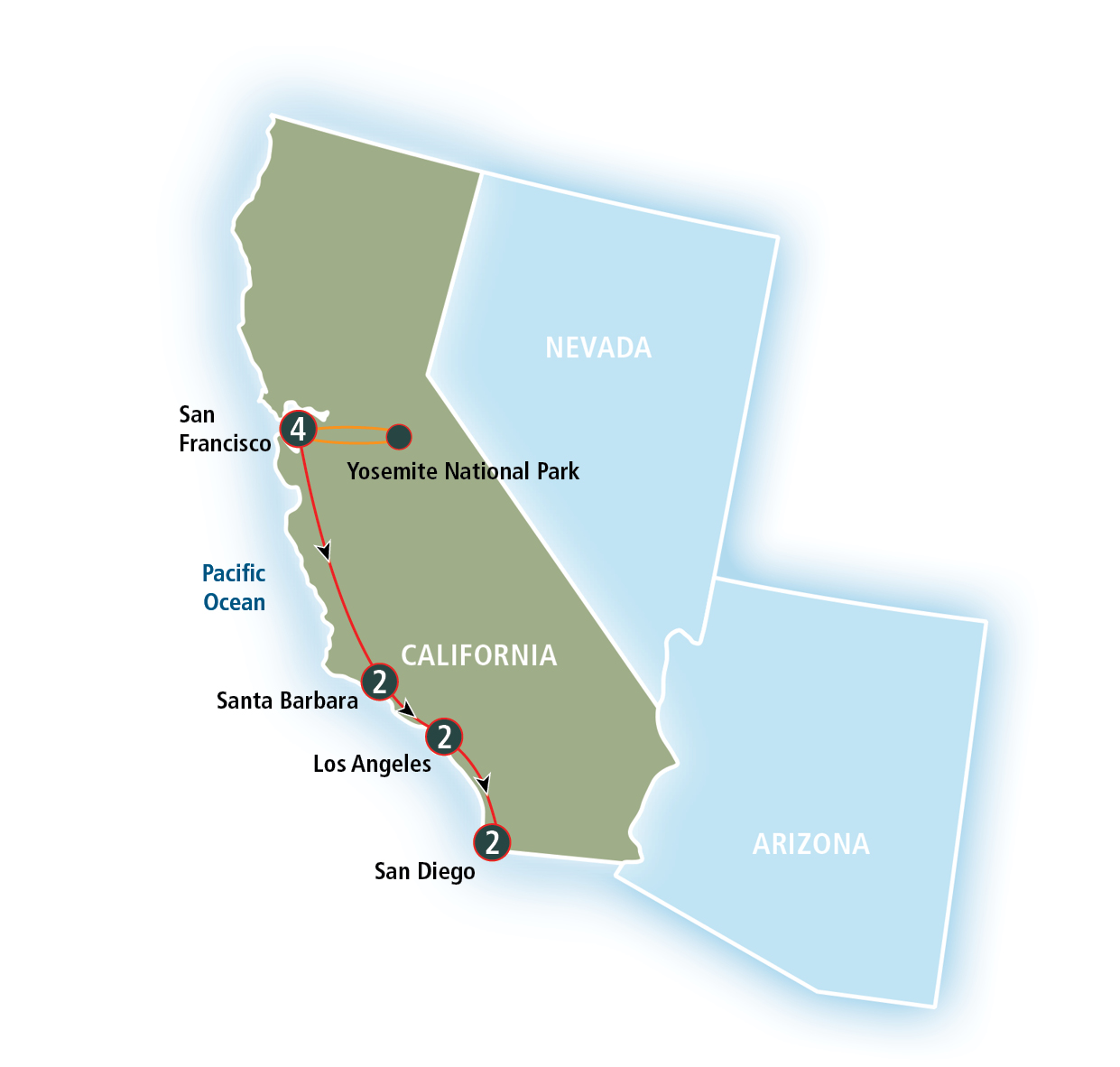
Whether you’re a luxury traveler seeking opulent resorts, a budget-conscious backpacker looking for affordable stays, a family planning an epic adventure, or a business traveler needing efficient transit, the route between San Francisco and San Diego offers something for everyone. From the rolling fog and Victorian charm of San Francisco to the sun-kissed beaches and vibrant culture of San Diego, the journey itself is as much a destination as the cities themselves. Prepare to uncover the distances, travel times, recommended routes, and invaluable tips to make your California journey an absolute masterpiece.
The Distance and Travel Time: A Quick Overview
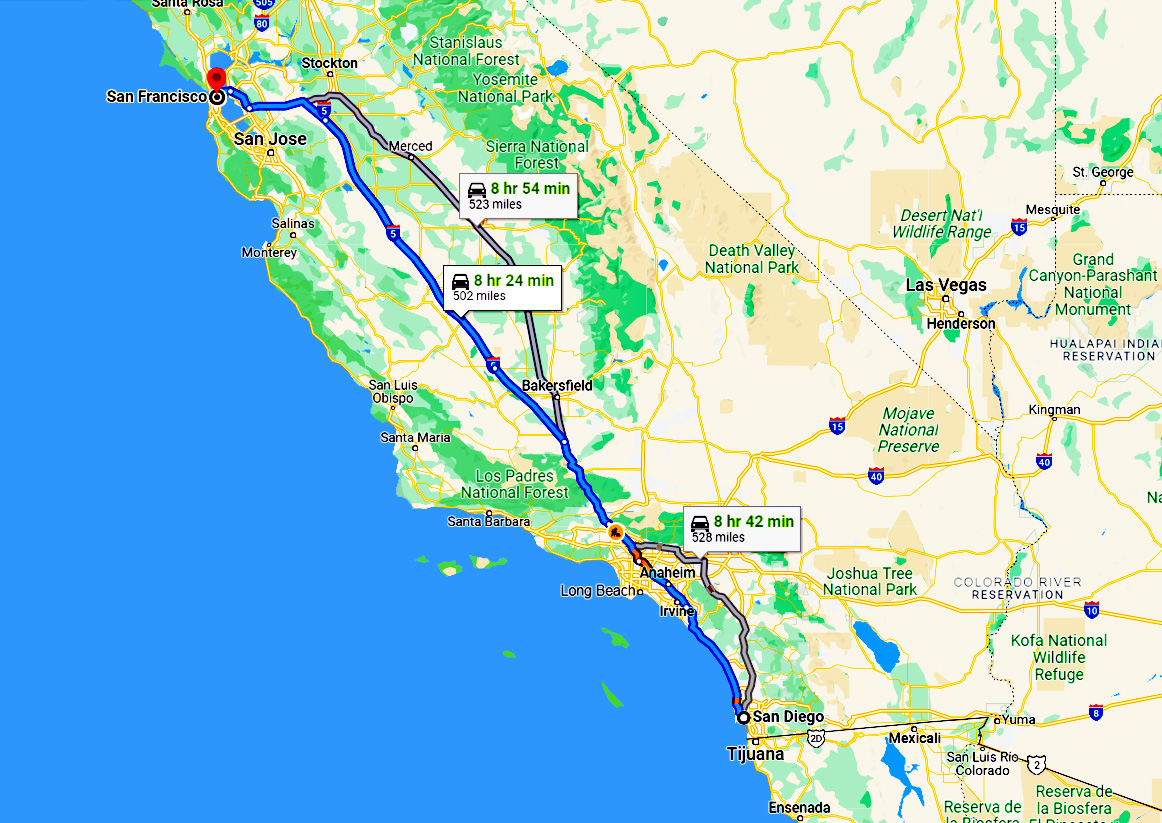
At its core, the distance between San Francisco and San Diego spans approximately 500 miles (800 kilometers) to 520 miles (837 kilometers), depending on the exact starting and ending points within each metropolitan area and the specific route taken. This substantial length makes it a significant undertaking, one that can be accomplished in various ways, each offering a distinct experience. Understanding these options is the first step in planning your perfect California adventure.
By Road: The Classic California Road Trip
The most popular and arguably most rewarding way to travel between San Francisco and San Diego is by car. Driving offers unparalleled flexibility, allowing travelers to soak in the diverse landscapes and make impromptu stops at captivating attractions along the way. Without factoring in significant stops, the drive time typically ranges from 7 to 9 hours via the fastest route, Interstate 5 (I-5). However, opting for the more scenic coastal routes can extend this considerably, often turning it into a two-day or even multi-day excursion.
For instance, the journey along I-5 is a relatively straightforward drive, primarily through inland agricultural areas and the expansive Central Valley. While efficient, it lacks the dramatic scenery of the coast. For those seeking efficiency, driving straight through in one day is feasible, but for a more leisurely pace or to break up the journey, an overnight stay in a central location like Los Angeles or Santa Barbara is highly recommended. Renting a car is straightforward in both cities, with a wide array of options from economy sedans to luxury convertibles, catering to every budget and travel style. Many travelers enjoy the freedom of having their own vehicle to explore not just the main cities but also the charming towns and natural wonders in between.
Flying: The Fastest Way
For travelers prioritizing speed and convenience, flying is undoubtedly the quickest option. Both San Francisco International Airport (SFO) and San Diego International Airport (SAN) are major hubs with frequent direct flights. The actual flight time is typically around 1 hour and 30 minutes to 1 hour and 45 minutes. When accounting for airport transfers, check-in, security, and boarding, the total door-to-door travel time generally averages 3 to 5 hours. This makes flying an attractive option for business travelers on tight schedules or those who simply wish to maximize their time in each city rather than on the road.
Several airlines offer daily direct services between these two cities, providing competitive pricing and scheduling flexibility. While perhaps not as romantic as a road trip, flying offers stunning aerial views of the California coastline and mountain ranges, providing a different perspective on the vast beauty of the state. It’s an ideal choice for a quick weekend getaway or when connecting flights are a necessity for a longer itinerary.
Train and Bus: Scenic and Relaxing Alternatives
For those who prefer to sit back, relax, and enjoy the journey without the stresses of driving or flying, both train and bus services offer viable alternatives. Amtrak’s scenic Pacific Surfliner and Coast Starlight routes connect major cities along the California coast. While there’s no direct train service requiring a single continuous journey, connections can be made, often through Los Angeles. The total train journey can take anywhere from 10 to 14 hours, factoring in transfers. While slower, the train offers comfortable seating, dining cars, and large windows providing panoramic views of the coastline, valleys, and even glimpses of the Pacific Ocean. It’s a wonderfully immersive experience, particularly for those who appreciate slow travel and the opportunity to simply watch the world go by.
Bus services, primarily offered by companies like Greyhound and FlixBus, provide a budget-friendly option. Direct bus routes generally take between 9 and 12 hours, depending on the number of stops and traffic conditions. While less luxurious than train travel, buses are an economical choice, often equipped with Wi-Fi and power outlets, making them suitable for travelers on a tighter budget or those who enjoy the social aspect of public transport. Both train and bus options eliminate the need for car rental, parking fees, and fuel costs, offering a more sustainable and often more relaxed travel experience.
Embarking on the Iconic Road Trip: Routes and Rhythms
For many, the idea of traveling between San Francisco and San Diego immediately conjures images of the quintessential California road trip. This journey is not merely about covering miles; it’s about embracing the diverse landscapes, charming towns, and world-renowned attractions that lie along the way. Choosing the right route dictates the rhythm and character of your adventure, offering distinct experiences from dramatic coastal vistas to fast-paced urban exploration.
The Coastal Marvel: Highway 1 (Pacific Coast Highway)
Without a doubt, the most iconic and breathtaking route is the Pacific Coast Highway (PCH), often referred to simply as Highway 1. This route is a destination in itself, transforming the 500-mile journey into a multi-day odyssey. While significantly slower than the I-5 route, usually taking 2-3 days minimum to fully appreciate, the PCH promises unparalleled scenic beauty.
Beginning just south of San Francisco, the PCH winds its way along dramatic cliffs, through redwood forests, and past pristine beaches. Key stopovers offer a chance to break up the drive and immerse yourself in local culture and natural wonders. The charming town of Monterey, famous for its historic Cannery Row and world-class aquarium, is an ideal first stop. Nearby, Carmel-by-the-Sea enchants visitors with its fairy-tale cottages, art galleries, and white sand beach.
Further south, the legendary stretch of Big Sur captivates with its rugged, untamed beauty, where mountains plunge into the Pacific Ocean. Here, photo opportunities abound, and short hikes reveal hidden coves and dramatic viewpoints. Accommodation in Big Sur ranges from rustic cabins to luxury resorts perched on clifftops, offering an unforgettable stay. Continuing south, San Simeon is home to the opulent Hearst Castle, a historic landmark offering a glimpse into the lavish lifestyle of publishing magnate William Randolph Hearst. The elephant seals at Piedras Blancas rookery also provide a fascinating natural spectacle.
As you head further south, the landscape softens, leading to the relaxed elegance of Santa Barbara, known for its Spanish colonial architecture, vibrant downtown, and beautiful beaches. This city makes for a fantastic overnight stop, offering a wide range of hotels, from boutique inns to grand resorts. Beyond Santa Barbara, the PCH continues through charming beach towns before eventually merging with other highways as it approaches the bustling metropolis of Los Angeles and eventually San Diego. This route is perfect for those seeking an unforgettable journey filled with stunning vistas and memorable experiences.
The Inland Express: Interstate 5 (I-5)
For travelers whose primary goal is efficiency, Interstate 5 (I-5) is the go-to choice. This direct highway largely bypasses the coast, cutting through California’s agricultural heartland. The drive is predominantly flat and straight, making it a faster alternative, typically taking 7-9 hours without significant stops. While less scenic than the PCH, I-5 is a vital artery that connects the two major cities, ideal for those on a tight schedule or who prefer to reach their destination quickly.
Although the route itself is less about panoramic views, it does offer opportunities for pit stops in various towns, providing glimpses into rural California life. As you approach Los Angeles, the landscape transforms into a sprawling urban environment. Travelers can make a detour to world-famous attractions like Disneyland in Anaheim or explore the glitz and glamour of Hollywood. While many travelers opt for I-5 for its speed, it’s worth noting that traffic around Los Angeles can significantly impact travel times, particularly during peak hours. Planning your drive to avoid rush hour in the Los Angeles basin is highly advisable.
Hybrid Routes: Blending Speed and Scenery
For those who want the best of both worlds – a taste of the coastal beauty without committing to a multi-day PCH journey – hybrid routes offer a fantastic compromise. One popular strategy involves starting on the Pacific Coast Highway from San Francisco through Monterey and Big Sur for a day or two, then cutting inland to join Interstate 101 or Interstate 5 for a faster run through Los Angeles to San Diego. This allows travelers to experience the most dramatic sections of the coast while still completing the overall journey in a reasonable timeframe, perhaps 1.5 to 2 days.
Another option could involve utilizing Interstate 101 for much of the journey. While not as coastal as the PCH, Interstate 101 still offers more scenic vistas than I-5, passing through picturesque towns and closer to the ocean. It’s a comfortable middle ground, offering a blend of efficiency and aesthetic appeal. Choosing a hybrid route allows for greater customization, tailoring the journey to specific interests, time constraints, and preferences for both speed and sightseeing.

Experiencing the Journey: Attractions and Activities Along the Way
The trip between San Francisco and San Diego isn’t just a traverse; it’s a profound immersion into the heart of California’s appeal. From iconic landmarks and bustling cityscapes to serene natural beauty and diverse culinary scenes, every mile offers something to discover.
From Golden Gate to Southern Charm: Must-See Landmarks
Starting in San Francisco, the journey begins amidst a wealth of world-renowned landmarks. No visit is complete without marveling at the majestic Golden Gate Bridge, whether walking across its span or viewing it from Vista Point. A boat trip to Alcatraz Island provides a chilling historical experience, while the vibrant energy of Fisherman’s Wharf, with its sea lions and clam chowder, is a quintessential San Francisco moment. Beyond these, exploring the winding streets of Chinatown, riding a historic cable car, or visiting the innovative hub of Silicon Valley nearby, offers a deep dive into the city’s unique character.
As you head south, particularly along the Pacific Coast Highway, the natural landmarks take center stage. The dramatic cliffs and misty coves of Big Sur are a photographer’s dream, while the extravagant Hearst Castle offers a glimpse into historical grandeur. Entering the Los Angeles area, urban landmarks like the historic Santa Monica Pier provide classic coastal entertainment. Art and culture enthusiasts will appreciate the stunning architecture and vast collections at the Getty Center, offering panoramic views of the city. For families, a detour to Disneyland is often a highlight, while film buffs can explore the iconic sites of Hollywood.
Upon reaching San Diego, a different kind of charm unfolds. The sprawling Balboa Park is a cultural oasis, home to museums, gardens, and the world-famous San Diego Zoo. The historic Gaslamp Quarter buzzes with Victorian-era architecture, lively restaurants, and vibrant nightlife. Beyond the city center, the pristine beaches of La Jolla and the iconic Hotel del Coronado on Coronado Island provide quintessential Southern California coastal experiences. The journey is truly a feast for the eyes, from city skylines to rugged coastlines and historical treasures.
Culinary Adventures and Local Culture
California is a culinary melting pot, and the journey from north to south provides a delicious cross-section of its diverse food scene. In San Francisco, indulge in sourdough bread bowls filled with clam chowder at Fisherman’s Wharf, explore the authentic dim sum in Chinatown, or experience fine dining in its Michelin-starred establishments. The city’s farm-to-table movement is strong, influenced by the nearby agricultural bounty. For wine lovers, a detour to Napa Valley or Sonoma, though slightly out of the direct route, offers world-class wine tasting experiences.
As you drive south, stop at local eateries in charming towns like Carmel-by-the-Sea for artisanal cheeses and fresh seafood. Santa Barbara boasts a thriving wine region (the “Urban Wine Trail”) and delicious coastal cuisine. In Los Angeles, the options are endless, from celebrity chef restaurants in Beverly Hills to innovative food trucks and authentic ethnic cuisines found across the city’s diverse neighborhoods. Don’t miss the chance to experience the vibrant Mexican food scene, a precursor to what awaits in San Diego.
San Diego’s culinary identity is heavily influenced by its proximity to Mexico, offering some of the best Mexican food outside of the country itself. Fish tacos are a local specialty, alongside a burgeoning craft beer scene, particularly in neighborhoods like North Park. From fresh seafood straight from the Pacific to vibrant farmers’ markets and diverse international flavors, the journey promises a continuous gastronomic delight, catering to every palate and budget. Embrace the opportunity to sample local delicacies and immerse yourself in the culinary tapestry of California.
Accommodation Choices for Every Traveler
With such a long and diverse route, accommodation plays a crucial role in shaping the travel experience. Both San Francisco and San Diego, along with the stopover points, offer a spectrum of choices to suit every lifestyle and budget.
Luxury Travel: For those seeking opulence, San Francisco boasts historic grand hotels like The Palace Hotel and The Fairmont, offering impeccable service and luxurious amenities. In Los Angeles, Beverly Hills offers iconic establishments like The Beverly Hills Hotel or The Peninsula Beverly Hills, while San Diego’s Hotel del Coronado on Coronado Island or The US Grant in the Gaslamp Quarter provide lavish stays. Along the Pacific Coast Highway, exclusive resorts in Big Sur and Carmel-by-the-Sea offer unparalleled views and secluded luxury. These properties often feature gourmet dining, spa services, and stunning suites.
Budget Travel: More economical options are widely available, from well-located hostels in San Francisco’s Union Square or San Diego’s downtown area, to budget-friendly motels along the major highways. Websites and apps specializing in accommodation comparison can help find the best deals on standard hotel chains or independent inns. Booking in advance, especially during peak season, is always recommended to secure the best rates.
Family Trips: Many hotels cater specifically to families, offering larger rooms, connecting suites, and amenities like swimming pools. Resorts in Anaheim near Disneyland are popular choices. In San Diego, hotels near Balboa Park or the beaches of Coronado Island often have family-friendly features. Vacation rentals, such as apartments or villas, available through platforms like Airbnb or VRBO, can also be an excellent option for families, providing more space and the flexibility of a kitchen.
Business Stays: For business travelers, hotels in the financial districts of San Francisco and downtown San Diego offer essential amenities like business centers, high-speed internet, and convenient access to corporate offices. Many major hotel chains provide loyalty programs and specialized services for business travelers. When booking accommodation, it’s always wise to check reviews, consider the proximity to planned activities or meetings, and compare prices across different booking platforms to ensure the best value and experience.
Planning Your Trip: Tips for a Seamless California Adventure
Executing a flawless journey from San Francisco to San Diego requires thoughtful planning. Beyond deciding on the mode of transport and identifying key attractions, considering the practicalities ensures a smooth and enjoyable California adventure.
Best Time to Travel and Essential Packing
California enjoys a Mediterranean climate, but the vast distance between San Francisco and San Diego means weather can vary. Generally, spring (April-May) and fall (September-October) are considered the ideal times to travel. During these periods, the weather is pleasant across the state, with fewer crowds than in the summer and less chance of the famous “June gloom” (coastal fog) in Southern California or the heavy fog in San Francisco. Summer (June-August) is popular but can bring high temperatures in inland areas (especially along I-5) and larger crowds and higher prices everywhere. Winter (November-March) offers cooler temperatures, occasional rain, and can sometimes result in road closures on parts of the Pacific Coast Highway due to mudslides, though generally it’s mild, especially in San Diego.
For packing, layers are key, particularly if you plan to visit both northern and southern California or traverse the coast. Even in summer, San Francisco can be cool and breezy, while San Diego often remains warm. Include comfortable walking shoes, sunglasses, sunscreen, a hat, and a versatile jacket. If you plan on hiking or beach activities, bring appropriate gear. Don’t forget chargers for all your electronics and a camera to capture the stunning scenery.
Budgeting and Lifestyle Considerations
The cost of a California trip can vary dramatically based on your travel style.
Luxury Travel: If you envision staying in high-end resorts, dining at gourmet restaurants, and enjoying exclusive experiences, budgeting generously is essential. California offers world-class luxury, from spa treatments in Big Sur to private tours of Napa Valley vineyards.
Budget Travel: For those on a tighter budget, there are plenty of ways to save. Opt for hostels, motels, or budget hotels. Utilize public transport where possible, pack picnics for scenic stops, and look for free attractions like parks, beaches (e.g., Laguna Beach), and free walking tours. Cooking some meals if your accommodation allows can also significantly cut down costs.
Family Trips: Families should factor in activity costs for children (e.g., Disneyland, San Diego Zoo), and consider accommodations with kitchens or free breakfast. Look for package deals or family passes to attractions.
Business Stays: Business travelers typically prioritize convenience and amenities. Ensure your hotel has reliable Wi-Fi, meeting facilities if needed, and is close to your planned engagements. Expensing options can influence choices here.
Regardless of your budget, always allocate funds for unexpected expenses.
Car rental, gas prices (which can be higher in California), parking fees (especially in cities), and tolls should also be factored into a road trip budget.
Booking and Practicalities
- Accommodation: Book hotels, resorts, or vacation rentals well in advance, especially during peak seasons or if traveling to popular destinations like Big Sur or Carmel-by-the-Sea where options can be limited. Utilize comparison websites for the best rates and read reviews.
- Car Rental: If planning a road trip, book your rental car in advance. Consider factors like unlimited mileage, insurance coverage, and one-way rental fees if you’re not returning to your starting point. Check age restrictions if you’re under 25.
- Flights/Train/Bus: Purchase tickets early for the best prices, particularly for flights. For trains, booking in advance ensures seat availability, especially on popular scenic routes.
- Navigation: A reliable GPS or navigation app is essential for a road trip. Download offline maps in areas with spotty cell service, such as parts of Big Sur.
- Emergency Kit: For road trips, it’s wise to carry a basic emergency kit in your car, including a first-aid kit, water, snacks, jumper cables, and a flashlight.
- Flexibility: While planning is crucial, building in some flexibility allows for spontaneous detours and discoveries, which are often the most memorable parts of any adventure.
In conclusion, the distance from San Francisco to San Diego is more than just a measurement; it’s the gateway to an extraordinary California experience. Whether you rush through by air, embark on an epic coastal drive, or enjoy a leisurely train journey, this route promises a mosaic of experiences tailored to every traveler. From the misty magic of the Bay Area to the sun-drenched vibrancy of Southern California, your adventure awaits, filled with iconic landmarks, diverse cultures, and unforgettable moments. Start planning your personalized Golden State odyssey today!