
The journey from the dazzling neon lights of Las Vegas, Nevada, to the serene, spiritual red rock landscapes of Sedona, Arizona, represents one of the most iconic and rewarding road trips in the American Southwest. It’s a traverse from a world of opulent resorts, thrilling entertainment, and vibrant nightlife to a sanctuary renowned for its breathtaking natural beauty, artistic community, and profound sense of tranquility. This journey isn’t just about covering distance; it’s about experiencing a dramatic shift in environment, culture, and pace, offering travelers an unparalleled adventure. For those seeking to escape the desert metropolis for a spiritual retreat or an outdoor adventure, understanding the logistics of this trip, from the actual distance and optimal routes to the incredible landmarks along the way, is crucial for planning an unforgettable travel experience. This guide will delve into every aspect of making this transition, ensuring you’re well-prepared for the magic that awaits.

The Journey from Las Vegas to Sedona: Distance and Driving Routes
Embarking on a road trip from Las Vegas to Sedona is an adventure that promises diverse landscapes and memorable stops. While the two cities offer distinctly different experiences, the path connecting them is filled with wonders that make the drive an integral part of the vacation itself. Understanding the distance, estimated driving time, and the various routes available will help you tailor your trip to your preferences, whether you prioritize speed, scenic beauty, or opportunities for exploration.
Understanding the Distance and Drive Time
The direct distance between Las Vegas and Sedona is approximately 280 miles (450 kilometers). However, the actual driving distance can vary slightly depending on the specific route you choose. On average, the drive typically takes between 4.5 to 5.5 hours of pure driving time. This estimate does not account for stops for gas, meals, bathroom breaks, or, crucially, any detours to the numerous attractions that dot the landscape between these two destinations.
Factors that can influence your total travel time include:
- Traffic: While generally manageable, traffic around Las Vegas can add delays, especially during peak hours or on weekends. Similarly, entering Sedona can sometimes involve slower speeds due to popular events or tourist influx.
- Road Construction: Always a possibility on major interstate highways, construction can lead to lane closures and slower travel.
- Weather Conditions: While the Southwest is known for its sunshine, unexpected weather, especially during monsoon season in Arizona (July-September) or winter storms affecting higher elevations like Flagstaff, can impact driving conditions and speed.
Navigating the Main Driving Routes
There are a couple of primary routes to consider for your drive, each offering a slightly different experience:
1. The Most Direct Route (via Kingman and Flagstaff):
This is generally the fastest and most straightforward path.
- From Las Vegas, you’ll head south on US-93 South towards Boulder City and the Hoover Dam.
- Continue on US-93 South until you reach Kingman, Arizona. Kingman is a historic town nestled along the legendary Route 66, offering a glimpse into Americana.
- From Kingman, merge onto Interstate 40 East. You’ll follow I-40 East for a significant portion of the drive, passing through towns like Williams, often referred to as the “Gateway to the Grand Canyon”.
- Continue on I-40 East until you reach Flagstaff. Flagstaff is a charming mountain town and a major hub in northern Arizona.
- From Flagstaff, take Exit 337 for AZ-89A South. This scenic road will take you directly into Sedona through the stunning Oak Creek Canyon, an experience in itself with its winding roads and vibrant foliage.
2. The Grand Canyon Detour Route:
For those with more time, a detour to the Grand Canyon National Park is highly recommended and adds approximately 2-3 hours of driving (not including time spent at the Grand Canyon itself).
- Follow the direct route to Williams on I-40 East.
- From Williams, take AZ-64 North directly to the South Rim of the Grand Canyon.
- After exploring the Grand Canyon, you can continue on AZ-64 East to Desert View Watchtower and then head south on US-89 South to Flagstaff, where you’ll connect back to AZ-89A South for the final stretch to Sedona.
Essential Road Trip Tips
- Car Rental: Las Vegas offers numerous car rental options. Book in advance, especially during peak seasons, and consider a vehicle with good gas mileage for the long stretches.
- Fuel: Gas stations are readily available in major towns like Kingman and Flagstaff, but fuel up before long stretches, especially if planning detours.
- Navigation: While cell service is generally reliable on major interstates, it can be spotty in remote areas or canyon lands. Download offline maps (e.g., Google Maps, Waze) as a backup.
- Packing Essentials: Bring plenty of water, snacks, sunscreen, hats, and comfortable shoes for walking and hiking. Temperatures can vary significantly between Las Vegas’s desert heat and Sedona’s slightly cooler, higher elevation climate.
Iconic Stops and Scenic Detours Along the Way
The drive from Las Vegas to Sedona is much more than a simple commute; it’s an opportunity to immerse yourself in the natural wonders and rich history of the American Southwest. Several key landmarks and charming towns line the route, offering perfect opportunities to stretch your legs, take stunning photographs, and create lasting memories.
Must-See Landmarks: Hoover Dam and Grand Canyon
No discussion of this road trip would be complete without highlighting two of the region’s most famous attractions:
-
Hoover Dam: Located just 30 miles southeast of Las Vegas, the Hoover Dam is an engineering marvel that tames the Colorado River and forms Lake Mead, the largest reservoir in the United States by volume. A stop here offers breathtaking views of the dam, Lake Mead (part of the Lake Mead National Recreation Area), and the impressive Mike O’Callaghan – Pat Tillman Memorial Bridge. You can walk across the dam, visit the visitor center, or even take a guided tour to learn about its history and construction. It’s an easy and rewarding first stop on your journey, adding about an hour or two depending on how much you explore.
-
Grand Canyon National Park: One of the seven natural wonders of the world, the Grand Canyon is an absolute must-see if your itinerary allows. While it requires a significant detour from the most direct route (adding several hours), the experience of gazing into its vast, colorful expanse is truly unparalleled. The South Rim, accessible from Williams or Flagstaff, offers numerous viewpoints like Mather Point, Yavapai Point, and Hopi Point, as well as hiking trails for various fitness levels. Consider an overnight stay in or near the park to fully appreciate its grandeur, especially sunrise or sunset. This detour transforms the trip into a multi-day adventure, blending the allure of Las Vegas with the sublime beauty of the Grand Canyon before heading to Sedona.
Charm of Northern Arizona Towns
Beyond the iconic natural landmarks, the route introduces you to a slice of authentic Arizona life through its small towns:
-
Kingman: As you enter Arizona, Kingman serves as a nostalgic pit stop on Historic Route 66. Visitors can explore the Arizona Route 66 Museum to delve into the history of America’s Mother Road, or simply enjoy the classic diners and vintage signs that evoke a bygone era. It’s a great place for a meal or a short walk to break up the drive.
-
Williams: Further along I-40 East, Williams proudly boasts its status as the “Gateway to the Grand Canyon.” This charming town is the departure point for the historic Grand Canyon Railway, offering a unique way to reach the canyon. Williams itself offers a vibrant downtown with shops, restaurants, and hotels, preserving the spirit of Route 66. It’s an excellent base if you plan to visit the Grand Canyon or want a comfortable overnight stay.
-
Flagstaff: Nestled amidst the world’s largest contiguous ponderosa pine forest (within the Coconino National Forest), Flagstaff is a cool, high-elevation city that offers a refreshing contrast to the desert landscape. It’s a vibrant college town (home to Northern Arizona University) with a historic downtown, craft breweries, and excellent dining options. Flagstaff is also an outdoor enthusiast’s paradise, with opportunities for hiking, mountain biking, and skiing in the San Francisco Peaks during winter. It’s your last major stop before descending into Sedona and offers a complete range of accommodation options, from budget-friendly motels to upscale boutique hotels.
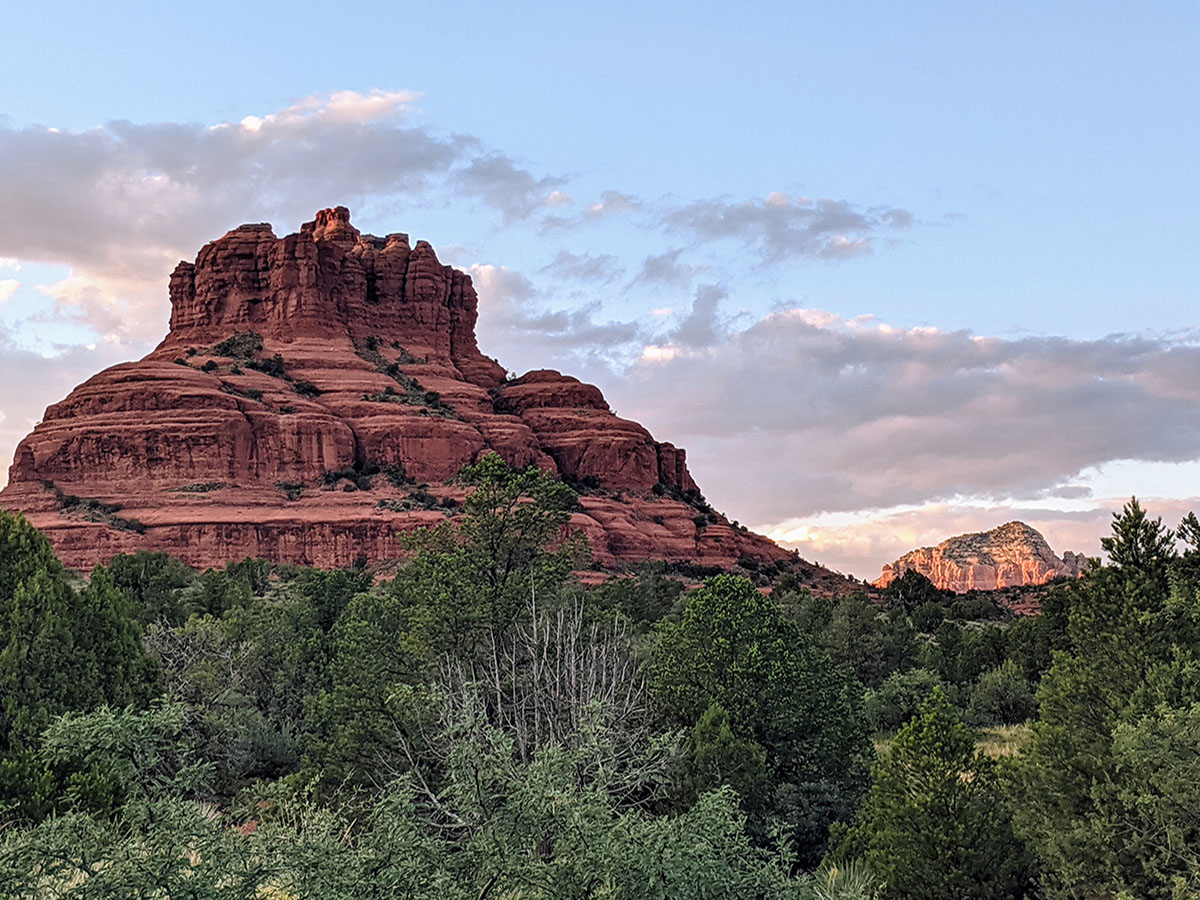
Immersive Experiences in Sedona: Beyond the Red Rocks
Upon arriving in Sedona, travelers are immediately struck by its distinctive beauty – the towering crimson cliffs, verdant Oak Creek Canyon, and a palpable sense of peace. This town is not just a destination; it’s an experience, appealing to nature lovers, spiritual seekers, art enthusiasts, and those simply looking to unwind.
Exploring Sedona’s Natural Wonders and Vortexes
The primary draw of Sedona is undoubtedly its stunning natural landscape, which invites exploration and contemplation.
-
Hiking and Outdoor Activities: Sedona is a hiker’s paradise, offering trails for all skill levels. Popular trails include the easy walk to Airport Mesa for sunset views, the challenging ascent up Cathedral Rock for panoramic vistas, and the scenic paths around Bell Rock and Courthouse Butte. Mountain biking, rock climbing, and jeep tours are also extremely popular ways to experience the rugged terrain. Red Rock State Park offers guided nature walks and wildlife viewing, while Slide Rock State Park provides a refreshing break with its natural water slide in Oak Creek Canyon during warmer months.
-
Sedona’s Vortexes: Beyond its physical beauty, Sedona is internationally recognized as a spiritual hub, particularly for its energy vortexes. These are believed to be swirling centers of subtle energy conducive to healing, meditation, and self-exploration. The four main vortexes are Airport Mesa, Cathedral Rock, Boynton Canyon, and Bell Rock. Many visitors seek out these sites for meditation, yoga, or simply to soak in the unique atmosphere. Whether you believe in the spiritual energy or not, these locations offer some of the most spectacular views and peaceful environments in Sedona.
Culinary Delights and Local Culture
Sedona’s appeal extends beyond its natural scenery to its vibrant arts and culture scene and diverse culinary offerings.
-
Art Galleries and Shopping: The town is home to a thriving community of artists, with numerous galleries showcasing local and regional talent in painting, sculpture, jewelry, and Native American crafts. The Tlaquepaque Arts & Shopping Village, designed to resemble a traditional Mexican village, is a beautiful place to browse unique shops and art studios. Uptown Sedona also features a variety of souvenir shops, crystal stores, and boutiques.
-
Dining Experiences: Sedona’s culinary scene ranges from casual cafes to upscale restaurants offering farm-to-table cuisine and international flavors, often with stunning red rock views. Many establishments focus on organic, locally sourced ingredients. Don’t miss the opportunity to try regional Southwestern dishes or enjoy a meal at one of the many patios overlooking the picturesque landscape. From fine dining with panoramic views to quaint bistros, Sedona caters to all tastes.
Choosing Your Sedona Accommodation
Accommodation in Sedona is as diverse and captivating as its landscape, offering options that cater to every budget and travel style, from luxury resorts to cozy bed and breakfasts.
- Luxury Resorts: For an indulgent experience, Sedona boasts several world-class resorts like Enchantment Resort nestled in Boynton Canyon or L’Auberge de Sedona situated along Oak Creek. These properties often feature spa services, gourmet dining, private patios, and unparalleled views, providing a tranquil escape amidst natural beauty.
- Boutique Hotels and Inns: Numerous charming boutique hotels and bed and breakfasts offer personalized service and unique character. Many are designed to blend seamlessly with the natural surroundings, providing a more intimate and often romantic experience.
- Vacation Rentals and Apartments: For longer stays, family trips, or those preferring self-catering options, vacation rentals (apartments, villas, and homes) are widely available. These often come with fully equipped kitchens and more living space, offering a “home away from home” feel.
- Budget-Friendly Options: While Sedona can be an upscale destination, there are also more budget-conscious hotels and motels, particularly in the West Sedona area, providing comfortable stays without sacrificing access to the region’s attractions.
- Amenities: Look for accommodations that offer amenities such as outdoor pools, hot tubs, hiking trail access, yoga classes, or even vortex-specific activities to enhance your stay. Booking well in advance, especially during peak season (spring and fall), is highly recommended due to Sedona’s popularity.
Making the Most of Your Trip: Planning and Practicalities
A successful trip from Las Vegas to Sedona hinges on thoughtful planning. Considering the best time to visit, alternative transportation options, and how to blend different travel styles will ensure a smooth and enjoyable experience, maximizing your enjoyment of both contrasting yet equally captivating destinations.
Best Time to Visit
The Southwest experiences distinct seasons, each offering its own charm:
- Spring (March to May) and Fall (September to November): These are widely considered the best times to visit Sedona. The weather is pleasantly mild, perfect for hiking and outdoor activities, with daytime temperatures ranging from the 60s to 80s Fahrenheit (15-27°C). Wildflowers bloom in spring, and the fall foliage in Oak Creek Canyon is spectacular. However, these are also peak tourist seasons, meaning higher prices for accommodation and more crowded trails.
- Summer (June to August): While Las Vegas can be intensely hot (often exceeding 100°F or 38°C), Sedona’s higher elevation provides slightly cooler temperatures, usually in the 90s°F (32-37°C), making outdoor activities still possible, especially in the early mornings. This period also marks the monsoon season, bringing afternoon thunderstorms that can be dramatic but also bring welcome cooling. Humidity can increase.
- Winter (December to February): Winter offers a quieter, often magical experience in Sedona, especially if you catch the red rocks dusted with snow – a truly breathtaking sight. Temperatures are cool, ranging from the 30s to 50s°F (0-10°C), making it ideal for cozy evenings by a fireplace. Hiking is still possible, but prepare for colder conditions. This is the off-peak season, so you might find better deals on hotels and fewer crowds.
Alternative Transportation Options
While a road trip offers flexibility and access to scenic detours, not everyone prefers to drive the entire distance:
- Flights to Phoenix or Flagstaff: You can fly from Harry Reid International Airport (LAS) in Las Vegas to Phoenix Sky Harbor International Airport (PHX) or Flagstaff Pulliam Airport (FLG). From Phoenix, Sedona is about a 2-hour drive north. From Flagstaff, it’s a short and incredibly scenic 45-minute drive south through Oak Creek Canyon. Rental cars are available at both airports, or you can utilize shuttle services.
- Shuttle Services: Various shuttle services operate between Phoenix Sky Harbor International Airport and Sedona, offering a convenient door-to-door option if you don’t wish to drive.
- Organized Tours: If you prefer a hands-off approach, several tour operators offer multi-day excursions from Las Vegas that combine visits to the Grand Canyon and Sedona, taking care of transportation, accommodation, and guided activities. This can be an excellent option for solo travelers or those who prefer structured itineraries.
- Train (Amtrak): While not direct, Amtrak offers routes that could get you near the area, typically involving bus connections. For example, you could take a train to Kingman or Flagstaff, then arrange for a shuttle or local rental car for the final leg to Sedona. This is a less common but more scenic alternative for those who enjoy train travel.

Combining Experiences: A Tale of Two Destinations
The stark contrast between Las Vegas and Sedona makes combining them into one trip incredibly appealing.
- Luxury vs. Budget Travel: Both destinations cater to a wide range of budgets. In Las Vegas, you can find everything from opulent suites and five-star resorts to more budget-friendly hotels and motels off the Strip. Sedona also offers luxury retreats and boutique accommodations, alongside charming inns and vacation rentals. It’s possible to craft a trip that blends high-end experiences with more economical choices, depending on your priorities.
- Family Trips: This route offers fantastic opportunities for families. Las Vegas has family-friendly attractions like magic shows and themed hotels. The road trip itself, with stops at the Hoover Dam and especially the Grand Canyon, provides educational and awe-inspiring moments. Sedona delights children with its numerous easy hiking trails, swimming in Slide Rock State Park, and jeep adventures.
- Romantic Getaways: For couples, the journey offers a blend of excitement and intimacy. Las Vegas provides vibrant nightlife and world-class dining, while Sedona offers romantic sunsets over red rock vistas, spa treatments, and secluded hikes, creating a perfect balance for a memorable escape.
The distance between Las Vegas and Sedona is more than just miles on a map; it’s a gateway to an extraordinary Southwest adventure. This road trip offers the unique opportunity to seamlessly transition from the exhilarating energy of a world-renowned entertainment capital to the soul-soothing serenity of a natural wonderland. Whether you’re drawn by the engineering marvel of the Hoover Dam, the epic scale of the Grand Canyon, or the spiritual allure of Sedona’s red rock formations and vortexes, this journey promises a rich tapestry of experiences. With careful planning, choosing the right route, and allowing ample time for exploration and relaxation, your trip from Las Vegas to Sedona will undoubtedly be a highlight of your travel memories, blending luxury, adventure, and natural beauty into one unforgettable itinerary.
LifeOutOfTheBox is a participant in the Amazon Services LLC Associates Program, an affiliate advertising program designed to provide a means for sites to earn advertising fees by advertising and linking to Amazon.com. Amazon, the Amazon logo, AmazonSupply, and the AmazonSupply logo are trademarks of Amazon.com, Inc. or its affiliates. As an Amazon Associate we earn affiliate commissions from qualifying purchases.