
The Sunshine State of Florida is a sprawling paradise, boasting vibrant cities, stunning coastlines, and an endless array of attractions. For many travelers, the question of distance between two popular destinations isn’t just about mileage; it’s about understanding the travel experience, the time commitment, and the possibilities that lie in between. Two such prominent cities are Tampa on the west coast and Fort Lauderdale on the east coast. Whether you’re planning a road trip, considering a business transfer, or looking to explore different facets of Florida‘s diverse landscape, knowing the distance between Tampa and Fort Lauderdale is a crucial piece of information. This article will delve into the various aspects of this journey, from driving times and distances to alternative travel methods and what you might encounter along the way.
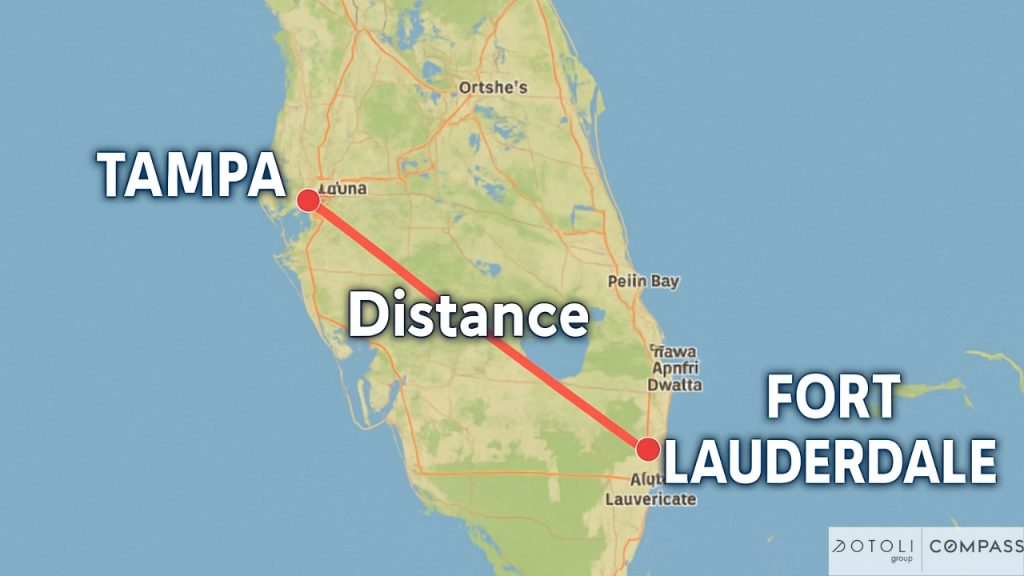
The Direct Route: Driving Between Tampa and Fort Lauderdale
The most common and often most flexible way to travel between Tampa and Fort Lauderdale is by car. This journey allows for spontaneous stops and the freedom to tailor your itinerary. The most direct route typically involves a combination of major highways that efficiently connect the two urban centers.
Distance and Estimated Driving Time
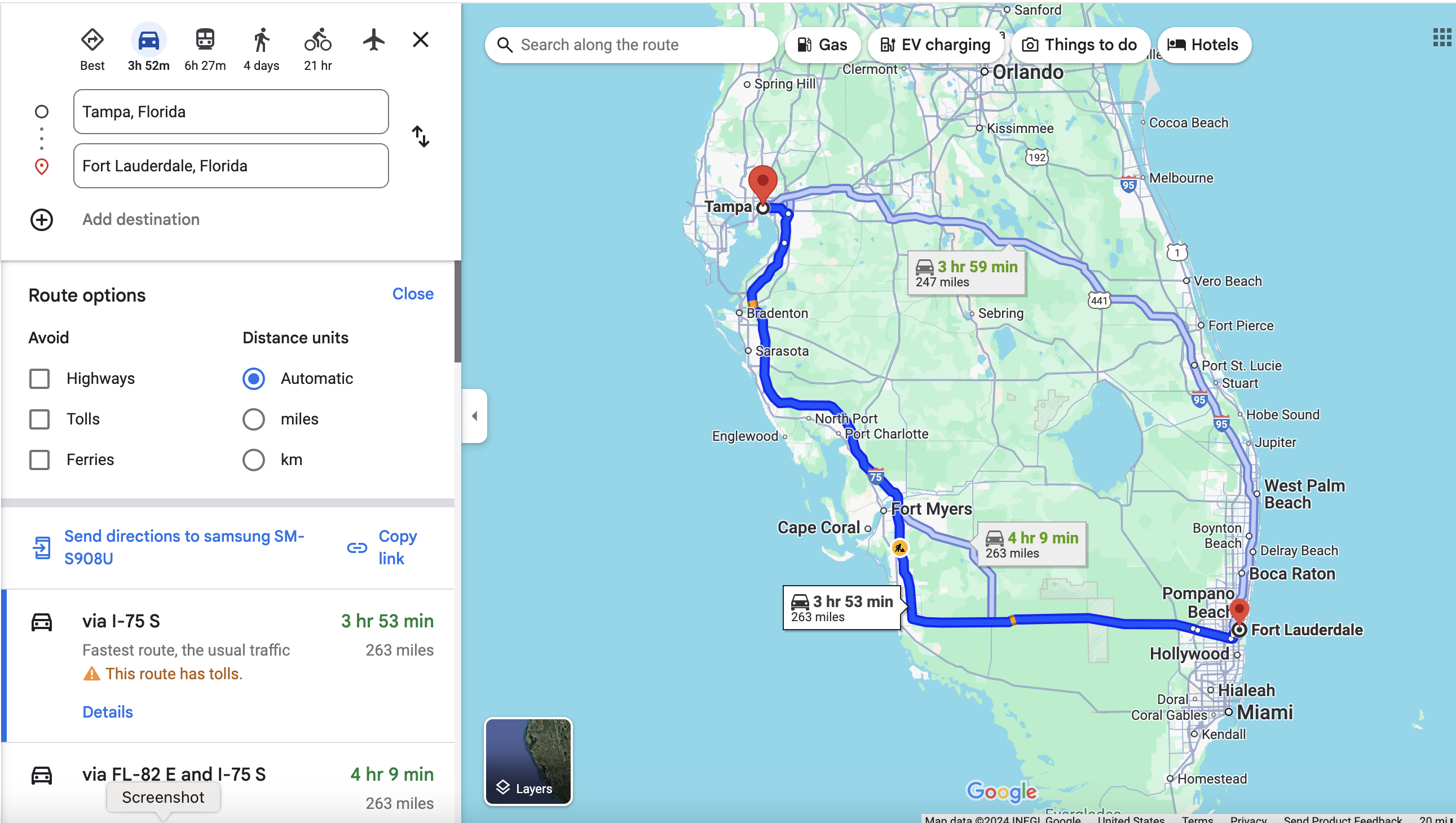
The approximate driving distance between Tampa and Fort Lauderdale is around 250 to 270 miles, depending on the specific starting and ending points within each city and the chosen route. This distance translates to an estimated driving time of approximately 4 to 4.5 hours under ideal traffic conditions.
However, it’s vital to remember that Florida‘s major thoroughfares, especially those connecting large metropolitan areas, can experience significant traffic congestion. Factors such as rush hour, holidays, and even unexpected accidents can substantially increase your travel time. It’s always advisable to check real-time traffic updates before and during your journey.
The primary route most travelers take is via the Florida’s Turnpike. You’ll likely start on I-4 East from Tampa, which will eventually merge or connect you to the Florida’s Turnpike South. You’ll continue on the Turnpike for a considerable stretch, passing through various landscapes, until you reach the exit for Fort Lauderdale. Alternatively, some routes might involve parts of I-75 and other state roads, but the Turnpike generally offers the most direct and fastest option.
Factors Influencing Travel Time
Several factors can influence how long your drive from Tampa to Fort Lauderdale actually takes:
- Traffic: As mentioned, this is the biggest variable. Driving during peak commuting hours (typically 6-9 AM and 4-7 PM on weekdays) will almost certainly lead to longer travel times. Weekends, especially during popular travel seasons, can also see increased traffic.
- Time of Day: Traveling late at night or very early in the morning can significantly reduce your chances of encountering heavy traffic, making the journey smoother and quicker.
- Road Conditions and Construction: Florida is constantly undergoing road improvements. Detours or slowdowns due to construction can add unexpected delays.
- Weather: While Florida is known for its sunshine, sudden thunderstorms, especially during the summer months, can impact driving conditions and speed.
- Stops: If you plan on stopping for gas, food, or to stretch your legs, factor these into your overall travel time.
What to Expect on the Drive
The drive from Tampa to Fort Lauderdale offers a diverse glimpse into Florida‘s geography. As you leave the bustling Tampa Bay area, you’ll initially traverse more suburban and then agricultural landscapes. The Florida’s Turnpike is a toll road, so be prepared to pay tolls along the way. It’s a well-maintained highway designed for efficient travel.
As you approach South Florida, the scenery will gradually shift towards more developed areas. You’ll pass through towns and cities that contribute to the state’s vibrant economic engine. The journey is generally straightforward, with clear signage directing you towards your destination. Rest stops and service plazas are available along the Turnpike, offering amenities like restrooms, food, and gas stations.
For those interested in landmarks, while the direct route on the Turnpike bypasses many major attractions, the journey itself can be punctuated by glimpses of Florida‘s unique scenery.
Beyond the Car: Alternative Travel Options
While driving is the most popular method, other transportation options can get you from Tampa to Fort Lauderdale, each with its own advantages and disadvantages.
Bus Travel
For budget-conscious travelers or those who prefer not to drive, bus services offer a viable alternative. Companies like Greyhound operate routes connecting Tampa and Fort Lauderdale. The journey by bus typically takes longer than driving, often ranging from 5.5 to 7 hours, due to scheduled stops at various locations along the route. This option allows you to relax, read, or catch up on work while someone else handles the driving. The main benefit is cost-effectiveness, making it an attractive choice for solo travelers or those on a tight budget. The bus stations are usually located in convenient, central areas of each city.
Train Travel
Amtrak offers passenger rail service in Florida, but direct routes connecting Tampa and Fort Lauderdale are not as straightforward or as frequent as bus services or driving. Travelers would likely need to take a combination of routes, possibly involving a transfer, which can significantly extend the travel time and may not be the most efficient option for this specific journey. While train travel can be a comfortable and scenic way to see the country, for this particular route, it’s often less practical than other methods.
Flying
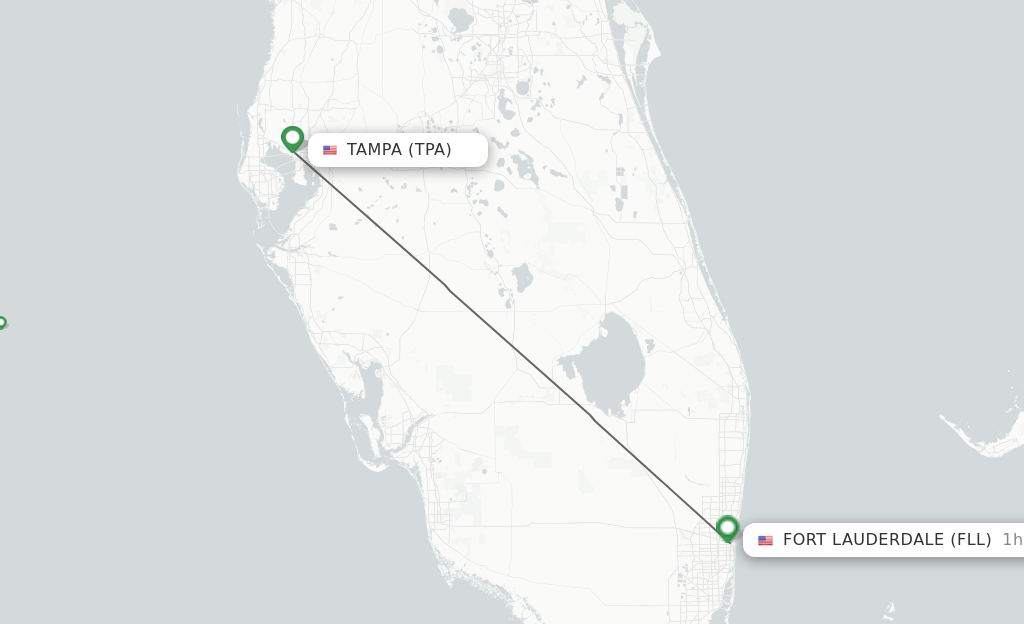
Given the relatively short distance between Tampa and Fort Lauderdale, flying is generally not the most practical or cost-effective option. There are no direct commercial flights between Tampa International Airport (TPA) and Fort Lauderdale-Hollywood International Airport (FLL). Travelers would typically need to book a flight with a layover, which would make the total travel time (including airport procedures) significantly longer than driving. Moreover, the cost of flights, baggage fees, and transportation to and from airports often outweighs the savings in travel time compared to a direct drive.
Exploring the Journey: Potential Stops and Attractions
The drive from Tampa to Fort Lauderdale, while predominantly a transit journey, does offer opportunities for exploration if you choose to extend your trip or break up the drive. While the Florida’s Turnpike is designed for efficiency, venturing slightly off the main route can reveal some of Florida‘s charm.
Central Florida Detours
If you have extra time and want to break up the journey, consider a stop in the general vicinity of the Orlando area. While Orlando itself is a significant destination with world-renowned theme parks like Walt Disney World and Universal Orlando Resort, even a brief detour can offer a change of pace. You could grab lunch in a charming Central Florida town or visit a less crowded attraction.
South Florida Experiences
As you get closer to Fort Lauderdale, the landscape becomes more tropical. If you have the flexibility, you might consider a brief stop along the coast. While not directly on the Turnpike, the drive offers access to coastal towns and beaches. West Palm Beach, for instance, is a notable city not too far off the general path and offers upscale shopping, dining, and cultural attractions. However, these detours will add significant time to your journey.
For those interested in nature, Florida‘s unique ecosystems are accessible. The Everglades National Park is to the southwest of the general route, and while a full visit requires dedicated time, some accessible points or visitor centers might be reachable with careful planning if you are willing to significantly alter your route from the most direct path.
When planning your trip, always consider how much time you have available and what your primary objective is. If the goal is simply to get from Tampa to Fort Lauderdale efficiently, sticking to the direct route is best. However, if you’re looking for a more immersive Florida experience, factoring in a stop or two can enrich your journey.
Accommodations and Lifestyle Considerations
The journey between Tampa and Fort Lauderdale connects two distinct, yet equally appealing, regions of Florida, each offering a unique lifestyle and accommodation options. Understanding these differences can help you plan your stay, whether you are visiting for leisure, business, or a longer-term relocation.
Tampa: A Hub of Culture and Adventure
Tampa, situated on Tampa Bay, is known for its vibrant arts scene, rich history, and a growing culinary landscape. Attractions like the Florida Aquarium, the Museum of Fine Arts, St. Petersburg, and the historic Ybor City offer cultural immersion. For theme park enthusiasts, Busch Gardens Tampa Bay provides thrilling rides and animal encounters.
When it comes to accommodation in Tampa, you’ll find a wide range of options to suit every budget and preference. Luxury resorts, boutique hotels, and family-friendly apartments are plentiful. For those seeking a more upscale experience, the Epicurean Hotel, Autograph Collection offers a unique culinary-focused stay, while families might prefer the amenities and space provided by apartment rentals or hotels near Busch Gardens Tampa Bay. Business travelers can find well-equipped hotels in the downtown area or near Tampa International Airport.
The lifestyle in Tampa is characterized by its access to beaches on the Gulf of Mexico, a burgeoning downtown core, and a relaxed, yet energetic, atmosphere. It’s a city that caters to both families and young professionals, with plenty of outdoor activities and a dynamic nightlife.
Fort Lauderdale: The Venice of America
Fort Lauderdale, on Florida‘s southeast coast, is renowned for its stunning beaches, picturesque canals (earning it the nickname “The Venice of America”), and a sophisticated tourism industry. The Fort Lauderdale Beach is a major draw, offering sun, sand, and a lively promenade. Beyond the beach, exploring the city’s extensive network of waterways by boat tour or water taxi is a quintessential experience. The Las Olas Boulevard offers upscale shopping, dining, and art galleries.
Accommodation in Fort Lauderdale leans heavily towards beachfront resorts and hotels, offering direct access to the ocean and a host of amenities like swimming pools, spas, and fine dining. For families, condo rentals or resorts with family suites are popular choices. Luxury travelers can find exclusive villas and high-end hotels. Those looking for a longer stay might consider serviced apartments or extended-stay hotels, particularly in areas slightly away from the immediate beachfront.
The lifestyle in Fort Lauderdale is often associated with a glamorous beach culture, boating, and a vibrant social scene. It attracts a diverse crowd, from spring breakers to retirees, all drawn to its beautiful coastline and refined atmosphere.
Connecting the Two: Planning Your Itinerary
Whether you’re moving between these two cities for work or leisure, understanding their distinct characters is key to planning your travel and your stay. For instance, if you’re visiting Tampa for its theme parks and museums and then heading to Fort Lauderdale for a beach vacation, you’re essentially experiencing two very different, yet equally rewarding, sides of Florida. The distance between them, though manageable by car, represents a shift in regional culture, economic focus, and geographical appeal. Careful planning of your route, accommodation, and activities in both cities will ensure you make the most of your Florida adventure.