
Embarking on a journey from the vibrant cityscape of Tampa to the sun-drenched shores of Fort Myers, Florida, promises a delightful exploration of the Sunshine State. Whether you’re a seasoned traveler seeking new horizons, a family planning an unforgettable vacation, or a business professional on an extended stay, understanding the distance and travel time is crucial for seamless planning. This guide delves into the specifics of this popular route, offering insights into the best ways to travel, what to expect along the way, and the enticing attractions that await you in both magnificent destinations.
The distance between Tampa and Fort Myers is not merely a number; it represents a gateway to diverse experiences. From the bustling urban energy of Tampa with its rich history and world-class attractions to the tranquil natural beauty and laid-back charm of Fort Myers, this corridor of Florida offers a compelling blend of urban excitement and coastal serenity. This journey, while not exceedingly long, allows for a taste of different facets of Florida‘s allure, making it a popular choice for weekend getaways, road trips, and extended stays.
Understanding the Distance and Travel Time
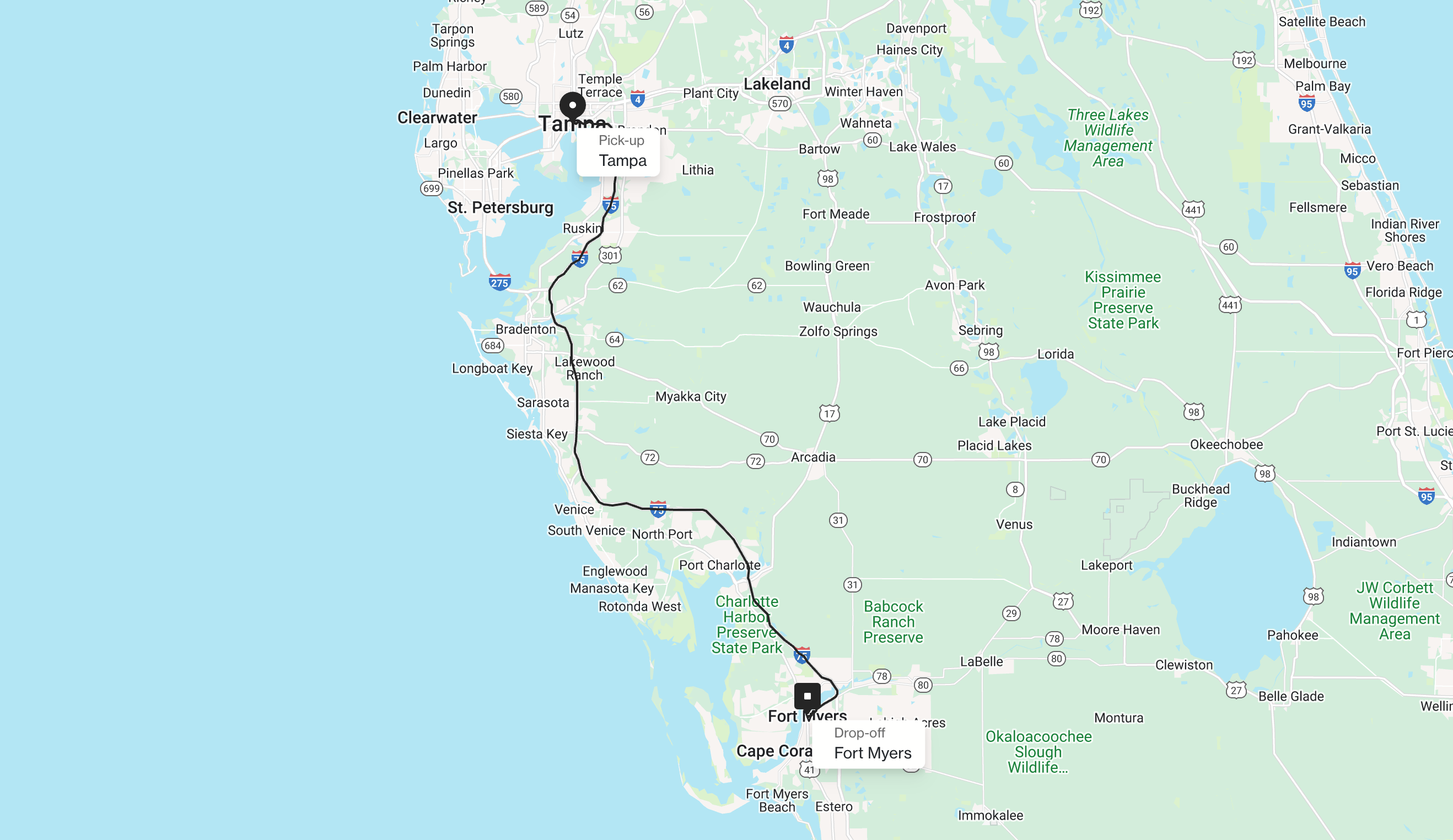
The most direct route from Tampa to Fort Myers spans approximately 140 to 150 miles, depending on your specific starting and ending points within each city. This translates to an average driving time of roughly 2.5 to 3 hours under normal traffic conditions. However, it’s essential to remember that “normal” can be a fluid concept in Florida, especially during peak travel seasons or rush hour.
Driving Routes and Considerations
The primary and most efficient driving route utilizes Interstate 75 (I-75) South for the majority of the journey. This major thoroughfare is well-maintained and offers a relatively straightforward drive.
- I-75 South: This is the backbone of the route. You’ll generally enter I-75 from Tampa and follow it southbound, bypassing several charming towns and natural landscapes. As you approach Fort Myers, you’ll take one of the designated exits leading into the city.
- Alternative Routes: While I-75 is the fastest, those with more time or a desire for a scenic detour might consider exploring U.S. Highway 41 (Tamiami Trail) for portions of the journey. This older highway often passes through more local communities and offers glimpses into the authentic Florida lifestyle. However, expect significantly longer travel times due to lower speed limits and more frequent traffic lights.
Factors Affecting Travel Time:
- Traffic: Tampa and its surrounding areas can experience significant traffic congestion, particularly during morning and evening commutes. Similarly, Fort Myers can see increased traffic, especially near popular attractions and during tourist seasons. Planning your departure to avoid peak hours can save you valuable time.
- Road Construction: Like any active region, Florida is often undergoing road improvements. Staying informed about potential construction delays via GPS navigation apps can help you reroute if necessary.
- Stops and Breaks: The 2.5 to 3-hour driving time doesn’t account for any stops you might wish to make. Consider incorporating breaks for meals, stretching your legs, or visiting a roadside attraction.
Public Transportation and Flights
While driving is the most common and flexible way to travel between Tampa and Fort Myers, other options exist for those who prefer not to drive.
- Bus Services: Intercity bus companies like Greyhound or Megabus may offer routes connecting Tampa and Fort Myers. These can be a budget-friendly option, though travel times are typically longer than driving due to multiple stops.
- Flights: There are no direct commercial flights between Tampa International Airport and Southwest Florida International Airport in Fort Myers. The proximity of the cities makes flying impractical and significantly more expensive than driving. If you were flying into the region, you would likely fly into Tampa International Airport or Southwest Florida International Airport and then arrange ground transportation.
Exploring the Journey: Stops and Attractions Along the Way
The drive from Tampa to Fort Myers offers more than just miles on the odometer; it presents opportunities to discover hidden gems and iconic Florida landmarks. Depending on your interests, you can tailor your route to include captivating stops that enhance your travel experience.
Natural Wonders and Wildlife Encounters
Florida‘s natural beauty is renowned, and the corridor between Tampa and Fort Myers is no exception. Several state parks and natural areas provide a chance to connect with the state’s unique ecosystems.
- Myakka River State Park: Located southeast of Sarasota, this expansive park is one of Florida‘s oldest and largest state parks. It’s an ideal stop for nature enthusiasts, offering opportunities for hiking, biking, canoeing, and wildlife viewing. Look out for alligators, wading birds, and deer. The park’s iconic Canopy Walkway provides a unique perspective of the surrounding cypress canopy.
- Ding Darling National Wildlife Refuge: Situated on Sanibel Island, a short detour from Fort Myers, this refuge is a haven for migratory birds and other wildlife. The 3-mile Wildlife Drive offers incredible opportunities for birdwatching and photography, showcasing the diverse coastal habitats of Southwest Florida. Sanibel Island itself is famous for its shelling opportunities.
Charming Towns and Coastal Escapes
The route is dotted with charming towns and coastal communities, each with its own unique character and appeal.
- Sarasota: A vibrant cultural hub, Sarasota boasts beautiful beaches like Siesta Key Beach, renowned for its powdery white sand. The city also offers a thriving arts scene, with venues like the Ringling Museum of Art and a lively downtown area filled with shops and restaurants. A stop here can easily extend your trip, turning a direct drive into a multi-day exploration.
- St. Petersburg: While slightly north of the most direct route, St. Petersburg is a worthwhile detour for its stunning waterfront, world-class museums like the Dalí Museum, and the lively atmosphere of its downtown district. Its beaches, such as St. Pete Beach, are consistently ranked among the best in the nation.
- Punta Gorda: This quaint city offers a more relaxed pace, with a picturesque harbor, a charming historic downtown, and beautiful waterfront parks. It’s a great place to enjoy a leisurely lunch or a scenic stroll before continuing your journey.
Arriving in Fort Myers: Your Gateway to Southwest Florida
Upon arriving in Fort Myers, you’ll discover a city rich in history, natural beauty, and recreational opportunities. Known as the “City of Palms,” it offers a quintessential Florida experience, blending coastal charm with a lively cultural scene.
Key Attractions and Experiences in Fort Myers
Fort Myers serves as a gateway to the stunning beaches of Sanibel Island and Captiva Island, famous for their exceptional shelling and serene atmosphere. Beyond the islands, the city itself holds treasures for visitors.
- Edison and Ford Winter Estates: A must-visit for history buffs and science enthusiasts, these adjacent winter homes of Thomas Edison and Henry Ford offer a fascinating glimpse into the lives of two of America’s greatest innovators. Explore the laboratories, gardens, and museums to learn about their groundbreaking work and their strong connection to Fort Myers.
- Downtown Fort Myers (River District): This revitalized area along the Caloosahatchee River buzzes with activity. Discover unique boutiques, art galleries, vibrant restaurants, and lively bars. The historic architecture adds to the charm, and evening strolls along the riverfront are particularly pleasant.
- Beaches: While the islands are a major draw, Fort Myers itself boasts beautiful beachfront areas. Fort Myers Beach, with its iconic pier, offers a lively atmosphere with numerous dining and entertainment options. For a quieter experience, consider heading south to Lovers Key State Park, known for its natural beauty and pristine beaches.
- Caloosahatchee River: This waterway is central to the identity of Fort Myers, offering opportunities for boating, fishing, and kayaking. Taking a sunset cruise on the Caloosahatchee River is a popular way to experience the area’s natural splendor.

Accommodation Options in Fort Myers
Fort Myers caters to a wide range of travelers with diverse accommodation needs, from luxury resorts to budget-friendly apartments and family-friendly villas.
- Resorts: For those seeking an indulgent escape, Fort Myers and its surrounding areas offer several upscale resorts. Many provide direct beach access, multiple swimming pools, fine dining options, and a host of amenities designed for relaxation and recreation.
- Hotels and Motels: A wide array of hotels and motels are available throughout the city, catering to various budgets. From well-known chains to charming independent establishments, visitors can find comfortable and convenient lodging.
- Vacation Rentals: For longer stays or for families and groups seeking more space and privacy, vacation rentals, including apartments and villas, are an excellent choice. Websites specializing in vacation rentals offer a broad selection, allowing you to find properties with the amenities that best suit your needs.
- Extended Stay Hotels: Business travelers or those planning a longer visit will find numerous extended-stay hotels offering kitchenettes and other conveniences for a home-away-from-home experience.
Whether you’re drawn by the allure of Tampa‘s urban energy or the serene beauty of Fort Myers‘ coastline, the journey between these two Florida gems is an integral part of the experience. Understanding the distance, considering your travel preferences, and exploring the potential stops along the way will help you craft a memorable adventure through the heart of the Sunshine State.