
The vast expanse of the United States offers a myriad of travel opportunities, connecting vibrant states with distinct cultures and landscapes. Among the most intriguing journeys for many travelers is the trek between the sprawling plains of Texas and the sun-drenched beaches of Florida. While both states embody a quintessential American spirit, their geographical separation presents a significant adventure for anyone planning a visit. Understanding the distance, travel logistics, and the unique experiences awaiting in each destination is key to an unforgettable journey.
The Geographical Divide: Understanding the Distance
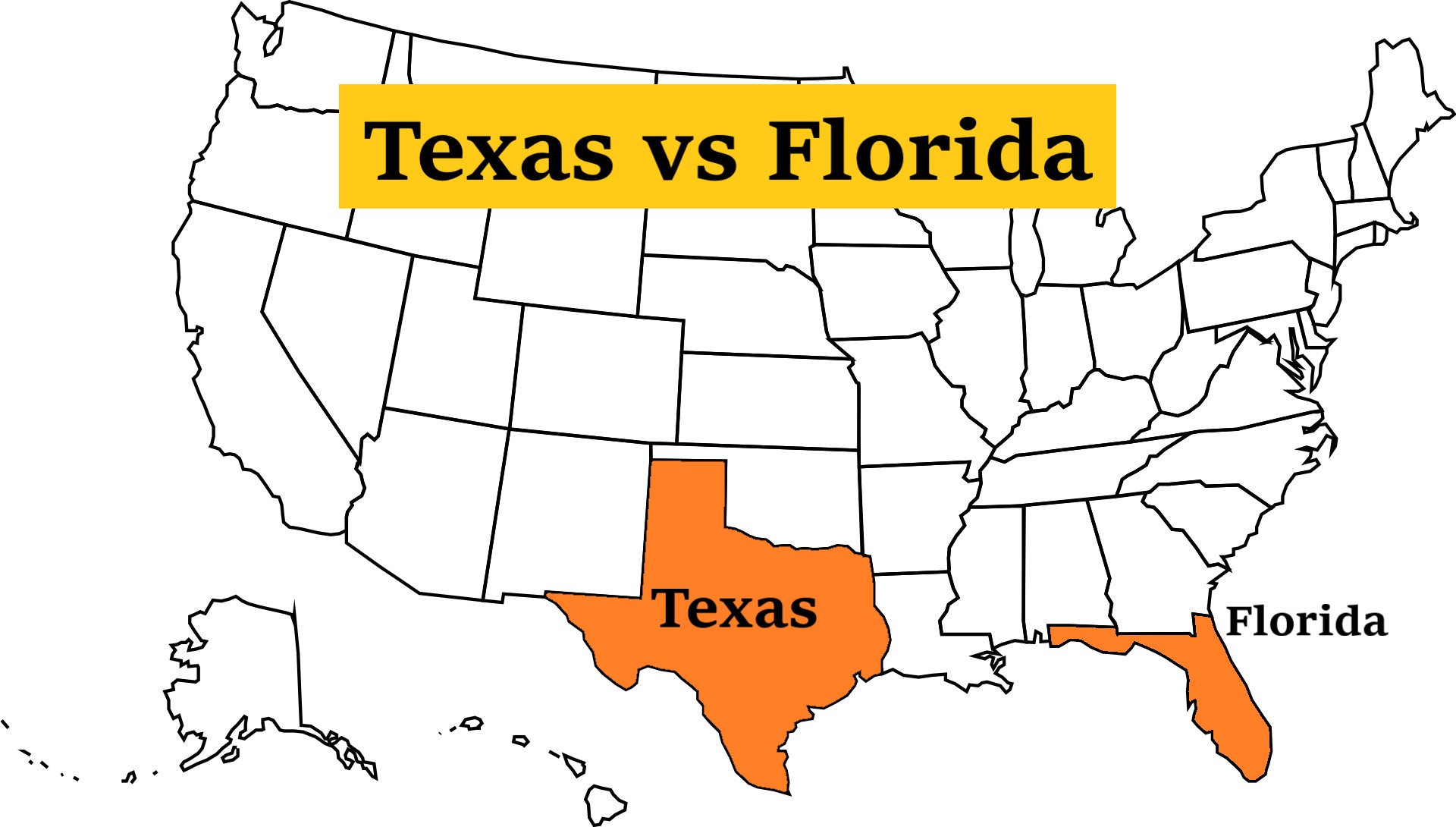
At first glance, Texas and Florida appear to be neighbors on a map of the United States. However, a closer look reveals that they are separated by several other states, making the journey between them a considerable undertaking. The actual distance can vary significantly depending on the specific starting point in Texas and the destination in Florida, but generally, travelers are looking at a cross-country endeavor.
Driving Across the Gulf States
For those who relish the open road, a drive from Texas to Florida is an epic road trip. The most common and direct route typically involves traversing the Gulf Coast states. If you’re departing from a major city like Houston, Texas, and heading towards a popular Florida destination such as Orlando, the distance covered is approximately 1,000 to 1,200 miles (1,600 to 1,930 kilometers). This substantial mileage translates into a driving time of roughly 16 to 20 hours without significant stops.
Consider a route from Houston to Miami. This journey alone can stretch to about 1,200 to 1,350 miles, demanding 19 to 22 hours of continuous driving. The path often follows Interstate 10 (I-10) for a significant portion, cutting through Louisiana, Mississippi, and Alabama before entering the Florida panhandle. Drivers might also consider U.S. Route 90 (US-90) for a more scenic, albeit slightly longer, coastal drive through some stretches.
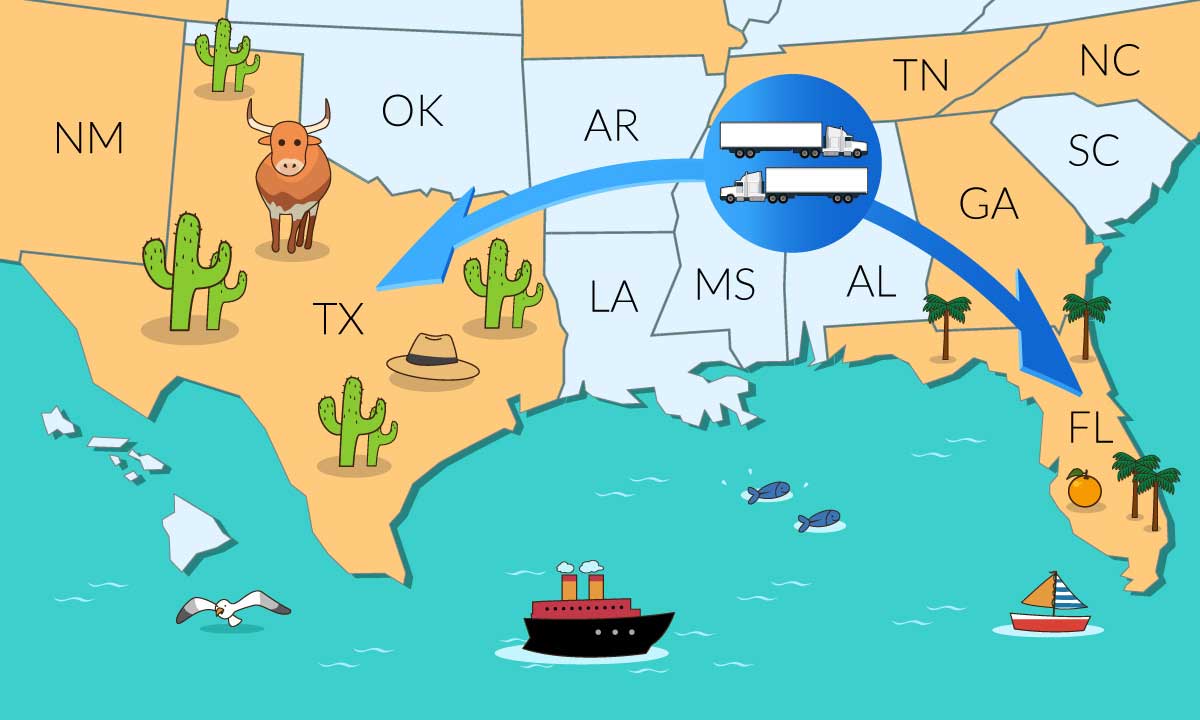
This multi-state journey isn’t just about covering distance; it’s an opportunity to experience the diverse cultures and landscapes of the American South. From the bayous of Louisiana to the historic towns of Mississippi and Alabama, the drive itself becomes an integral part of the travel experience. Planning for overnight stops is highly recommended to ensure safety and allow for exploration along the way.
Flying Between Two Powerhouses
For those with limited time or a preference for speed and convenience, air travel is the most efficient way to bridge the gap between Texas and Florida. Major airports in Texas like George Bush Intercontinental Airport (IAH) in Houston, Dallas/Fort Worth International Airport (DFW), or Austin-Bergstrom International Airport (AUS) offer numerous direct flights to Florida’s busiest hubs, including Miami International Airport (MIA), Orlando International Airport (MCO), and Tampa International Airport (TPA).
The flight duration for a non-stop journey typically ranges from 2.5 to 3.5 hours, depending on the specific origin and destination airports. For example, a flight from Dallas to Orlando might take around 2 hours and 45 minutes, while a flight from San Antonio to Miami could be closer to 3 hours and 15 minutes. When factoring in travel to and from airports, security checks, and boarding, the total travel time can still amount to 5-7 hours, making it significantly faster than driving. The convenience of air travel allows visitors to maximize their time enjoying the attractions at their chosen destination rather than spending days on the road.
Planning Your Journey: Modes of Travel and Considerations
Choosing the right mode of transportation largely depends on your travel philosophy, budget, and the amount of time you have available. Both driving and flying offer distinct advantages and disadvantages, catering to different types of travelers and experiences.
The Great American Road Trip: An Unforgettable Experience
Embarking on a road trip from Texas to Florida is more than just covering ground; it’s an immersive travel experience. This option is ideal for those who love flexibility, discovering hidden gems, and traveling with family or a group.
Pros of Driving:
- Flexibility: You set your own schedule, stopping whenever and wherever you please.
- Scenic Routes: The journey through Louisiana, Mississippi, and Alabama offers opportunities to explore diverse landscapes, charming small towns, and vibrant cities like New Orleans or Mobile.
- Cost-Effective for Groups: For multiple travelers, the cost of gas and potential overnight stays can be less than individual flight tickets.
- Luggage Capacity: No airline baggage restrictions mean you can bring more without extra fees.
Cons of Driving:
- Time Commitment: This is the most significant factor, requiring at least two full days of driving, often three if you plan for leisurely stops.
- Fatigue: Long hours behind the wheel can be tiring, necessitating careful planning for breaks and overnight accommodation.
- Wear and Tear on Vehicle: A long trip puts mileage and stress on your car.
- Fuel Costs: While potentially cheaper than flights for groups, gas prices can fluctuate and add up.
For a successful road trip, meticulous planning is essential. Consider booking hotels or apartments for your overnight stops in advance, especially during peak travel seasons. Map out points of interest, rest stops, and fuel stations. Having snacks, water, and entertainment for passengers, particularly children, will greatly enhance the experience.
Air Travel: Efficiency and Convenience
Flying is the preferred choice for business travelers, those on a tight schedule, or anyone looking to minimize travel time and maximize their vacation.
Pros of Flying:
- Speed: Reach your destination in a matter of hours, saving valuable vacation time.
- Comfort (Relatively): While not always luxurious, air travel avoids the fatigue of driving long distances.
- Direct Routes: Numerous direct flights connect major cities in Texas and Florida, simplifying the journey.
- Less Planning: Beyond booking tickets and airport transfers, there’s less logistical planning compared to a road trip.
Cons of Flying:
- Cost: Flights can be more expensive, especially for solo travelers or during peak seasons. Baggage fees can also add up.
- Limited Flexibility: Once you’re on the plane, you’re committed to a schedule.
- Airport Stress: Security lines, delays, and navigating busy airports can be stressful.
- Less Scenic: You miss out on the overland journey and the chance to explore intermediary locations.
When flying, it’s advisable to book flights well in advance for better prices. Consider flying into smaller regional airports if they are closer to your final destination, as they can sometimes offer more competitive fares and less crowded experiences than major international hubs. Don’t forget to arrange transportation from the airport to your accommodation, whether it’s a rental car, ride-sharing service, or shuttle.

Exploring the Destinations: What Awaits in Texas and Florida
Both Texas and Florida are tourism powerhouses, offering an incredible array of attractions and experiences. Your choice of destination within each state will heavily influence the nature of your trip.
Iconic Attractions in the Lone Star State
Texas, the second-largest state in the U.S., boasts a diverse landscape and a rich history. From bustling metropolises to rugged ranches, there’s something for every type of traveler.
- Houston: Home to the world-renowned Space Center Houston, a must-visit for space enthusiasts. The city also offers a vibrant arts scene, excellent dining, and beautiful green spaces.
- Dallas & Fort Worth: A dynamic duo offering urban sophistication and Western heritage. Explore the Sixth Floor Museum at Dealey Plaza in Dallas, then head to Fort Worth’s Stockyards National Historic District for a taste of the Old West, complete with cattle drives and rodeo shows.
- San Antonio: Steeped in history, San Antonio is famous for The Alamo, a pivotal site in the Texas Revolution. The picturesque Riverwalk, lined with shops, restaurants, and hotels, offers a charming atmosphere.
- Austin: The state capital is known as the “Live Music Capital of the World.” Experience its eclectic vibe, delicious food trucks, and numerous outdoor activities, including kayaking on Lady Bird Lake.
Florida’s Sun-Kissed Wonders
Florida is synonymous with sunshine, theme parks, and stunning beaches, making it a perennial favorite for families and leisure travelers alike.
- Orlando: The theme park capital of the world. Home to Walt Disney World Resort, Universal Orlando Resort, and SeaWorld Orlando, Orlando offers endless entertainment for all ages.
- Miami: A vibrant city known for its beautiful South Beach, Art Deco architecture, and sizzling nightlife. Explore the Cuban culture in Little Havana and the art galleries of the Wynwood Walls.
- Tampa: Located on Florida’s west coast, Tampa offers a lively downtown, the historic Ybor City district, and family-friendly attractions like Busch Gardens Tampa Bay.
- Florida Keys: A string of tropical islands stretching off the southern tip of Florida. Key West, the southernmost point of the continental United States, is famed for its relaxed atmosphere, vibrant sunset celebrations at Mallory Square, and historic homes.
- Everglades National Park: A unique ecosystem offering airboat tours, wildlife viewing (including alligators!), and a glimpse into Florida’s wild side.
- Kennedy Space Center Visitor Complex: Located on Florida’s Space Coast, this is where NASA’s past, present, and future of space exploration come alive.
Accommodation and Lifestyle: Making the Most of Your Stay
Regardless of whether you’re traveling for leisure, business, or family fun, finding the right accommodation and tailoring your trip to your lifestyle preferences is crucial for an enjoyable experience in both Texas and Florida.
Finding Your Perfect Retreat: Hotels, Resorts, and More
Both states offer a wide spectrum of lodging options to suit every taste and budget.
- Luxury Resorts and Hotels: In cities like Dallas, Houston, Miami, and Orlando, you’ll find world-class hotels and resorts offering exquisite suites, fine dining, spa amenities, and concierge services. Brands like Ritz-Carlton, Four Seasons, and St. Regis are prevalent. Many Florida coastal areas also feature stunning beachfront resorts with private beach access and water sports.
- Boutique Hotels: For a more personalized experience, boutique hotels are gaining popularity in cities like Austin and South Beach. These often feature unique designs, local artwork, and a focus on intimate service.
- Family-Friendly Accommodations: Near theme parks in Orlando or coastal areas, numerous resorts and hotels cater specifically to families, offering kids’ clubs, large pools, and spacious suites or connecting rooms. Vacation rental apartments and villas through platforms like Airbnb or VRBO are also excellent choices for families or longer stays, providing home-like comforts.
- Budget-Friendly Options: For those looking to save, both states offer a plethora of budget-friendly motels, hostels, and chain hotels that provide clean, comfortable stays without breaking the bank. These are often found along major highways or slightly outside city centers.
When booking accommodation, consider the amenities important to you (pool, gym, free breakfast, pet-friendly options) and read recent reviews. Comparing prices across different platforms can also help secure the best deals.
Tailoring Your Trip: Luxury, Budget, and Family Travel
Your chosen lifestyle dictates how you approach travel between Texas and Florida.
- Luxury Travel: Opt for first-class flights, stay in five-star resorts, indulge in gourmet dining, and consider private tours or chauffeured transportation. In Florida, think beachfront villas and yacht charters. In Texas, exclusive urban experiences and high-end ranch stays offer unique luxury.
- Budget Travel: Flying budget airlines (booking well in advance), driving and splitting gas costs, staying in economical hotels or hostels, and enjoying free attractions like parks and beaches can keep costs down. Look for deals on meals, utilize public transport or ride-sharing, and pack snacks for the road.
- Family Trips: A road trip can be a fantastic way for families to bond and create lasting memories. Alternatively, flying allows more time at kid-centric destinations like Walt Disney World Resort or Space Center Houston. Choose accommodations with kid-friendly amenities and plan activities that cater to all age groups. Vacation rentals often offer more space and kitchen facilities, which can be a boon for families.
Tips for a Seamless Travel Experience
No matter how you choose to travel, a few universal tips can help ensure your journey from Texas to Florida is smooth and enjoyable.
- Plan Ahead: Especially for a road trip, map out your route, potential stops, and accommodation. For flights, book early for better prices and seat selection.
- Pack Smart: Consider the climate of both Texas and Florida – both can be hot and humid, especially in summer. Pack light, breathable clothing, swimwear, and comfortable walking shoes. Don’t forget sun protection!
- Stay Connected: Have a reliable GPS or mapping app, and consider a portable charger for your devices.
- Budget Wisely: Account for gas, food, accommodation, attractions, and unexpected expenses.
- Be Flexible: Travel plans can sometimes change. Embrace the unexpected and view minor detours as part of the adventure.
- Embrace Local Culture: Whether you’re savoring authentic BBQ in Texas, enjoying Creole cuisine in Louisiana, or feasting on fresh seafood in Florida, diving into the local food and traditions enriches the experience.
The journey between Texas and Florida is a significant one, covering over a thousand miles and crossing diverse landscapes. Whether you prefer the freedom of a road trip, the efficiency of air travel, or a combination of both, both states promise incredible experiences, from historic landmarks and vibrant cities to stunning natural beauty and world-class attractions. With careful planning and an adventurous spirit, your trip across the Gulf will undoubtedly be memorable.