
The question of “How far is Texas from Louisiana?” is more than just a geographical inquiry; it’s an invitation to explore a fascinating border region brimming with diverse attractions, rich history, and unique cultural experiences. These two neighboring states, deeply intertwined by geography and shared heritage, offer a compelling blend of Southern charm and Texan spirit. Whether you’re planning a road trip, seeking new travel destinations, or simply curious about the expanse of the Lone Star State and the Bayou State, understanding the proximity between Texas and Louisiana unlocks a world of travel possibilities.

The distance between Texas and Louisiana isn’t a single, fixed number. It varies significantly depending on the specific starting point in Texas and the intended destination in Louisiana. This vastness is precisely what makes the question so intriguing. Texas, the second-largest state in the United States by both area and population, shares a substantial border with Louisiana. This shared frontier is traversed by rivers, highways, and historical pathways, each connecting vibrant communities and iconic landmarks.
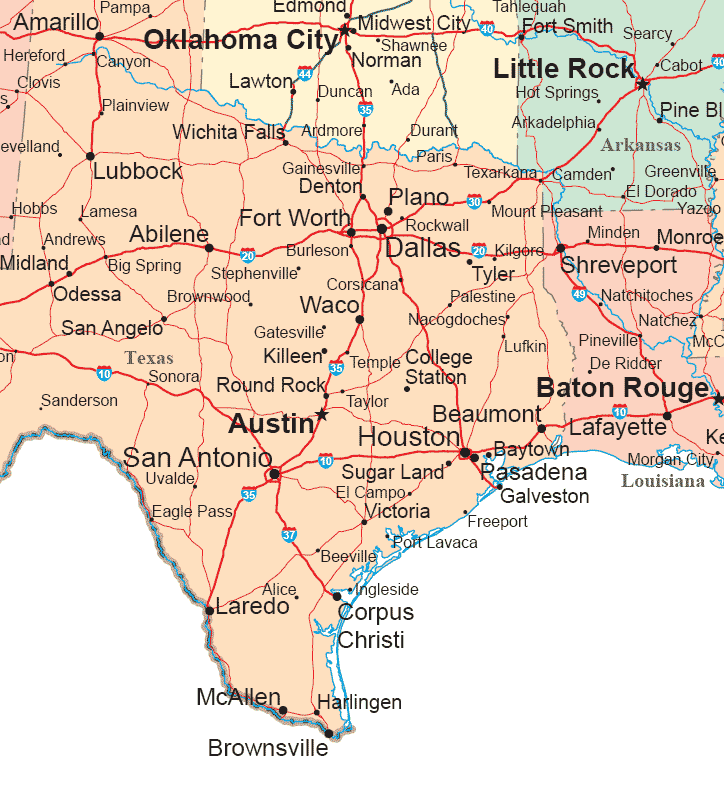
To truly grasp the answer, we must consider the major metropolitan areas and popular tourist hubs within each state. For instance, the distance from Houston, Texas, a colossal metropolis on the Gulf Coast, to Shreveport, Louisiana, a vibrant city in the northwestern part of the state, is considerably different from the distance between El Paso, Texas, in the far west, and New Orleans, Louisiana, the jewel of the Deep South.
Navigating the Texas-Louisiana Divide: A Journey Through Geography and Culture
The border between Texas and Louisiana stretches for approximately 325 miles, defined largely by the Sabine River and Toledo Bend Reservoir. This natural boundary acts as a gateway, separating distinct but often overlapping cultural landscapes. Understanding this geographical relationship is key to planning any journey that bridges these two states.
Driving Distances: Charting Your Course
The most common way to traverse the Texas-Louisiana divide is by road. The Interstate Highway System provides efficient routes, making it relatively easy to connect major cities.
-
Houston, Texas to New Orleans, Louisiana: This is one of the most popular routes, connecting two major cultural and economic centers. The drive is approximately 350 miles and typically takes about 5 to 6 hours, depending on traffic conditions and stops. This route often follows Interstate 10 East, a major artery that snakes through the Gulf Coast. Along the way, travelers can experience the unique landscapes of East Texas and the atmospheric bayous of Louisiana. Destinations like Lake Charles, Louisiana, offer a charming midway point, known for its casinos and Creole culture.
-
Dallas, Texas to Shreveport, Louisiana: For those in North Texas, the distance to Louisiana is considerably shorter. The drive from Dallas to Shreveport is about 190 miles and takes roughly 3 to 3.5 hours. This route, primarily utilizing Highway 80 and Interstate 20, leads travelers into the heart of North Louisiana, a region with a distinct history and natural beauty.
-
Beaumont, Texas to Lafayette, Louisiana: Situated closer to the border, Beaumont offers a shorter hop into Louisiana. The drive to Lafayette, a cultural hub of Cajun Country, is around 120 miles and takes approximately 2 hours. This journey plunges travelers directly into the heart of Creole and Cajun culinary traditions and musical heritage.
-
East Texas (e.g., Longview) to Natchitoches, Louisiana: Exploring the eastern reaches of Texas brings you even closer to Louisiana’s charm. From cities like Longview, the historic city of Natchitoches, Louisiana’s oldest permanent settlement, is a mere 60-70 miles away, a drive of about 1.5 hours. This area is rich in French colonial history and scenic beauty.
These driving distances highlight the accessibility of Louisiana from various parts of Texas, particularly from the eastern and southern regions. The Interstate highway system ensures that, despite the vastness of Texas, much of Louisiana is within a day’s drive for many Texans.
Exploring the Borderlands: Attractions and Experiences
The proximity of Texas and Louisiana fosters a unique blend of cultural influences and shared attractions. The border region itself is a treasure trove for travelers seeking authentic experiences.
Natural Wonders and Recreational Havens
The natural landscape along the Texas-Louisiana border is dominated by forests, rivers, and wetlands, offering a wealth of outdoor activities.
- Toledo Bend Reservoir: Straddling the border, this massive reservoir is a prime destination for fishing, boating, and camping. It’s the largest man-made body of water in the Southern United States and offers stunning vistas and abundant recreational opportunities. Both Texas and Louisiana have state parks situated along its shores, such as ** Martin Dies, Jr. State Park ** on the Texas side and ** North Toledo Bend State Park ** on the Louisiana side, providing ample access for visitors.
-
Sabine River: This historic river, which forms a significant portion of the border, is integral to the region’s ecology and history. Kayaking, canoeing, and fishing are popular activities, allowing for intimate exploration of the river’s diverse ecosystems.
-
Big Thicket National Preserve (Texas): Located in Southeast Texas, not far from the Louisiana border, this unique preserve protects a biologically diverse area where East Texas Piney Woods, Gulf Coast Prairies, and Cretaceous-era plants and animals converge. It offers extensive hiking trails and opportunities for wildlife viewing.
Cultural Crossroads: Food, Music, and History
The intersection of Texas and Louisiana creates a vibrant cultural tapestry, most notably expressed through its unique culinary traditions and rich musical heritage.
-
Cajun and Creole Cuisine: Louisiana is world-renowned for its distinct culinary styles, and these flavors spill over into East Texas, particularly in cities like Beaumont and Port Arthur. Travelers can savor authentic gumbo, jambalaya, crawfish étouffée, and beignets in both states. The influence is so strong that many Texan towns near the border have embraced these Louisiana delicacies as their own.
-
Music Scene: From the zydeco and blues of Southwest Louisiana to the honky-tonks of Texas, music is an integral part of life in the border region. In Louisiana, cities like Lafayette are vibrant centers for live music, while Texas offers its own unique contributions to country and blues. Many venues along the border provide opportunities to experience both.
-
Historical Sites: The historical narratives of Texas and Louisiana are deeply intertwined, marked by periods of Spanish, French, and American influence.
-
Natchitoches, Louisiana: As mentioned, this is Louisiana’s oldest permanent settlement, founded by the French in 1714. Its historic downtown, Cane River Creole National Historical Park, and unique architecture offer a glimpse into the region’s colonial past.
-
Colonial Sites in East Texas: While Louisiana boasts more prominent French colonial sites, East Texas shares in this history, with remnants and influences visible in its early settlements and architecture.
-
Sam Houston Jones State Park (Louisiana): Located near Lake Charles, this park preserves the natural beauty of the region and offers a connection to the area’s history.
-
Planning Your Texas-Louisiana Adventure
When planning a trip that involves crossing between Texas and Louisiana, it’s helpful to consider various accommodation options and lifestyle preferences. The range of choices ensures that every traveler, whether seeking luxury or budget-friendly stays, can find suitable arrangements.
Accommodation and Lifestyle Considerations
From luxurious resorts to charming bed and breakfasts, the options for lodging are as diverse as the landscape itself.
-
Hotels and Resorts: Major cities like ** Houston **, ** Dallas **, ** New Orleans **, and ** Shreveport ** offer a wide array of hotels, from international chains to boutique properties. Near natural attractions like Toledo Bend, you’ll find lakeside resorts and lodges providing scenic views and direct access to outdoor activities. For those seeking a more immersive experience, many towns offer unique accommodations. For instance, in Louisiana’s Cajun Country, you might find charming inns and guesthouses that reflect the local culture.
-
Vacation Rentals and Apartments: For longer stays or families, vacation rentals and apartments offer more space and amenities, allowing for a more personalized experience. Websites and platforms specializing in accommodation booking provide extensive lists for both states.
-
Luxury and Budget Travel: The region caters to all travel budgets. Luxury travelers can indulge in upscale resorts and fine dining, particularly in New Orleans and Houston. Budget-conscious travelers will find affordable motels, campsites, and guesthouses, especially in smaller towns and near natural parks. Family trips can be enhanced by choosing accommodations with pools and kid-friendly amenities, while business travelers might prefer hotels with conference facilities and convenient access to business districts.
-
Experiential Stays: Consider unique lodging experiences. In Louisiana, staying in a historic Creole cottage or a bed and breakfast in a charming small town can be as much an attraction as the destinations themselves. In Texas, ranches and glamping sites offer a different kind of immersion into the state’s vast landscapes.
The question “How far is Texas from Louisiana?” opens the door to a rich tapestry of travel opportunities. The answer is not a simple mileage figure but a complex interplay of routes, destinations, and experiences. Whether you’re driving from the bustling heart of ** Houston ** to the vibrant streets of ** New Orleans **, or embarking on a shorter journey from ** Dallas ** to ** Shreveport **, the proximity of these two states promises an adventure filled with culinary delights, natural beauty, and a unique cultural blend that defines the American South. Exploring this border region allows for an appreciation of both the distinct identities of Texas and Louisiana and the captivating ways in which they converge.
LifeOutOfTheBox is a participant in the Amazon Services LLC Associates Program, an affiliate advertising program designed to provide a means for sites to earn advertising fees by advertising and linking to Amazon.com. Amazon, the Amazon logo, AmazonSupply, and the AmazonSupply logo are trademarks of Amazon.com, Inc. or its affiliates. As an Amazon Associate we earn affiliate commissions from qualifying purchases.