
Embarking on a journey from the vast plains of Texas to the industrious heartland of Ohio is more than just covering a significant distance; it’s an adventure across a diverse tapestry of American landscapes, cultures, and experiences. Whether you’re planning a cross-country move, a leisurely road trip, or a quick business flight, understanding the logistics of this extensive traverse is key to a smooth and enjoyable journey. This comprehensive guide will break down the distance, travel times, optimal routes, and enriching stops along the way, catering to every type of traveler looking to bridge the gap between these two prominent United States.

The distance between Texas and Ohio is substantial, typically ranging from approximately 1,200 to 1,400 miles (1,930 to 2,250 kilometers), depending on your specific departure and arrival cities. This considerable stretch means that travel between these states requires careful planning, whether you choose to drive for days or opt for the efficiency of air travel. Each mode of transport offers its unique advantages, allowing travelers to tailor their journey to their budget, time constraints, and desire for exploration.
The Great American Road Trip: Driving from Texas to Ohio
For many, the idea of a long-distance drive across the United States evokes a sense of freedom and discovery. A road trip from Texas to Ohio is a quintessential American experience, offering the chance to witness changing landscapes, explore charming towns, and create lasting memories.
Calculating Your Journey: Distance and Drive Time
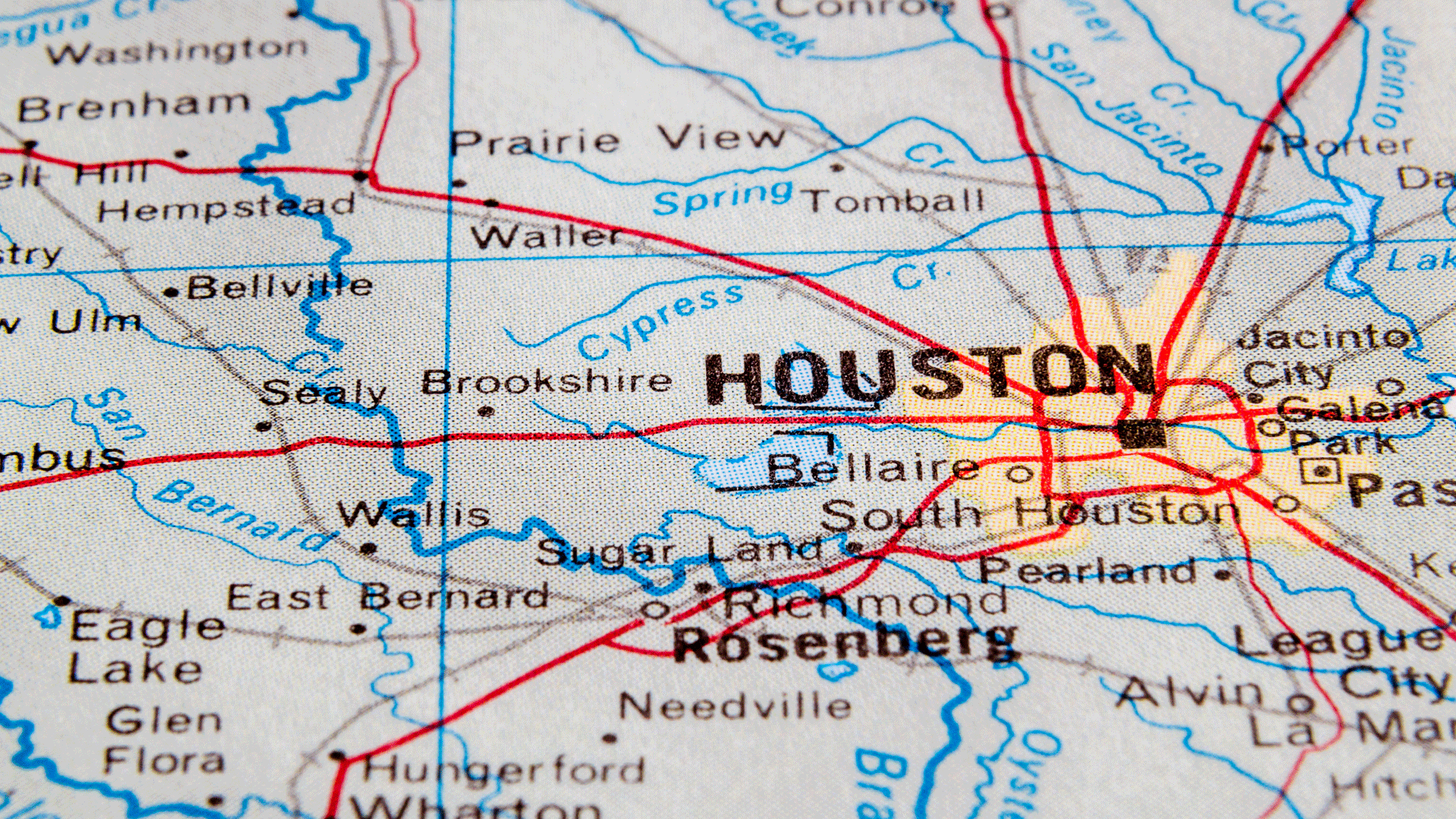
The actual driving distance and time can vary significantly based on your starting point in Texas and your destination in Ohio. For instance, a journey from Dallas, Texas to Columbus, Ohio typically covers about 1,200 miles and can take 18 to 19 hours of pure driving time. If your trip originates from Houston, Texas and targets Cleveland, Ohio, you’re looking at roughly 1,400 miles and a driving duration of 22 to 23 hours.
It’s crucial to understand that these figures represent non-stop driving, which is neither practical nor safe for such a long haul. To ensure a comfortable and secure journey, most travelers break this trip into two to three days. This allows for adequate rest, meal breaks, and even some sightseeing along the way. Factors like traffic congestion, construction delays, weather conditions, and the frequency of stops for gas and food will all impact your total travel time. Therefore, always build in extra buffer time when planning your itinerary. For those interested in more adventurous travel, considering camping or unique accommodation options in nature reserves along the route can add another dimension to the lifestyle aspect of the trip, turning a simple drive into an immersive travel experience.
Mapping Your Route: Key Interstates and Scenic Byways
Navigating the vast distances between Texas and Ohio largely involves a network of well-maintained Interstate highways. Common routes often utilize a combination of major arteries:
- For travelers from Northern Texas (e.g., Dallas) to Central Ohio (e.g., Columbus): You might take I-40 or I-44 eastward through Oklahoma and Missouri, connecting to I-55 North near St. Louis. From there, various routes lead into Ohio, often involving I-70 East, which bisects Ohio and passes through Columbus.
- For travelers from Southern Texas (e.g., Houston) to Northern Ohio (e.g., Cleveland): A common path might involve I-45 North out of Houston, connecting to I-30 East towards Little Rock, Arkansas. From there, I-57 North leads into Missouri, eventually merging with I-55. Alternatively, some routes might take you through Louisiana and Mississippi via I-20 and I-59 to eventually pick up I-65 North, which runs through Nashville and Louisville before connecting to I-71 in Kentucky, leading directly to Cincinnati and Cleveland in Ohio.
While the Interstates offer efficiency, don’t hesitate to consult mapping apps for alternatives that might include scenic byways or roads that pass through interesting towns. These can transform a functional drive into a journey of discovery, offering glimpses of local culture and unique attractions that major highways often bypass. Planning these detours can elevate your travel experience, making it more about the journey than just the destination.
Essential Stops and Accommodation Along the Way
Breaking up your drive is not just about rest; it’s an opportunity to discover hidden gems and major landmarks in the states you’ll traverse. Key cities that make excellent overnight stops include:
- St. Louis, Missouri: Located roughly halfway for many routes, St. Louis offers iconic attractions like the Gateway Arch, a symbol of westward expansion, and the City Museum. Accommodation options here range from budget-friendly motels to upscale hotels and boutique stays, catering to diverse lifestyle preferences.
- Nashville, Tennessee: For those on a southern route, Music City Nashville is an irresistible stop. Explore the Country Music Hall of Fame and Museum, catch live music on Broadway, and savor delicious Southern cuisine. Nashville boasts a vibrant hotel scene, from luxury resorts to charming bed and breakfasts, suitable for family trips or business stays.
- Memphis, Tennessee: Another fantastic option along southern routes, Memphis is famed for its music history, from Graceland to Beale Street. It’s a prime example of a city where local culture thrives, offering unique experiences and accommodation.
- Indianapolis, Indiana: As you get closer to Ohio, Indianapolis offers a convenient and engaging stop. Home to the Indianapolis Motor Speedway and a bustling downtown, it has a variety of hotels and restaurants to refresh travelers.
When planning your overnight stays, consider your budget and travel style. For budget travelers, roadside motels and economy hotels offer practical and affordable options. Mid-range travelers can find comfortable hotel chains with amenities like pools and complimentary breakfast. Those seeking luxury travel might explore upscale resorts or boutique hotels that offer unique experiences and exceptional service. Booking accommodation in advance, especially during peak travel seasons, is highly recommended to secure the best rates and availability. Utilizing online booking platforms and comparison sites can help you find deals on suites, apartments, or traditional hotel rooms.
Soaring Through the Skies: Air Travel Between the States
For speed and convenience, flying is undoubtedly the most efficient way to travel between Texas and Ohio. It drastically cuts down on travel time, making it ideal for business trips, short vacations, or those with limited time.
Flight Durations and Major Hubs
Direct flights between major cities in Texas and Ohio typically range from 2 to 4 hours. However, flights with layovers can extend the journey to 4 to 7 hours or even longer, depending on the connection cities and wait times.
Both states boast several major international airports that serve as crucial hubs for domestic and international travel:
In Texas:
- Dallas/Fort Worth International Airport (DFW) is one of the busiest airports globally, offering extensive connections.
- George Bush Intercontinental Airport (IAH) in Houston serves as another major gateway.
- Austin-Bergstrom International Airport (AUS) in Austin provides a growing number of direct routes.

In Ohio:
- Cleveland Hopkins International Airport (CLE) is the largest airport in Northern Ohio.
- Port Columbus International Airport (CMH) serves the state capital.
- Cincinnati/Northern Kentucky International Airport (CVG), though technically in Kentucky, is the primary airport for the Cincinnati metropolitan area.
When booking flights, consider factors such as airline loyalty programs, baggage allowances, and the flexibility of your ticket. For business travelers, direct flights often take precedence, while family trips might prioritize cost-effectiveness, even if it means a layover. Always compare prices across different airlines and booking sites to find the best deals for your travel needs.
Connecting Your Journey: Airport to City Travel and Accommodation
Upon arrival, seamless transfer from the airport to your final destination is crucial. All major airports in Texas and Ohio offer a variety of ground transportation options:
- Rental Cars: Ideal for travelers who plan to explore independently or have multiple destinations.
- Ride-sharing Services (Uber/Lyft): Convenient for direct transfers to city centers or hotels.
- Taxis: Readily available at designated airport stands.
- Public Transportation: Many airports are connected to city bus lines or rail systems, offering a cost-effective alternative. For instance, Cleveland Hopkins International Airport (CLE) has a direct rail link to downtown Cleveland.
Regarding accommodation, many airport hotels provide convenient stays for early morning flights or late-night arrivals, often featuring complimentary shuttle services. For those heading directly into the city, explore hotels in central business districts or popular tourist areas. From luxury suites to extended-stay apartments, the choices are vast. Consider hotels with specific amenities that enhance your lifestyle, such as fitness centers, pools, or business lounges.
Beyond the Basics: Exploring Texas and Ohio
Whether you arrive by air or road, both Texas and Ohio offer a rich array of attractions, cultural experiences, and unique landmarks that cater to all interests. Diving into the local tourism scene can transform any trip from a simple transit into an enriching adventure.
Iconic Landmarks and Attractions in Texas
Texas, the second-largest state, is renowned for its diverse landscapes, rich history, and vibrant cities.
- The Alamo in San Antonio: A crucial historical landmark, this mission-turned-fortress is a poignant reminder of the Texas Revolution. While in San Antonio, stroll along the picturesque Riverwalk, a network of riverside pathways lined with shops, restaurants, and hotels.
- NASA Space Center Houston: Immerse yourself in the wonders of space exploration at the official visitor center for NASA’s Johnson Space Center. It’s a fascinating destination for family trips and science enthusiasts alike.
- Dallas Culture and History: Explore the Sixth Floor Museum at Dealey Plaza, which chronicles the assassination and legacy of President John F. Kennedy. Dallas also offers world-class shopping, dining, and vibrant arts districts.
- Austin’s Live Music Scene: Known as the “Live Music Capital of the World,” Austin boasts countless venues, from intimate clubs to large concert halls. Experience the city’s unique blend of music, food, and quirky lifestyle.
Beyond the cities, Texas offers expansive national parks, delicious BBQ joints, and authentic rodeo experiences that showcase the state’s iconic cowboy culture.
Discovering Ohio’s Rich Culture and Entertainment
Ohio, often called the “Buckeye State,” is a hub of innovation, history, and diverse entertainment, with a strong focus on community and local culture.
- Rock and Roll Hall of Fame in Cleveland: This iconic museum is a pilgrimage site for music lovers, celebrating the legends and history of rock and roll. While in Cleveland, enjoy its revitalized waterfront, culinary scene, and various cultural institutions.
- Cedar Point in Sandusky: Renowned as “America’s Roller Coast,” this amusement park offers thrilling rides and family-friendly entertainment, making it a perfect destination for family trips.
- Cincinnati’s Historic Charm: Visit the National Underground Railroad Freedom Center, which tells the stories of freedom’s heroes. Explore the historic Over-the-Rhine district with its stunning architecture and vibrant food scene.
- Columbus’s Urban Appeal: As the state capital, Columbus combines urban sophistication with Midwestern charm. Discover the historic German Village, a charming neighborhood with brick houses, unique shops, and quaint restaurants.
- Hocking Hills State Park: For nature enthusiasts, Hocking Hills offers breathtaking natural beauty with towering cliffs, deep gorges, stunning waterfalls, and caves, providing an excellent outdoor experience and a change of pace from urban attractions.
From the vibrant arts scene in Columbus to the serene beauty of Lake Erie, Ohio offers a spectrum of experiences for every visitor, highlighting its unique blend of industrial heritage and natural splendor.
Planning Your Trip: Tailoring Your Journey to Your Lifestyle
The journey from Texas to Ohio can be as unique as the traveler taking it. Considering your personal preferences and constraints is key to creating an unforgettable travel experience.
Budget, Luxury, and Family Travel Considerations
Your budget and lifestyle choices will significantly influence your travel plans:
- Budget Travelers: For those looking to minimize costs, driving and opting for budget-friendly accommodation like roadside motels, hostels, or even camping can be ideal. Taking the bus or train (if routes are favorable) can also be a cheaper alternative, though often slower. Cooking some of your meals and packing snacks for a road trip can further reduce expenses. Exploring free attractions and taking advantage of hotel amenities like complimentary breakfast are smart strategies.
- Luxury Travelers: If comfort and convenience are paramount, flying first-class, utilizing private car services, and staying in opulent resorts or boutique hotels are excellent choices. Consider booking suites with premium amenities, dining at high-end restaurants, and enjoying personalized travel experiences. Many hotels offer exclusive packages and services that cater to a luxurious lifestyle.
- Family Trips: Traveling with family requires careful planning. For road trips, having entertainment for children, frequent stops, and family-friendly accommodation with pools or play areas are essential. When flying, consider direct flights to minimize stress, and look for hotels that offer spacious suites or connecting rooms. Research attractions that appeal to all ages in both Texas and Ohio and along your route. Many resorts specialize in family experiences, offering activities and childcare services.
Beyond Driving and Flying: Other Transport Options
While driving and flying are the most common modes of transport, other options exist for those with different preferences or needs:
- Bus Travel (e.g., Greyhound): Buses offer a significantly cheaper alternative to flying or driving, but the journey time will be considerably longer – potentially 24-36 hours or more with transfers. This option is best suited for budget travelers who prioritize cost savings over speed and comfort. Bus travel provides a unique perspective on the American landscape and allows for rest without the demands of driving.
- Train Travel (e.g., Amtrak): Amtrak offers routes that can connect Texas to Ohio, though often requiring transfers and taking much longer than driving or flying. However, train travel can be a very scenic and relaxing experience, allowing passengers to enjoy the journey without the stress of navigating. This could be an excellent option for those seeking a leisurely pace, with opportunities to see parts of the United States that aren’t visible from major highways, such as crossing the Mississippi River at a relaxed pace. Accommodation options on long-distance trains can range from coach seats to private rooms, catering to different comfort levels and budgets.
In conclusion, the distance from Texas to Ohio is considerable, but the journey itself can be a highlight of your travel experience. Whether you choose the open road for an epic adventure, the swift convenience of air travel, or the relaxed pace of alternative transport, careful planning ensures a trip that perfectly aligns with your travel goals. Embrace the opportunity to explore the diverse landscapes, rich histories, and unique cultures that lie between these two remarkable American states, and let your journey be as fulfilling as your destination.