
Embarking on a journey across the vast expanse of the United States is an adventure filled with diverse landscapes, vibrant cultures, and unforgettable experiences. Among the most popular routes for travelers, both domestic and international, is the captivating stretch between the Lone Star State, Texas, and the Sunshine State, Florida. These two giants of the American South offer a stark contrast of experiences, from sprawling ranches and historic battlefields to sun-kissed beaches and world-famous theme parks. The question, “How far is Texas to Florida?” isn’t just about mere mileage; it’s an inquiry into the time commitment, the modes of travel, and the incredible opportunities for discovery that lie between these two iconic destinations.
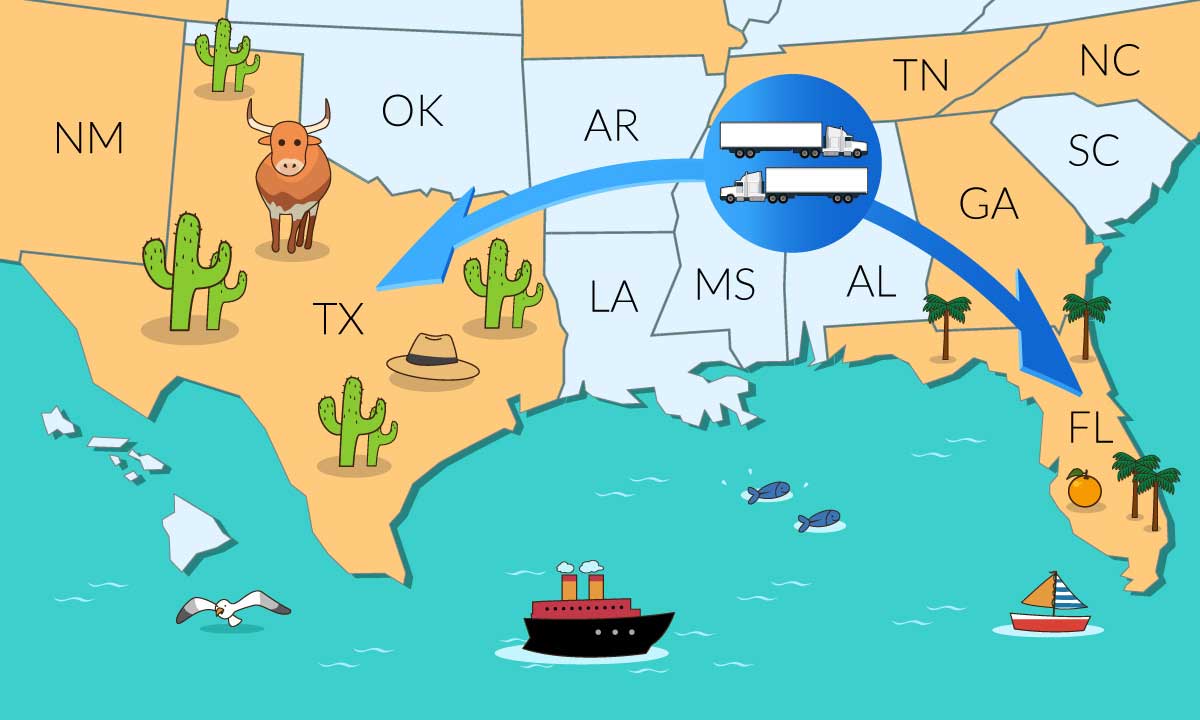
Whether you’re planning an epic cross-country road trip, seeking a swift flight, or exploring other travel alternatives, understanding the distance and associated factors is crucial for an enjoyable and well-organized journey. This comprehensive guide will delve into the practicalities of traveling from Texas to Florida, covering everything from travel times and costs to must-see attractions along the way and essential tips for planning your perfect escape.
Calculating the Distance: Understanding the Texas to Florida Span
The distance between Texas and Florida is substantial, spanning several states and offering varied travel times depending on your chosen mode of transport and specific start and end points. Given the sheer size of both states, the exact mileage can fluctuate considerably. For instance, traveling from a city in eastern Texas will naturally be shorter than from its western reaches.
The Road Trip Perspective: Miles and Hours on I-10
For many adventurous souls, a road trip is the quintessential way to experience the diversity of the American South. The primary artery connecting Texas and Florida by road is Interstate 10, a transcontinental highway that hugs the Gulf Coast.
Let’s consider some common city-to-city routes:
- Houston, Texas to Miami, Florida: This is one of the longest and most popular routes. The driving distance typically ranges from 1,180 to 1,250 miles, which translates to approximately 18 to 20 hours of pure driving time. This means a realistic trip, accounting for fuel stops, meals, and overnight stays, would span at least two to three days.
- Dallas, Texas to Orlando, Florida: From the northern Texas metropolis to the theme park capital, this journey covers about 1,100 to 1,200 miles. Driving time is similar to the Houston-Miami route, averaging 17 to 19 hours without stops. Plan for two to three days to enjoy the drive and explore points of interest.
- San Antonio, Texas to Tampa, Florida: A trip from the historic heart of Texas to Florida’s vibrant west coast city covers around 1,000 to 1,100 miles, taking approximately 15 to 17 hours of driving.
These estimates are for non-stop driving, which is rarely advisable or practical. Factor in an extra 25-30% of time for breaks and potential traffic delays, especially when passing through major cities like New Orleans or Mobile. The beauty of a road trip, of course, lies in these very stops and the flexibility to deviate from the planned route.
Taking Flight: Air Travel Durations and Major Hubs
For those prioritizing speed and convenience, air travel is the obvious choice. Flying significantly reduces the travel time, making it possible to traverse the distance between Texas and Florida in just a few hours.
- Direct Flights: A non-stop flight from a major Texas airport like Dallas/Fort Worth International Airport (DFW) or George Bush Intercontinental Airport (IAH) to Florida hubs such as Miami International Airport (MIA), Orlando International Airport (MCO), or Tampa International Airport (TPA) typically ranges from 2.5 to 3.5 hours.
- Connecting Flights: If your chosen route involves a layover, the total travel time can extend to 5 to 8 hours or more, depending on the duration of the stop and the connecting airport.
When factoring in air travel, remember to account for time spent getting to and from the airport, check-in, security procedures, and baggage claim. A “quick” 3-hour flight often translates to a 6-8 hour door-to-door journey. Despite this, it remains the quickest way to cover the geographical distance, making it ideal for short trips or when time is of the essence.
Embarking on the Journey: Choosing Your Mode of Transport
The decision between driving and flying often boils down to budget, time constraints, and your personal travel style. Each option offers a unique set of advantages and challenges.
The Allure of the American Road Trip: What to Expect
The road trip from Texas to Florida is more than just transportation; it’s an experience in itself. It’s perfect for those who love flexibility, spontaneous detours, and soaking in the regional flavors of the South.
Pros:
- Flexibility: You dictate your schedule, stops, and sightseeing.
- Cost-Effective for Groups: When traveling with family or friends, splitting gas and accommodation costs can be more economical than individual flight tickets.
- Scenic Exploration: Discover hidden gems, local eateries, and unique landmarks not visible from a plane.
- Luggage Freedom: No strict baggage limits or extra fees.
Cons:
- Time-Consuming: Requires a significant time commitment, typically 2-3 full days of driving.
- Fatigue: Long hours behind the wheel can be tiring.
- Vehicle Wear and Tear: Adds mileage and potential maintenance concerns to your car.
- Fuel Costs: Can add up, especially with fluctuating gas prices.
Tips for a Successful Road Trip:
- Vehicle Check: Ensure your car is in top condition before departure (tires, oil, fluids).
- Navigation: Use reliable GPS apps like Google Maps or Waze, and consider an offline map option.
- Packing Essentials: Bring snacks, water, a first-aid kit, car charger, and entertainment for passengers.
- Accommodation: Book overnight stays in advance, especially during peak seasons. Look for comfortable hotels or motels in cities like New Orleans, Mobile, or Biloxi that offer easy access from I-10. Many options range from budget-friendly chains to charming boutique hotels.
- Share Driving: If possible, rotate drivers to mitigate fatigue.
- Budgeting: Allocate funds for gas, food, and unexpected expenses.
The Efficiency of Air Travel: Tips for Seamless Flights
Flying is ideal for business travelers, those with limited vacation time, or anyone preferring to minimize travel duration.
Pros:
- Speed: Reach your destination in a fraction of the time compared to driving.
- Comfort: Avoid the fatigue of long-distance driving.
- Wider Reach: Access smaller airports or specific destinations more directly.
Cons:
- Cost: Flights can be more expensive, especially for last-minute bookings or multiple travelers.
- Less Flexible: Adherence to airline schedules, limited itinerary changes.
- Airport Hassles: Security lines, potential delays, and the overall airport experience.
- Baggage Restrictions: Limits on weight and size, often with additional fees.
Tips for Booking Flights:
- Book in Advance: Generally, booking 2-3 months out yields the best prices.
- Be Flexible with Dates: Flying on weekdays or during off-peak seasons can significantly reduce costs.
- Consider Budget Airlines: Carriers like Southwest, Spirit, and Frontier often offer competitive fares, but be aware of extra fees for baggage and seat selection.
- Compare Airports: Sometimes flying into a slightly smaller airport near your destination can be cheaper. For instance, in Florida, consider Fort Lauderdale-Hollywood International Airport (FLL) instead of MIA for South Florida, or Orlando Sanford International Airport (SFB) instead of MCO for Central Florida.
- Airport Transfers: Plan how you’ll get from the airport to your accommodation (rental car, ride-share, shuttle).

Alternative Transit: Bus and Train Considerations
While less popular for this long-haul route, bus and train services offer alternatives for budget-conscious travelers or those who prefer not to drive or fly.
- Bus Travel (Greyhound): Generally the most economical option, but also the slowest. A bus trip from Houston to Miami could take anywhere from 24 to 30+ hours, with multiple stops and transfers. It’s a no-frills experience best suited for very flexible travelers.
- Train Travel (Amtrak): Amtrak offers a more comfortable experience than buses, often with sleeping accommodations available. The “Sunset Limited” route connects Texas to New Orleans, where you can connect to the “Crescent” or “Silver Service” lines heading into Florida. Total travel time from Texas to Florida by train can range from 25 to 35 hours, depending on connections. While slower than flying, it offers a unique, scenic journey without the stress of driving.
A Journey of Discovery: Highlights Along the Way
The road trip between Texas and Florida is a fantastic opportunity to explore the rich culture and diverse landscapes of the Southern United States. Driving along I-10 takes you through Louisiana, Mississippi, and Alabama, each offering unique attractions and experiences.
Louisiana’s Vibrant Culture and Cuisine
Crossing the border into Louisiana is like entering another country. The state is a melting pot of French, Spanish, African, and Caribbean influences, especially evident in its food and music.
- New Orleans: A must-stop. Wander through the historic French Quarter, listen to live jazz on Bourbon Street or Frenchmen Street, and indulge in culinary delights like beignets, gumbo, and jambalaya. Consider staying at one of the many charming boutique hotels or historic bed & breakfasts in the city for an authentic experience.
- Baton Rouge: The state capital offers historical sites like the Old State Capitol and the USS Kidd Veterans Memorial.
- Cajun Country: Explore the bayous and swamps with an airboat tour, sample authentic Cajun food, and experience local music in towns like Lafayette.
Southern Charms of Mississippi and Alabama
Continuing eastward, Mississippi and Alabama offer a glimpse into the heart of the Deep South, with their rich history, stunning Gulf Coast beaches, and welcoming hospitality.
- Mississippi Gulf Coast: Cities like Biloxi and Gulfport are known for their casinos, white-sand beaches, and fresh seafood. It’s a great spot for an overnight stay at a resort-style hotel.
- Mobile, Alabama: This historic port city boasts a charming downtown with antebellum homes, beautiful gardens, and a vibrant Mardi Gras tradition predating New Orleans. Don’t miss the USS Alabama Battleship Memorial Park.
- Pensacola, Florida: Technically in Florida, but geographically a part of this corridor, Pensacola is a historic city with stunning Emerald Coast beaches. Visit the National Naval Aviation Museum for a fascinating look at aviation history.
Florida’s Panhandle: A Beach Lover’s Paradise
As you officially enter Florida, the Panhandle region serves as a fantastic introduction to the Sunshine State’s famous beaches and coastal lifestyle.
- Destin: Known as the “World’s Luckiest Fishing Village,” Destin offers pristine white-sand beaches, emerald green waters, and excellent deep-sea fishing charters. There are numerous resorts and vacation rentals perfect for family stays.
- Panama City Beach: A popular destination for spring breakers and families alike, offering vibrant nightlife, amusement parks, and over 27 miles of beautiful beaches. Accommodation ranges from high-rise condos to budget-friendly hotels.
Destination Deep Dive: Exploring Texas and Florida’s Wonders
Upon reaching your destination, both Texas and Florida promise an abundance of attractions, diverse cultures, and unique lifestyle experiences that cater to every type of traveler.
Texas: Beyond the Lone Star State Stereotypes
Texas is more than just cowboys and oil rigs; it’s a state of immense diversity, boasting bustling metropolises, rich history, and stunning natural beauty.
- Houston: A global city known for its vibrant arts scene, world-class dining, and the NASA Space Center Houston. Don’t miss the Museum District and Hermann Park. Accommodation options range from luxury hotels downtown to extended-stay apartments for longer visits.
- Dallas / Fort Worth: A dynamic duo offering high fashion, impressive museums (like the Sixth Floor Museum at Dealey Plaza), and true Western heritage at the Fort Worth Stockyards National Historic District.
- San Antonio: Home to the iconic Alamo and the enchanting San Antonio River Walk, this city blends history with vibrant Mexican-American culture.
- Austin: The “Live Music Capital of the World” is a quirky, progressive hub known for its incredible food scene (especially BBQ), outdoor activities, and thriving tech industry.
- Lifestyle & Accommodation: From opulent resorts and boutique hotels in major cities to charming B&Bs in historic towns and ranch stays, Texas offers accommodation for every budget and preference. Experience true Texas hospitality with authentic BBQ joints, live music venues, and friendly locals.
Florida: The Diverse Offerings of the Sunshine State
Florida is synonymous with sunshine, beaches, and theme parks, but its appeal extends far beyond these stereotypes, offering rich natural environments, diverse cultural hubs, and endless recreation.
- Orlando: The undisputed theme park capital, home to Walt Disney World Resort, Universal Studios Florida, and SeaWorld Orlando. It’s a family-friendly paradise with endless entertainment. Resorts and vacation villas are abundant, catering to all sizes of groups and budgets.
- Miami: A vibrant, multicultural metropolis celebrated for its stunning South Beach, Art Deco architecture, thriving nightlife, and rich Cuban influence in areas like Little Havana. Luxury hotels and stylish apartments dominate the accommodation scene here.
- Tampa: On the Gulf Coast, Tampa offers a blend of historic charm (Ybor City), family attractions (Busch Gardens Tampa Bay), and a growing culinary scene.
- Florida Keys: A chain of tropical islands leading to Key West, famous for its vibrant atmosphere, watersports, and stunning sunsets.
- Natural Wonders: Explore the unique ecosystem of the Everglades National Park, relax on the pristine beaches of Siesta Key, or discover the natural springs of Central Florida.
- Lifestyle & Accommodation: From sprawling luxury resorts with all-inclusive amenities to cozy beachside bungalows, apartments, and boutique hotels, Florida caters to every travel style. Enjoy fresh seafood, diverse international cuisine, and a plethora of outdoor activities.
Essential Travel Planning: Tips for a Smooth Trip
Regardless of your chosen mode of transport, a well-planned trip ensures a stress-free and enjoyable experience.
Accommodation and Budgeting: Where to Stay and How to Save
Finding the right accommodation and managing your budget are key components of successful travel.
- Booking in Advance: Especially for popular destinations like Orlando or Miami, booking hotels, resorts, or vacation rentals several months ahead can secure better rates and availability.
- Variety of Options: Websites like
lifeoutofthebox.comoffer comprehensive guides and comparisons for various accommodation types, from luxury suites and family-friendly resorts to budget motels and long-term stay apartments. - Consider Loyalty Programs: If you frequently stay with a particular hotel chain, leverage their loyalty programs for discounts or upgrades.
- Budget Travel: Look for accommodations slightly outside major tourist zones for better value. Consider hostels, guesthouses, or short-term apartment rentals through platforms like Airbnb or Vrbo.
- Luxury Travel: Texas and Florida both boast numerous five-star hotels and opulent resorts offering concierge services, fine dining, and lavish spas for an indulgent experience.
- Dining: Balance fine dining with local eateries and self-catering options to manage food expenses. Farmers’ markets offer fresh produce for picnics.
Seasonal Travel and Weather Considerations
The climate in Texas and Florida can vary significantly by season and region.
- Summer (June-August): Hot and humid across both states, with a higher chance of thunderstorms, especially in Florida. This is peak hurricane season in the Gulf Coast and Atlantic regions, so consider travel insurance.
- Spring (March-May) & Fall (September-November): Generally the most pleasant times to visit, with milder temperatures and fewer crowds. Ideal for outdoor activities and sightseeing.
- Winter (December-February): Mild in most of Florida and South Texas, making it a popular escape from colder climates. North Texas can experience colder temperatures and occasional ice.

Safety and Packing Smart
- Road Safety: If driving, ensure your vehicle is road-ready, carry emergency supplies, and get sufficient rest. Be aware of speed limits and local driving laws.
- City Safety: In urban areas, be mindful of your surroundings, especially at night. Secure valuables and avoid displaying expensive items.
- Travel Insurance: Highly recommended for both flights and road trips, covering emergencies, cancellations, and unexpected events.
- Packing: Pack light, breathable clothing for the warm Southern climate. Include swimwear, sunscreen, insect repellent, and comfortable walking shoes. Layers are advisable for cooler evenings or air-conditioned indoor spaces. Don’t forget portable chargers and any necessary medications.
In conclusion, the journey from Texas to Florida offers a wealth of travel possibilities and experiences. Whether you choose the immersive adventure of a road trip, the efficiency of air travel, or a more leisurely pace by bus or train, careful planning will ensure a memorable and enjoyable exploration of these magnificent American states. From the vibrant cities and historical landmarks of Texas to the stunning beaches and thrilling attractions of Florida, your journey will be as rewarding as the destinations themselves.
LifeOutOfTheBox is a participant in the Amazon Services LLC Associates Program, an affiliate advertising program designed to provide a means for sites to earn advertising fees by advertising and linking to Amazon.com. Amazon, the Amazon logo, AmazonSupply, and the AmazonSupply logo are trademarks of Amazon.com, Inc. or its affiliates. As an Amazon Associate we earn affiliate commissions from qualifying purchases.