
Embarking on a journey to the magnificent Grand Canyon is a quintessential American adventure, a pilgrimage to one of the world’s most breathtaking natural wonders. For many travelers, the vibrant city of Phoenix, Arizona, serves as a convenient and exciting gateway to this geological marvel. The question of “how far” isn’t merely about miles; it’s about the planning, the scenic routes, the optimal timing, and the experiences that connect these two iconic Arizona destinations. Understanding the logistics of this trip from Phoenix to the Grand Canyon National Park is the first step in crafting an unforgettable itinerary that blends urban comfort with raw, natural beauty.
This guide will navigate you through everything you need to know, from the practicalities of distance and transportation to the immersive experiences awaiting you at the Grand Canyon, along with insightful tips on accommodation, attractions, and how to seamlessly integrate this epic excursion into a broader Arizona adventure. Whether you’re a luxury traveler seeking bespoke experiences, a budget-conscious explorer, a family on vacation, or a business traveler looking for a weekend escape, the journey from Phoenix to the Grand Canyon offers myriad possibilities to suit every lifestyle.
The Journey from Phoenix to the Grand Canyon: Distance and Routes
The drive from Phoenix to the Grand Canyon is more than just a commute; it’s an integral part of the adventure, winding through diverse landscapes that showcase Arizona’s stunning topography. Knowing the distance and understanding your transportation options are crucial for efficient trip planning.
Understanding the Distance and Drive Time
The most common and accessible part of the Grand Canyon for visitors coming from Phoenix is the South Rim. The average driving distance from downtown Phoenix to the Grand Canyon South Rim is approximately 230 miles (370 kilometers). This translates to an estimated 3.5 to 4 hours of driving time without significant stops. However, this is a conservative estimate; factors like traffic, road construction, weather conditions (especially during winter months at higher elevations), and the inevitable desire to stop for scenic photos or a stretch can easily extend this duration.
It’s important to note that the Grand Canyon North Rim is considerably further and less accessible from Phoenix, requiring a much longer drive of over 6-7 hours and is only open seasonally (typically mid-May to mid-October). Therefore, nearly all day-trippers and first-time visitors from Phoenix will head to the South Rim.
Popular Routes and Scenic Drives
The primary route from Phoenix to the Grand Canyon South Rim is straightforward and well-traveled, primarily utilizing Interstate 17 North.
-
I-17 North to Flagstaff, then AZ-64 North: This is the most direct path. You’ll take Interstate 17 North from Phoenix through high-desert landscapes that gradually ascend into the cooler, pine-forested mountains surrounding Flagstaff. Flagstaff itself is a charming mountain town and a popular stopover. From Flagstaff, you can either take US-180 West or continue on Interstate 40 West for a short stretch to Williams, then head north on Route 64 directly to the South Rim entrance.
- The Williams Detour: Many travelers opt to go via Williams, a historic town that proudly embraces its Route 66 heritage. This adds a little extra driving time but offers a nostalgic experience, with classic diners, gift shops, and the opportunity to board the Grand Canyon Railway (more on this below).
- Scenic Stops: Along Interstate 17, consider a detour to Sedona for its stunning red rock formations, spiritual vortexes, and vibrant arts scene. This adds approximately 1-1.5 hours to your drive but is a highly recommended side trip for many. Alternatively, the Montezuma Castle National Monument near Camp Verde offers a glimpse into ancient Sinaguan cliff dwellings and is a quick, fascinating stop.
Alternative Transportation Options
While driving offers the most flexibility, other options cater to different preferences and budgets.
- Bus Tours: Numerous reputable tour operators offer guided bus tours from Phoenix to the Grand Canyon. These tours typically include round-trip transportation, park entrance fees, knowledgeable guides, and often stop at key viewpoints. They are an excellent option for those who prefer not to drive or want a stress-free experience with expert commentary. Some tours may even combine the Grand Canyon with other nearby attractions like Sedona.
- Flights: For travelers prioritizing time over budget, small regional flights are available from Phoenix Sky Harbor International Airport (PHX) to Grand Canyon National Park Airport (GCN) near Tusayan, just outside the South Rim entrance. These flights are short (around 1 hour) but can be expensive. From GCN, you’ll still need ground transportation to the various viewpoints and facilities within the park.
- Train (via Williams): The Grand Canyon Railway offers a unique and nostalgic way to reach the South Rim from Williams. You would first drive from Phoenix to Williams (approximately 2.5 hours), park your car, and then embark on a scenic train ride to the park. This historic train journey, often featuring cowboy entertainment, provides a leisurely and memorable approach to the canyon, allowing you to bypass parking hassles at the busy South Rim.
Exploring the Grand Canyon: A Natural World Heritage Site
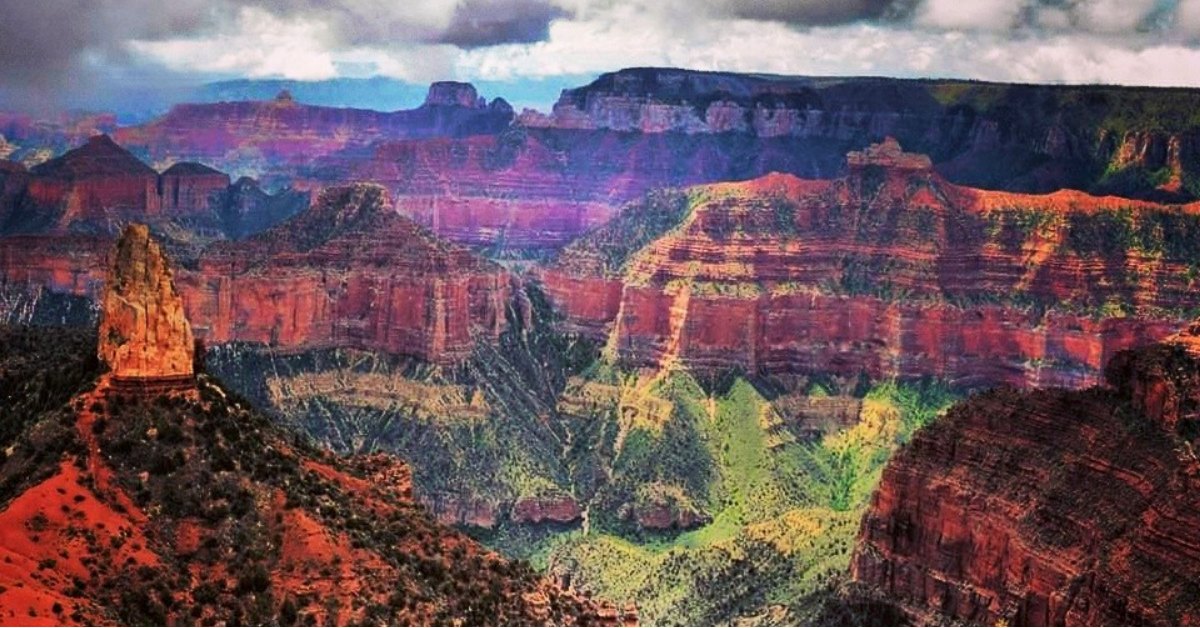
Once you arrive at the Grand Canyon, an unparalleled panorama of geological grandeur awaits. This UNESCO World Heritage Site is far more than just a large hole in the ground; it’s a dynamic landscape offering a myriad of experiences, from quiet contemplation to adrenaline-pumping adventures.
Grand Canyon South Rim vs. North Rim
Understanding the differences between the South Rim and the North Rim is key to planning your visit, especially when coming from Phoenix.
- The South Rim: This is the most popular and accessible section of the Grand Canyon, open year-round. It’s home to the majority of visitor services, lodges, and iconic viewpoints. Its accessibility from Phoenix, combined with its spectacular, expansive vistas, makes it the default choice for most travelers. The South Rim offers a classic, quintessential Grand Canyon experience.
- The North Rim: Located at a higher elevation (over 8,000 feet vs. 7,000 feet for the South Rim), the North Rim is much less crowded and offers a more secluded, rugged experience. It’s characterized by denser forests, a cooler climate, and different perspectives of the canyon. However, its remote location means fewer services, and it is only open from mid-May to mid-October due to heavy snowfall. The drive from Phoenix to the North Rim is significantly longer (around 6-7 hours), making it less suitable for a short trip.
Given the typical trip from Phoenix, this guide primarily focuses on the South Rim experience.
Must-See Attractions and Activities
The South Rim is dotted with numerous viewpoints and offers a wide array of activities:
- Iconic Viewpoints: Don’t miss the panoramic vistas from Mather Point, Yavapai Point, and Hopi Point (accessible via shuttle bus). For a historical perspective and commanding views, visit the Desert View Watchtower on the eastern end of the rim. Each point offers a unique angle and perspective of the canyon’s immense scale and vibrant colors.
- Hiking Trails: For those eager to descend into the canyon, the Bright Angel Trail and the South Kaibab Trail are popular but challenging options. Remember, hiking down is optional, but hiking back up is mandatory! Only attempt these if you are well-prepared, have sufficient water, and are aware of the extreme conditions. Day hikes usually involve turning around well before reaching the Colorado River at the bottom.
- Unique Experiences:
- Helicopter Tours: Soar above the canyon for a bird’s-eye view, an exhilarating way to grasp its immense scale.
- Whitewater Rafting: For the truly adventurous, multi-day rafting trips on the Colorado River offer an unparalleled perspective from the canyon floor.
- Mule Rides: A traditional way to explore parts of the canyon, offering a unique perspective for those who prefer not to hike. Book well in advance!
- Stargazing: Far from city lights, the Grand Canyon boasts some of the darkest skies in the country, making it an ideal spot for stargazing, especially during ranger-led programs.
- Cultural Insights: While in the region, remember that the Grand Canyon holds deep cultural significance for several Native American tribes, including the Havasupai and Hualapai.
Planning Your Visit: Tips for an Unforgettable Experience
To maximize your Grand Canyon experience, consider these essential planning tips:
- Best Time to Visit: Spring (April-May) and Fall (September-October) offer the most pleasant weather and fewer crowds. Summer (June-August) is hot and extremely busy, while winter (November-March) can bring snow and freezing temperatures, creating a beautiful but challenging environment.
- Entry and Permits: There is an entrance fee per vehicle (or per person if entering without a vehicle). If planning overnight backcountry hiking, you’ll need a separate permit, which is highly competitive.
- Shuttle System: From March through November, private vehicles are restricted on Hermit Road along the South Rim and within Grand Canyon Village. A free, efficient shuttle bus system operates frequently between viewpoints, lodges, and visitor centers. Utilize it!
- Safety First: The desert environment requires vigilance. Stay hydrated by drinking plenty of water, wear sunscreen and a hat, and dress in layers as temperatures can fluctuate dramatically. Heed all warning signs, especially regarding hiking below the rim.
- Book in Advance: Accommodations, especially within the park, and popular tours (helicopter, rafting, mule rides) book up months, even a year, in advance. Plan accordingly.
Accommodation Options Near the Grand Canyon and in Phoenix
Whether you choose to stay within the Grand Canyon National Park, in a charming gateway town, or luxuriate in Phoenix, lodging plays a crucial role in your travel experience. Options range from rustic lodges to opulent resorts, catering to every budget and lifestyle.
Staying Within Grand Canyon National Park
For the most immersive experience, nothing beats staying inside Grand Canyon National Park. These lodges offer unparalleled access to the rim, allowing for early morning sunrises and late evening stargazing without the commute.
- Historic Lodges: The iconic El Tovar Hotel, a National Historic Landmark, offers luxury and unparalleled South Rim views. The rustic and charming Bright Angel Lodge provides a more casual, yet equally historic, stay.
- Modern Lodges: Maswik Lodge and Yavapai Lodge offer more contemporary hotel-style rooms and are popular choices for families.
- North Rim Lodge: On the less-visited North Rim, the Grand Canyon Lodge North Rim offers cabins and hotel rooms with incredible views, but it is only open seasonally.
- Camping: For a more rugged experience, Mather Campground (reservable) and Desert View Campground (first-come, first-served, seasonal) provide opportunities to sleep under the stars.
- Booking: Demand for in-park lodging is extremely high, often requiring reservations 9-12 months in advance, especially for peak seasons.
Gateway Towns: Flagstaff, Williams, Tusayan
If staying within the park isn’t possible or preferred, several gateway towns offer a range of accommodation options just a short drive away.
- Tusayan: Located just 10-15 minutes from the South Rim entrance, Tusayan is the closest option outside the park. It offers several hotels like the Grand Canyon Plaza Hotel and the Best Western Premier Grand Canyon Squire Inn, as well as restaurants and an IMAX theater showcasing the canyon’s grandeur.
- Williams: About an hour’s drive from the South Rim, Williams is a popular choice for its charming Route 66 atmosphere. It’s home to the Grand Canyon Railway Hotel and a variety of motels, diners, and shops, making it a great base for those taking the train or enjoying a small-town vibe.
- Flagstaff: Approximately 1.5 hours from the South Rim, Flagstaff is a larger city with a broader selection of hotels, restaurants, and amenities, including the Little America Hotel Flagstaff. It’s a good option for travelers who prefer more dining and entertainment choices or those combining their Grand Canyon trip with other activities in Northern Arizona.
Phoenix Accommodations: Before and After Your Trip
As your starting and ending point, Phoenix offers a diverse array of accommodations, from sprawling luxury resorts to budget-friendly hotels, allowing you to relax and recharge before or after your canyon adventure.
- Luxury Resorts: The greater Phoenix area, particularly Scottsdale, is renowned for its world-class resorts. Indulge in amenities like championship golf courses, lavish spas, and multiple pools at properties such as The Phoenician, a Luxury Collection Resort, Scottsdale, Arizona Biltmore, A Waldorf Astoria Resort, or Four Seasons Resort Scottsdale at Troon North.
- Boutique Hotels: For a more intimate and unique experience, consider boutique options like the Hotel Palomar Phoenix Cityscape, a Kimpton Hotel, offering stylish design and personalized service in downtown Phoenix.
- Family-Friendly Options: Many hotels across Phoenix, Tempe, and Mesa cater to families with spacious suites, large pools, and kid-friendly dining.
- Budget-Friendly Stays: A wide selection of chain hotels and motels are available throughout the metropolitan area, providing comfortable and affordable options for travelers on a tighter budget.
- Booking in Phoenix: Reservations are advisable, especially during the popular winter and spring months when many flock to Arizona to escape colder climates.
Enhancing Your Arizona Adventure: Beyond the Grand Canyon
The journey to the Grand Canyon from Phoenix is often just one component of a broader Arizona exploration. Integrating other incredible sights and keeping practical tips in mind can transform your trip into an epic southwestern odyssey.
Combining Your Trip with Other Arizona Gems
Arizona is a treasure trove of diverse landscapes and unique attractions. Consider extending your itinerary to include:
- Sedona’s Red Rocks: As mentioned, Sedona is a short detour from Interstate 17 and offers breathtaking red rock scenery, vibrant art galleries, and acclaimed spiritual vortexes. It’s an excellent stop for hiking, relaxation, and capturing stunning photographs.
- Page and Northern Arizona’s Slot Canyons: Further north from the Grand Canyon, near the town of Page, lies another cluster of otherworldly landscapes. Antelope Canyon, with its flowing sandstone walls, requires a guided tour with a Navajo guide. Nearby, Horseshoe Bend offers an iconic vista of the Colorado River’s dramatic meander. Lake Powell, a vast man-made reservoir, is perfect for boating and water activities. This area is often best visited as part of an extended loop from Phoenix, perhaps over several days.
- Petrified Forest National Park: Located in eastern Arizona, this park offers a unique landscape of colorful petrified wood and the painted desert, a striking contrast to the Grand Canyon’s geology.
- Hoover Dam and Las Vegas: For those extending their trip into Nevada, the engineering marvel of Hoover Dam is a significant stop, leading to the dazzling entertainment hub of Las Vegas.
Practical Travel Tips for an Arizona Road Trip
A successful Arizona road trip requires some foresight:
- Car Rental: A rental car is almost essential for maximum flexibility and access to various sights, particularly if you plan to explore beyond the immediate vicinity of the Grand Canyon or utilize options like the Grand Canyon Railway from Williams. Book your vehicle well in advance, especially during peak travel seasons.
- Best Time to Visit: As mentioned, spring and fall offer the most comfortable temperatures for driving and outdoor activities. Summer can be intensely hot in the lower deserts around Phoenix and Sedona, while the Grand Canyon region can still be warm during the day but cool at night. Winter brings potential for snow and road closures in higher elevations.
- Packing Essentials: Layers are key due to temperature fluctuations. Include sturdy hiking shoes, a wide-brimmed hat, sunglasses, plenty of high-SPF sunscreen, a reusable water bottle, and a camera with extra batteries. For evening activities, especially stargazing, pack warmer clothing.
- Food & Dining: From sophisticated Southwestern cuisine in Phoenix and Scottsdale to casual diners in Williams and park-service restaurants, Arizona offers a range of dining experiences. Pack snacks and consider picnic lunches for your time at the Grand Canyon to save time and money.
- Connectivity: While major towns and the Grand Canyon Village area have cell service and Wi-Fi, coverage can be spotty in remote areas of the park and on scenic drives. Download offline maps and any essential information before you go.
Lifestyle Considerations: Luxury, Budget, Family, and Business Travel Approaches
Your travel style will heavily influence your Phoenix to Grand Canyon itinerary.
- Luxury Travel: Opt for bespoke private tours, helicopter excursions directly from Phoenix, and stays at high-end resorts in Phoenix/Scottsdale and historic lodges like El Tovar Hotel at the Grand Canyon. Enjoy gourmet dining experiences and exclusive access.
- Budget Travel: Focus on self-driving, utilizing free park shuttle buses, staying in budget-friendly motels in Williams or Flagstaff, or camping. Pack your own food and water, and enjoy the many free viewpoints and hiking trails.
- Family Trips: Plan for shorter hikes, incorporate ranger programs suitable for children, and choose accommodations with amenities like pools. Ensure plenty of snacks, entertainment for the car ride, and frequent breaks. Consider the Grand Canyon Railway for a fun, engaging travel experience for all ages.
- Business Stays: If combining a business trip in Phoenix with a Grand Canyon visit, efficient planning is key. Consider a guided day tour or a quick flight to maximize your limited time, ensuring you return to Phoenix for your commitments.
In conclusion, the journey from Phoenix to the Grand Canyon is a manageable and highly rewarding experience. With careful planning and an understanding of the available options, you can tailor a trip that perfectly aligns with your interests, budget, and desired level of adventure, creating memories that will last a lifetime in the heart of Arizona’s majestic landscape.