
Embarking on a journey from the vibrant desert oasis of Scottsdale, Arizona, to the majestic chasm of the Grand Canyon is a quintessential American adventure. Often hailed as one of the United States’ most awe-inspiring natural landmarks, the Grand Canyon National Park draws millions of visitors annually. For those vacationing or residing in Scottsdale, the question isn’t if you should visit, but how to best navigate the distance and plan an unforgettable experience. This comprehensive guide will detail everything you need to know about making the trip, from understanding the mileage and drive times to choosing the best routes, accommodation options, and maximizing your visit to this geological marvel. We’ll also delve into why Scottsdale serves as an excellent starting point for such an expedition, blending luxury travel with accessible natural wonders.
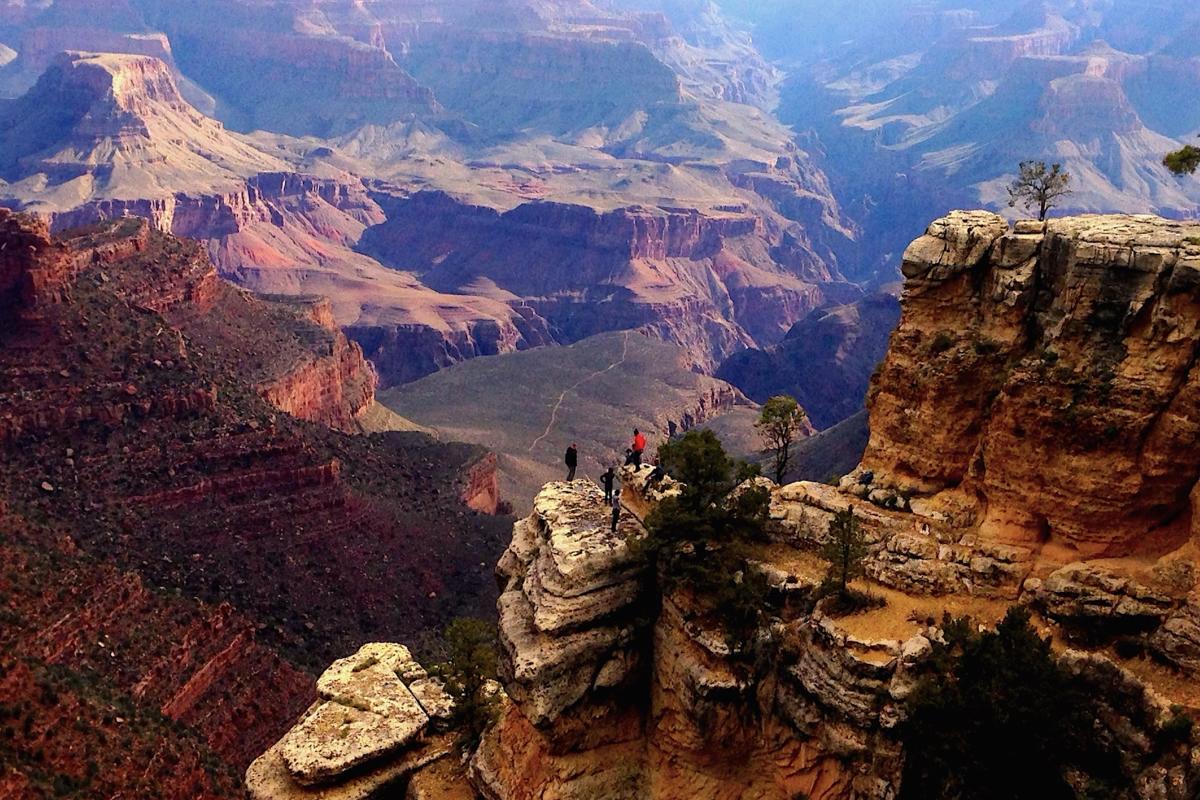
The Journey from Scottsdale to the Grand Canyon: Distance, Routes, and Transport
Understanding the logistics of the trip is the first step in planning your Grand Canyon adventure. While the vastness of the Arizona landscape might seem daunting, the drive is incredibly scenic and manageable.
Understanding the Distance and Drive Time
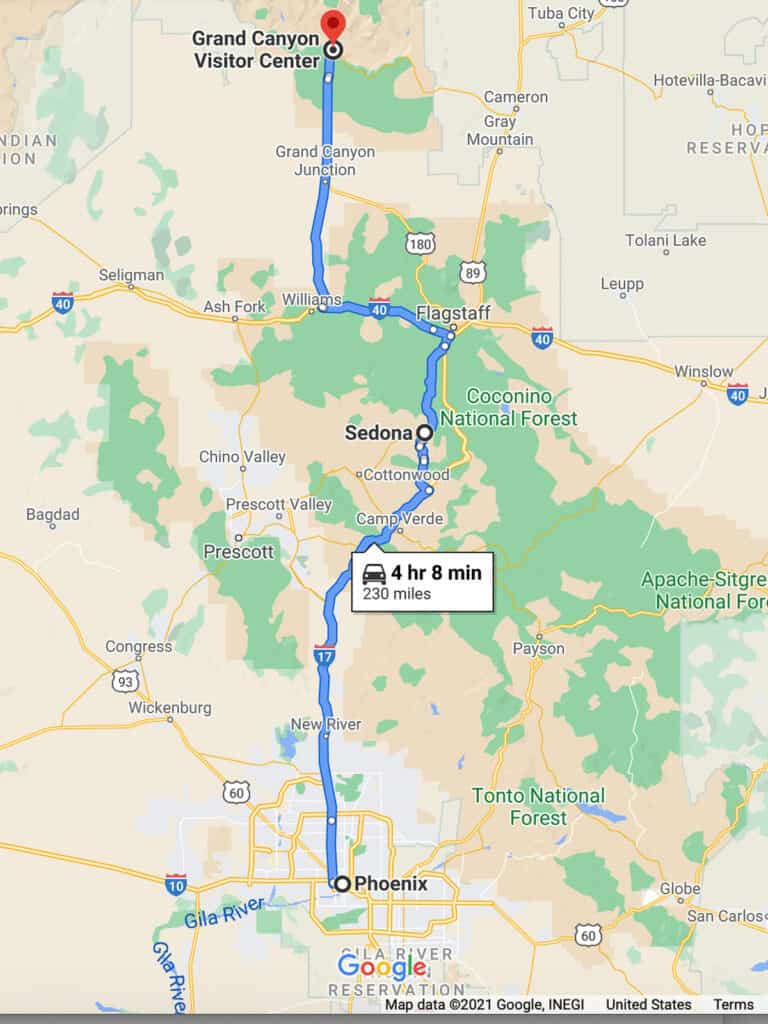
The Grand Canyon is a massive formation, and its accessible areas are divided into different rims. The most popular and accessible section from Scottsdale is the South Rim, located within Grand Canyon National Park. The distance from Scottsdale to the Grand Canyon South Rim is approximately 230 to 250 miles (370 to 400 kilometers), depending on your specific starting point in Scottsdale and your destination within the South Rim (e.g., Grand Canyon Village or Desert View Watchtower).
The average driving time for this journey is typically 3.5 to 4.5 hours, without significant stops. However, it’s advisable to factor in additional time for fuel stops, restroom breaks, and perhaps a quick detour to explore charming towns along the way. Remember that travel times can fluctuate based on traffic, especially during peak tourism seasons or around major holidays. The other popular but less common option, the Grand Canyon West Rim, is a different journey entirely, often closer to Las Vegas and primarily known for the Grand Canyon Skywalk, a separate attraction managed by the Hualapai Tribe. From Scottsdale, the West Rim is about 220 miles, but the drive can take around 4 to 4.5 hours due to varying road conditions and speeds, and it offers a significantly different experience from the National Park.
Popular Routes and Scenic Drives
The most common and efficient route from Scottsdale to the Grand Canyon South Rim involves heading north. You’ll primarily take I-17 North from Phoenix (which Scottsdale is part of the metropolitan area of) towards Flagstaff. This stretch of highway is well-maintained and offers increasingly scenic views as you ascend in elevation, transitioning from saguaro-filled deserts to pine forests.
Upon reaching Flagstaff, a charming mountain town and a gateway to several Arizona attractions, you have a couple of options:
- Via Williams: The most popular path is to continue west on I-40 W from Flagstaff to the historic town of Williams. From Williams, you’ll turn north onto AZ-64 N, which leads directly to the Grand Canyon South Entrance Station. This route takes you through the quaint town of Williams, which is home to the Grand Canyon Railway, a classic train experience that offers a unique way to reach the canyon if you prefer not to drive the final leg.
- Via Highway 180: Alternatively, from Flagstaff, you can take US-180 W directly north towards the Grand Canyon South Rim. This route is often slightly shorter in terms of mileage but can sometimes be slower due to winding roads and potential winter conditions at higher elevations. It leads to the Grand Canyon’s South Entrance near Mather Point and Yavapai Point, bypassing Williams. This route is particularly scenic as it passes through the Kaibab National Forest.
For those interested in a more extended, scenic journey, a detour through Sedona is highly recommended. While it adds about 1.5-2 hours to the total drive time, the breathtaking red rock formations of Sedona are a spectacle in themselves. From Scottsdale, you would take I-17 N and exit onto AZ-179 N to Sedona, then continue north on US-89A N to reconnect with I-17 N towards Flagstaff. This option elevates the trip from a simple drive to a truly immersive Arizona travel experience.
Transportation Options: Rental Cars, Shuttles, and Guided Tours
Rental Cars: For maximum flexibility and the ability to stop at leisure, renting a car is the most popular choice for travelers from Scottsdale. Major car rental companies operate extensively in the Phoenix metropolitan area, including Scottsdale and Phoenix Sky Harbor International Airport. Ensure your rental agreement allows for unlimited mileage and consider a vehicle suitable for longer drives, especially if you plan to explore unpaved roads near the canyon.
Shuttles and Buses: For those who prefer not to drive, several shuttle services offer transfers from Phoenix (and by extension, Scottsdale) to the Grand Canyon. These are often scheduled services that drop off at Grand Canyon Village on the South Rim. While convenient, they offer less flexibility than a private vehicle.
Guided Tours: A popular option, especially for first-time visitors or those on a tighter schedule, is to book an organized day trip or multi-day tour from Scottsdale or Phoenix. These tours typically include round-trip transportation, an experienced guide, park entrance fees, and often incorporate stops at other attractions like Sedona or Williams. They provide a hassle-free way to experience the Grand Canyon, ranging from budget travel options to luxury experiences including helicopter or small plane tours over the canyon.
Planning Your Grand Canyon Adventure from Scottsdale
A visit to the Grand Canyon requires careful planning to ensure a smooth and enjoyable trip. From choosing the right rim to packing essentials, preparation is key.
Choosing Your Grand Canyon Rim: South vs. West
As mentioned, the two main visitor-friendly rims are the South Rim and the West Rim. Each offers a distinct experience:
- Grand Canyon South Rim: This is the classic Grand Canyon experience and part of the Grand Canyon National Park. It offers panoramic vistas, numerous well-maintained viewpoints (Mather Point, Yavapai Point, Lipan Point), and extensive hiking trails (Bright Angel Trail, Kaibab Trail). It’s rich in history, offers diverse accommodations and dining, and is ideal for those seeking a true wilderness immersion. The South Rim is open year-round, though winter visits can involve snow.
- Grand Canyon West Rim: Located on the Hualapai Reservation, the West Rim is famous for the Grand Canyon Skywalk, a horseshoe-shaped glass bridge extending over the canyon. It offers a more commercially oriented experience, with helicopter tours and rafting options, and is often visited as a day trip from Las Vegas. While closer to Scottsdale in terms of raw mileage, the travel time can be similar due to varying road conditions and visitor facilities. If the Skywalk is your primary interest, the West Rim is the choice; otherwise, for the quintessential national park vista, the South Rim is preferred.
Best Time to Visit
The Grand Canyon is stunning any time of year, but certain seasons offer distinct advantages:
- Spring (March-May) and Fall (September-November): These are generally considered the best times to visit. The weather is pleasant, with moderate temperatures ideal for hiking and outdoor activities. Crowds are present but manageable, and lodging rates might be slightly lower than peak summer.
- Summer (June-August): Offers warm to hot temperatures, especially at the bottom of the canyon. This is the busiest season, with large crowds and higher prices for accommodation and tours. Reservations for everything, including dining, are essential.
- Winter (December-February): Provides a unique and often breathtaking perspective, with potential snow covering the rim, offering dramatic photo opportunities. Crowds are significantly smaller, and rates for hotels are generally lower. Some roads and services may be limited, but the main South Rim areas remain accessible.
Essential Packing and Preparation
Regardless of the season, a few items are crucial for your Grand Canyon visit:
- Layers of Clothing: Temperatures can fluctuate dramatically from morning to afternoon, and especially between the rim and the canyon floor.
- Sturdy Walking Shoes: You’ll be doing a lot of walking, whether on paved paths or hiking trails.
- Water and Snacks: Crucial for staying hydrated, especially in Arizona’s dry climate.
- Sun Protection: Hat, sunglasses, and high-SPF sunscreen are non-negotiable.
- Camera: To capture the unparalleled beauty.
- National Park Pass/Entrance Fee: Be prepared to pay the entrance fee or show your America the Beautiful Pass.
- Reservations: Book accommodations, tours, and even some restaurants well in advance, particularly during peak season.
Accommodation and Lodging Near the Grand Canyon
While a day trip from Scottsdale to the Grand Canyon is feasible, many visitors opt for an overnight stay to fully immerse themselves in the park’s grandeur, witness both sunrise and sunset, and explore more extensively.
On-Rim Hotels and Resorts
Staying within Grand Canyon Village on the South Rim offers unparalleled access to viewpoints and trails. These hotels are historic, charming, and highly sought after.
- El Tovar Hotel: A historic landmark offering rustic luxury and stunning canyon views.
- Bright Angel Lodge: A more rustic and budget-friendly option, yet still steeped in history, located directly on the rim.
- Maswik Lodge, Kachina Lodge, Thunderbird Lodge, Yavapai Lodge: Offer varying levels of comfort and price points, all within walking distance of the canyon rim and visitor services.
Booking: On-rim accommodations are often booked up a year in advance, especially for peak seasons. Early booking is essential for securing a spot.
Nearby Towns for Overnight Stays
If on-rim lodging is unavailable or if you prefer more options, several towns just outside the park offer excellent alternatives.
- Tusayan, Arizona: Located just 7 miles (11 km) south of the Grand Canyon South Entrance, Tusayan is the closest town to the park. It features several hotels, restaurants, a general store, and the Grand Canyon IMAX Theater. Options range from familiar chain hotels to more unique lodges.
- Williams, Arizona: About an hour’s drive (60 miles/97 km) south of the Grand Canyon, Williams is a charming town on Historic Route 66. It offers a wider range of accommodation styles, from classic motels to resorts, and boasts more dining and entertainment options. It’s also the departure point for the Grand Canyon Railway, a popular scenic train ride into the park.
- Flagstaff, Arizona: About 1.5 hours (80 miles/129 km) from the Grand Canyon, Flagstaff is a larger city with diverse hotels, a bustling downtown, and excellent dining. It serves as a good base for exploring other Northern Arizona attractions in addition to the canyon. While further out, its amenities and typically lower prices can make it an attractive option, especially for budget travel or those planning a multi-day itinerary.
Options for Different Budgets: From Luxury to Budget-Friendly Stays
The Grand Canyon region offers a spectrum of accommodation choices to suit every budget and lifestyle.
- Luxury: El Tovar Hotel on the South Rim is the epitome of historic luxury within the park. Outside, resorts in Sedona or higher-end hotels in Flagstaff offer premium amenities and services if you’re willing to drive a bit further.
- Mid-Range: Most of the chain hotels in Tusayan and Williams fall into this category, providing comfortable rooms, standard amenities, and convenient access. Some of the other lodges within Grand Canyon Village also fit here.
- Budget-Friendly: Options include older motels in Williams or Flagstaff, or camping within the National Park (e.g., Mather Campground, Desert View Campground, or Trailer Village for RVs). Camping offers an incredibly immersive and cost-effective way to experience the canyon, though reservations are also highly recommended.
Maximizing Your Grand Canyon Experience
Once you’ve made the journey and settled in, it’s time to immerse yourself in the natural wonder. The Grand Canyon offers a multitude of activities and viewpoints to explore.
Top Attractions and Activities
- Viewpoints: Drive or take the free shuttle buses along the South Rim to iconic overlooks like Mather Point, Yavapai Point (with its geology museum), Grandview Point, Lipan Point, and the Desert View Watchtower. Each offers a unique perspective of the vast chasm.
- Hiking: Even a short walk along the Rim Trail provides incredible views. For those feeling adventurous, a descent into the canyon via trails like Bright Angel Trail or South Kaibab Trail is an unforgettable, albeit strenuous, experience. Remember the park ranger adage: “Go easy on the way down, because you have to come back up!”
- Helicopter Tours: For a truly unique perspective, consider a helicopter tour that soars above the canyon floor, offering unparalleled aerial views of the intricate geology. These tours often depart from Tusayan.
- Mule Rides: Experience the traditional way of exploring the canyon with a guided mule ride. These can range from short rim tours to overnight trips to the canyon floor.
- Grand Canyon Railway: Depart from Williams on a historic train ride that transports you back in time, complete with cowboy entertainment, right to the heart of Grand Canyon Village.
Local Culture and Food
While the Grand Canyon is primarily a natural attraction, the surrounding areas offer glimpses into local culture. The Hopi House in Grand Canyon Village showcases Native American arts and crafts. In terms of food, you’ll find everything from casual cafes to fine dining within the park and in nearby Tusayan and Williams, often featuring Southwestern flavors. Don’t miss the opportunity to try some regional specialties.
Tips for First-Time Visitors
- Arrive Early or Stay Late: To avoid crowds and experience the best light for photography, aim for sunrise or sunset at popular viewpoints.
- Utilize the Shuttle System: The South Rim offers an excellent free shuttle bus system that reduces vehicle congestion and allows easy access to many viewpoints and trailheads.
- Stay Hydrated: This cannot be stressed enough in the arid desert environment. Carry plenty of water.
- Don’t Rush: While it’s possible to “see” the canyon in a day, an overnight stay allows for a much richer and less rushed experience.
- Respect Nature: Stay on marked trails, don’t feed wildlife, and pack out everything you pack in.
Combining Your Trip with Scottsdale Highlights
After the grandeur of the Grand Canyon, returning to Scottsdale offers a delightful contrast and a chance to unwind or continue your Arizona exploration. Scottsdale itself is a premier destination, making it an ideal base for your Grand Canyon excursion.
Why Scottsdale is a Great Base
Scottsdale’s reputation as a luxurious desert escape is well-deserved. It offers a wide array of high-end hotels and resorts, world-class dining, vibrant nightlife, championship golf courses, and serene spa experiences. Its proximity to a major international airport (Phoenix Sky Harbor International Airport) makes it easily accessible, and its position in central Arizona provides convenient access to not only the Grand Canyon but also Sedona’s red rocks, Flagstaff’s mountain charm, and the Sonoran Desert’s unique beauty.
Scottsdale Attractions to Explore
Before or after your Grand Canyon adventure, make sure to carve out time to enjoy Scottsdale’s own offerings:
- Old Town Scottsdale: Explore historic streets, unique boutiques, art galleries, and lively restaurants and bars.
- Taliesin West: Frank Lloyd Wright’s desert masterpiece, offering fascinating architectural tours.
- Desert Botanical Garden: A stunning showcase of desert flora from around the world.
- Hiking in the McDowell Sonoran Preserve: Enjoy pristine desert trails suitable for all skill levels.
- Spa and Wellness: Indulge in a relaxing spa treatment at one of Scottsdale’s many renowned resort spas.
In conclusion, the journey from Scottsdale, Arizona to the Grand Canyon is more than just a drive; it’s an integral part of the overall Arizona experience. With proper planning, understanding the distance, choosing the right transportation, and making smart accommodation choices, you can seamlessly transition from the sophisticated lifestyle of Scottsdale to the humbling natural grandeur of one of the world’s most spectacular landmarks. Whether you opt for a quick day trip or an immersive overnight stay, the memories forged at the Grand Canyon will undoubtedly last a lifetime.
LifeOutOfTheBox is a participant in the Amazon Services LLC Associates Program, an affiliate advertising program designed to provide a means for sites to earn advertising fees by advertising and linking to Amazon.com. Amazon, the Amazon logo, AmazonSupply, and the AmazonSupply logo are trademarks of Amazon.com, Inc. or its affiliates. As an Amazon Associate we earn affiliate commissions from qualifying purchases.