
The question “How far is Toronto from Detroit?” often sparks curiosity for travelers looking to bridge the gap between two vibrant North American cities. While geographically distinct, these urban centers, one in Canada and the other in the United States, are surprisingly accessible to one another, offering a compelling cross-border travel experience. This guide delves into the practicalities of making the journey, explores the unique attractions of both destinations, and provides insights for a seamless and memorable trip, whether you’re planning a short getaway or a longer exploration of the Great Lakes region.
Separated by the international border and a stretch of picturesque landscape, Toronto, the bustling capital of Ontario, and Detroit, the resilient heart of Michigan, offer a blend of cultural richness, historical significance, and modern allure. From the towering skyscrapers of Toronto to the resurgent arts and culinary scene of Detroit, the journey between these cities is more than just a matter of miles; it’s an invitation to experience diverse urban environments and the welcoming spirit of both nations. Understanding the distance, travel options, and border crossing nuances is the first step in unlocking an unforgettable adventure that combines the best of Canadian cosmopolitanism and American innovation.
The Journey: Distance, Routes, and Travel Times
Embarking on a trip between Toronto and Detroit requires an understanding of the geographical distance, the most efficient routes, and the various modes of transport available. While the straight-line distance might seem modest, the actual travel time is influenced by border crossing procedures and traffic conditions, making careful planning essential.
Unpacking the Distance: Miles, Kilometers, and Driving Time
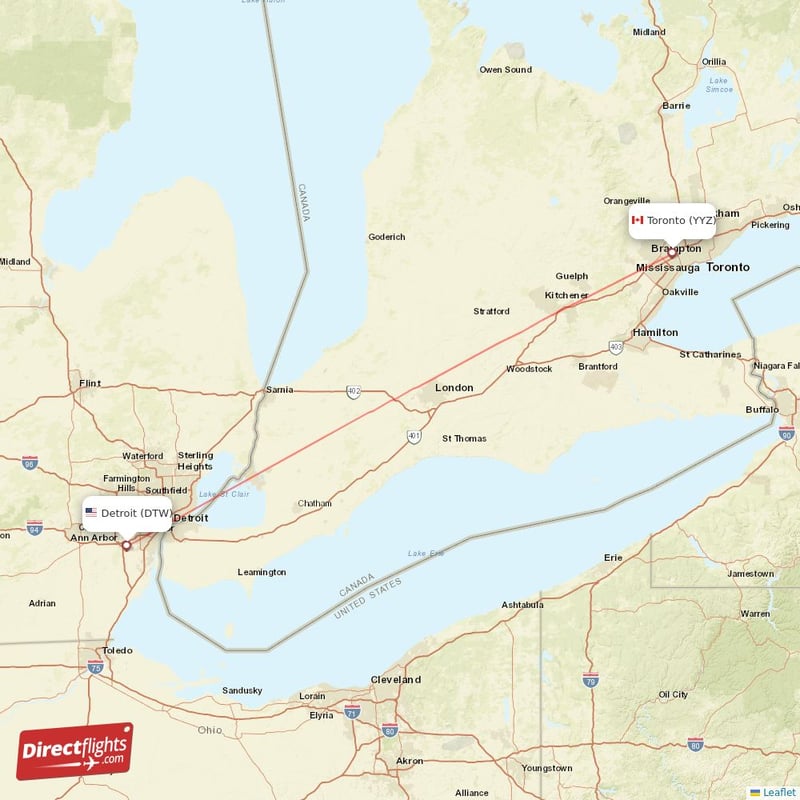
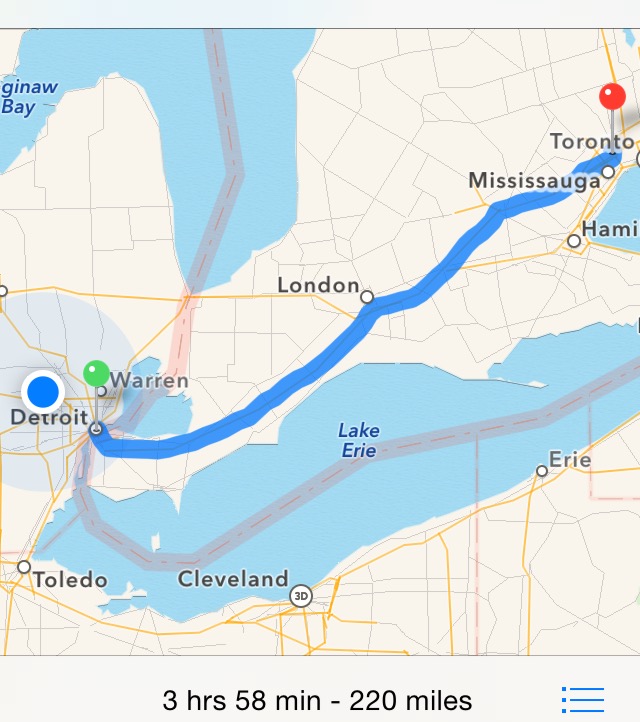
The approximate driving distance between downtown Toronto and downtown Detroit is around 370 to 380 kilometers (approximately 230 to 236 miles). This measurement can vary slightly depending on the specific starting and ending points within each metropolitan area. For instance, traveling from the Greater Toronto Area to the outskirts of Detroit might alter the exact figures, but the core distance remains consistent.
When it comes to driving time, the journey typically takes 3.5 to 4.5 hours under ideal conditions. However, this is a highly variable estimate. Several factors can influence the actual duration:
- Traffic: Both Toronto and Detroit are major cities, and peak-hour traffic, especially around urban cores and along major highways like Highway 401 in Ontario and I-75 in Michigan, can significantly extend travel times. Leaving early in the morning or later in the evening often helps avoid the worst congestion.
- Border Crossing: This is arguably the most significant variable. Wait times at the Canada-USA border can range from a few minutes to several hours, particularly during holidays, long weekends, or unexpected delays. Real-time border wait information is crucial for planning.
- Weather Conditions: Inclement weather, especially heavy snow in winter or severe thunderstorms in summer, can slow down travel considerably, particularly along the routes that run parallel to Lake Erie and Lake Ontario.
The primary driving route from Toronto involves heading southwest on Highway 401 towards Windsor, Ontario. From Windsor, travelers can cross into Detroit via the Ambassador Bridge or the Detroit-Windsor Tunnel. This route is well-maintained and offers a straightforward journey through southern Ontario’s agricultural and industrial landscapes.
Border Crossings and Essential Considerations
Crossing an international border, even between friendly neighbors like Canada and the United States, requires preparation. The two main entry points connecting Windsor (and thus the Highway 401 corridor) to Detroit are:
- Ambassador Bridge: This is the busiest international border crossing in North America for commercial traffic, but it also handles a significant volume of passenger vehicles. It offers direct access to major highways in Detroit.
- Detroit-Windsor Tunnel: A shorter, more direct route that brings you right into downtown Detroit. It’s generally preferred by those heading directly to the city center and usually has shorter wait times for passenger vehicles, though it cannot accommodate large trucks.
Documentation Requirements:
All travelers, including citizens of Canada and the USA, must present valid identification. A passport is the most widely accepted and recommended document for international travel. Alternatively, a NEXUS card (for expedited processing) or an Enhanced Driver’s License (EDL), available to residents of certain provinces and states, can be used. Children under 16 traveling with their parents may only need a birth certificate. It’s crucial to check the latest requirements from both Canadian Border Services Agency (CBSA) and U.S. Customs and Border Protection (CBP) before your trip.
Tips for Smooth Border Transit:
- Check Wait Times: Use official border crossing wait time apps or websites (e.g., CBP Border Wait Times, CBSA Border Wait Times) to choose the best crossing point and time.
- Have Documents Ready: Keep passports or EDLs easily accessible for all occupants.
- Declare Goods: Be honest about what you’re bringing across the border, including alcohol, tobacco, and any purchases made. Familiarize yourself with duty-free allowances.
- Food Restrictions: Be aware of restrictions on bringing certain food items (fruits, vegetables, meats) across the border.
- Vehicle Preparation: Ensure your vehicle registration and insurance documents are readily available.
Alternative Modes of Transport
While driving offers flexibility, several other options cater to different preferences and budgets:
- Buses: Companies like FlixBus and Greyhound offer regular service between Toronto and Detroit. Bus travel is often the most economical choice, typically taking 5-7 hours, including border crossing time. It allows travelers to relax and avoid the stresses of driving and parking.
- Trains: While there’s no direct train route, a combination of services is possible. VIA Rail Canada operates from Toronto to Windsor, and from Windsor, a taxi or bus can take you to the border for crossing into Detroit to connect with Amtrak services. This option is often longer and less direct than driving or bus but offers a scenic and comfortable ride.
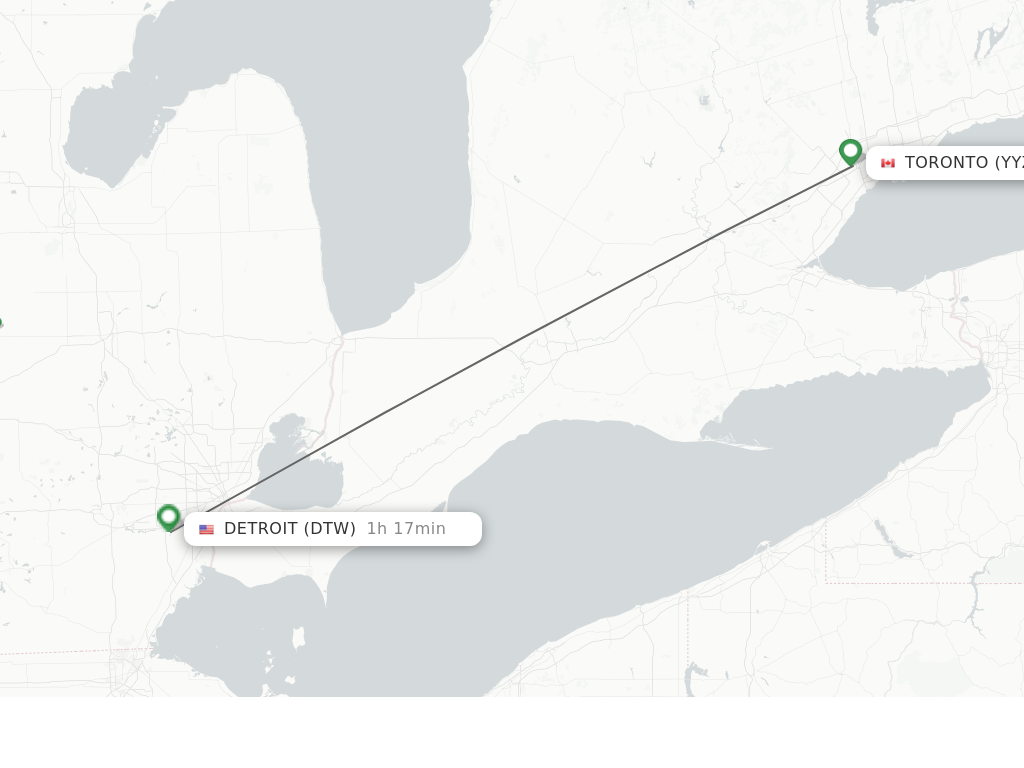
- Flights: Direct flights between Toronto Pearson International Airport (YYZ) and Detroit Metropolitan Wayne County Airport (DTW) are available. While the flight itself is short (around 1 hour), the total travel time, including airport transfers, check-in, security, and potential delays, can make it comparable to driving for short distances. However, for those valuing speed and convenience or connecting from further afield, flying remains an attractive option.
Exploring Detroit: A City Reimagined
Once dismissed by some, Detroit has undergone a remarkable renaissance, emerging as a dynamic hub of innovation, culture, and gastronomy. A visit to the Motor City is a journey through American history, musical heritage, and inspiring urban revitalization. From its iconic landmarks to its burgeoning neighborhoods, Detroit offers a rich tapestry of experiences for every traveler.
Must-See Attractions and Cultural Gems
Detroit’s attractions speak to its unique past and vibrant present:
- Henry Ford Museum of American Innovation & Greenfield Village: Located in nearby Dearborn, this sprawling complex is a national treasure. The museum showcases pivotal moments in American ingenuity, from presidential limousines to civil rights artifacts. Greenfield Village is an outdoor living history museum where visitors can step back in time, experiencing historic homes, workshops, and farms.
- Motown Museum (Hitsville U.S.A.): For music lovers, this is a pilgrimage site. Step into the modest house where Berry Gordy Jr. launched the legendary Motown record label, discover where iconic hits were recorded, and feel the magic that shaped a generation.
- Detroit Institute of Arts (DIA): Home to an internationally renowned collection of over 65,000 artworks, the DIA is a cultural beacon. Its crown jewel is Diego Rivera’s “Detroit Industry Murals,” a stunning fresco cycle depicting the city’s industrial might.
- Belle Isle Park: A 982-acre island park in the Detroit River, offering stunning views of the Detroit and Windsor skylines. It features the Anna Scripps Whitcomb Conservatory, the Dossin Great Lakes Museum, and the Belle Isle Aquarium.
- Eastern Market: One of the oldest and largest historic public markets in the United States. On Saturdays, it bursts with local produce, artisanal foods, and vibrant energy. The surrounding district is also rich with murals and independent shops.
- Sports Venues: Detroit is a passionate sports city. Catch a Detroit Tigers baseball game at Comerica Park, or watch the Detroit Red Wings (NHL) or Detroit Pistons (NBA) at the state-of-the-art Little Caesars Arena.
Accommodation and Culinary Delights in Detroit
Detroit’s accommodation scene has expanded significantly, offering everything from luxury hotels to boutique stays and budget-friendly options. The downtown area, Midtown, and Corktown are popular choices for their proximity to attractions and vibrant atmosphere.
- Luxury & Boutique Hotels: Consider the iconic Detroit Marriott at the Renaissance Center for stunning river views, the trendy Shinola Hotel for its stylish design, or the MGM Grand Detroit for a resort-style experience.
- Budget-Friendly Stays: Several reputable chain hotels offer comfortable and affordable rooms slightly outside the immediate downtown core, providing excellent value.
- Long-Term Stays: For extended visits, serviced apartments or apartment-style hotels offer amenities like kitchens and laundry facilities, ideal for business travelers or families.
The culinary scene in Detroit is a delightful blend of classic comfort food and innovative fine dining. Don’t leave without trying:
- Coney Dogs: A Detroit staple – a hot dog topped with savory meat sauce, yellow mustard, and chopped onions. Lafayette Coney Island and American Coney Island are legendary rivals.
- Deep-Dish Pizza: While Chicago is famous for it, Detroit-style deep-dish pizza, with its thick, square crust and caramelized cheese edges, is a unique and delicious experience. Buddy’s Pizza is a must-try.
- Diverse Ethnic Cuisine: From the Middle Eastern delights of Dearborn to the vibrant Mexican food in Mexicantown, Detroit’s immigrant communities have profoundly shaped its food landscape.
Discovering Toronto: A Global Metropolis
Toronto, Canada’s largest city, is a kaleidoscope of cultures, languages, and experiences. As a global hub, it boasts a breathtaking skyline, world-class attractions, diverse neighborhoods, and a reputation for being one of the safest and most multicultural cities in the world. Whether you’re drawn to its architectural marvels, artistic institutions, or culinary adventures, Toronto promises an unforgettable urban escape.
Iconic Landmarks and Vibrant Neighborhoods
Toronto’s identity is defined by its striking skyline and the unique character of its many districts:
- CN Tower: Once the world’s tallest freestanding structure, the CN Tower remains an iconic symbol of Toronto. Visitors can ascend to its observation decks for unparalleled panoramic views of the city, Lake Ontario, and beyond. For thrill-seekers, the EdgeWalk offers a hands-free walk along the tower’s exterior ledge.
- Ripley’s Aquarium of Canada: Located at the base of the CN Tower, this impressive aquarium is home to over 20,000 aquatic animals, featuring a mesmerizing underwater tunnel with sharks, sea turtles, and various marine life.
- Royal Ontario Museum (ROM): Canada’s largest museum of art, culture, and natural history. Its diverse collections range from dinosaur skeletons and ancient Egyptian artifacts to contemporary art and Canadian history. The controversial “Michael Lee-Chin Crystal” addition is a landmark in itself.
- Art Gallery of Ontario (AGO): One of North America’s largest art museums, the AGO boasts an extensive collection spanning from Canadian art to European masterpieces, African art, and modern and contemporary works. Its architectural redesign by Frank Gehry is also a highlight.
- Distillery District: A beautifully preserved Victorian-era industrial complex, now a pedestrian-only village filled with unique boutiques, art galleries, restaurants, and cafes. It’s a popular spot for leisurely strolls and seasonal festivals.
- Kensington Market: A bohemian and eclectic neighborhood known for its vintage shops, independent boutiques, vibrant street art, and diverse food scene. It’s a true melting pot reflecting Toronto’s multicultural spirit.
- Toronto Islands: A short ferry ride from downtown, these car-free islands offer stunning skyline views, sandy beaches, parklands, and amusements for families. It’s a refreshing escape from the urban hustle.
Where to Stay and What to Eat in Toronto
Toronto’s accommodation options cater to every budget and travel style, from grand luxury hotels to stylish boutique properties and well-appointed vacation rentals. The downtown core, including the Entertainment District and Financial District, is ideal for first-time visitors, while areas like Yorkville offer upscale charm, and Queen West provides a trendier, artistic vibe.
- Iconic Luxury Hotels: The historic Fairmont Royal York offers timeless elegance, while the Shangri-La Hotel Toronto and Four Seasons Hotel Toronto in Yorkville deliver unparalleled service and amenities.
- Boutique and Lifestyle Hotels: Explore charming options in neighborhoods like Queen West or the Distillery District for a more personalized experience.
- Serviced Apartments & Resorts: For families or longer stays, many properties offer apartment-style suites, and resorts like those near Niagara Falls are a short drive away for a change of pace.
Toronto’s food scene is a testament to its diversity, offering an incredible array of international cuisines alongside Canadian classics.
- Poutine: While originating in Quebec, Toronto offers countless variations of this indulgent dish of fries, cheese curds, and gravy.
- Peameal Bacon Sandwich: A local specialty, often found at St. Lawrence Market, featuring lean peameal bacon on a bun.
- Global Gastronomy: From vibrant Chinatown and Little Italy to Greek Town on the Danforth and multiple Indian and Middle Eastern enclaves, you can truly eat your way around the world in Toronto.
- Fine Dining: Toronto boasts an impressive collection of Michelin-starred restaurants and innovative culinary establishments, making it a destination for food enthusiasts.
Planning Your Cross-Border Adventure: Tips for a Seamless Trip
A successful cross-border journey between Toronto and Detroit hinges on thoughtful planning. Considering factors like timing, budget, and travel style ensures a smooth and enjoyable experience for everyone involved, whether it’s a romantic getaway or a family vacation.
Best Time to Travel and Local Events
The choice of travel season can greatly impact your experience:
- Summer (June-August): Offers the warmest weather, perfect for outdoor activities, festivals, and enjoying waterfronts in both cities. However, this is also peak tourist season, meaning higher prices for hotels and flights, and potentially longer border wait times. Major events like the Detroit Jazz Festival and Caribana Festival in Toronto can draw huge crowds.
- Spring (April-May) & Fall (September-October): These shoulder seasons provide pleasant weather, fewer crowds, and often better deals on accommodation. Fall foliage in Ontario is particularly stunning, and cultural events are abundant without the summer rush.
- Winter (November-March): While cold and snowy, winter travel can offer unique experiences like ice skating, holiday markets, and cozy indoor attractions. Prices are generally lower, but be prepared for potential travel delays due to weather conditions.
Check local events calendars for both Detroit and Toronto before your trip. Attending a major league sports game, a music concert, or a cultural festival can elevate your experience, but also means planning ahead for tickets and potentially increased demand for lodging.
Budgeting and Travel Styles
Your budget and preferred travel style will significantly shape your trip:
-
Cost Breakdown:
- Transportation: Fuel costs (consider exchange rates), bus/train tickets, or flight fares. Don’t forget tolls on certain routes or bridge/tunnel fees at the border.
- Accommodation: Hotels, resorts, apartments, or villas. Prices vary widely based on location, amenities, and season. Booking in advance, especially during peak times, is recommended.
- Food: Dining out can be a significant expense. Balance fine dining experiences with casual eateries, food trucks, and self-catering options from local markets.
- Attractions: Entry fees for museums, landmarks, and entertainment. Consider city passes if you plan to visit multiple paid attractions.
- Shopping/Souvenirs: Factor in any retail therapy.
- Currency Exchange: Be mindful of the exchange rate between the Canadian Dollar and the US Dollar.
-
Luxury Travel: Both Toronto and Detroit offer premium experiences. Indulge in 5-star hotels like the Four Seasons or Ritz-Carlton, enjoy gourmet dining, and consider private tours or concierge services. Many hotels boast luxurious suites with breathtaking city views, spa amenities, and personalized services.
-
Budget Travel: It’s entirely possible to enjoy these cities on a tighter budget. Opt for hostels, budget-friendly hotels, or vacation rentals (like Airbnb). Utilize public transport, explore free attractions (parks, walking tours, some museums with free days), and enjoy street food or cook some meals yourself.
-
Family Trips: Both cities are incredibly family-friendly. Look for hotels with pools, family suites, and kid-centric amenities. Plan activities around attractions like Ripley’s Aquarium, Centreville Amusement Park (Toronto Islands), the Henry Ford Museum, or Belle Isle Park.
-
Business Stays: For corporate travelers, both cities offer excellent infrastructure, including conference centers, business-friendly hotels with executive lounges and meeting rooms, and reliable Wi-Fi. Many downtown hotels cater specifically to business needs, offering comfort and convenience after a day of meetings.
In conclusion, the distance between Toronto and Detroit is an easily traversable path, opening up a world of discovery for those willing to embark on a cross-border adventure. Whether you’re drawn by the echoes of Motown and the industrial prowess of Detroit, or the multicultural vibrancy and towering skyline of Toronto, the journey between these two dynamic cities offers a rich and rewarding travel experience. With proper planning, awareness of border formalities, and an open mind, you’re set to explore the unique charms and diverse attractions that make this region a truly captivating destination.