
The vast distance between two iconic North American cities, Toronto and New York City, often sparks curiosity for travelers and planners alike. Whether you’re dreaming of a weekend getaway, planning an extended exploration, or simply mapping out a cross-border adventure, understanding the journey is key. This guide delves into the different ways to traverse the miles, considering travel time, modes of transport, and the unique experiences each option offers, all while keeping in mind the diverse travel styles that define trips to both the vibrant Canadian metropolis and the bustling American hub.

Understanding the Distance and Travel Time
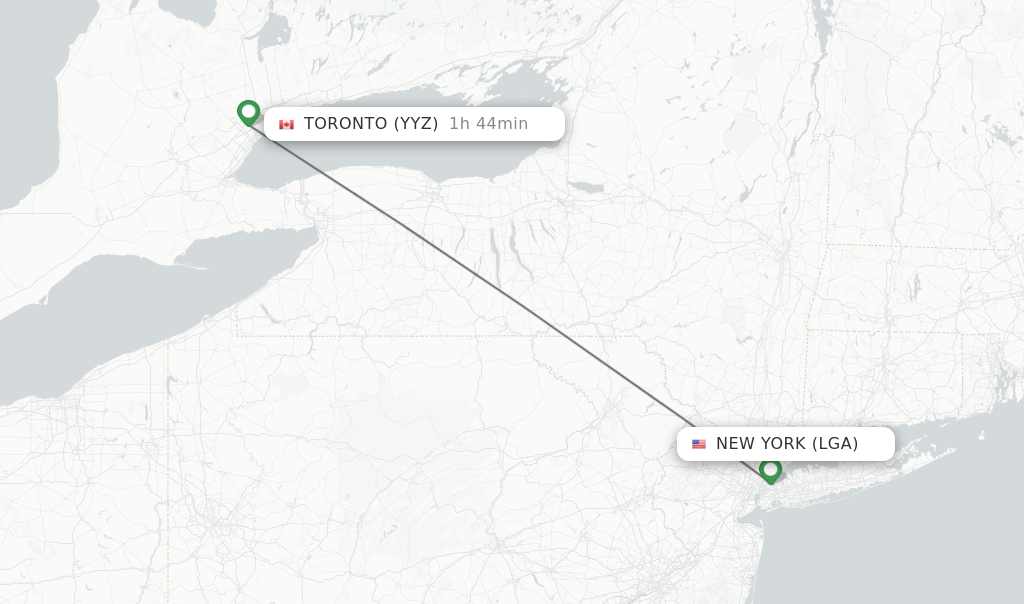
The approximate distance between Toronto, Ontario, and New York City, New York, is around 350 miles (560 kilometers) as the crow flies. However, the actual travel distance can vary depending on the chosen route and mode of transportation. This geographical proximity, while seemingly short for the North American continent, presents a compelling case for various travel choices, each with its own set of advantages and considerations.
Driving: The Road Trip Experience
Embarking on a road trip from Toronto to New York City offers a sense of freedom and flexibility, allowing you to dictate your own pace and make spontaneous stops. The most common driving route typically takes you south through New York State, often utilizing major highways like the I-90 and then connecting to routes that lead into Manhattan.
Driving Time and Factors
Under ideal conditions, the drive can take approximately 8 to 9 hours. However, several factors can significantly influence this duration. Border crossings between Canada and the United States can sometimes involve delays, especially during peak travel times or holidays. Traffic, particularly as you approach major urban centers like New York City, can also add considerable time to your journey. It’s advisable to factor in extra hours for potential congestion, especially if you’re aiming to arrive at a specific time.
Scenic Routes and Stops
For those who view the drive as part of the adventure, there are opportunities to deviate from the most direct path and explore charming towns and scenic landscapes. Consider a detour through the Finger Lakes region of New York, known for its picturesque lakes, wineries, and state parks. Alternatively, you could explore the historic sites along the Hudson River, adding a layer of cultural and historical discovery to your trip. These detours, while extending your travel time, can transform a simple transit into a memorable part of your overall travel experience.
Accommodation Along the Way
If you prefer to break up the drive, numerous hotels and motels are available along the major routes. From budget-friendly chains to more boutique options in smaller towns, you can find comfortable and convenient places to rest for the night. This approach is particularly beneficial for family trips or when traveling with companions who might find an 8-9 hour drive arduous. Planning your overnight stops in advance can ensure a smoother journey and allow you to explore smaller communities that might otherwise be overlooked.
Flying: The Fastest Path
For travelers prioritizing speed and efficiency, flying is undoubtedly the quickest way to get from Toronto to New York City. Both cities boast major international airports, making air travel a convenient and popular option.
Airports and Airlines
Toronto Pearson International Airport (YYZ) is Canada‘s busiest airport and serves as the primary gateway for international flights. In New York City, you have a choice of three major airports: John F. Kennedy International Airport (JFK), LaGuardia Airport (LGA), and Newark Liberty International Airport (EWR) in New Jersey. Numerous airlines operate direct flights between Toronto and the New York metropolitan area, including carriers like Air Canada, WestJet, Delta Air Lines, and United Airlines.
Flight Duration and Connections
Direct flights typically range from 1.5 to 2 hours. This is significantly shorter than driving, making it an ideal choice for business trips or short weekend getaways. However, it’s crucial to factor in the time spent traveling to and from the airports, going through security, and waiting for your flight. While direct flights are common, occasional layovers might be necessary depending on your chosen airline and booking. Always check flight schedules and potential connections carefully.

Airport Transfers and City Access
Upon arrival at your New York airport, you’ll have various options to reach your final destination. Taxis, ride-sharing services, and airport shuttles are readily available. Public transportation, such as the AirTrain and subway systems, offers more budget-friendly alternatives for reaching Manhattan and other boroughs. The ease of access from the airport to your chosen accommodation in New York City is a significant consideration when booking your flights.
Train Travel: A Scenic and Relaxed Alternative
For a more relaxed and scenic journey, the train offers a compelling alternative between Toronto and New York City. This option allows you to sit back, enjoy the evolving landscapes, and avoid the stresses of driving or airport security.
Amtrak and VIA Rail
The primary train service connecting these two cities is operated by Amtrak in the United States and VIA Rail in Canada. The journey typically involves a transfer, often in Albany, New York, though direct routes might be available depending on scheduling. VIA Rail trains depart from Toronto Union Station, a historic landmark in itself, and arrive at New York Penn Station, centrally located in Manhattan.
Journey Time and Comfort
The total travel time by train can range from 10 to 12 hours, including any necessary transfers. While longer than flying, this duration allows for a more leisurely experience. Train accommodations often include comfortable seating, ample legroom, and the ability to move around the train. Many trains offer dining cars, Wi-Fi, and sleeping accommodations for overnight journeys, transforming the transit into an experience in itself.
Advantages of Train Travel
Train travel bypasses the typical airport hassles, allowing you to arrive closer to the city center with your luggage. It’s also an environmentally friendlier option compared to flying or driving alone. For travelers who enjoy observing the countryside, watching cities and towns transition, and perhaps even enjoying a good book or some work without the pressure of constant navigation, the train provides an excellent balance of comfort and exploration. This mode of transport is particularly appealing for those who appreciate the journey as much as the destination.
Bus Services: The Budget-Friendly Option
For travelers on a tight budget, bus services offer the most economical way to travel between Toronto and New York City. Several reputable bus companies operate this route, providing a direct and affordable transportation solution.
Major Bus Carriers
Companies like Greyhound and Megabus are prominent providers of intercity bus travel between Toronto and New York City. These services typically depart from major bus terminals in Toronto and arrive at various points within New York City, often in or near Manhattan.
Travel Time and Onboard Amenities
The bus journey can be comparable in duration to driving, often taking between 9 and 11 hours, depending on traffic and border crossing times. While this is the longest travel option, it comes with the lowest price tag. Modern bus services often include amenities such as Wi-Fi, power outlets, and restrooms, making the extended journey more bearable. Some services may also offer reclining seats and onboard entertainment.
Considerations for Bus Travel
It’s important to note that bus travel requires a certain degree of patience due to the longer travel times and potential for delays. However, for students, backpackers, or anyone looking to maximize their travel budget, bus services represent an excellent choice. Booking tickets in advance is often recommended, especially during peak seasons, to secure the best fares and ensure availability.
Ultimately, the question of “How Far Is Toronto From New York?” is answered not just by mileage, but by the traveler’s priorities. Whether you seek the freedom of the open road, the swiftness of air travel, the relaxed pace of the rails, or the affordability of the bus, each option offers a unique perspective on the journey between these two dynamic North American cities. Your choice will shape not only how you arrive but also the initial experiences that set the tone for your entire trip, whether you’re exploring the attractions of Toronto or the iconic landmarks of New York City.