
Embarking on a journey from the dazzling spectacle of Las Vegas, Nevada, to the serene grandeur of Zion National Park, Utah, is an quintessential Southwest American adventure. This contrast between human-made marvels and nature’s raw beauty offers an unparalleled travel experience, captivating the hearts of millions annually. While Las Vegas beckons with its vibrant nightlife, world-class entertainment, and opulent resorts, Zion National Park provides an escape into an ancient landscape of towering sandstone cliffs, emerald pools, and winding rivers. Understanding the logistics of this popular route is the first step in planning a memorable escape, blending the best of both worlds into a single, epic itinerary.
The Journey from the Neon Glow to Nature’s Embrace
The transition from the glittering Strip to the majestic canyons of Zion is more than just a change of scenery; it’s a shift in pace, atmosphere, and sensory experience. Travelers often seek to combine these two iconic destinations, creating a diverse trip that caters to both urban excitement and wilderness exploration. The drive itself is part of the adventure, offering glimpses into the rugged beauty of the Mojave Desert and beyond.
Unpacking the Distance and Driving Time
The direct distance between Las Vegas and Zion National Park’s main entrance in Springdale, Utah, is approximately 160 miles (257 kilometers). This relatively short distance makes it an ideal road trip for those looking to combine the glitz of Vegas with the natural splendor of a national park.
Under typical driving conditions, without significant stops, the journey usually takes around 2.5 to 3 hours. However, this estimate is highly dependent on several factors:
- Traffic Conditions: Leaving Las Vegas during peak hours, especially on weekends or holidays, can add considerable time to your trip. Similarly, traffic approaching Springdale during busy seasons can cause delays.
- Time of Day: Driving early in the morning or later in the evening typically ensures a smoother journey with less congestion.
- Weather: While the Southwest is known for its sunshine, adverse weather conditions such as heavy rain, snow (especially in winter months near Zion’s higher elevations), or high winds can impact driving speed and safety.
- Planned Stops: Many travelers choose to make stops along the way, whether for fuel, food, or to explore other attractions. These stops will naturally extend the total travel time.
For a stress-free experience, it’s always advisable to allocate at least 3.5 to 4 hours for the drive itself, especially if you’re not accustomed to driving long distances or prefer a more leisurely pace. This buffer also allows for unexpected delays or spontaneous scenic overlooks.
Popular Routes and Scenic Detours
The most common and direct route from Las Vegas to Zion National Park is via Interstate 15 (I-15).
- I-15 North: You’ll head north out of Las Vegas on I-15 for approximately 130 miles (209 km) through the scenic Mojave Desert. This stretch offers vast desert landscapes, distant mountains, and occasional small towns.
- Exit 16 in Hurricane, Utah: After crossing into Utah and passing St. George, you’ll take Exit 16 towards Hurricane/Zion National Park.
- State Route 9 (SR-9): From Exit 16, you’ll merge onto State Route 9 (SR-9) eastbound, which leads directly to Zion National Park’s south entrance. This final leg of the drive is incredibly picturesque, winding through the towns of Hurricane and Virgin before entering the dramatic canyons that foreshadow Zion’s grandeur.
Scenic Detours and Points of Interest Along the Way:
While the direct route is efficient, several compelling stops can enhance your journey:
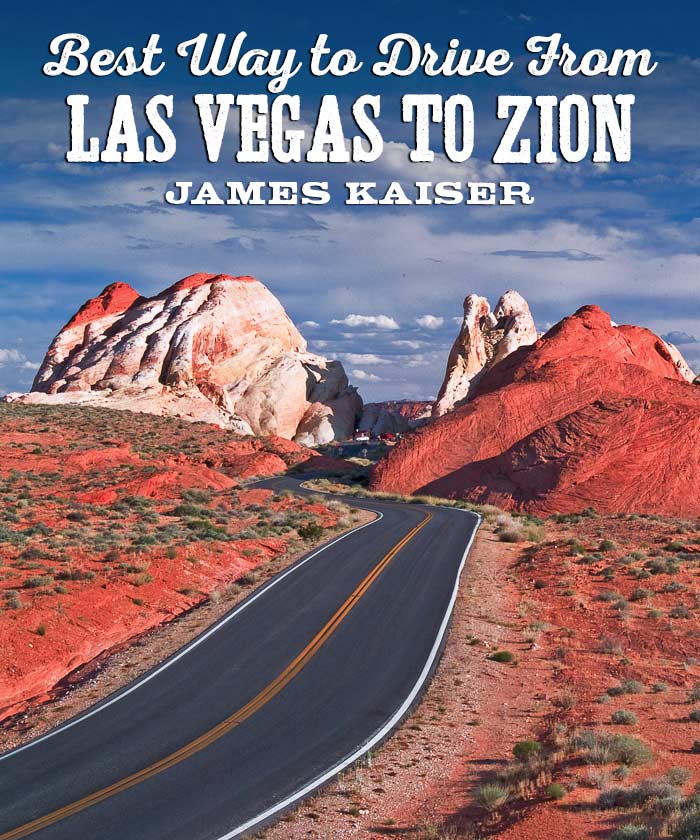
- Valley of Fire State Park (Nevada): Just an hour northeast of Las Vegas, this Nevada state park is renowned for its stunning red sandstone formations that appear to be ablaze when the sun hits them. It’s a fantastic detour for a quick hike or a scenic drive, adding about 1-2 hours to your trip.
- St. George, Utah: A larger city just off I-15 before the turnoff to Zion, St. George offers various amenities, including restaurants, gas stations, and even some local attractions like the St. George Utah Temple and Snow Canyon State Park. It’s a convenient stop for a break.
- Kolob Canyons (Zion’s Northwest Section): If you have extra time and are an avid explorer, consider taking Exit 40 off I-15 to visit the less-visited Kolob Canyons section of Zion National Park. It offers a stunning 5-mile scenic drive, hiking trails, and breathtaking views, providing a different perspective of the park’s majestic beauty before heading to the main canyon via SR-9.
Why Combine Las Vegas and Zion National Park?
The decision to pair the dazzling allure of Las Vegas with the profound tranquility of Zion National Park is a popular choice for many reasons, offering a multifaceted travel experience that few other combinations can rival. This blend caters to a wide array of travel preferences, from luxury seekers to adventure enthusiasts, and truly embodies the diverse “Lifestyle” experiences available in the Southwest.
A Tale of Two Worlds: Urban Excitement vs. Wilderness Serenity
The primary draw of this pairing lies in the stark contrast it presents. Las Vegas, a global hub for entertainment, dining, and vibrant nightlife, pulsates with an electrifying energy. Visitors can indulge in world-class shows, exquisite culinary experiences, high-stakes gaming, and opulent hotel amenities that define luxury travel. It’s a city designed for indulgence and sensory overload, a perfect backdrop for celebratory trips, bachelor/bachelorette parties, or simply a dose of escapism.
Conversely, Zion National Park offers a complete spiritual and physical detox. Here, the soundtrack is the rushing water of the Virgin River, the rustle of leaves, and the distant calls of wildlife. The architecture is carved by millennia of natural forces, creating awe-inspiring canyons, arches, and mesas. It’s a place for reflection, challenging hikes, and reconnecting with nature’s raw power and beauty. The air is crisp, the views are expansive, and the pace of life slows to a gentle rhythm dictated by sunrise and sunset.
This “tale of two worlds” allows travelers to experience the extremes of modern tourism – from bustling urban environments to untouched wilderness – all within a short drive. It’s an opportunity to create diverse memories, from dancing the night away to witnessing a breathtaking sunrise over ancient cliffs.
Maximizing Your Southwest Adventure
Combining these two destinations also offers practical advantages for maximizing your Southwest adventure.
- Gateway Accessibility: Las Vegas’s McCarran International Airport (LAS) is a major travel hub, offering numerous domestic and international flights. This makes it an incredibly convenient starting or ending point for a trip to the Southwest region. Flying into Vegas, renting a car, and driving to Zion is a very common and efficient way to explore.
- Diverse Itinerary Options: This pairing allows for incredibly flexible itineraries. You can start with a few days of energetic city exploration, followed by several days of tranquil hiking and nature immersion. Or, you can use Las Vegas as a convenient base for a day trip to Zion if time is limited, though a multi-day visit to Zion is highly recommended to fully appreciate its grandeur.
- Proximity to Other Landmarks: The region surrounding Las Vegas and Zion is rich with other iconic natural landmarks. Adding Bryce Canyon National Park, the Grand Canyon’s North Rim, or Snow Canyon State Park to your itinerary is easily achievable from this base, creating an epic national park road trip. This allows for a comprehensive exploration of the region’s unique geology and ecosystems.
- Cost-Effectiveness and Variety in Accommodation: Travelers can leverage the wide range of accommodation options in both areas. In Las Vegas, you’ll find everything from budget-friendly hotels to extravagant suites. Near Zion, Springdale offers charming boutique hotels, convenient chain hotels, and various camping options, allowing travelers to tailor their stay to their budget and preferred style.
Exploring the Wonders of Zion National Park
Once you arrive at Zion National Park, a world of unparalleled natural beauty unfolds. This majestic park is a haven for hikers, photographers, and nature lovers, offering some of the most iconic and rewarding experiences in the United States.
Must-See Attractions and Iconic Hikes
Zion’s main canyon is easily accessible via the Zion Canyon Scenic Drive. During peak season (typically March through November), private vehicles are restricted, and visitors must use the free shuttle bus system, which conveniently stops at all major trailheads and points of interest. This system enhances the visitor experience by reducing traffic and noise, allowing for a more immersive natural experience.
Here are some of Zion’s most celebrated attractions and hikes:
- Angels Landing: This world-renowned, strenuous hike is not for the faint of heart, involving chains bolted into the rock face for assistance on the final ascent. However, those who complete it are rewarded with unparalleled panoramic views of Zion Canyon. Due to its popularity and exposed nature, a permit lottery system is in place for this hike.
- The Narrows: An epic water hike where you wade, walk, and sometimes swim in the Virgin River through a towering slot canyon. It can be done as a bottom-up day hike from the Riverside Walk or as a top-down overnight trip with a wilderness permit. Special gear, such as water shoes and a hiking stick, is often recommended.
- Emerald Pools Trail: A moderate hike offering a lush oasis with hanging gardens, waterfalls (seasonal), and several tiered pools. The trail provides stunning views of the canyon and is accessible from the Zion Lodge shuttle stop.
- Riverside Walk: An easy, paved trail that follows the Virgin River to the mouth of The Narrows. It’s perfect for all ages and abilities, offering beautiful views and a peaceful stroll.
- Canyon Overlook Trail: Located on the eastern side of the Zion-Mount Carmel Tunnel (outside the main shuttle route), this short, moderate hike leads to a spectacular viewpoint overlooking the main canyon. It’s a great option for sunrise or sunset photography.
- Pa’rus Trail: The only paved trail in Zion Canyon that allows bikes and pets, this easy walk follows the Virgin River from the South Entrance to Canyon Junction, offering beautiful river views.
Beyond the Trails: Other Zion Experiences
Zion offers more than just hiking. Visitors can also enjoy:
- Scenic Drives: Beyond the main canyon, the Zion-Mount Carmel Highway (part of SR-9) provides breathtaking views and unique geological formations, including the famous tunnel. The lesser-known Kolob Canyons Scenic Drive in the park’s northwest section also offers incredible vistas and trails.
- Stargazing: Away from city lights, Zion’s dark skies provide exceptional opportunities for stargazing. On clear nights, the Milky Way is often visible, a truly humbling experience.
- Photography: With its vibrant colors, dramatic light, and unique formations, Zion is a photographer’s paradise. Every turn offers a new perspective and a chance to capture iconic landscapes.
- Ranger Programs: The park frequently offers ranger-led talks and walks, providing insightful information about Zion’s geology, wildlife, and history. Check the park’s visitor center for schedules.
Planning Your Perfect Zion Getaway from Las Vegas
A well-planned trip enhances the entire experience. From securing the right accommodation to packing essentials, a little foresight goes a long way in ensuring a seamless and enjoyable visit to Zion National Park.
Where to Stay: Accommodation Options Near Zion
While camping inside Zion National Park is an option (reservations are highly competitive), most visitors opt to stay in the charming gateway town of Springdale, Utah, located just outside the park’s south entrance. Springdale offers a wide range of accommodation types to suit various budgets and preferences:
- Luxury Resorts and Boutique Hotels: For those seeking upscale comfort and amenities, options like The Desert Pearl Inn or The Cliffrose Springdale, Autograph Collection offer stunning views, high-end facilities, and convenient access to the park shuttle. These often provide suites with private balconies, luxurious amenities, and on-site dining.
- Mid-Range Hotels: Popular chain hotels such as SpringHill Suites by Marriott Springdale Zion National Park, Hampton Inn & Suites Springdale/Zion National Park, and Holiday Inn Express Springdale – Zion National Park offer reliable comfort, often including complimentary breakfast and pools, ideal for families or those on a moderate budget.
- Budget-Friendly Hotels and Motels: For travelers focused on budget travel, several motels and inns like the Bumbleberry Inn provide clean, comfortable rooms at a more economical price point, still within walking distance or a short shuttle ride to the park entrance.
- Glamping and Unique Stays: For an immersive experience, consider glamping options like Under Canvas Zion, offering safari-style tents with comfortable beds and access to nature. These unique accommodation options provide a blend of outdoor adventure and comfort.
It is highly recommended to book your accommodation in advance, especially during peak seasons (spring, summer, and fall), as Springdale rooms can fill up quickly. Many websites offer booking and comparison services to help you find the best deals and read reviews.
Essential Tips for a Seamless Visit
To ensure your trip to Zion National Park from Las Vegas is as smooth as possible, keep these tips in mind:
- Park Pass: Purchase your Zion National Park entrance pass online in advance or at the entrance station. If you plan to visit multiple national parks within a year, an “America the Beautiful” annual pass is often a cost-effective option.
- Shuttle System: Familiarize yourself with the park’s free shuttle system. It’s the primary way to access the main canyon during busy seasons and essential for planning your day’s hikes. Check the schedule upon arrival.
- Permits and Reservations: For popular hikes like Angels Landing or overnight trips into The Narrows, you’ll need permits. Check the official National Park Service website for current requirements and lottery systems well in advance of your trip.
- Hydration and Sun Protection: The desert climate can be intense, even in Zion. Carry plenty of water, wear sunscreen, a wide-brimmed hat, and sunglasses, regardless of the season.
- Appropriate Footwear: Sturdy hiking boots or shoes with good ankle support are crucial for navigating Zion’s varied terrain. If hiking The Narrows, consider renting special canyoneering shoes and a hiking stick in Springdale.
- Layered Clothing: Temperatures can fluctuate significantly throughout the day and between different elevations. Dress in layers to adapt to changing conditions.
- Pack Snacks: While there are dining options in Springdale and a restaurant at Zion Lodge, carrying snacks is wise, especially for longer hikes.
- Cell Service: Cell service can be spotty within the canyon, so download offline maps and any necessary information before entering the park.
- Leave No Trace: Practice Leave No Trace principles to help preserve Zion’s natural beauty for future generations. Pack out everything you pack in, stay on marked trails, and respect wildlife.
Crafting Your Itinerary: From a Day Trip to a Multi-Day Escape
The optimal duration for your Zion visit depends on your interests and available time.
- Day Trip from Las Vegas: While ambitious, a day trip is possible if you start very early. You’ll have approximately 6-8 hours in the park, enough for a scenic shuttle ride, a couple of easy-to-moderate hikes (like the Riverside Walk and part of the Emerald Pools Trail), and enjoying the breathtaking views. Be prepared for a long day of driving (5-6 hours round trip) in addition to your time in the park.
- 2-Day Itinerary: This is a popular choice, allowing for one full day of exploration in the main canyon and perhaps a visit to the Kolob Canyons or Canyon Overlook Trail on your travel days. You can tackle a more challenging hike or explore different sections of the park.
- 3+ Day Itinerary: For the ultimate Zion experience, 3 or more days are ideal. This allows you to attempt challenging hikes like Angels Landing (with a permit) or The Narrows, explore different parts of the park (e.g., Kolob Canyons), and enjoy a more relaxed pace. It also provides flexibility for unexpected weather changes or simply enjoying the tranquil atmosphere of Springdale. Many travelers use this extra time to also visit nearby Bryce Canyon National Park, often considered a perfect complement to Zion.
No matter how you choose to structure your trip, the journey from the dazzling lights of Las Vegas to the majestic canyons of Zion National Park promises an unforgettable adventure, leaving you with memories of both thrilling urban excitement and profound natural beauty. This contrast is precisely what makes the Southwest such a compelling destination for travelers from all walks of life.