
The allure of two of California’s most iconic cities, Los Angeles and San Francisco, often sparks curiosity about their proximity. Whether you’re planning a road trip adventure, considering a quick flight, or simply curious about the Golden State’s geography, understanding the distance between these two urban titans is fundamental to your travel planning. This article delves into the various ways to traverse the space separating these vibrant metropolises, offering insights into travel times, methods, and the experiences that await you along the journey.
The question, “How far is Los Angeles from San Francisco?” is more than just a matter of mileage; it’s about unlocking the potential for a memorable travel experience. These cities, though separated by a significant stretch of the state, are intrinsically linked by their cultural significance, economic importance, and the breathtaking landscapes that lie between them. From the sprawling entertainment capital of Southern California to the hilly, fog-kissed streets of Northern California, the journey itself can be as enriching as the destinations.
Understanding the Distance and Travel Options
The physical distance between Los Angeles and San Francisco can be measured in several ways, and the chosen method of travel will significantly impact your journey’s duration and character. Generally, the direct driving distance is around 380 miles (approximately 610 kilometers), but this can vary slightly depending on the specific routes you choose. This distance places them far enough apart to warrant a dedicated travel day for most, yet close enough to be part of a cohesive California itinerary.
By Car: The Classic California Road Trip
Embarking on a road trip from Los Angeles to San Francisco is perhaps the most popular and arguably the most rewarding way to experience the diverse beauty of California. This lifestyle choice allows for flexibility, spontaneous detours, and the opportunity to witness the state’s varied geography firsthand.
Route 1: The Inland Advantage – I-5 North
The most direct and typically fastest driving route is via the Interstate 5 (I-5) North. This highway cuts through the heart of California, offering a more utilitarian journey. The driving time is estimated to be around 5.5 to 7 hours, without significant stops or traffic delays. While this route is efficient, it tends to be less scenic, passing through agricultural valleys. However, for those focused on reaching their destination with minimal fuss, I-5 is the pragmatic choice.
- Pros: Fastest driving time, straightforward route.
- Cons: Less scenic, can be monotonous, prone to heavy truck traffic.
Route 2: The Coastal Charm – Highway 1 (Pacific Coast Highway)
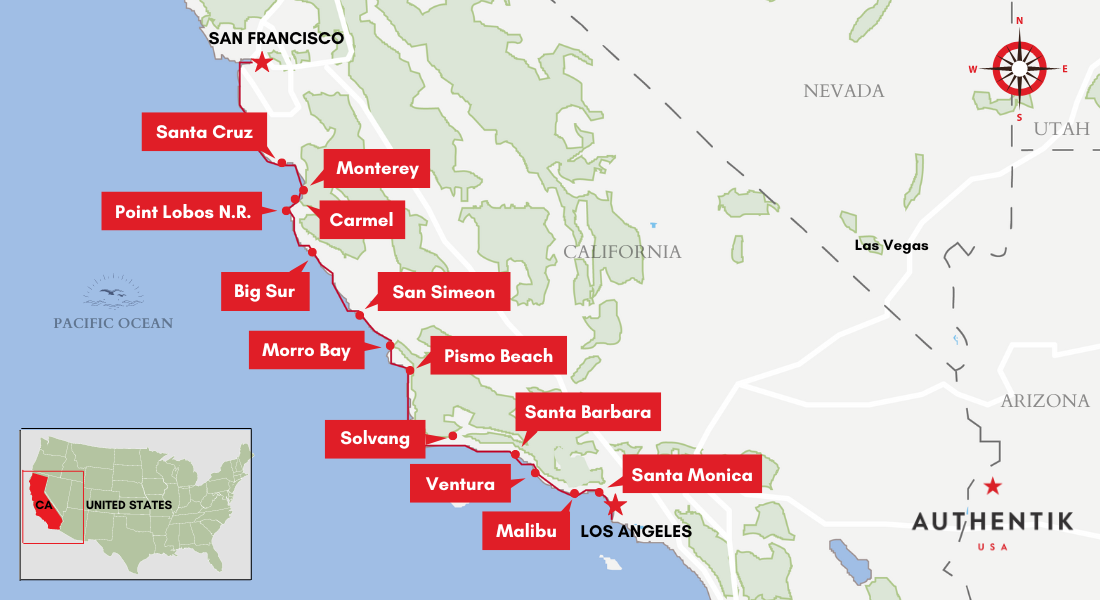
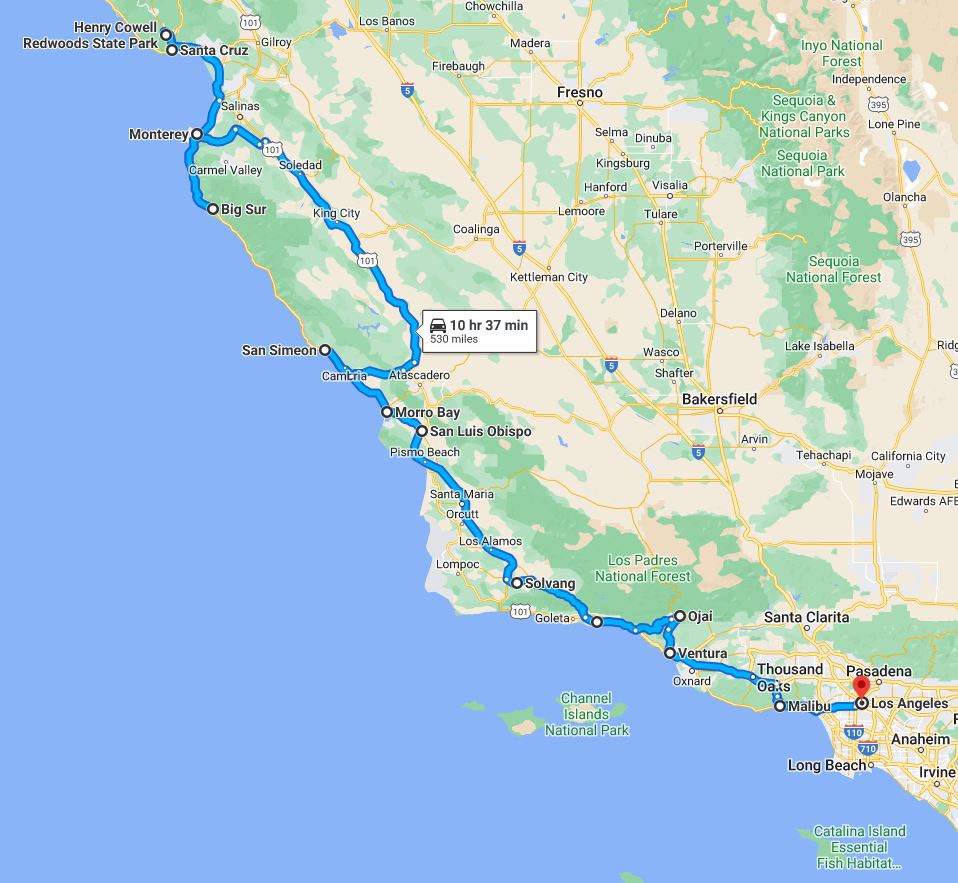
For a truly unforgettable travel experience, the Pacific Coast Highway (often referred to as Highway 1) offers a breathtaking alternative. This iconic route hugs the coastline, providing unparalleled views of the Pacific Ocean, dramatic cliffs, and charming seaside towns. The distance covered is considerably longer, and the winding nature of the highway, coupled with numerous viewpoints and attractions, means this journey is best savored over at least two to three days.
When planning to drive the Pacific Coast Highway, allocate ample time. Stops at beloved attractions like Big Sur, Hearst Castle, and the picturesque town of Carmel-by-the-Sea are practically mandatory. The scenic vistas are world-renowned, making this an excellent choice for photography enthusiasts and those seeking to immerse themselves in nature and local culture. Accommodation options along this route range from charming inns and boutique hotels to more rustic resorts.
- Pros: Stunning, world-famous scenery, numerous attractions and towns to explore, unforgettable travel experience.
- Cons: Significantly longer driving time (can be 10+ hours of pure driving, but realistically 2-3 days to enjoy), winding roads, potential for closures due to weather or landslides, slower pace.
Route 3: The Hybrid Approach – Highway 101
A compromise between the speed of I-5 and the scenic grandeur of Highway 1 is to utilize Highway 101. This route also heads north through California‘s interior but offers a more varied landscape than I-5, passing through rolling hills and wine regions. The driving time is typically between 7 to 9 hours, depending on traffic and the number of stops. It allows for a good balance between efficiency and the opportunity to see more of the state’s diverse topography and explore towns like Santa Barbara or San Luis Obispo.
- Pros: A good balance of scenery and efficiency, passes through interesting towns and wine country.
- Cons: Still requires a substantial amount of driving, less dramatic scenery than Highway 1.
By Air: The Swift Solution
For travelers prioritizing speed and convenience, flying between Los Angeles and San Francisco is the most practical option. Both cities boast major international airports: Los Angeles International Airport (LAX), Hollywood Burbank Airport (BUR), Long Beach Airport (LGB), and John Wayne Airport (SNA) in the Los Angeles area, and San Francisco International Airport (SFO) and Oakland International Airport (OAK) serving the Bay Area.
Numerous airlines operate frequent daily flights between these airports. The flight duration itself is very short, typically around 1 to 1.5 hours. However, it’s crucial to factor in travel time to and from the airports, security procedures, and potential flight delays when calculating the total travel time. Nevertheless, for business travelers or those on a tight schedule, flying remains the quickest way to bridge the gap between these two major hubs.
- Pros: Fastest overall travel time from city center to city center, frequent departures.
- Cons: Can be expensive, requires time for airport procedures, less opportunity to see the landscape.
By Train: A Relaxed Perspective
For those who prefer to watch the world go by without the stress of driving or navigating airports, the train offers a unique and relaxing travel experience. Amtrak operates services that connect Los Angeles and San Francisco, though it’s not a direct point-to-point route that matches the driving speed.
The primary Amtrak route involves a combination of train and bus. Passengers typically take a bus from Los Angeles to a rail station like Bakersfield, then board a train north, with another bus connection often needed to reach San Francisco itself. The total journey time can range from 9 to 12 hours, making it a considerable commitment. However, the journey allows you to witness California‘s interior landscapes at a leisurely pace. It’s a budget travel-friendly option for some, and for those who enjoy the romanticism of train travel, it’s an excellent choice. The seats are generally more spacious than on airplanes, and the ability to walk around can be a significant advantage on a longer trip.
- Pros: Relaxing, scenic views (especially of the interior), comfortable seating, no traffic concerns.
- Cons: Longest travel time, requires transfers between train and bus.
Experiencing the Journey: More Than Just Distance
The distance between Los Angeles and San Francisco is not merely a number; it represents a transition through diverse Californian landscapes and cultural nuances. Whether you’re driving, flying, or taking the train, the journey offers opportunities to engage with tourism and experience facets of California beyond the two major cities.
Landmarks and Attractions Along the Way
If you choose to drive, the opportunities for exploration are vast. For those taking the I-5, there are fewer major landmarks, but you can find local eateries and rest stops. However, for those venturing along Highway 1 or 101, the attractions are plentiful and world-renowned.
- Central Coast Charm: Towns like Santa Barbara, with its Spanish colonial architecture and beautiful beaches, offer a pleasant stop. Further north, San Luis Obispo provides a charming downtown and a vibrant local culture.
- Nature’s Masterpieces: The dramatic coastline of Big Sur is a must-see. This stretch of Highway 1 is famous for its towering cliffs, redwood forests, and iconic landmarks like the Bixby Creek Bridge. Point Reyes National Seashore, north of San Francisco, offers rugged coastal beauty and diverse wildlife.
- Wine Country: The Santa Ynez Valley and the renowned vineyards of Napa Valley and Sonoma County (though slightly inland from the direct coastal route) are prime destinations for wine tasting and enjoying the picturesque countryside. These areas offer a distinct lifestyle experience focused on gastronomy and oenology.
- Historical Significance: Hearst Castle, a magnificent estate built by William Randolph Hearst, stands as a testament to opulent living and a significant historical landmark.

Accommodation and Lifestyle Considerations
When planning your trip, selecting the right accommodation is key to enjoying your journey.
- Luxury Stays: Along Highway 1, you’ll find exquisite resorts and boutique hotels offering ocean views and fine dining, catering to a luxury travel segment. Think of places like the Post Ranch Inn in Big Sur for an unparalleled experience.
- Budget-Friendly Options: For budget travel, charming motels and inns can be found in smaller towns. Booking in advance, especially during peak season, is always advisable to secure the best rates. Apartments and villas can also be a good option for families or longer stays, providing more space and amenities.
- Family Trips: If traveling with family, consider stops that offer kid-friendly activities. Many coastal towns have beaches perfect for building sandcastles, and attractions like the Monterey Bay Aquarium offer educational and fun experiences for all ages.
- Business Stays: For those traveling for business, the efficiency of flights or the convenience of hotels near major freeways might be prioritized. Many hotels offer business amenities like meeting rooms and high-speed internet.
The decision of “How far is Los Angeles from San Francisco?” ultimately leads to a journey filled with diverse experiences, a testament to California‘s captivating allure. Whether you opt for the speed of air travel, the scenic beauty of the coast, or the reliability of the road, the distance between these two vibrant cities is an invitation to explore, discover, and create lasting memories. Each route, each stop, and each city offers a unique chapter in the grand narrative of California tourism and lifestyle.