
The journey from the soulful streets of New Orleans, Louisiana, to the bustling metropolis of Houston, Texas, is a popular route for both tourists and business travelers seeking to explore the diverse landscapes and cultures of the Gulf Coast. Understanding the distance, travel time, and various transportation options is crucial for planning an unforgettable trip. The direct driving distance between these two vibrant cities is approximately 350 miles (563 kilometers). While this might seem like a significant trek, the road connecting them offers a fascinating passage through Louisiana’s Cajun Country and into the vast expanse of Texas, making it a journey rich with potential stops and experiences.
Whether you’re embarking on a scenic road trip, opting for the speed of air travel, or choosing the economy of bus services, each mode of transport presents its own unique set of considerations regarding time, cost, and comfort. This comprehensive guide will delve into every aspect of traveling between New Orleans and Houston, offering insights into travel logistics, accommodation choices, and the captivating attractions that await in both cities and along the way, ensuring your travel experience is as smooth and enjoyable as possible.
Navigating the Miles: Travel Options from New Orleans to Houston
The choice of how to travel between New Orleans and Houston largely depends on your priorities: budget, time, and the desire for flexibility or relaxation. Each method offers a distinct perspective on the journey across the Gulf Coast.
The Classic American Road Trip: Driving Between Cities
Driving is, without a doubt, the most popular and flexible way to travel from New Orleans to Houston. The estimated driving time without significant stops typically ranges from 5.5 to 6.5 hours. However, this can vary based on traffic conditions, especially around metropolitan areas like Baton Rouge and approaching Houston, and, of course, how many times you decide to pull over for a photo opportunity or a delicious meal.
The primary route is Interstate 10 (I-10), a major east-west highway that seamlessly connects the two cities. This route is generally straightforward and well-maintained. For those seeking a more scenic experience, especially through parts of Louisiana, taking portions of Highway 90 (which often runs parallel to I-10) can offer glimpses into charming small towns and the unique bayou landscape, though it will add extra time to your journey.
Tips for a Smooth Drive:
- Fuel Up: Ensure your vehicle is in good condition and keep an eye on your fuel gauge, especially when traversing longer stretches between larger towns.
- Tolls: Be aware that certain bridges or express lanes might have tolls, particularly in Louisiana.
- Rest Stops: Plan for regular breaks. There are numerous service stations and fast-food options along I-10.
- Traffic Apps: Utilize GPS and traffic apps like Google Maps or Waze to monitor real-time traffic conditions and potential delays.
Taking to the Skies: Air Travel for Speed and Convenience
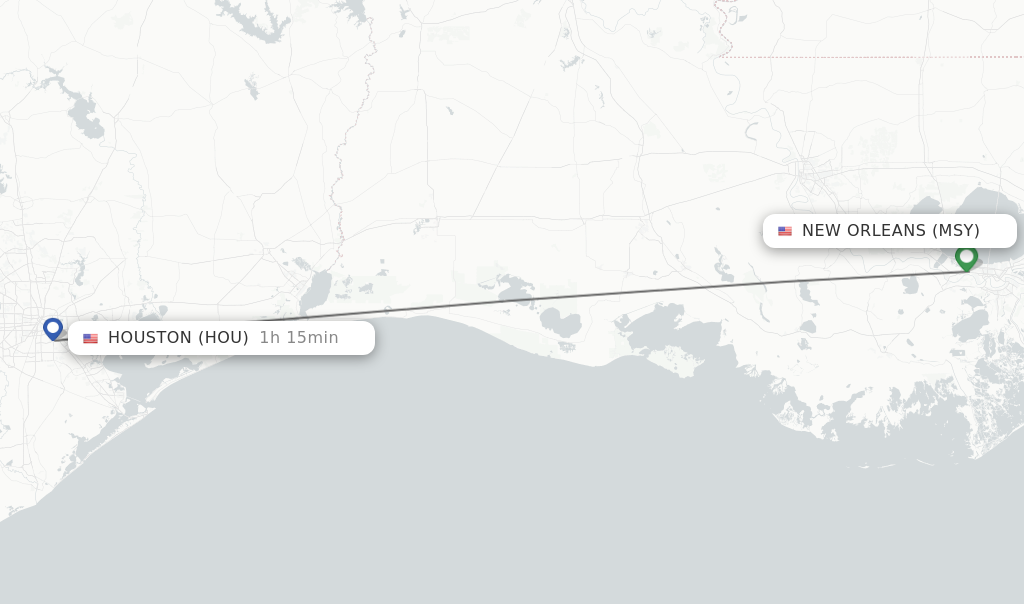
For travelers prioritizing speed, flying is the most efficient option. Direct flights between Louis Armstrong New Orleans International Airport (MSY) and Houston’s two major airports—George Bush Intercontinental Airport (IAH) and William P. Hobby Airport (HOU)—are frequent. The flight time is remarkably short, usually around 1 hour to 1 hour and 15 minutes.
While the actual flight is quick, remember to factor in time for getting to and from the airports, security checks, and potential delays. All in, the door-to-door travel time by air can often rival or even exceed driving, especially for those who live closer to city centers than airports. Major airlines like Southwest Airlines, United Airlines, and American Airlines operate this route, offering a range of fares depending on booking in advance and seasonality.
Budget-Friendly Bus Travel
Bus services offer an economical alternative for traveling between New Orleans and Houston. Companies like Greyhound and Megabus provide daily routes. The journey typically takes longer than driving, usually around 7 to 9 hours, due to multiple stops and differing schedules.
Bus travel is ideal for solo travelers, students, or anyone looking to minimize costs. While amenities on board have improved with Wi-Fi and power outlets becoming more common, comfort levels can vary. It’s a great way to sit back, relax, and enjoy the scenery without the stress of driving.
Exploring Train Options
While less direct and generally slower than bus or car, Amtrak does offer train service from New Orleans to Houston via its Sunset Limited route. This option caters to travelers who enjoy the unique experience of train travel, offering scenic views and more spacious seating than buses. However, the journey can be lengthy, often exceeding 9-10 hours, and schedules might be less frequent. It’s an excellent choice for those who value the journey itself as part of their travel experience and are not pressed for time.
Beyond the Journey: Discovering New Orleans and Houston
Once you’ve navigated the distance, a world of experiences awaits in both New Orleans and Houston. These two cities, though relatively close in proximity, offer distinctly different cultural tapestries, culinary adventures, and attractions, making a trip between them a true exploration of Southern diversity.
The Charms of New Orleans: A City Like No Other
New Orleans captivates visitors with its vibrant history, unique Creole and Cajun culture, and legendary music scene. It’s a city where every street corner tells a story, and every meal is a celebration.
- Landmarks & Attractions: The historic French Quarter is the heart of the city, home to iconic Bourbon Street with its lively jazz clubs and bustling atmosphere. Jackson Square, flanked by St. Louis Cathedral, offers a picturesque setting for street artists and performers. A leisurely stroll through the elegant Garden District reveals stunning antebellum mansions and lush greenery. For a unique experience, consider a swamp tour to encounter Louisiana’s wildlife.
- Food & Drink: New Orleans is a culinary paradise. Indulge in classic dishes like gumbo, jambalaya, and po’boys. A visit isn’t complete without beignets and café au lait at Café Du Monde, or a sophisticated meal at renowned establishments like Commander’s Palace or Galatoire’s. The city’s cocktail culture is equally famous, with drinks like the Sazerac and Hurricane originating here.
- Festivals & Events: Beyond Mardi Gras, New Orleans hosts numerous festivals throughout the year, celebrating everything from jazz (like the New Orleans Jazz & Heritage Festival) to food and film, ensuring there’s always something exciting happening.
Houston’s Modern Marvels: A Hub of Innovation and Diversity
Houston, Texas’s largest city, is a sprawling metropolis known for its contributions to space exploration, its diverse culinary scene, and a thriving arts and culture landscape. It’s a city of ambition and innovation, offering a distinctly modern Southern experience.
- Landmarks & Attractions: A must-visit is Space Center Houston, the official visitor center for NASA’s Johnson Space Center, where you can explore exhibits on space travel and see historic spacecraft. The Museum District boasts 19 museums, including the Museum of Fine Arts, Houston and the Houston Museum of Natural Science. For shopping enthusiasts, The Galleria offers an upscale retail experience. Discovery Green is a vibrant urban park with events, art installations, and a popular spot for relaxation.
- Food & Drink: Houston’s culinary scene is incredibly diverse, reflecting its multicultural population. From world-class Tex-Mex and BBQ to upscale international dining, the city caters to every palate. Explore vibrant neighborhoods like Montrose or Uptown for a taste of Houston’s gastronomic excellence.
- Sports & Entertainment: Houston is a major sports city, home to teams like the Houston Texans (NFL), Houston Rockets (NBA), and Houston Astros (MLB). NRG Park hosts major events, including the annual Houston Livestock Show and Rodeo, one of the largest in the world.
Planning Your Stay: Accommodation and Mid-Journey Breaks
A well-planned trip between New Orleans and Houston includes not only efficient travel but also comfortable accommodation and strategic stops to enhance the overall experience. Whether you’re seeking luxury resorts, cozy boutique hotels, or practical long-term stays, both cities offer a wide array of choices.
Where to Rest Your Head: Accommodation in New Orleans
New Orleans offers a range of accommodation options to suit every style and budget, many of which are landmarks in themselves.
- Luxury & Historic Hotels: For an opulent experience, consider hotels like The Roosevelt New Orleans, A Waldorf Astoria Hotel, known for its grand lobby and Sazerac Bar. The historic Hotel Monteleone in the French Quarter features the famous rotating Carousel Bar & Lounge. Other high-end options include The Ritz-Carlton, New Orleans and Four Seasons Hotel New Orleans, offering exquisite suites and amenities.
- Boutique & Mid-Range: Numerous charming boutique hotels like Hotel Peter & Paul (a converted church, schoolhouse, convent, and rectory) or The Old No. 77 Hotel & Chandlery offer unique stays with local character. For a more conventional experience, major chains also have properties in the Central Business District (CBD), offering comfortable rooms and convenient access to attractions.
- Budget & Long-Term: Hostels, guesthouses, and vacation rentals (apartments and villas through platforms like Airbnb or VRBO) provide more affordable or extended-stay options, particularly in neighborhoods outside the immediate French Quarter such as the Marigny or Bywater. Booking in advance is highly recommended, especially during peak seasons like Mardi Gras.
Finding Your Perfect Stay: Accommodation in Houston
Houston’s vastness means accommodation options are spread across various districts, each catering to different preferences, from business travelers to families and luxury seekers.
- Luxury & High-End: For those seeking unparalleled luxury, the Post Oak Hotel at Uptown Houston offers five-star service, a helipad, and an impressive art collection. The Four Seasons Hotel Houston provides a sophisticated experience in Downtown, close to major business and entertainment venues. Other top-tier choices include The St. Regis Houston and Hotel Granduca Houston.
- Business & Family-Friendly: The Galleria area is popular for its mix of business hotels and family-friendly resorts, offering convenient access to shopping and dining. Many hotels here, like the Hilton Houston Post Oak by the Galleria, feature suites and amenities like pools. The Downtown and Medical Center areas also host numerous reputable hotel chains.
- Apartment & Extended Stays: Given Houston’s role as a major business hub, apartment hotels and extended-stay properties are readily available, offering fully equipped kitchens and more space, ideal for longer visits or families. These can be found across various neighborhoods, including near the Energy Corridor and Galleria. Comparison websites are useful for booking and finding the best deals.
Essential Mid-Journey Breaks and Attractions
Breaking up the 5.5 to 6.5-hour drive with a stop or two can make the journey much more enjoyable and less fatiguing. Louisiana’s Cajun Country offers some delightful detours.
- Baton Rouge, Louisiana: As the state capital, Baton Rouge is about an hour and a half from New Orleans. You can visit the historic Old State Capitol, a gothic-style castle, or the modern Louisiana State Capitol building, offering panoramic views from its observation deck.
- Lafayette, Louisiana: Often considered the heart of Cajun Country, Lafayette is an excellent place to experience authentic Cajun food, music, and culture. Stop for a plate of boudin, a bowl of crawfish étouffée, or visit Vermilionville, a living history museum and folk life park.
- Lake Charles, Louisiana: Located closer to the Texas border, Lake Charles is known for its casinos and resorts like L’Auberge Casino Resort Lake Charles and Golden Nugget Lake Charles. It’s also the gateway to the Creole Nature Trail All-American Road, offering opportunities for wildlife viewing.
Lifestyle and Travel Tips for Your Gulf Coast Adventure
Successfully navigating a trip from New Orleans to Houston isn’t just about covering the distance; it’s about embracing the travel lifestyle, understanding the nuances of local culture, and optimizing your experience.
Tailoring Your Trip: Luxury, Budget, Family, or Business
- Luxury Travel: If indulgence is your priority, both cities offer world-class resorts, fine dining, and exclusive experiences. In New Orleans, think private French Quarter tours, upscale jazz clubs, and gourmet Creole meals. In Houston, consider staying in a five-star hotel near Uptown, enjoying high-end shopping at The Galleria, and dining at acclaimed restaurants in River Oaks.
- Budget Travel: For cost-conscious travelers, bus routes are the most economical. Look for deals on hostels or budget hotels, especially outside prime tourist areas. Both cities have fantastic street food and affordable local eateries. Public transportation (bus and streetcar in New Orleans, METRORail and buses in Houston) can significantly cut down on taxi or ride-share expenses.
- Family Trips: Driving offers the most flexibility for families, allowing for stops at kid-friendly attractions. In New Orleans, the Audubon Zoo and Audubon Aquarium of the Americas are big hits. Houston shines with Space Center Houston, the Houston Zoo, and the Children’s Museum Houston. Look for hotels with pools and family suites.
- Business Stays: Flying is often preferred for business travelers due to time efficiency. Houston has a robust selection of business-centric hotels in Downtown, the Galleria, and the Energy Corridor, offering amenities like meeting rooms, high-speed internet, and executive lounges. New Orleans also caters to conferences with many major hotels in the CBD adjacent to the Ernest N. Morial Convention Center.
Best Time to Visit and Other Considerations
- Weather: The Gulf Coast experiences hot, humid summers and mild winters. Spring (March-May) and Fall (September-November) offer the most pleasant weather for exploring both cities. Summers can be intensely hot, though many indoor attractions and air-conditioned venues provide respite.
- Events: Plan around major events if you wish to participate or avoid them if you prefer fewer crowds and lower prices. Mardi Gras in New Orleans (February or March) and the Houston Livestock Show and Rodeo (March) are significant draws but lead to higher accommodation costs and increased traffic.
- Booking: Always book flights and hotels well in advance, especially during peak travel seasons or major events, to secure the best rates and availability. Utilizing comparison sites for hotels and flights can help you find optimal deals.
The journey from New Orleans to Houston is more than just covering 350 miles; it’s an invitation to experience the rich tapestry of the Southern United States. From the historic allure and vibrant culture of the Big Easy to the modern marvels and diverse energy of the Space City, this route promises an adventure filled with discovery, delicious food, and unforgettable memories. By considering your travel style, planning your logistics carefully, and embracing the unique offerings of each destination, you’re set for an exceptional Gulf Coast journey.
LifeOutOfTheBox is a participant in the Amazon Services LLC Associates Program, an affiliate advertising program designed to provide a means for sites to earn advertising fees by advertising and linking to Amazon.com. Amazon, the Amazon logo, AmazonSupply, and the AmazonSupply logo are trademarks of Amazon.com, Inc. or its affiliates. As an Amazon Associate we earn affiliate commissions from qualifying purchases.