
The journey from Philadelphia to New York City is one of the most frequently traveled routes on the East Coast of the United States, connecting two of the nation’s most historically significant and culturally vibrant metropolises. Whether you’re a history buff eager to explore the birthplace of American democracy in Philadelphia, or a culture seeker drawn to the bright lights and endless energy of the Big Apple, understanding the distance and various travel options between these urban giants is key to planning a successful trip. This article delves into the logistics of this popular route, offering insights into travel times, transportation methods, and what to expect when navigating between these incredible destinations.
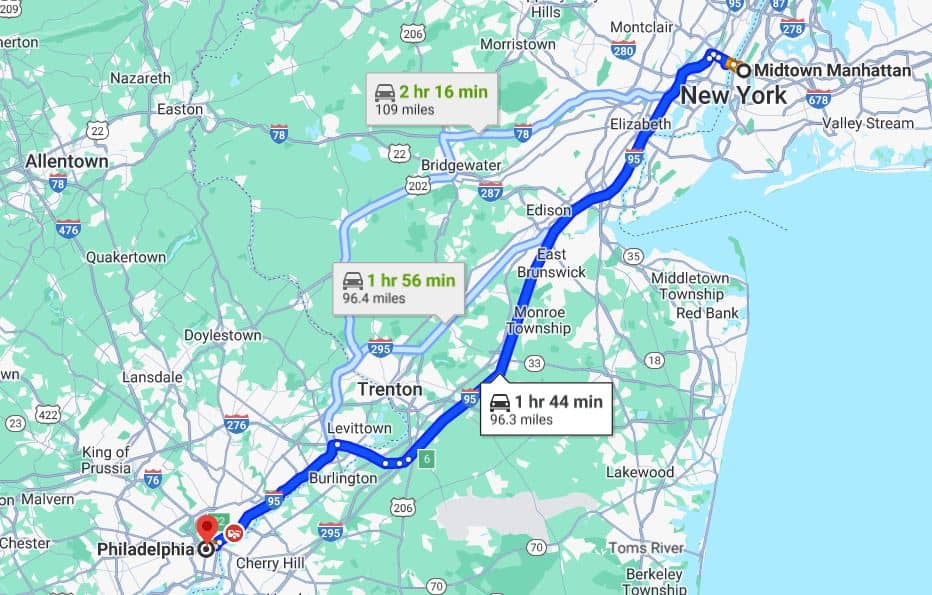
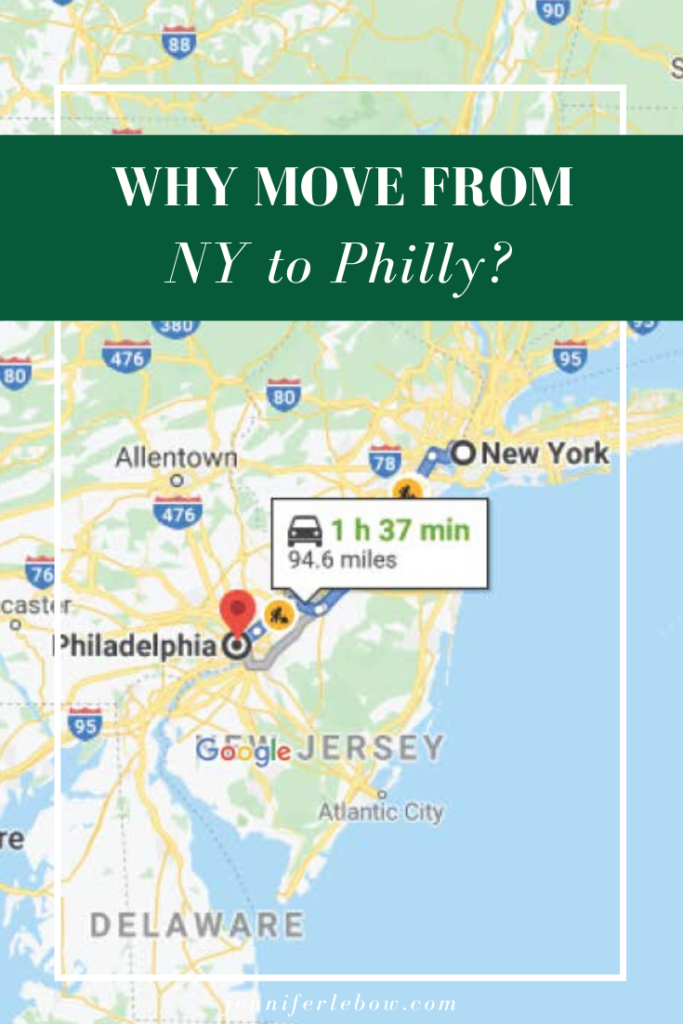
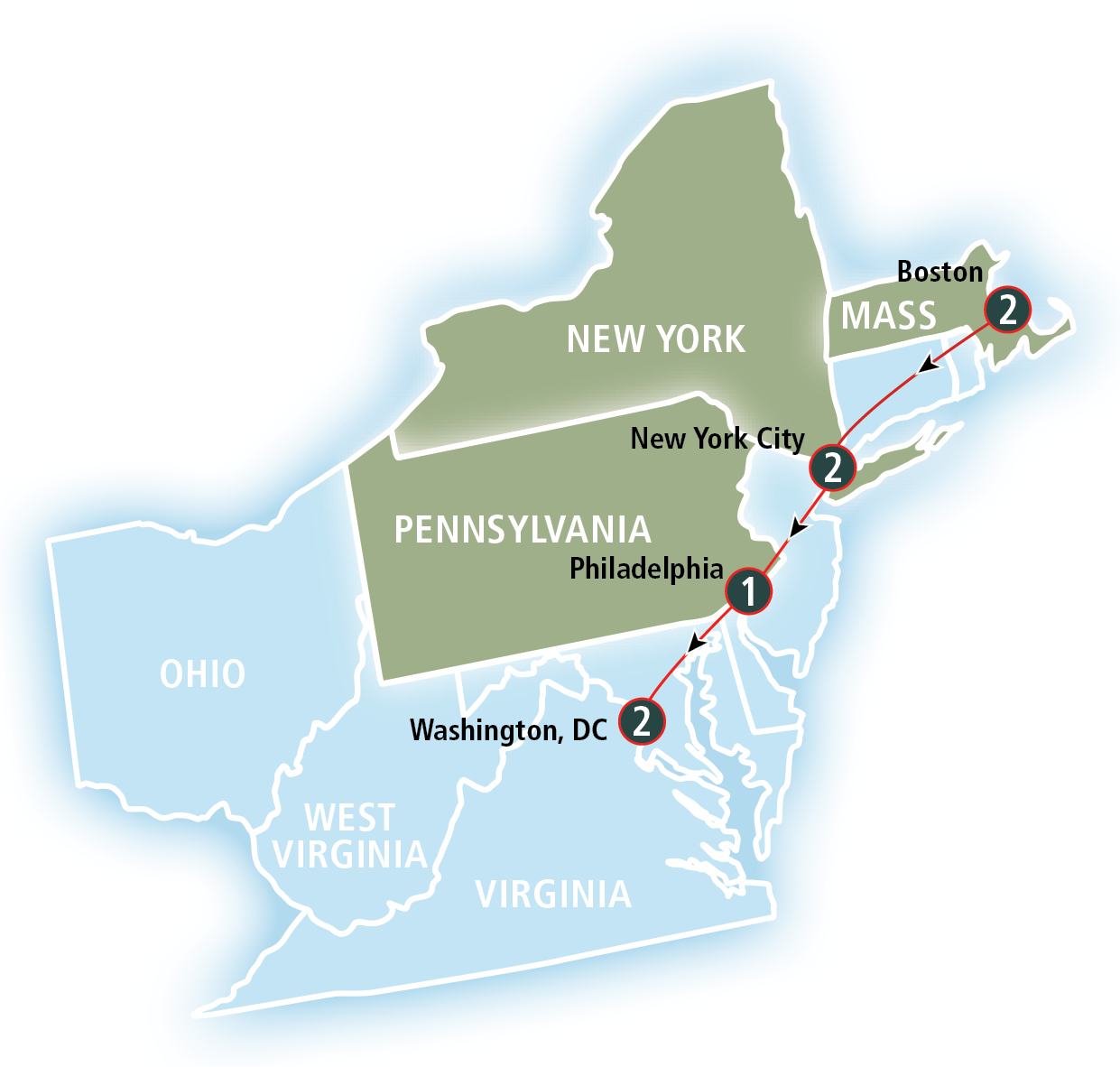
The physical distance between the heart of Philadelphia and the bustling core of New York City is approximately 95 to 100 miles (153 to 161 kilometers), depending on the exact starting and ending points within each city. This relatively short distance makes it an ideal route for day trips, weekend getaways, or seamless transitions for those exploring the wider Mid-Atlantic region. However, distance alone doesn’t tell the whole story; travel time can vary significantly based on your chosen mode of transport, traffic conditions, and specific destinations. From high-speed trains to scenic bus rides, and the flexibility of driving, each option offers a distinct experience tailored to different preferences and budgets. Our comprehensive guide will illuminate these choices, ensuring your journey is as smooth and enjoyable as the destinations themselves.
Navigating the Northeast Corridor: Travel Methods and Times
The stretch of land connecting Philadelphia and New York City is part of the famed Northeast Corridor, a critical transportation artery that sees millions of travelers annually. This bustling route offers a diverse array of transportation methods, each with its own advantages in terms of speed, cost, and comfort. Understanding these options is paramount for making an informed decision that aligns with your travel style and itinerary.
By Rail: Speed and Convenience
Traveling by train is often considered one of the most efficient and relaxing ways to journey between Philadelphia and New York City. Amtrak, the national rail operator, provides frequent service along the Northeast Corridor, offering several classes of service to suit different budgets and preferences.
The fastest option is the Acela Express, Amtrak’s high-speed service. Acela trains typically complete the journey in about 1 hour and 10 to 1 hour and 20 minutes, making them ideal for business travelers or those prioritizing speed. These trains offer spacious seating, complimentary Wi-Fi, and a quiet car for focused work or relaxation. The primary departure point in Philadelphia is the magnificent William H. Gray III 30th Street Station (commonly known as 30th Street Station), a historic landmark in its own right. In New York City, trains arrive at Moynihan Train Hall, a stunning, modern expansion of New York Penn Station, located directly across from the iconic Madison Square Garden in Midtown Manhattan.
For a more budget-friendly and still highly efficient option, Amtrak’s Northeast Regional and Keystone Service trains offer a comfortable ride in approximately 1 hour and 30 minutes to 1 hour and 50 minutes. While slightly slower than Acela, these services are more frequent and generally less expensive, making them a popular choice for leisure travelers. All Amtrak services provide a pleasant journey with scenic views of the Delaware River and the rolling landscapes of New Jersey, bypassing the hassles of road traffic. Booking tickets in advance, especially for peak travel times or weekends, is highly recommended to secure the best fares and ensure availability.
By Bus: Economical and Accessible
Bus travel presents the most economical option for traversing the distance between Philadelphia and New York City. Several reputable bus companies operate this route, offering frequent departures throughout the day and into the night. Popular providers include Greyhound, Megabus, FlixBus, and various Chinatown bus services.
The average bus journey typically takes between 1 hour and 45 minutes to 2 hours and 30 minutes, though this can extend to 3 hours or more during periods of heavy traffic, particularly around major holidays or rush hour. Most modern bus services offer amenities such as reclining seats, power outlets, and free Wi-Fi, making the journey relatively comfortable. Buses from Philadelphia usually depart from the Philadelphia Greyhound Terminal (or other designated stops for specific carriers) and arrive at New York City’s Port Authority Bus Terminal on 8th Avenue in Manhattan, placing you right in the heart of the city’s theater district and within easy reach of public transport.
While bus travel is undeniably cost-effective, flexibility with travel times is often a good strategy to avoid potential delays. Consider off-peak hours for departure if your schedule allows, as this can significantly reduce travel time. Advance booking online can often yield discounted fares, sometimes for as little as $10-$20 one-way, making it an incredibly attractive option for budget-conscious travelers, students, or spontaneous adventurers.
By Car: Flexibility and Road Trip Potential
Driving offers the ultimate flexibility, allowing travelers to set their own pace, make stops along the way, and manage their luggage without restrictions. The primary driving route between Philadelphia and New York City typically involves taking I-95 North and then merging onto the New Jersey Turnpike (I-95 North again) towards the Holland Tunnel, Lincoln Tunnel, or George Washington Bridge to enter Manhattan.
Under ideal conditions with light traffic, the drive can take approximately 1 hour and 45 minutes to 2 hours. However, drivers should be prepared for significant variations. Traffic congestion is a common occurrence, particularly during weekday rush hours, on Friday afternoons, and throughout weekends and holidays. During these peak times, the journey can easily extend to 3 to 4 hours or even longer.
Several factors contribute to the cost of driving. Tolls are prevalent on the New Jersey Turnpike and for tunnel/bridge crossings into New York City, which can add a substantial amount to the overall expense. Parking in New York City is also notoriously expensive and difficult to find, often requiring pre-booked spots in garages for a premium. For those planning to stay within Manhattan, driving might be less practical unless you have specific reasons or plan to explore areas outside the immediate city center. However, for travelers with families, significant luggage, or those desiring to explore suburban attractions or destinations outside the immediate urban core of New York City, a car can be an invaluable asset. Using GPS apps with real-time traffic updates (like Google Maps or Waze) is highly recommended to navigate effectively and estimate travel times accurately.
By Air: A Less Common but Viable Alternative
While flying between Philadelphia and New York City isn’t the most common choice due to the short distance and the efficiency of ground transport, it remains an option, particularly for those connecting from longer flights or seeking a unique experience. Direct flights are infrequent, and most involve a layover, negating the time-saving benefits for such a short hop.
However, if you’re originating from Philadelphia International Airport (PHL) and heading to one of New York City’s major airports like Newark Liberty International Airport (EWR), LaGuardia Airport (LGA), or John F. Kennedy International Airport (JFK), the flight time itself is usually around 30-45 minutes. The main downside comes from the significant time spent on airport security, check-in, boarding, and the commute to and from the airports. When factoring in these elements, a door-to-door air journey can often exceed the time taken by train or even bus, not to mention the higher cost and environmental impact. Therefore, unless you have a specific reason (e.g., airline miles, a connecting flight), ground transportation is generally the preferred choice for this particular route.
Beyond the Journey: Exploring Attractions and Accommodation
Once you’ve arrived, both Philadelphia and New York City offer a staggering array of attractions, cultural experiences, and diverse accommodation options that cater to every taste and budget. Planning your activities and where you’ll stay is just as crucial as figuring out how to get there.
Iconic Landmarks and Cultural Immersion
In Philadelphia, the city of brotherly love, history comes alive at every corner. Begin your exploration in Historic Philadelphia where the Liberty Bell and Independence Hall stand as powerful symbols of American freedom. Stroll through Elfreth’s Alley, the nation’s oldest continuously inhabited residential street, or dive into the vibrant culinary scene at Reading Terminal Market, a haven for foodies. Art lovers will appreciate the Philadelphia Museum of Art and its famous Rocky Steps, while families can enjoy the interactive exhibits at the Franklin Institute.
New York City, on the other hand, is a global icon known for its towering skyscrapers, world-class entertainment, and unparalleled energy. Must-see landmarks include the majestic Statue of Liberty and Ellis Island, the panoramic views from the Empire State Building or Top of the Rock, and the dazzling billboards of Times Square. Escape the urban bustle in the verdant expanse of Central Park, or catch a groundbreaking performance on Broadway. From the historic streets of Greenwich Village to the artistic enclaves of Brooklyn, New York City offers an inexhaustible list of experiences that cater to every interest, ensuring that every visitor finds something to captivate their imagination.
Finding the Perfect Stay: Hotels and Accommodation
Both Philadelphia and New York City boast an extensive range of accommodation options, from luxurious five-star hotels to charming boutique properties and budget-friendly hostels, as well as serviced apartments and villas for longer stays. Your choice of accommodation will heavily depend on your travel style, budget, and the specific neighborhoods you wish to explore.
In Philadelphia, popular areas for visitors include Rittenhouse Square for upscale hotels and dining, Old City Philadelphia for proximity to historical sites, and Center City for its central location and accessibility to public transport. You can find everything from renowned chains like the Ritz-Carlton Philadelphia or the Kimpton Hotel Monaco Philadelphia to quaint guesthouses. For those seeking a long-term stay, serviced apartments are becoming increasingly popular, offering the comforts of home alongside hotel amenities.
New York City presents an even broader, albeit often pricier, spectrum of choices. Midtown Manhattan is excellent for first-time visitors who want to be near major attractions and transit hubs, offering iconic hotels like the Waldorf Astoria New York (currently undergoing renovations) or the New York Marriott Marquis. For a trendier vibe and boutique hotels, consider SoHo, Greenwich Village, or the Meatpacking District. Budget travelers can find hostels or more affordable hotels further uptown or in outer boroughs like Brooklyn or Queens, which are well-connected by public transportation. When booking, always compare prices, read recent reviews, and check for amenities like complimentary breakfast, fitness centers, or pet-friendly policies, especially if traveling with family or for business. Booking well in advance, particularly for popular travel seasons, is highly advisable to secure the best rates and desired locations.
Planning Your Trip: Essential Tips for a Seamless Journey
Embarking on a journey from Philadelphia to New York City is generally straightforward, but a few strategic tips can elevate your travel experience from good to exceptional. From timing your trip to maximizing your explorations, thoughtful planning ensures a seamless and enjoyable adventure between these two incredible destinations.
Best Time to Travel and Booking Strategies
The ideal time to travel between Philadelphia and New York City largely depends on your priorities. Spring (April to June) and fall (September to November) offer the most pleasant weather for sightseeing, with mild temperatures and beautiful foliage. However, these are also peak tourist seasons, meaning higher prices for accommodation and potentially more crowded attractions and transport. Winter (December to March) can be enchanting, especially during the holidays in New York City, but be prepared for cold weather and potential snow delays. Summer (July to August) brings warmth and a plethora of outdoor activities, but also humidity and larger crowds.
Regardless of the season, booking your transportation and accommodation well in advance is a golden rule, especially if your travel dates coincide with holidays, major events, or weekends. Amtrak tickets, particularly for Acela Express, tend to increase in price closer to the departure date. Bus tickets, while generally cheaper, also offer better deals for early bookings. Utilize comparison websites for hotels and flights, and consider signing up for loyalty programs or newsletters to receive exclusive deals. Flexibly with your travel dates, even by a day or two, can often result in significant savings.
Making the Most of Your Exploration
Once you’ve handled the logistics of getting there, focus on immersing yourself in the local culture and experiences. Both cities are incredibly walkable, especially in their central districts, and boast excellent public transportation systems. In Philadelphia, the SEPTA system (subway, bus, trolleys, regional rail) makes getting around a breeze. In New York City, the extensive MTA subway and bus network can take you virtually anywhere. Consider purchasing a multi-day pass like a SEPTA One Day Pass or a New York City MetroCard for convenient and cost-effective travel within the cities.
Don’t forget to savor the culinary delights each city has to offer. In Philadelphia, a cheesesteak is a mandatory experience, perhaps from iconic spots like Pat’s King of Steaks or Geno’s Steaks. New York City offers an endless gastronomic journey, from quintessential New York-style pizza and bagels to Michelin-starred restaurants and diverse ethnic cuisines found in neighborhoods across its five boroughs. Engaging in local food tours can be a fantastic way to discover hidden gems and sample regional specialties.
Packing smart is also crucial. Regardless of the season, comfortable walking shoes are non-negotiable, as you’ll likely be doing a lot of exploring on foot. Layered clothing is always a good idea, as weather can change quickly. And, of course, a portable charger for your devices is essential for capturing memories and navigating with maps. By combining efficient travel planning with a curious and open mindset, your journey from Philadelphia to New York City is sure to be filled with unforgettable moments and discoveries, whether you’re traveling for leisure, business, or a blend of both.
Conclusion: A Tale of Two Cities, Easily Connected
The journey between Philadelphia and New York City is more than just covering a distance of approximately 95 to 100 miles; it’s a bridge connecting two distinct yet equally captivating urban experiences. From the historical gravitas of Philadelphia to the pulsating, modern dynamism of New York City, travelers are presented with a wealth of options to traverse this popular Northeast Corridor route.
Whether you opt for the swift efficiency of Amtrak’s Acela Express, the budget-friendly convenience of a bus service, or the flexible independence of driving, each method offers its unique set of advantages. While train travel typically offers the quickest and most hassle-free experience with journey times as short as 1 hour and 10 minutes, bus services provide an economical alternative often taking around 2 to 3 hours. Driving, though offering unparalleled flexibility, comes with the caveat of potential traffic delays and parking complexities, pushing travel times anywhere from 2 to 4 hours.
Ultimately, the best way to travel depends on individual priorities: speed, cost, comfort, or the desire for a scenic detour. Both cities promise a rich tapestry of attractions, from Philadelphia’s iconic Independence Hall and vibrant food scene to New York City’s towering Empire State Building and world-renowned Broadway shows. With careful planning, including booking transport and accommodation in advance, and an eagerness to explore, the trip from Philadelphia to New York City is not just a commute but an integral part of an unforgettable East Coast adventure. So, pack your bags, choose your mode of transport, and prepare to immerse yourself in the unparalleled charm and excitement that awaits in these two great American cities.